Whole Bean vs Pre-Ground Coffee: A Strategic Decision Guide for F&B Businesses
Compare whole bean versus pre-ground coffee for cafes, restaurants, hotels, and commercial offices. Evaluate advantages, operational trade-offs, and cost factors to optimize beverage quality and workflow efficiency.
Choose whole bean coffee if you serve espresso, lattes or pour-over and put cup quality first; choose pre-ground coffee if you need fast, high-volume service with fewer trained baristas. Whole beans hold their aroma longer, while pre-ground coffee removes the need for grinders and grind calibration.
📌 Technical Key Highlights
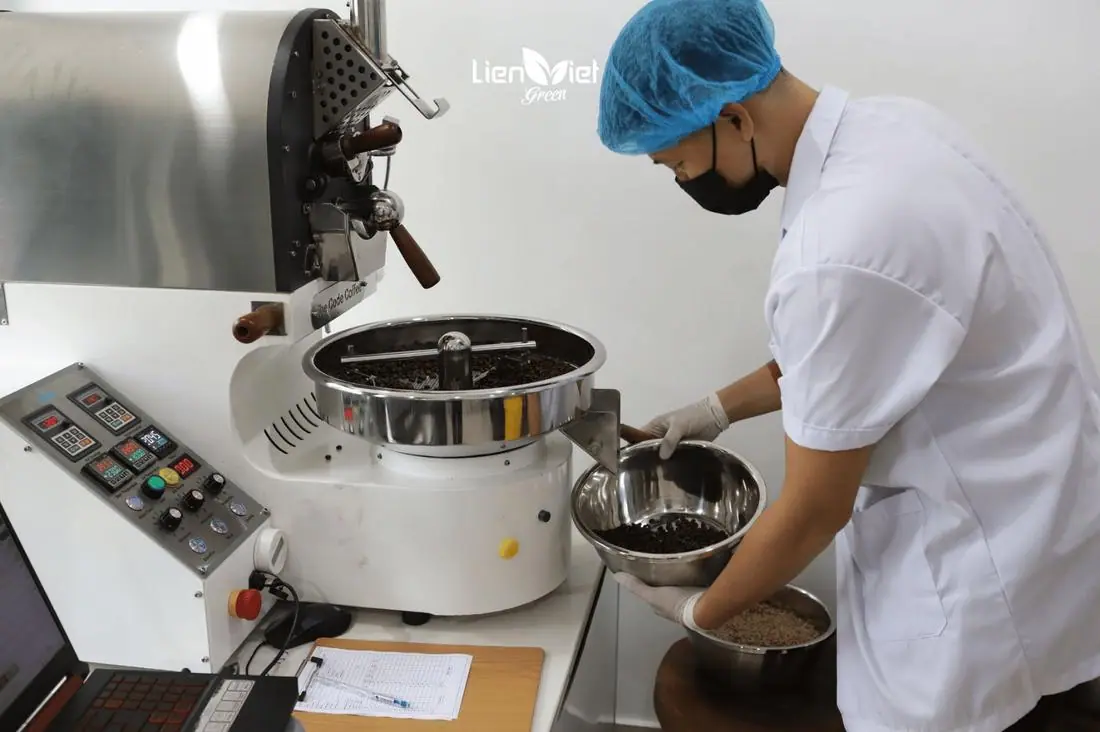
- Roastery Standard: Certified ISO 22000, evaluated by Q Grader panel.
- Roasting Tech: 100% Hot Air fluid bed convection, precise thermal curve tracking.
- Batch Consistency: Strict Agtron spectrophotometer roast color and moisture control.
- Traceability: 100% transparent sourcing from Vietnamese coffee origins.
Whole Bean vs Pre-Ground Coffee: Choosing the Right Solution for Your Business
In the commercial F&B sector, raw ingredient selection directly shapes beverage quality, customer satisfaction, workflow efficiency, and gross margins. A frequent strategic question confronting cafe owners, hotel food & beverage directors, and corporate office managers is whether to procure whole bean coffee or pre-ground coffee.
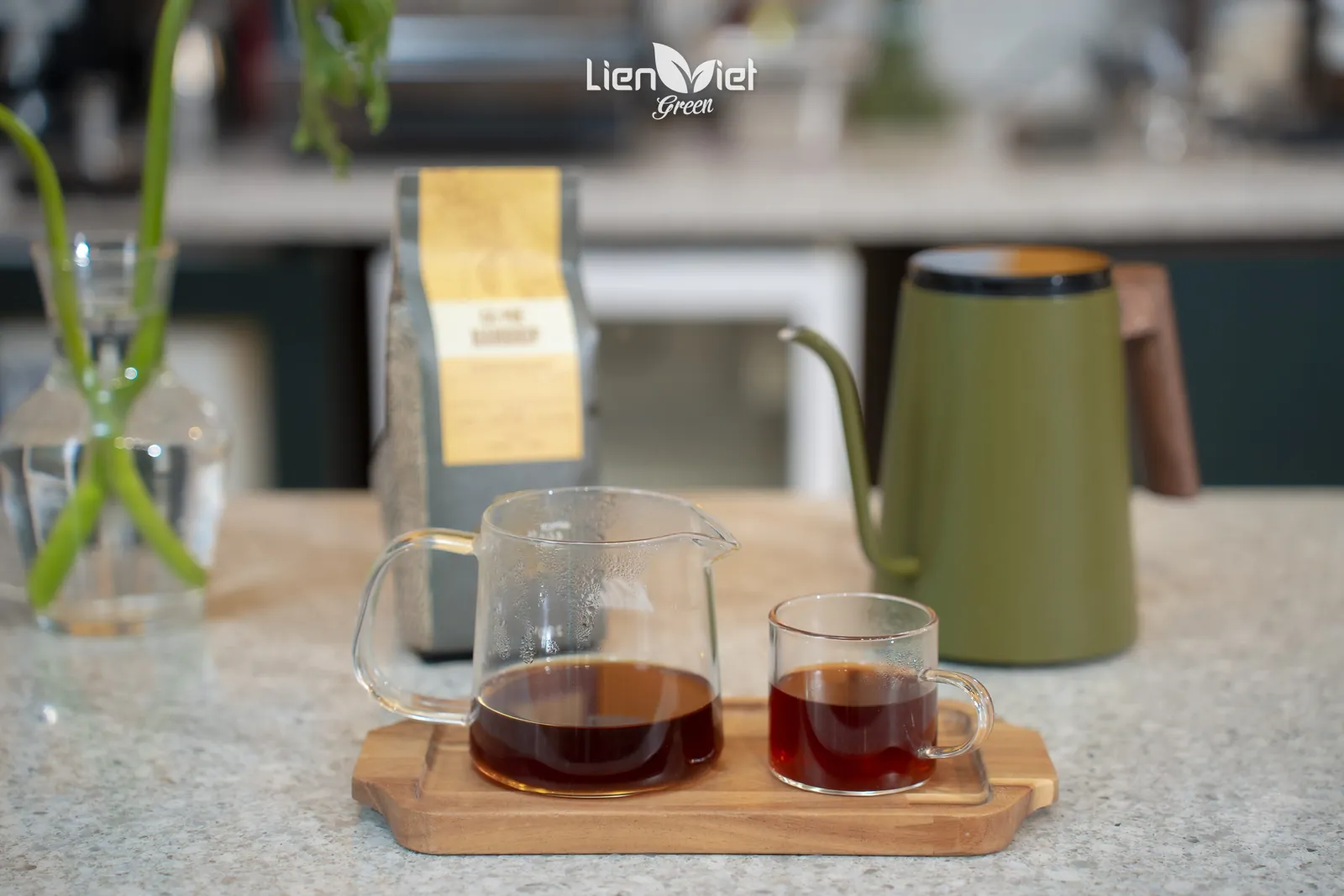
Whole bean vs pre-ground coffee: Choosing the right format for commercial F&B operations.
Each format offers distinct operational advantages tailored to specific business scales, service speeds, and brand positioning. Understanding these technical and operational trade-offs enables businesses to make data-driven procurement decisions that balance labor capabilities, equipment budgets, and guest expectations.
While retail consumers choose between whole beans and ground coffee based on personal convenience, commercial operators must evaluate the decision across six strategic operational criteria:
A specialty espresso bar operates under vastly different operational parameters than a 500-seat hotel breakfast banquet or a corporate office pantry.
Whole bean coffee is the standard choice for specialty cafes, boutique roasteries, and high-end hospitality venues.
Whole bean coffee – Maximizing cup quality and brand prestige.
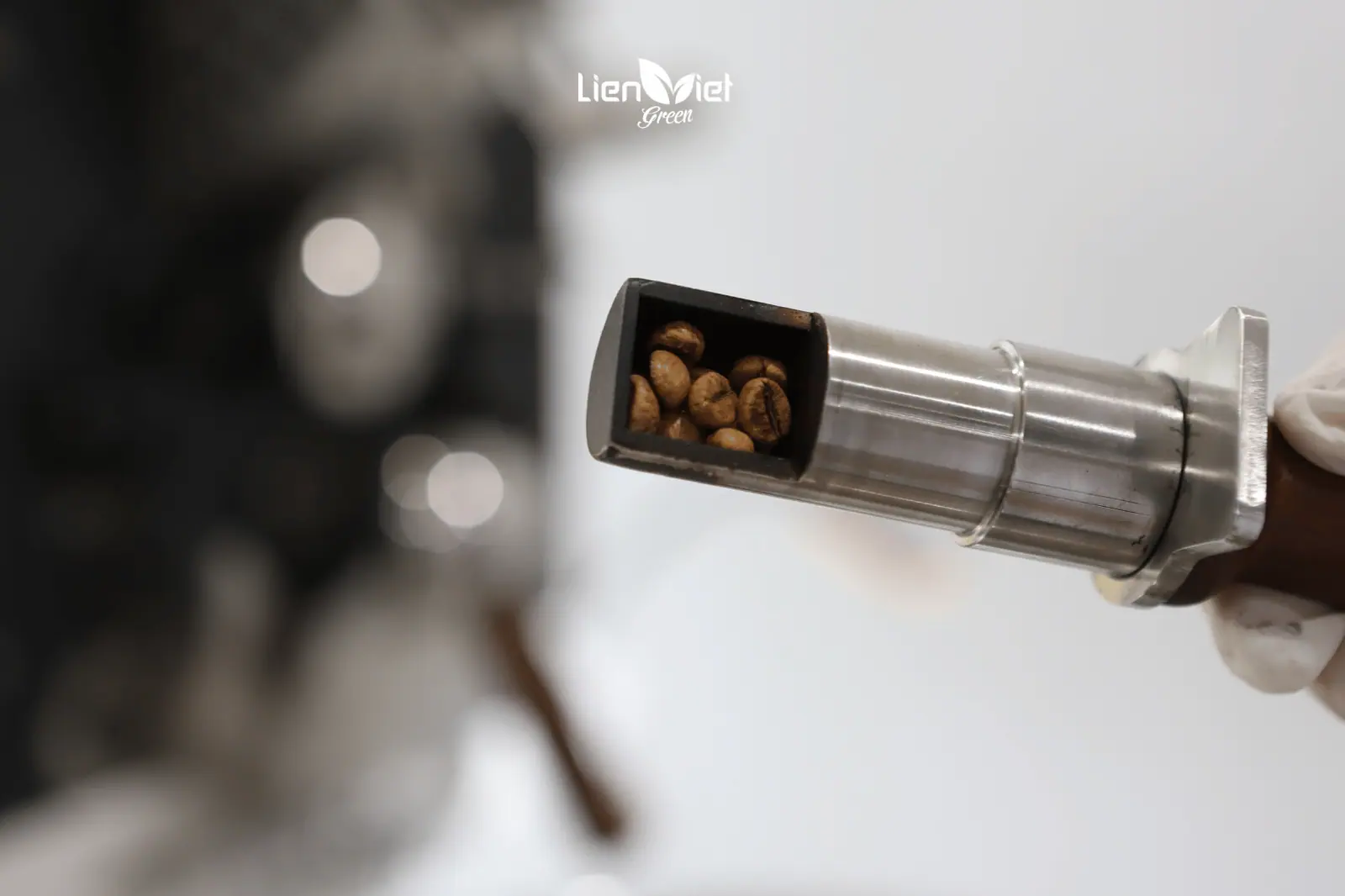
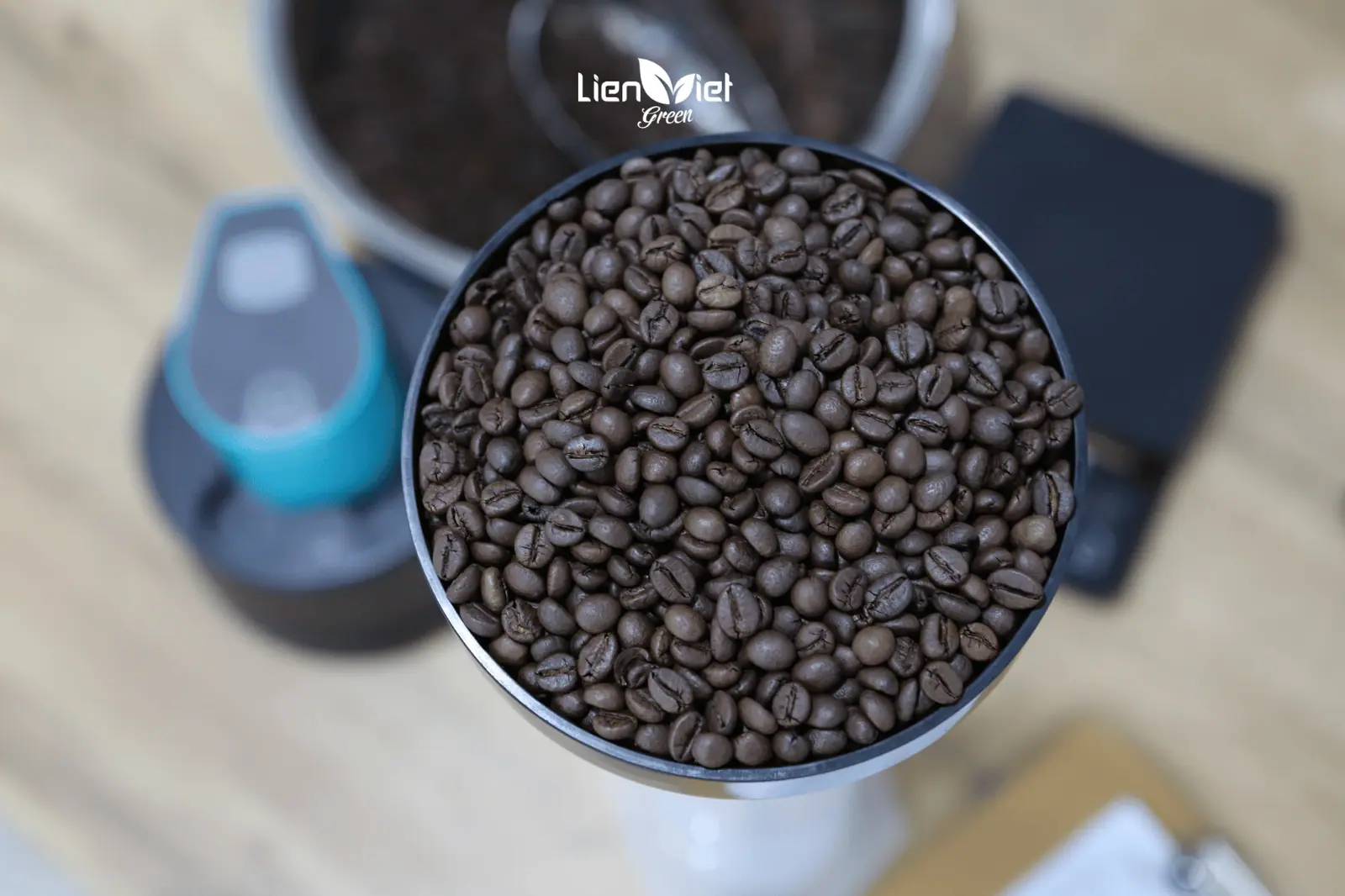
Following roasting, whole coffee beans undergo gradual degassing and oxidation. The intact bean structure acts as a natural protective shell, shielding delicate aromatic oils from atmospheric oxygen and moisture. This significantly extends peak flavor life, essential for espresso extraction, pour-over, and signature coffee menus where clarity and crema are paramount.
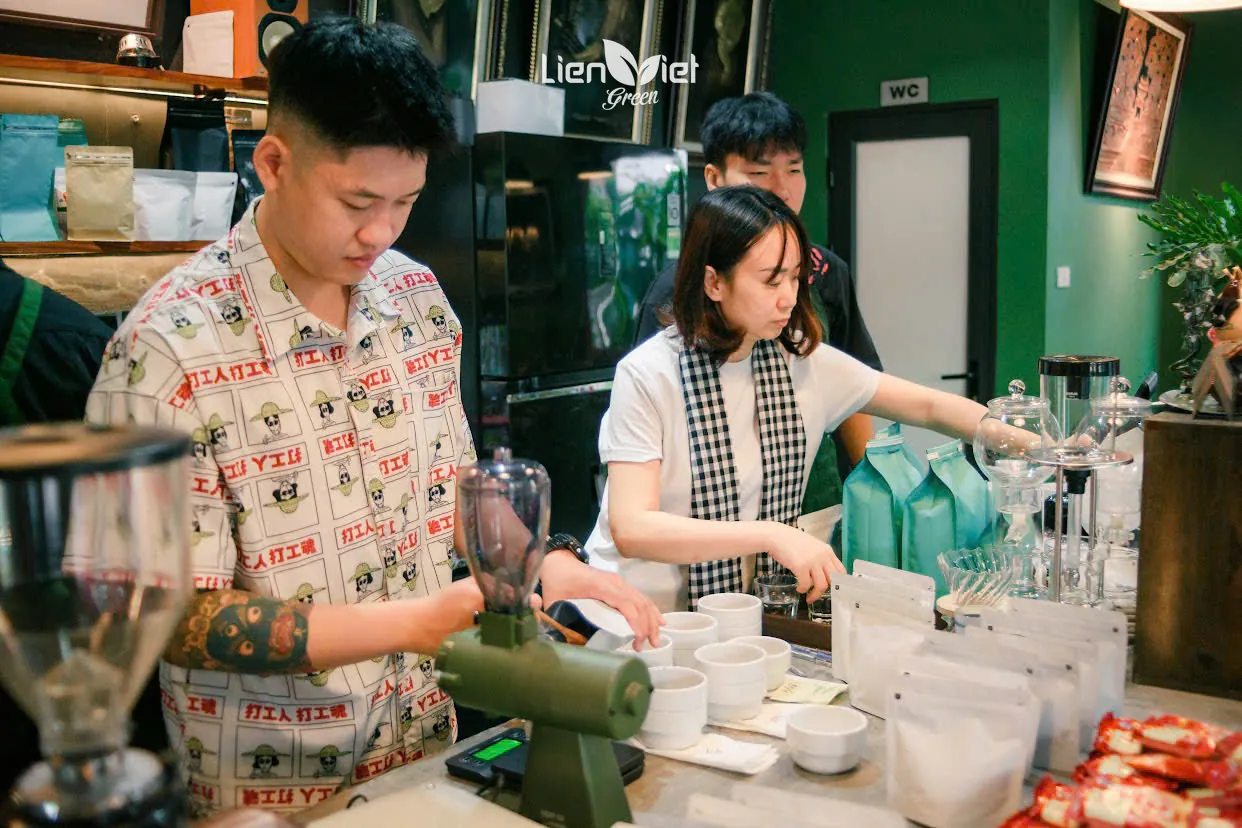
The aroma and theater of on-demand grinding directly at the counter enhance the perceived value of the beverage. For specialty coffee shops, visible whole bean hoppers and on-demand grinding represent an indispensable hallmark of professionalism.
Why Coffee Format Matters for Commercial Operations
Whole beans allow baristas to adjust grind size dynamically across brewing methods:
This flexibility empowers operations to diversify their beverage menu using a single core coffee inventory.
Procuring commercial on-demand espresso and bulk grinders requires substantial upfront capital, along with recurring maintenance costs for burr replacements and calibration.
Staff must be trained in dial-in techniques, grind size calibration, dose weight management, and extraction troubleshooting. In operations with high staff turnover, maintaining consistent extraction can become a management challenge.
Not all commercial models justify on-site grinding infrastructure. For many operations, professionally pre-ground coffee offers significant speed and consistency advantages.
Pre-ground coffee – Maximizing speed, simplicity, and efficiency for high-volume service.
Coffee is pre-ground to exact specifications by the industrial roaster, allowing staff to dose and brew immediately. This model is ideal for:
Eliminating the need for commercial grinders reduces initial setup costs, lowering the barrier to deploying coffee services across multiple sites.
Pre-ground coffee eliminates grinder calibration variables, standardizing the brewing routine and reducing dependence on individual staff skills.
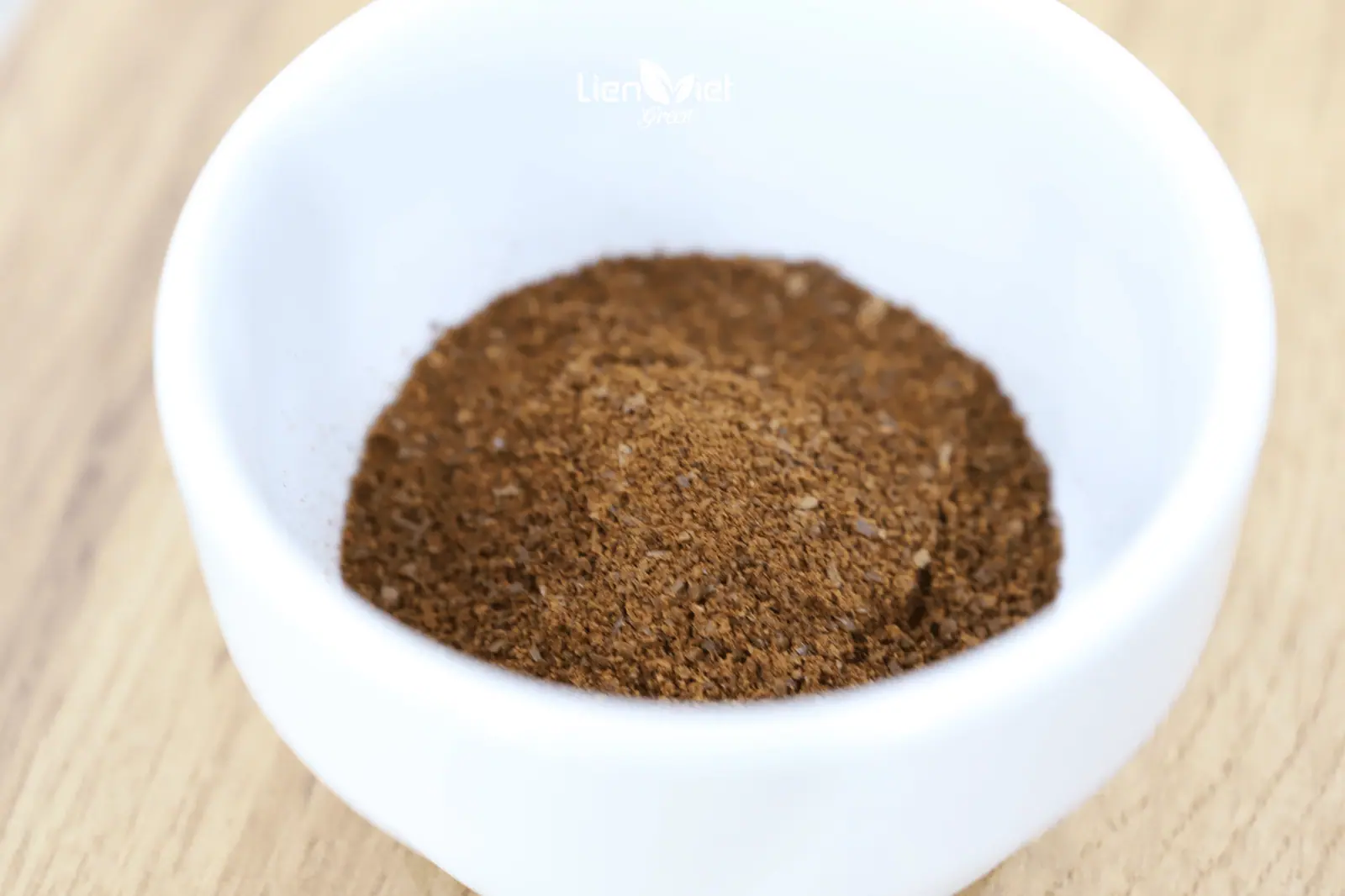
Whole Bean Coffee – Maximizing Sensory Quality and Brand Value
Grinding drastically multiplies the surface area exposed to ambient oxygen. Consequently, volatile aromatic compounds degrade much faster than whole beans. To maintain product integrity, pre-ground coffee requires strict packaging standards and tighter turnover cycles.
To preserve freshness, pre-ground coffee demands rigorous inventory protocols:
Once ground, the particle size distribution cannot be altered to adapt to humidity fluctuations, roast batch variations, or alternative brewing apparatuses.
Whether your business selects whole beans or pre-ground coffee, final beverage success depends fundamentally on the quality of raw material and the technical expertise of your roasting partner.
A professional B2B roasting partner supports enterprises by:
There is no universal solution in commercial coffee procurement. Whole bean coffee delivers longer-lasting freshness and artisanal value at the expense of higher equipment costs and technical requirements. Conversely, pre-ground coffee unlocks operational velocity, consistent execution, and capital savings for high-volume service environments.
By assessing your business model, customer expectations, and operational capabilities, you can select the coffee format that maximizes both cup quality and commercial profitability.
At Lien Viet Green, we partner with F&B enterprises, hotel chains, and corporate offices to deliver customized whole bean and precision pre-ground coffee solutions backed by end-to-end supply chain mastery and Hot Air roasting technology.
Technical Quality Standards Comparison Matrix
| Quality Metric | Conventional Standard | Lien Viet Green OEM Standard |
|---|---|---|
| Roasting Tech | Direct flame drum, minor smoke trace | 100% Hot Air fluid bed convection, uniform roast |
| Batch QC Control | Subjective visual checking | Agtron color meter + ISO moisture + ARTISAN logs |
| Packaging Format | Standard poly or paper bag | 4-layer foil laminate with 1-way degassing valve |
Whichever format you choose, freshness depends on handling, as covered in how to store roasted coffee beans in a commercial café.
Packaging matters even more for ground coffee; see why one-way degassing valves are essential in coffee packaging.
Cafés, hotels and chains can get whole bean or ground coffee through our roasting service for cafés and chains, or book a cupping at our Long Bien roastery.
Sources: Coffee Quality Institute (CQI) Q Grader certification; ISO 22000:2018 on the ISO website and Lien Viet Green roastery ISO 22000:2018 certificate.
Frequently asked questions
Should a café use whole bean or pre-ground coffee?
If you sell espresso, lattes or pour-over and care most about cup quality, whole bean coffee is the better fit. If you need fast, high-volume service with few trained baristas, pre-ground coffee keeps operations simpler.
Why does whole bean coffee keep its aroma longer?
In whole beans, oxidation happens much more slowly than in ground coffee. Once ground, coffee is exposed to far more oxygen, so its aroma and flavor compounds fade quickly.
What do we need to use whole bean coffee?
You need a grinder sized to your café’s volume and staff trained to adjust grind size and control extraction. In return, you can set the grind for each brew method.
What grind size does each brew method need?
Espresso needs a fine grind for proper extraction. Hand drip needs a medium grind for a balanced cup. Cold brew should be ground coarse to limit bitterness and astringency.
Can beans roasted for espresso be used in a phin?
Yes. Grind coarser than for espresso and let the phin steep longer. Espresso roasts are usually lighter than traditional phin roasts, so the cup will be less bitter, with more noticeable acidity and aroma. If your customers expect a strong phin, use a separate phin roast profile.
Partner with ISO 22000 Certified OEM Coffee Roaster
Lien Viet Green supports hotel chains, F&B franchises, and commercial brands with custom roast profiles and supply reliability.