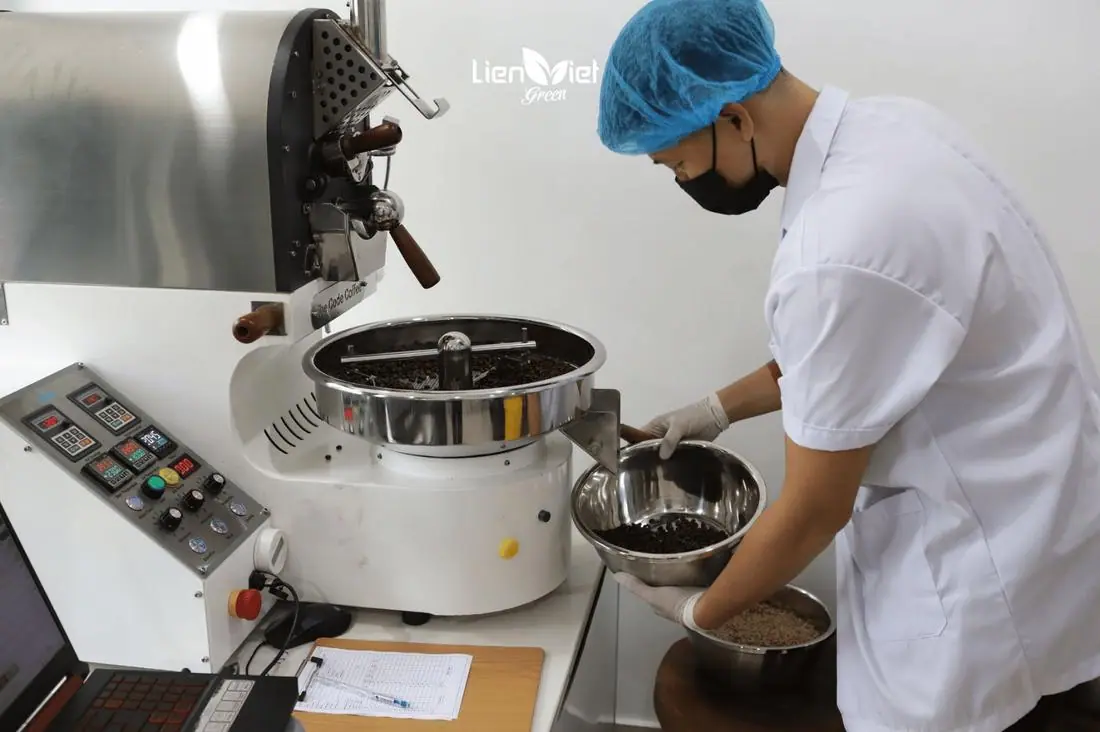
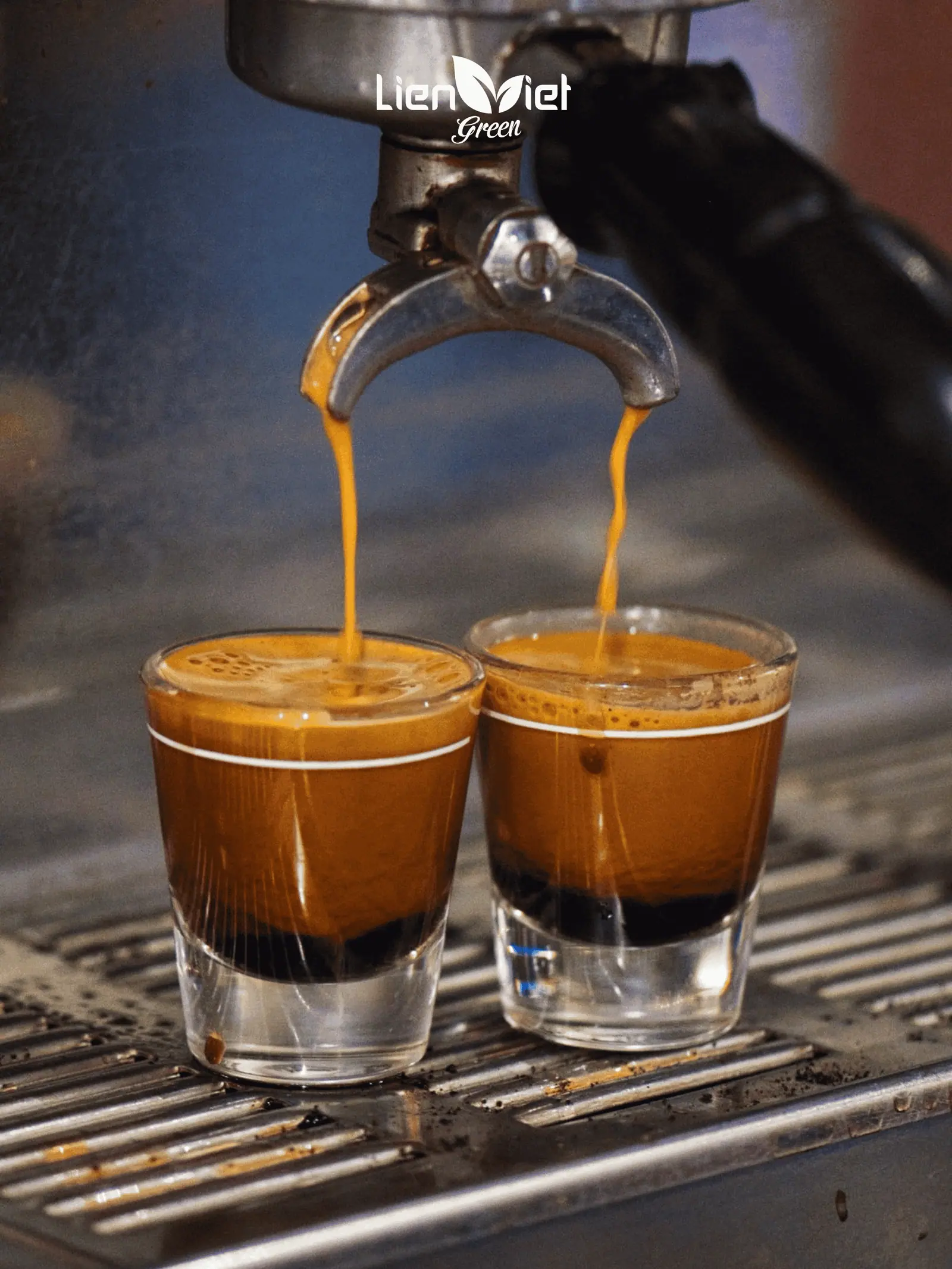
Espresso needs beans and a roast that dissolve quickly under pump pressure in about 30 seconds, while phin needs a coarser grind and a roast that stays sweet through several minutes of gravity brewing. Arabica, Robusta, Fine Robusta and blends can all work, but a café serving both methods should use a separate roast profile for each.
Examine the fundamental extraction mechanics distinguishing commercial espresso from traditional Vietnamese Phin drip, and how to select Arabica, Robusta, Fine Robusta, and custom blends for F&B operations.
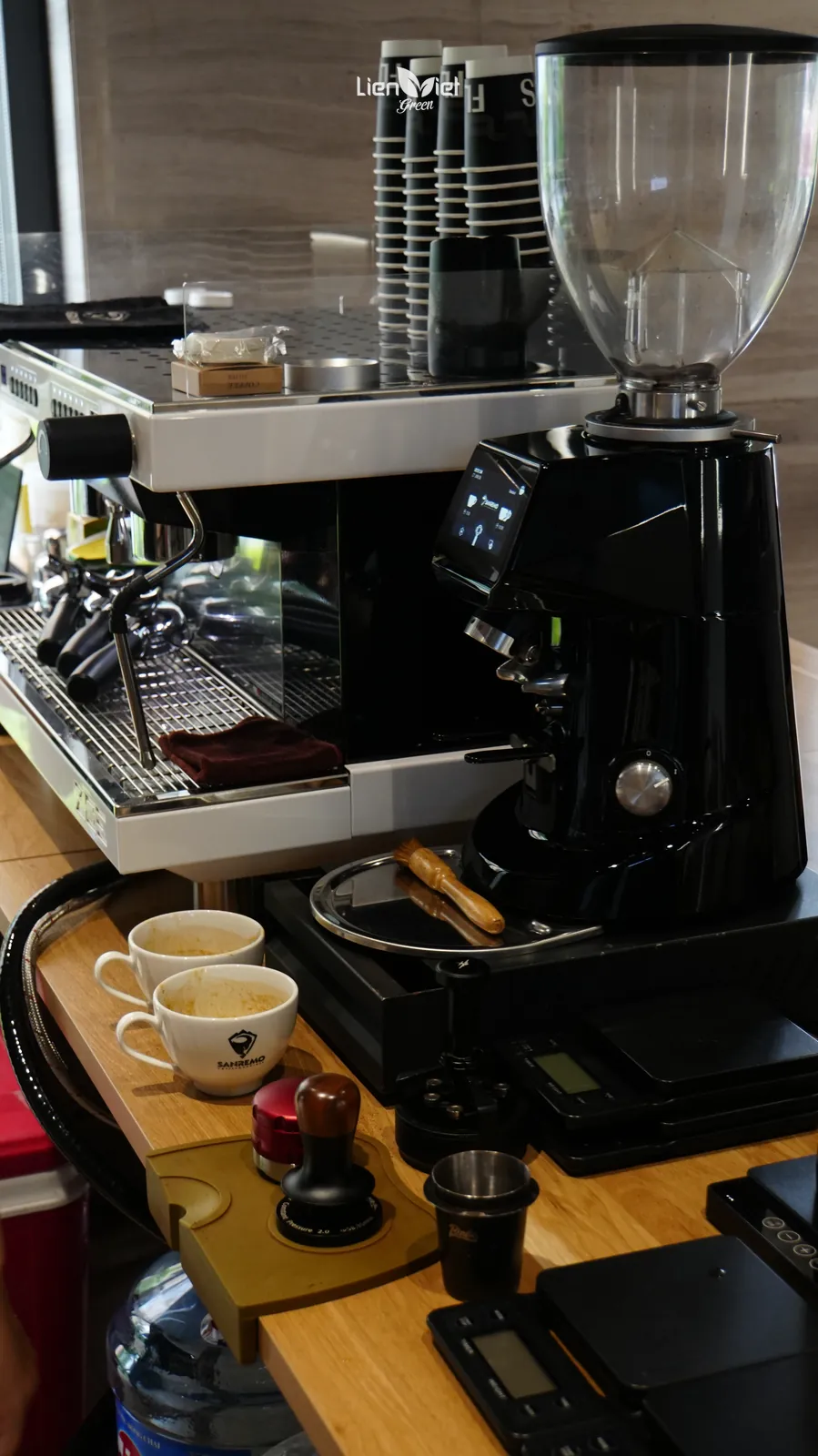
In the F&B sector, beverage quality relies not merely on barista skill, but fundamentally on pairing the right green coffee selection and roast profile with the specific extraction method.
Many cafe operators encounter a perplexing scenario: a coffee lot yields rich body, deep chocolate notes, and a satisfying finish when brewed via traditional Vietnamese Phin, yet when pulled on an espresso machine, it presents sharp sourness, harsh bitterness, or a hollow body. Conversely, a bean boasting complex aromatics on espresso often tastes unacceptably thin and weak in a Phin.
This discrepancy does not reflect bean quality in a vacuum. It highlights the thermodynamic and physical alignment between bean composition, roast profile development, grind size distribution, and the extraction mechanism.
The Fundamental Extraction Differences Between Espresso and Phin
Selecting appropriate coffee requires recognizing that espresso machines and Phin filters establish drastically different extraction environments. Coffee extraction involves dissolving soluble solids, volatile aromatic compounds, and emulsifying lipids from ground roasted coffee into water. The flow velocity, contact duration, hydraulic pressure, water temperature, grind particle distribution, and brew ratio determine which chemical compounds transfer into the cup.
| Parameter | Commercial espresso | Traditional Phin |
|---|---|---|
| Driving force | Pump pressure, traditionally 9 bar | Gravity percolation, no mechanical pressure |
| Water temperature | 90°C–94°C | Poured hot over the bed |
| Contact time | 25–32 seconds | 4–6 minutes |
| Grind | Fine, high surface area | Coarser, to regulate flow and avoid clogging |
| Sensory tendency | Magnifies bean traits and roast defects | Intense strength, viscous mouthfeel, long finish |
Commercial Espresso Extraction: High Pressure and Rapid Flow Dynamics
Espresso machines utilize an electric pump to force heated water (typically 90°C–94°C) through a compacted puck of finely ground coffee under high pressure (traditionally 9 bar). Extraction finishes within a compact time window (typically 25 to 32 seconds). Due to the brief contact duration, water requires substantial surface contact area to dissolve target compounds, necessitating a fine grind particle distribution.
Espresso magnifies bean traits and roast defects. High organic acidity translates into intense brightness. If the roast curve lacks adequate inner-core development, espresso tastes sour, grassy, and astringent. Conversely, over-roasted or over-extracted shots yield harsh bitterness and drying sensations. Consequently, commercial espresso requires careful synergy between green bean density, roast development, and precise barista dial-in.
Traditional Phin Drip: Gravity Percolation and Immersion Mechanics
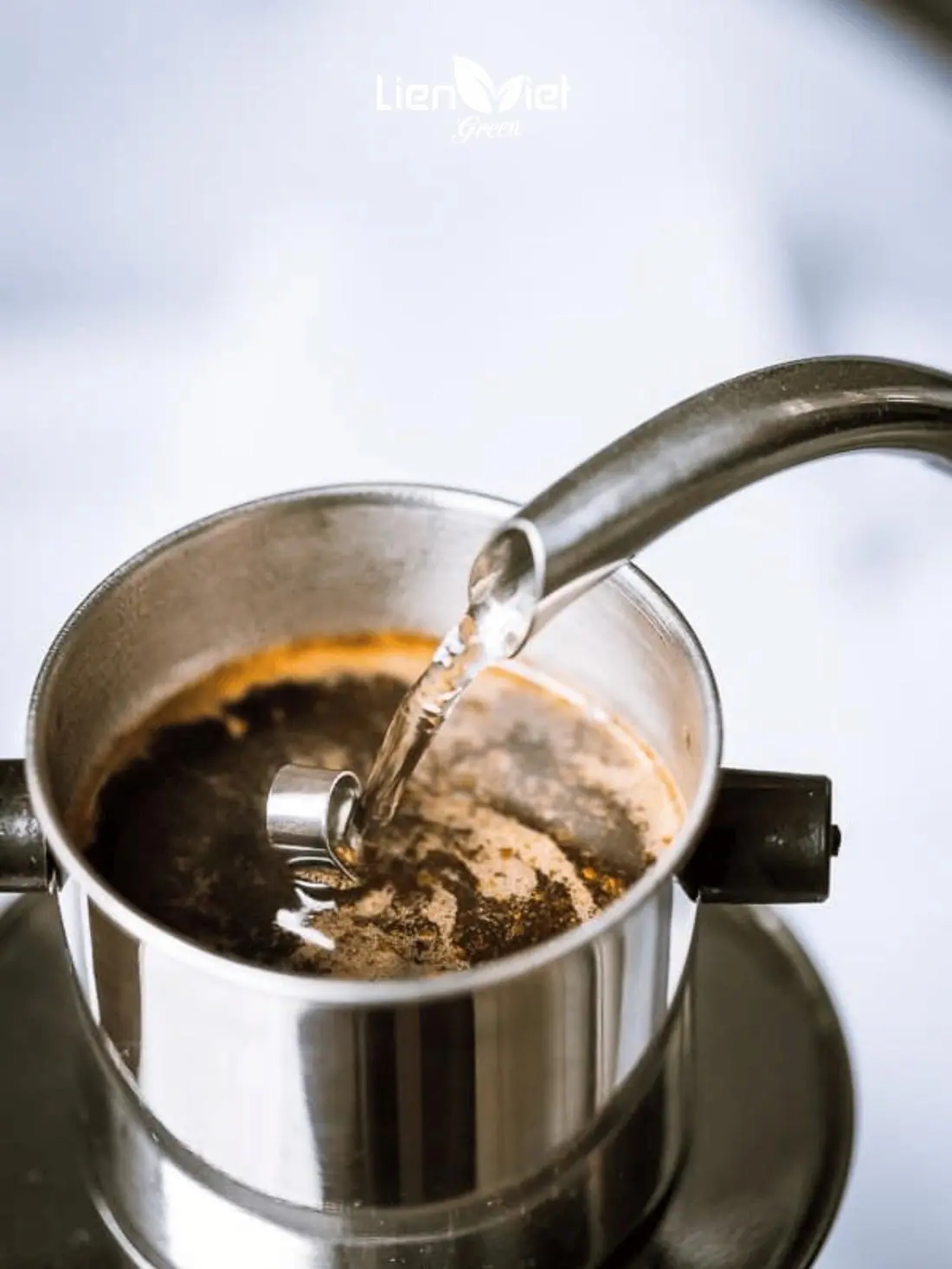
The traditional Vietnamese Phin filter combines an initial brief immersion bloom with gravity-driven percolation. Heated water is poured over ground coffee and passes slowly through a perforated metal screen without mechanical pressure over a 4-to-6-minute duration. The grind size is significantly coarser than espresso to regulate gravity flow and prevent fine particles from clogging the filter plate.
The prolonged contact time facilitates substantial dissolution of heavy molecular compounds, yielding intense strength, viscous mouthfeel, and a long finish, especially when paired with bold bean varieties. However, modern Phin brewing is not restricted to commercial-grade dark Robusta. Balanced contemporary Phin profiles successfully incorporate specialty Arabica, Fine Robusta, and calibrated blends to present refined sweetness, pleasant acidity, and aromatic clarity.

Selecting Coffee Origins for Commercial Espresso Programs
No universal coffee selection fits every cafe concept. Selecting beans for an espresso program depends on beverage menu structure, milk ratios, target demographic, and brand positioning.
Arabica: Aromatic Complexity and Refined Acidity
Arabica is favored when an operation seeks expressive aromatics, vibrant organic acidity, and layered flavor notes. Depending on origin terroir and processing, Arabica showcases floral, stone fruit, berry, chocolate, or caramel notes. However, Arabica naturally yields a lighter tactile body and lower crema volume than Robusta. When formulating menus dominated by large milk beverages (12oz–16oz lattes and cappuccinos), roastmasters must calibrate the roast curve to ensure sufficient body and flavor cut-through.
Robusta: Crema Stability, Body, and Structural Strength
Robusta naturally delivers heavy mouthfeel, elevated caffeine concentration, and dense, stable crema in espresso extractions when properly sourced and roasted. Robusta remains a cornerstone of traditional espresso blending. Combined with Arabica, Robusta supplies tactile structure and crema persistence, while Arabica contributes complex aromatics and refined acidity.
Blend ratios should reflect specific operational goals. An 80/20 Arabica/Robusta formulation may suit a modern specialty venue, whereas high-volume commercial concepts might favor a 60/40 or 50/50 blend for maximum intensity and milk cut-through.
Fine Robusta: Balancing Heavy Body with Sensory Cleanliness
Specialty Fine Robusta represents an evolving frontier for espresso extraction. Unlike commercial-grade Robusta, Fine Robusta is harvested selectively at peak ripeness and processed with specialty protocols, developing natural sweetness, clean acidity, and complex nutty, cocoa, and dried fruit notes. Fine Robusta enables forward-thinking cafes to maintain the dense body and crema integrity of Robusta while delivering a clean, defect-free sensory cup.
Selecting Coffee Origins for Traditional Phin Extraction
While espresso demands rapid solubility and balanced brightness, Phin extraction prioritizes boldness, viscous mouthfeel, and a lingering aftertaste.
Robusta for Classic Vietnamese Coffee Profiles
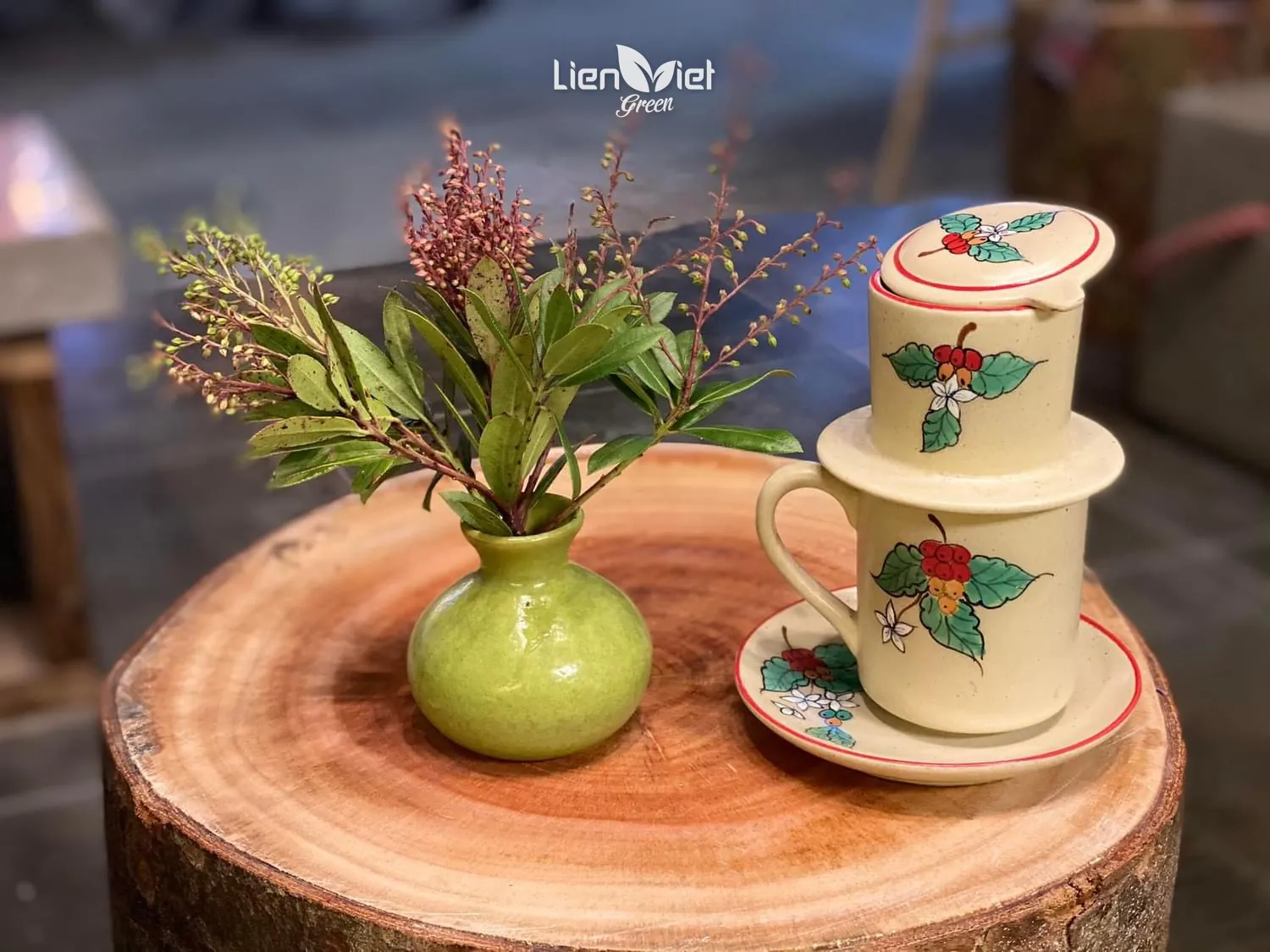
Robusta is the traditional choice for Vietnamese Phin brewing due to its bold body, high soluble yield, and prominent strength. When properly roasted, Robusta produces chocolate, dark caramel, and roasted nut characteristics that pair seamlessly with sweetened condensed milk or serve as bold black coffee.
Crucially, final cup quality depends heavily on green bean grading. Over-roasting defective, under-ripe Robusta cannot compensate for raw material defects; excessive roasting simply generates ash, harsh bitterness, and rubbery off-flavors.
Fine Robusta for Contemporary Phin Menus
Fine Robusta is ideal for modern cafe brands seeking to elevate traditional Phin coffee without losing its authentic character. Clean post-harvest processing highlights deep sweetness, caramelized malt, and cacao without aggressive bitterness, producing a sophisticated standalone cup.
Arabica for Phin: Alternative Sensory Experiences
Utilizing Arabica in a Phin filter creates an aromatic, lighter-bodied beverage featuring fruit sweetness and gentle acidity. While nontraditional for customers expecting heavy bitterness, it offers an engaging manual-brew alternative for specialty audiences.
Custom Blends: Optimizing Consistency and Commercial Viability
Blending represents a strategic formulation tool for commercial roasters and F&B operators, balancing sensory attributes while maintaining price-to-quality stability. Blending frees operations from over-reliance on a single seasonal lot. Formulators combine specific beans to achieve deliberate cup architecture: Arabica provides aromatic top notes and acidity, while Robusta or Fine Robusta reinforces body, crema, and boldness.
“A 70/30, 80/20, or 50/50 ratio represents merely an experimental baseline. Final blend design must be verified through sample roasting, cupping, and rigorous extraction testing on the client’s actual commercial equipment.”Lien Viet Green
How Roast Profiles Govern Extraction Dynamics
Selecting appropriate raw beans addresses only half the equation. Identical green coffee roasted across different curves yields completely different chemical solubility.
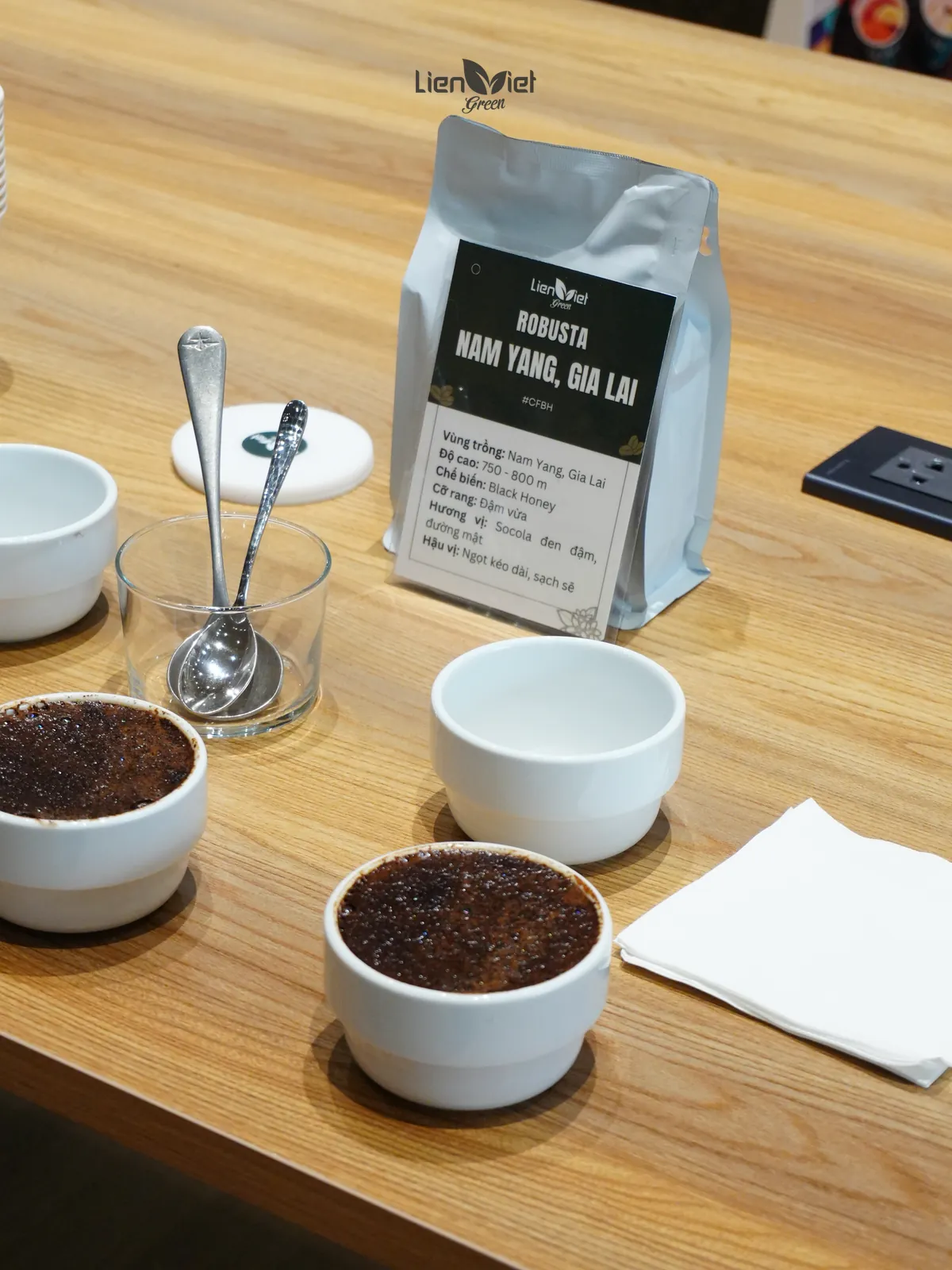
Espresso Roasting: Prioritizing Sweetness, Solubility, and Inner Development
Because espresso extracts in approximately 30 seconds, the bean matrix must be roasted to facilitate rapid dissolution of target solids. An underdeveloped, overly light roast yields sharp sourness and poor crema. Conversely, an overly dark roast burns off origin nuance and introduces acrid bitterness. Espresso roasts demand thorough, even heat transfer throughout the core to optimize sweetness and body.
Phin Roasting: Balancing Depth without Bitter Carbonization
Given the prolonged contact time of Phin brewing, the roast curve must prevent over-extraction of bitter compounds. While medium-dark profiles enhance caramelized notes and body, roasting too deeply creates harsh carbon notes. Modern Phin roasting emphasizes sweet caramelization while preserving clean finish attributes.
Key Variables Governing Extraction Quality
Beyond selecting Arabica, Robusta, or Fine Robusta, cup quality depends on strict control across operational variables:
- Green coffee lot uniformityIf incoming green coffee varies wildly across bags, roasters cannot maintain consistent development curves, making stable dial-in impossible across locations.
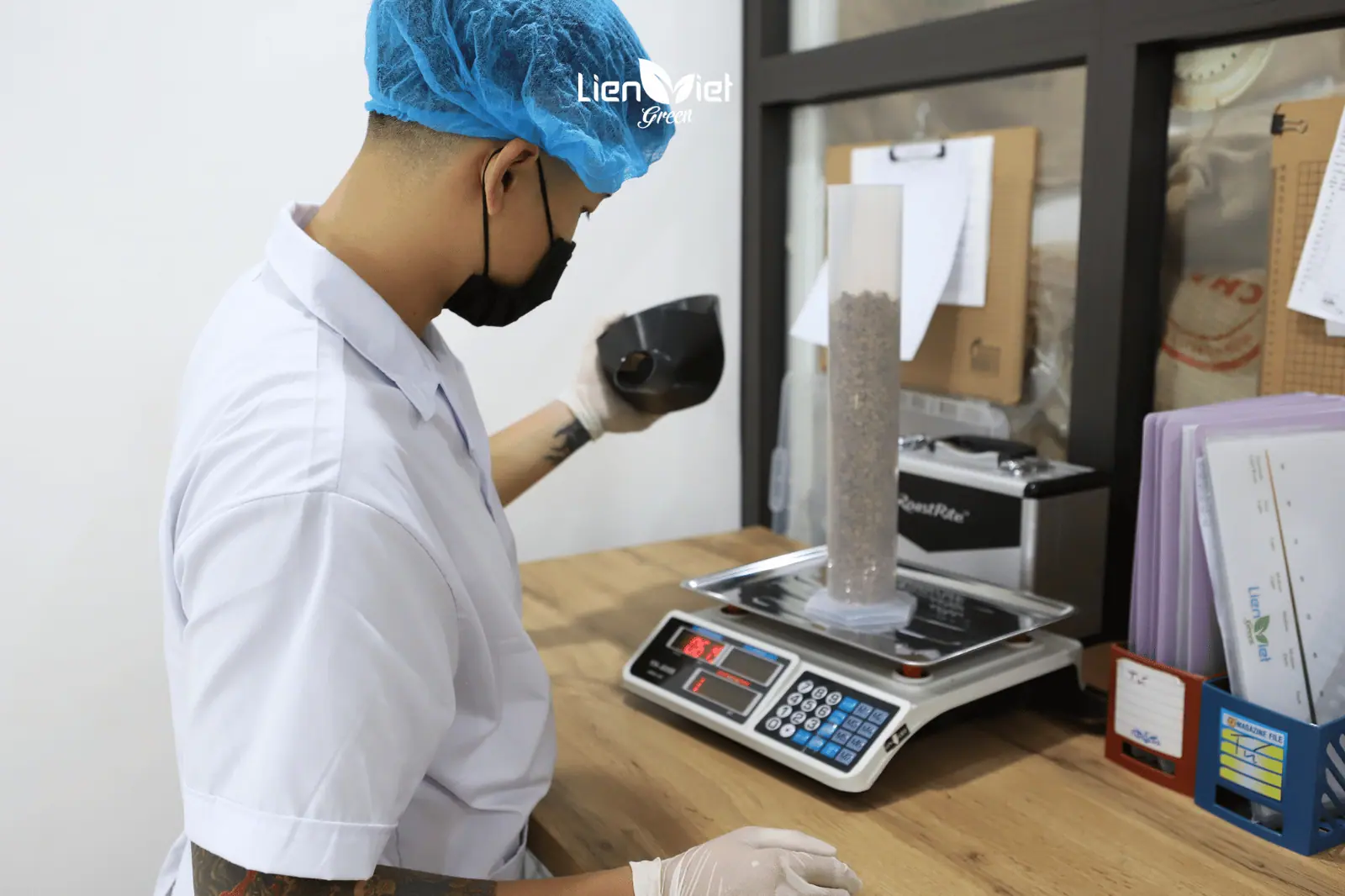
- Moisture content, density and screen sizePhysical parameters dictate thermal conduction; analyze raw metrics before loading batches rather than using rigid automated settings.
- Grind distribution and dial-inEspresso demands micro-adjustments to control hydraulic resistance; Phin requires consistent sizing to hold percolation flow rates.
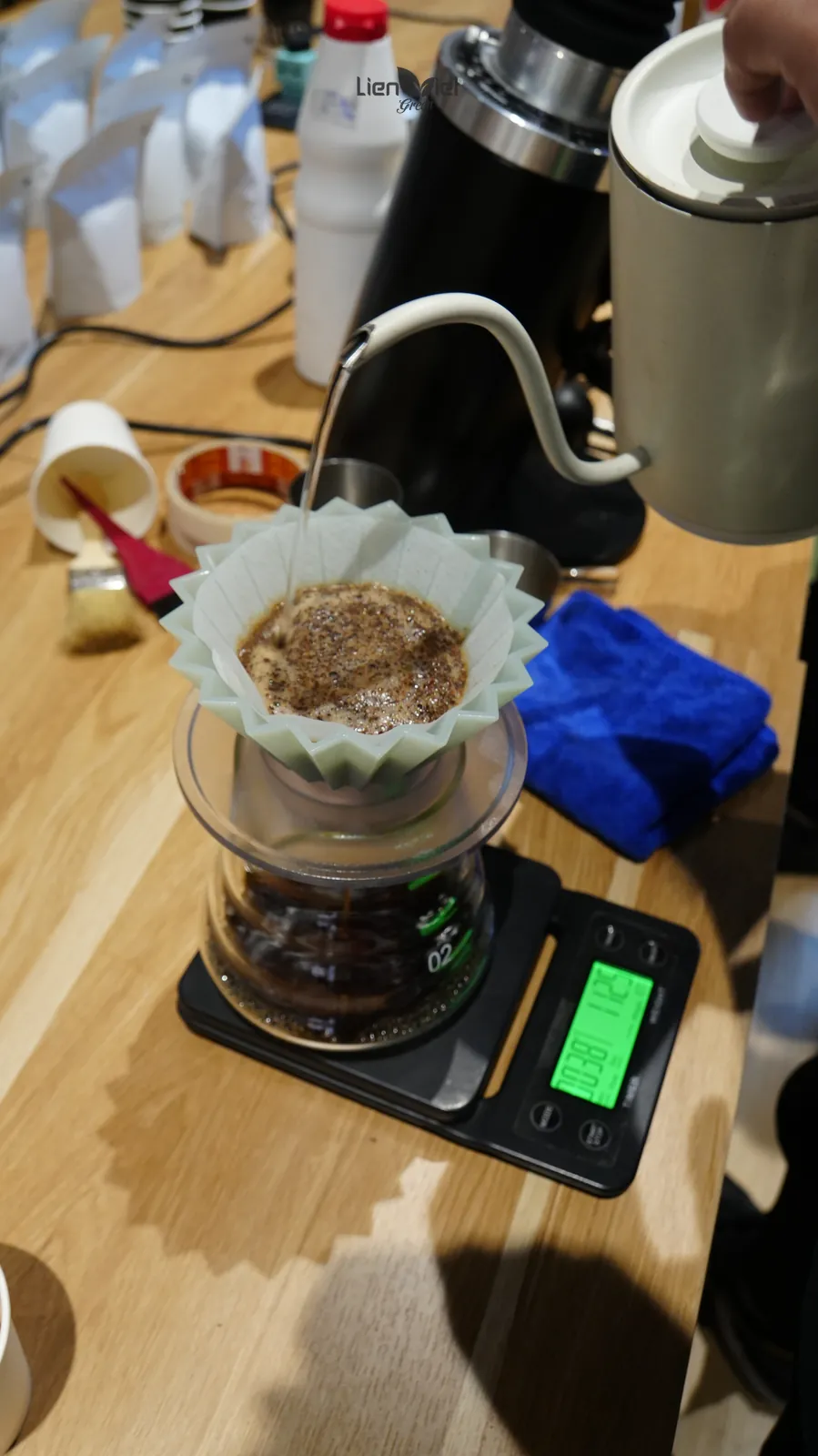
Strategic Framework: Selecting the Right Coffee for Your Cafe
Rather than simply asking “Arabica or Robusta?”, operators should evaluate menu architecture and target customer expectations.
| Concept | Direction |
|---|---|
| Espresso-focused menus | Beans with strong milk solubility, creamy mouthfeel, balanced sweetness |
| Traditional Vietnamese menus | Graded Robusta or Fine Robusta as the foundation |
| Hybrid menus | Dedicated roast profiles for espresso and phin, not one compromise blend |
| Before committing volume | Validate samples on store equipment under live service conditions |
Lien Viet Green: Custom Coffee Formulations for Commercial Scale
At Lien Viet Green, commercial coffee solutions extend beyond standard wholesale catalogs. We address the core B2B challenge: how will this product be extracted, and how can the brand guarantee identical cup quality as store count expands?
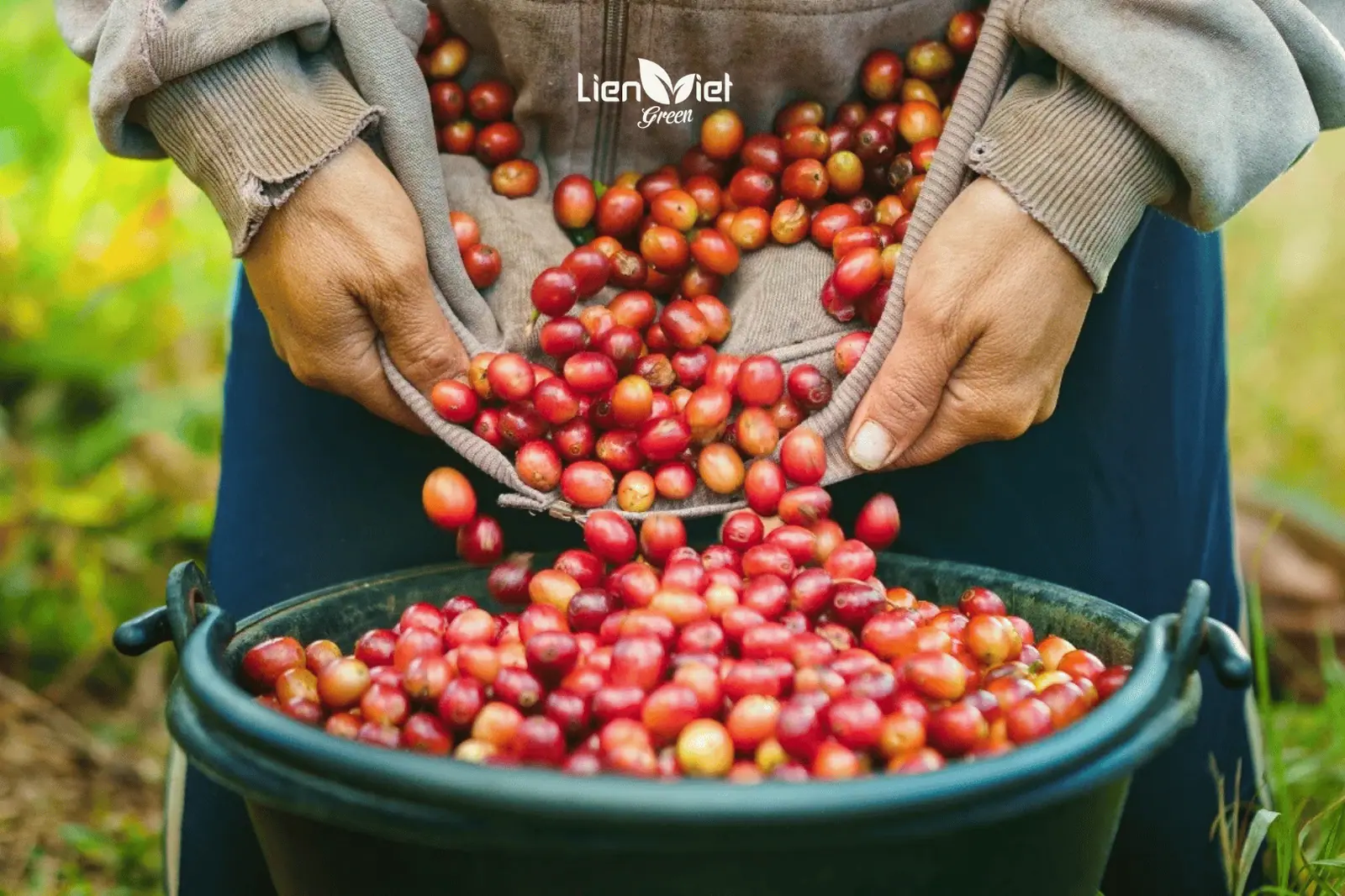
Lien Viet Green sources green coffee across Vietnam’s main coffee terroirs, including high-altitude Arabica from Lam Dong and Dien Bien, alongside Robusta and Fine Robusta from Gia Lai and Dak Lak. Our technical team provides green bean physical evaluation, sample roasting, standardized cupping, and bespoke profile engineering tailored to our clients’ extraction methods.
For commercial chains and OEM/ODM private labels, Lien Viet Green formulates proprietary blends, calibrating Arabica-Robusta ratios and roast degrees for espresso machines or Phin brewing. Our industrial Hot Air roasting technology, integrated with ISO 22000:2018 certified quality management, delivers batch-to-batch consistency that commercial chains depend upon to scale operations.
Conclusion: The Synergy of Bean, Roast Profile, and Extraction Method
No single coffee variety is objectively best for all brewing systems. Arabica provides aromatic complexity and refined acidity; Robusta delivers body, structural boldness, and crema persistence; Fine Robusta balances rich mouthfeel with clean flavor attributes; custom blends allow operators to engineer distinctive sensory profiles.
Achieving extraction excellence requires synchronizing green coffee grading, calibrated roast development, accurate grinding, and precise brew parameters. Lien Viet Green partners with roasters, F&B chains, and OEM/ODM brands to formulate custom coffee solutions aligned with real-world operational workflows, from green bean selection to scalable commercial production.
Espresso, phin, or both on the same bar?
Send us your menu and equipment. We will recommend origins, build a dedicated roast profile per brew method and ship samples for testing on your own machines.
Combining Arabica and Robusta into a house coffee is covered in our guide to building custom coffee blends.
For more on how the roast curve shapes extraction, read what a coffee roast profile is and how it keeps batches consistent.
See our roasting service for cafés and chains, or book a cupping at our Long Bien roastery to taste espresso and phin profiles side by side.
Sources: ISO 22000:2018 on the ISO website and Lien Viet Green roastery ISO 22000:2018 certificate.
Frequently asked questions
Should espresso use Arabica or Robusta?
There is no single formula for every café. Arabica suits espresso that leans toward aroma and acidity, Robusta builds body and supports crema, and Fine Robusta balances body with depth of flavor. Choose according to your menu and your customers.
Does phin coffee have to be dark-roasted Robusta?
No. Robusta suits the traditional phin style, but a modern phin can use Fine Robusta, Arabica or a blend for a better balance of body, sweetness and aroma. Roasting too dark also lets bitterness take over.
Can one coffee be used for both espresso and phin?
It can, but it should not be forced. Espresso uses pressure, a short contact time and a fine grind; phin uses gravity, a long contact time and a coarser grind. If your café serves both, build two separate roast profiles.
What is the right Arabica to Robusta blend ratio?
There is no fixed ratio. Starting points such as 70/30, 80/20 or 50/50 are only baselines. The final recipe should be confirmed through sample roasting, cupping and testing with your café’s actual brew method.
How should we test coffee samples?
Test each sample on the method you will actually use. Coffee intended for espresso must be tested on an espresso machine, and coffee for phin must be judged with your café’s real phin recipe.