Why Is Coffee Quality Inconsistent? 7 Core Causes Every Business Must Know
Seven root causes of coffee inconsistency across batches: raw material variation, moisture, roasting process, preheat gaps, missing data, storage, and QC systems. Practical solutions for cafés and F&B operators.
📌 Technical Key Highlights
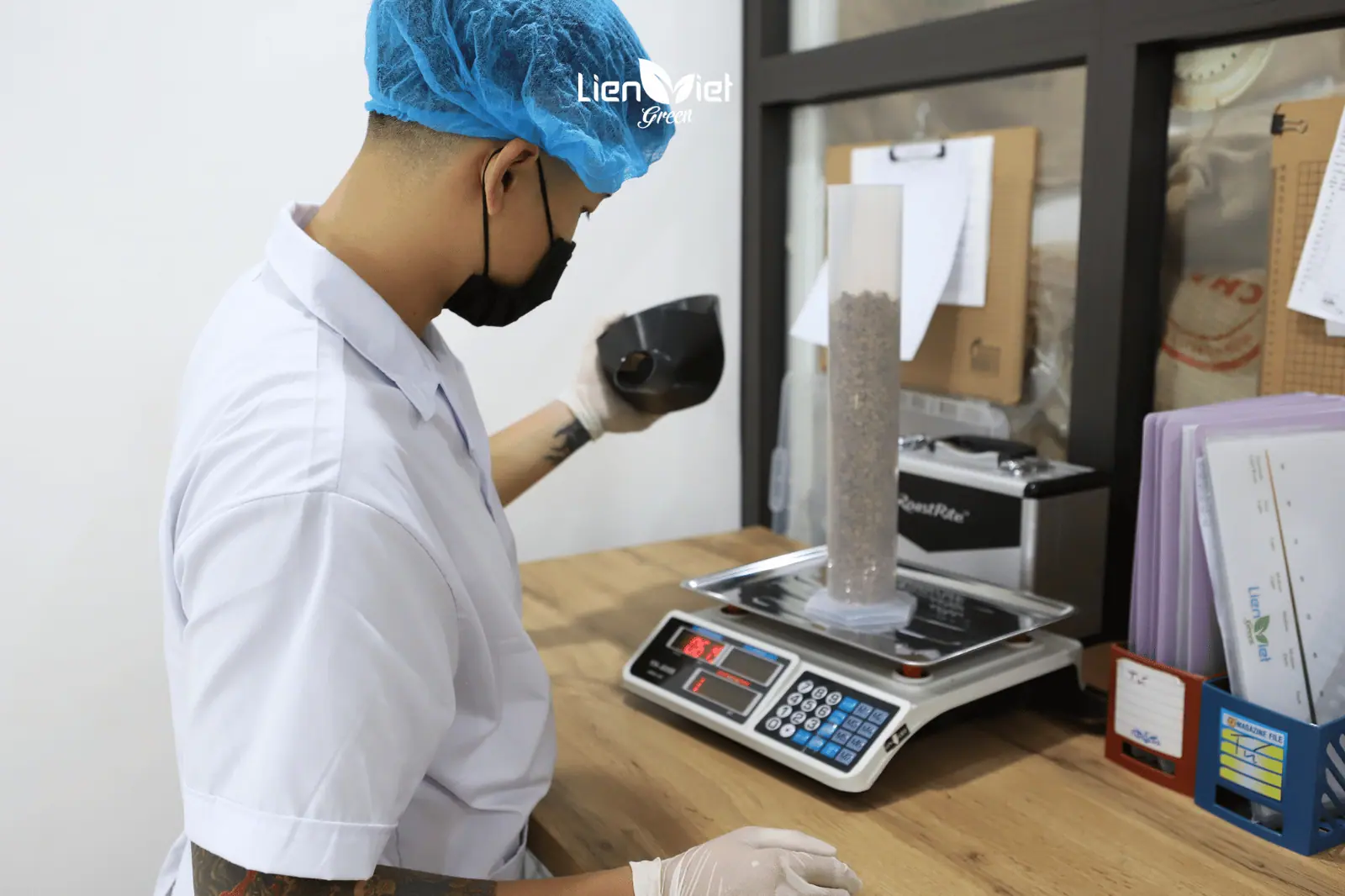
- Roastery Standard: Certified ISO 22000, evaluated by Q Grader panel.
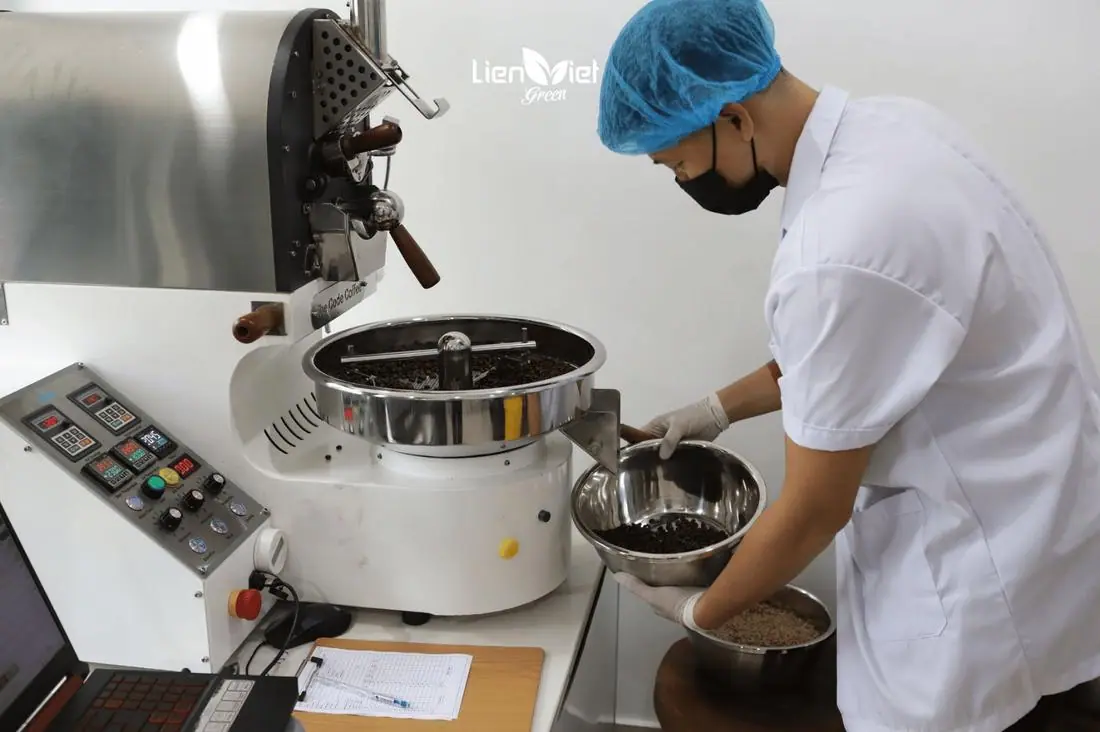
- Roasting Tech: 100% Hot Air fluid bed convection, precise thermal curve tracking.
- Batch Consistency: Strict Agtron spectrophotometer roast color and moisture control.
- Traceability: 100% transparent sourcing from Vietnamese coffee origins.
What is coffee consistency?
One of the most frustrating challenges for café operators is not attracting customers — it is maintaining the same cup quality every single day. One morning the espresso is balanced with a sweet finish and thick crema. Days later, using the same beans, same machine, same recipe, the shot turns sharp or flat.
Cup stability depends on the entire supply chain: origin, processing, roasting, storage, and brewing. Among these, raw material uniformity and roasting process control are the decisive factors.
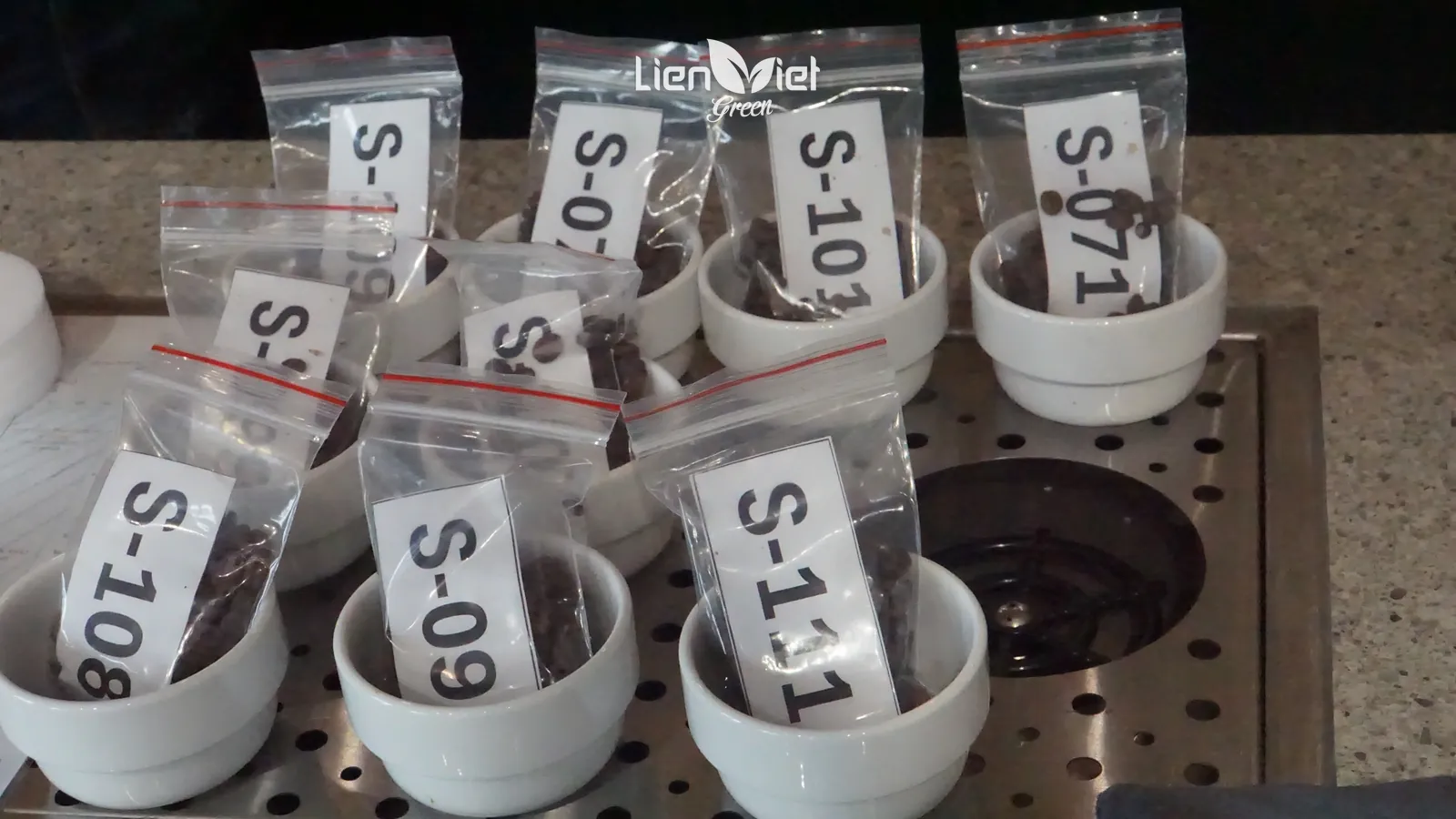
Consistency is the ability to reproduce the same flavor profile across different raw material lots and roasting batches. If a customer enjoys a cup with clear aroma, balanced sweetness, and a clean finish today, they should experience the same quality a week, a month, or a supply cycle later.
This is a critical standard for cafés, F&B chains, restaurants, and hotels. Customers remember not just a good cup — they remember the reliability of a brand.
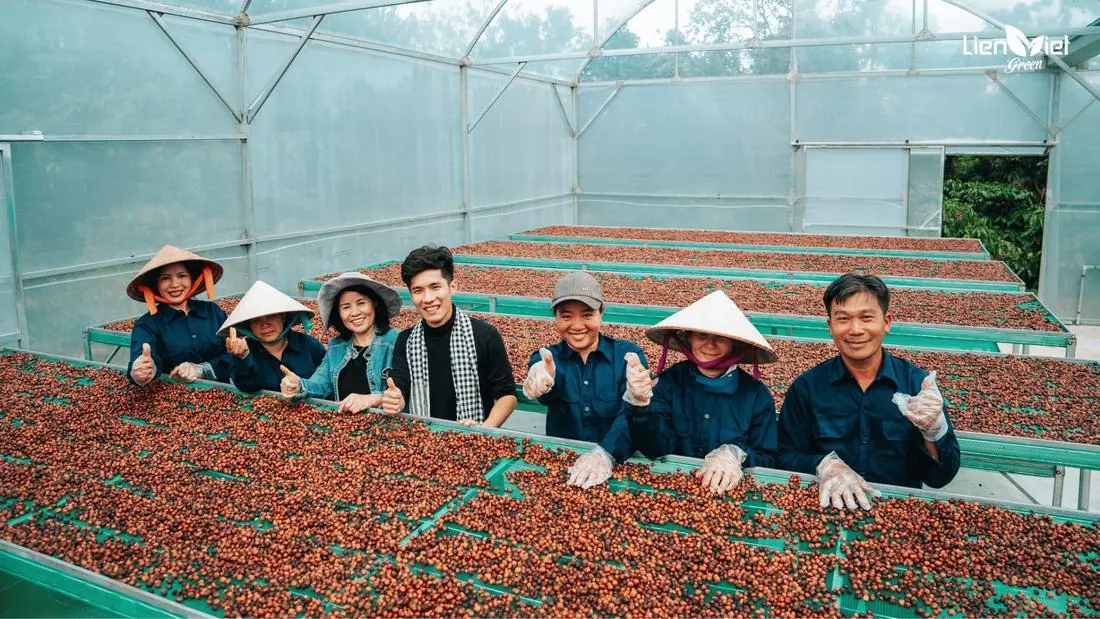
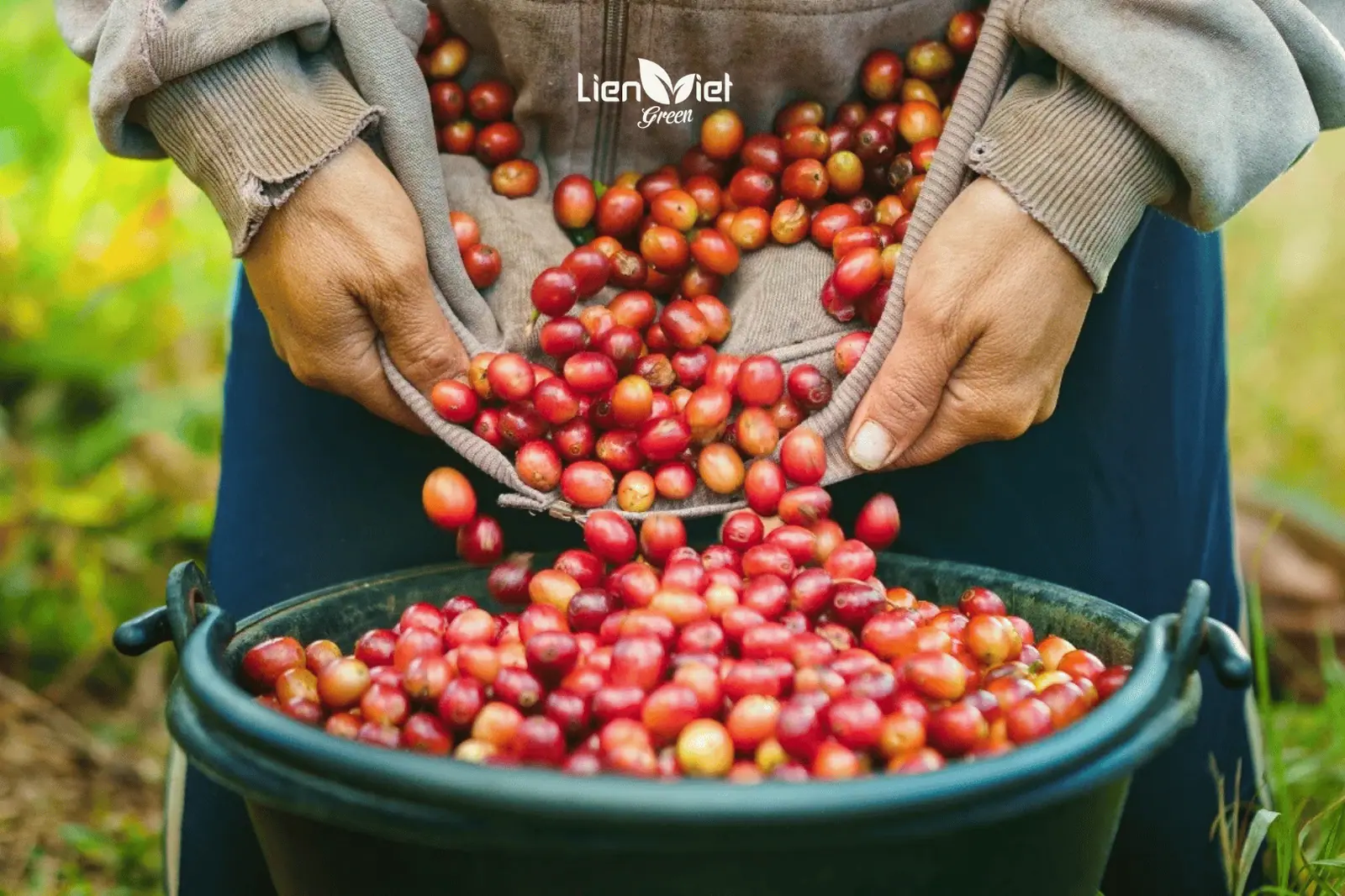
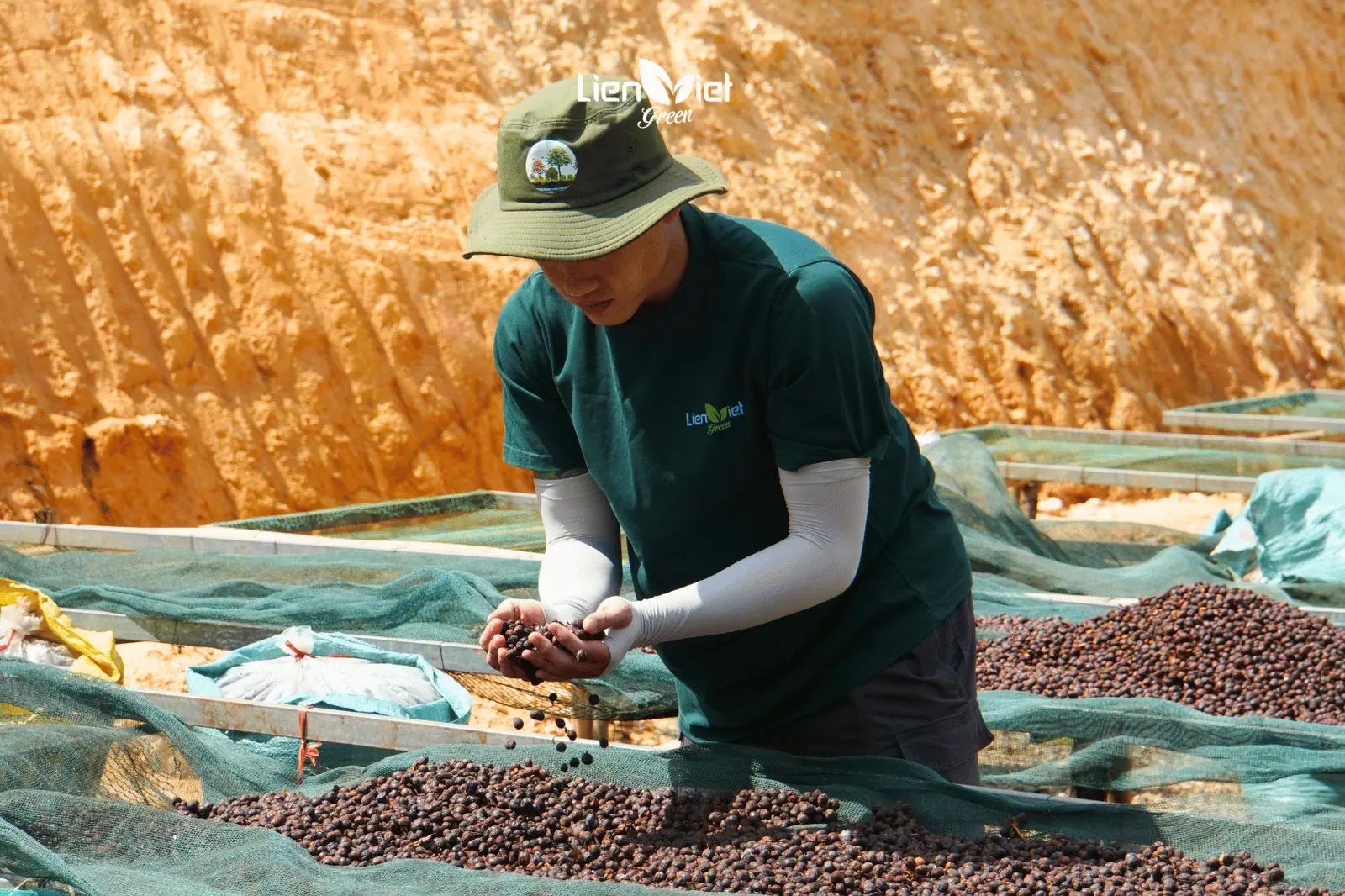
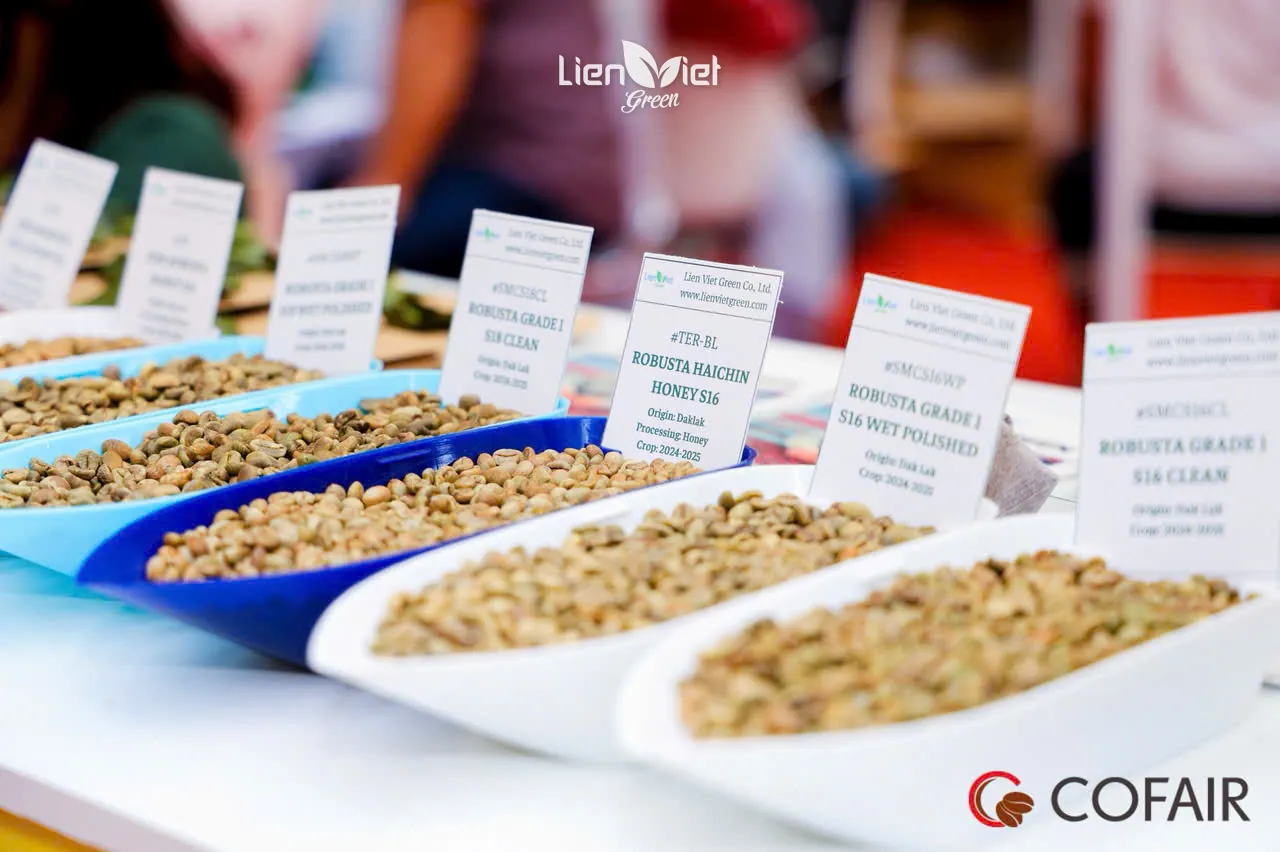
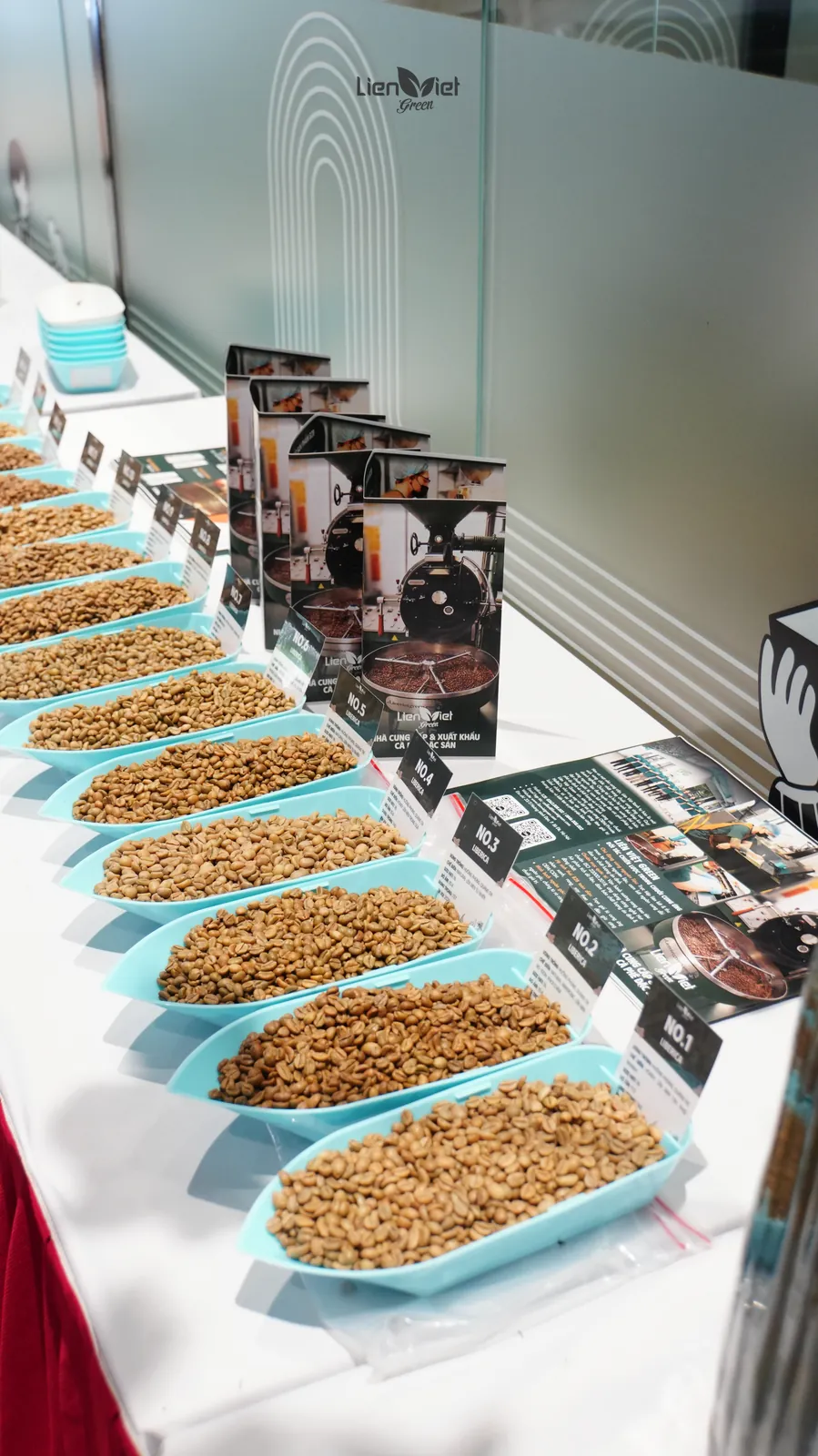
Bean quality is the foundation of finished product quality. Even within the same variety — Arabica or Fine Robusta — beans from different growing regions exhibit distinct sensory characteristics due to altitude, climate, soil composition, and farming practices.
7 root causes of coffee inconsistency
If a supplier switches origins between lots without notice, maintaining flavor stability becomes nearly impossible.
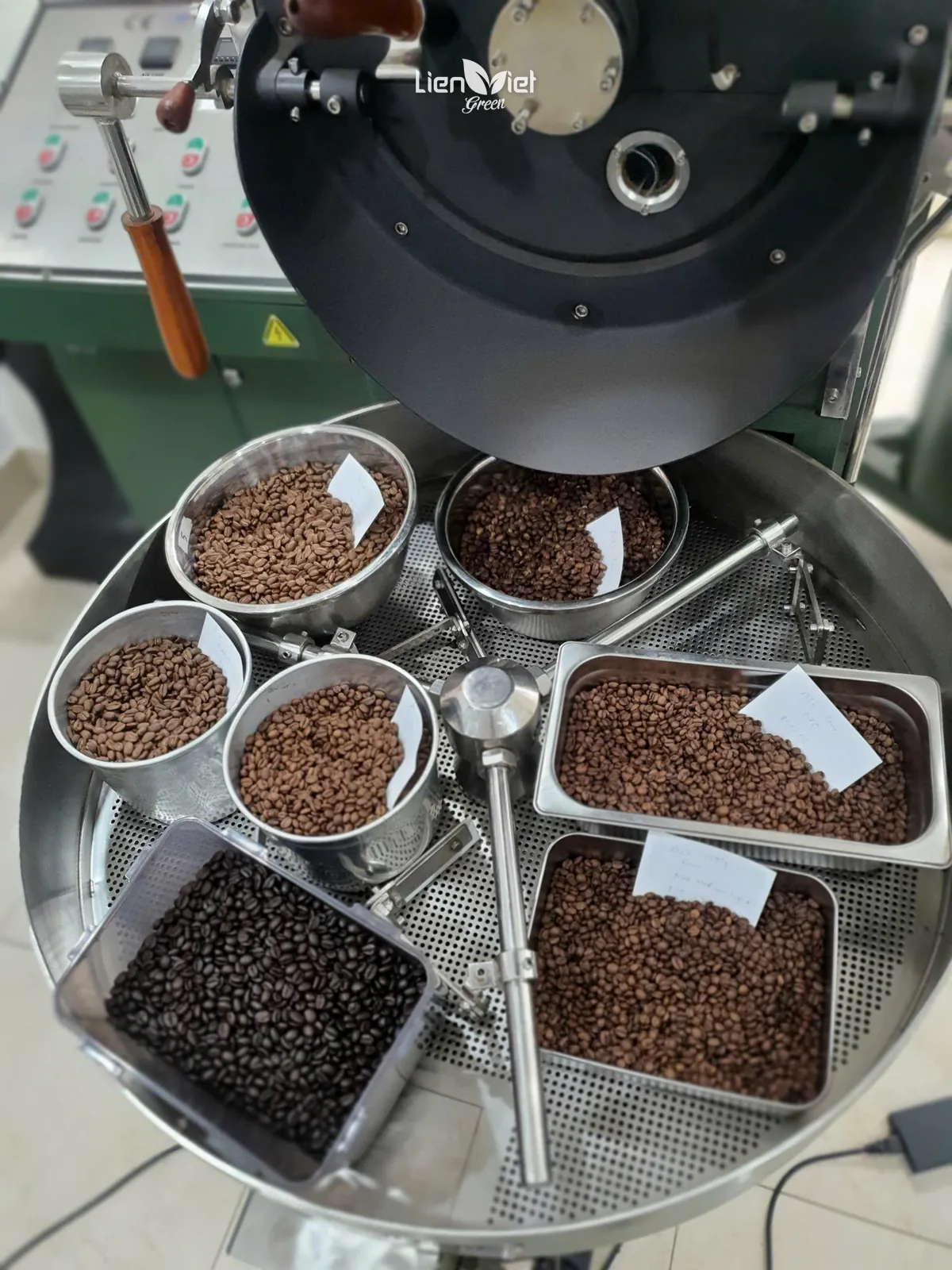
A Roast Profile is only a blueprint. What determines the final flavor is how that blueprint is reproduced under actual operating conditions. When energy transfer to the bean changes, Maillard, caramelization, and development reactions all shift accordingly.
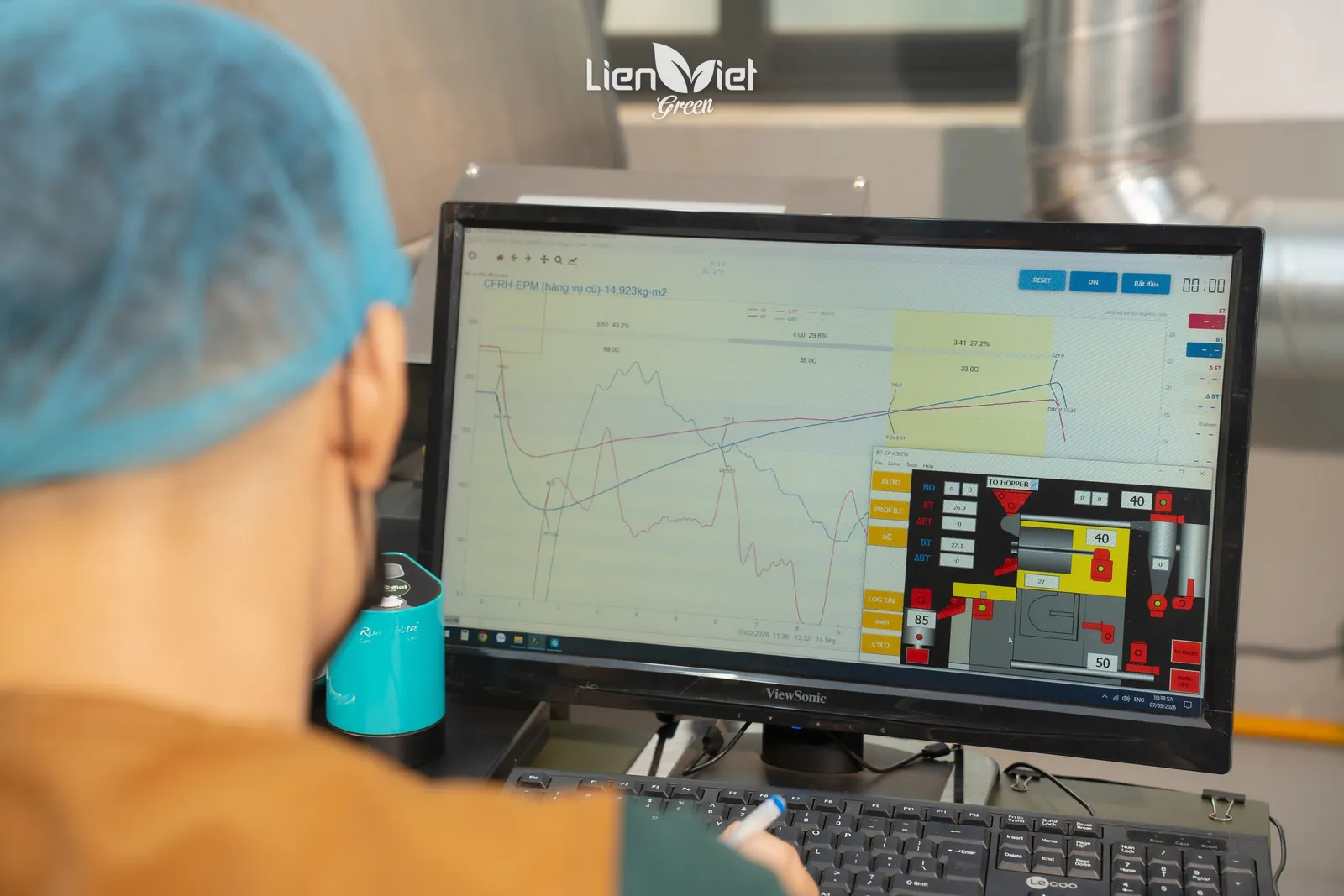
Each batch requires the machine to reach a specific preheat temperature. Low preheat → First Crack delays, altering the Maillard phase. Too-high preheat → the outer shell develops faster than the core, producing harshness. Inconsistent rest time between batches means each batch starts under different thermal conditions.
Professional roasters track and archive all these parameters. Data enables deviation detection and precise flavor replication. Roasting by feel without logging makes consistency virtually impossible.
After roasting, beans continue releasing CO₂ for days. Brewing too early → unstable extraction. Improper storage → rapid oxidation and flavor loss. Light, temperature, humidity, and oxygen all directly affect post-roast quality.
1. Unstable raw material sourcing
Stable sourcing, standardized roasting, complete data logging, and rigorous sensory QC before every shipment.
Standardized brew recipes, periodic equipment calibration, and proper storage following the roaster’s recommendations.
At Lien Viet Green, quality control runs end-to-end: from origin selection and green bean grading to data-monitored Hot Air roasting, sensory evaluation, and Agtron verification before every shipment.
Beyond supplying materials, Lien Viet Green consults on blend selection, recipe development, and OEM/ODM solutions tailored to each business model.
Share your volume requirements and business model — our team will recommend a tailored supply plan.
Technical Quality Standards Comparison Matrix
| Quality Metric | Conventional Standard | Lien Viet Green OEM Standard |
|---|---|---|
| Roasting Tech | Direct flame drum, minor smoke trace | 100% Hot Air fluid bed convection, uniform roast |
| Batch QC Control | Subjective visual checking | Agtron color meter + ISO moisture + ARTISAN logs |
| Packaging Format | Standard poly or paper bag | 4-layer foil laminate with 1-way degassing valve |
For what inconsistency costs a multi-outlet business, read why inconsistent coffee quality harms F&B chains.
You can also see the checks we run in practice in how Lien Viet Green controls quality in every roasting batch.
See how we keep supply consistent for multi-outlet brands on our coffee for cafés and chains page, or book a cupping at our Long Bien roastery to check batch-to-batch consistency yourself.
Sources: Coffee Quality Institute (CQI) Q Grader certification; ISO 22000:2018 on the ISO website and Lien Viet Green roastery ISO 22000:2018 certificate.
Frequently asked questions
Why does coffee taste different today with the same beans and the same machine?
Because consistency depends on the whole chain: raw material, processing, roasting, storage and brewing. A change of growing region, a different roaster preheat temperature or beans brewed too soon after roasting can all shift the flavor.
What does coffee consistency mean?
It is the ability to reproduce the same flavor across different raw material lots and roasting batches. A customer who drinks your coffee today should find the same aroma, sweetness and finish next time, and that is what keeps them coming back.
How does roaster preheat temperature affect flavor?
A low preheat delays first crack and shifts the Maillard phase. A preheat that is too high develops the outside of the bean faster than the core, which makes the cup harsh. Uneven rest time between batches also means each batch starts differently.
What can a café do to keep its coffee consistent?
Choose a roaster with stable sourcing that logs its roast data. In the café, standardize brew recipes, calibrate equipment regularly and store coffee as the roaster recommends.
Partner with ISO 22000 Certified OEM Coffee Roaster
Lien Viet Green supports hotel chains, F&B franchises, and commercial brands with custom roast profiles and supply reliability.