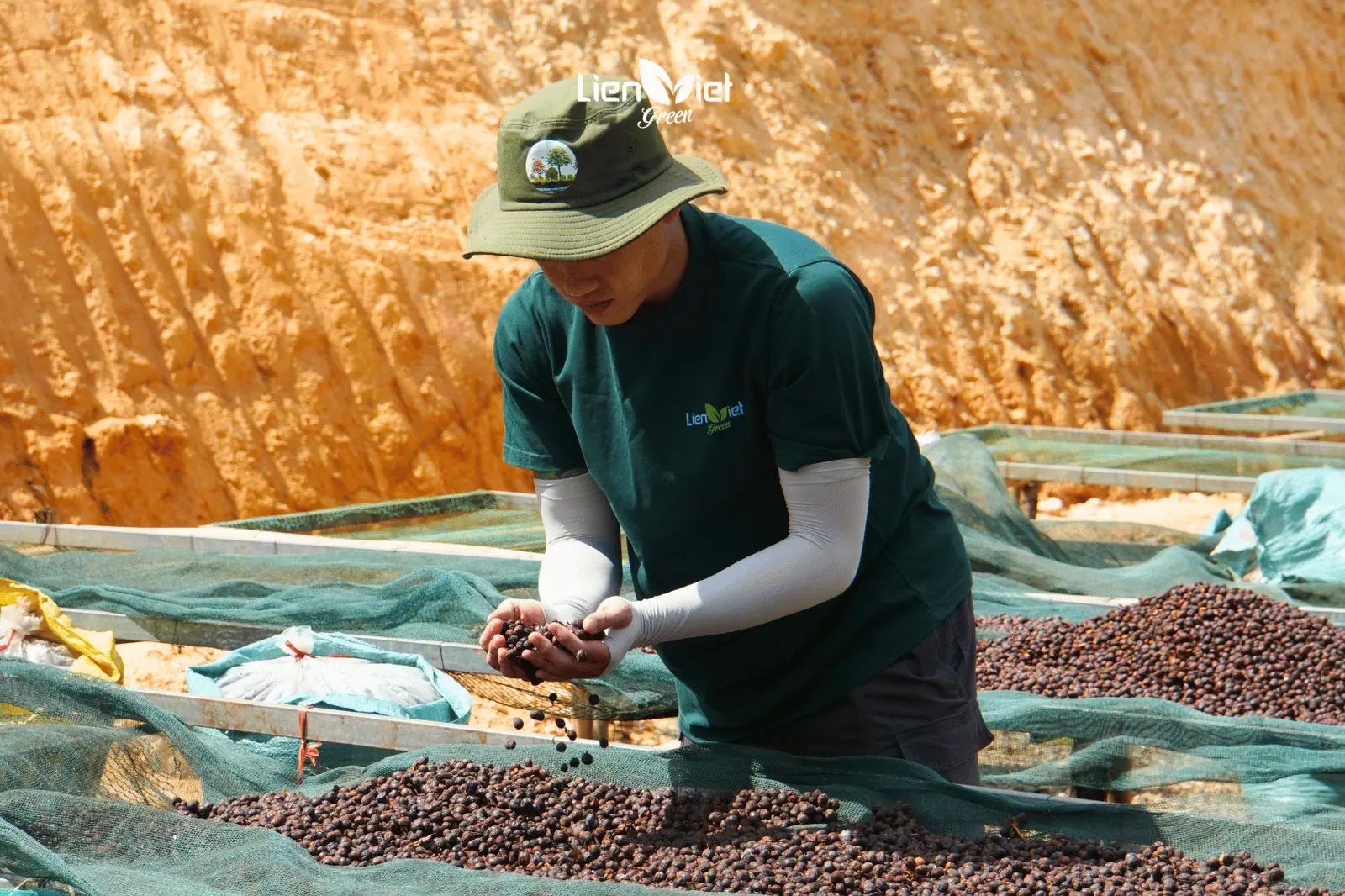
Post-harvest processing methods fundamentally shape the chemical composition, cup score, and sensory profile of green coffee beans. Explore the comparative differences among Natural, Washed, Honey, and Anaerobic processing methods with Lien Viet Green.
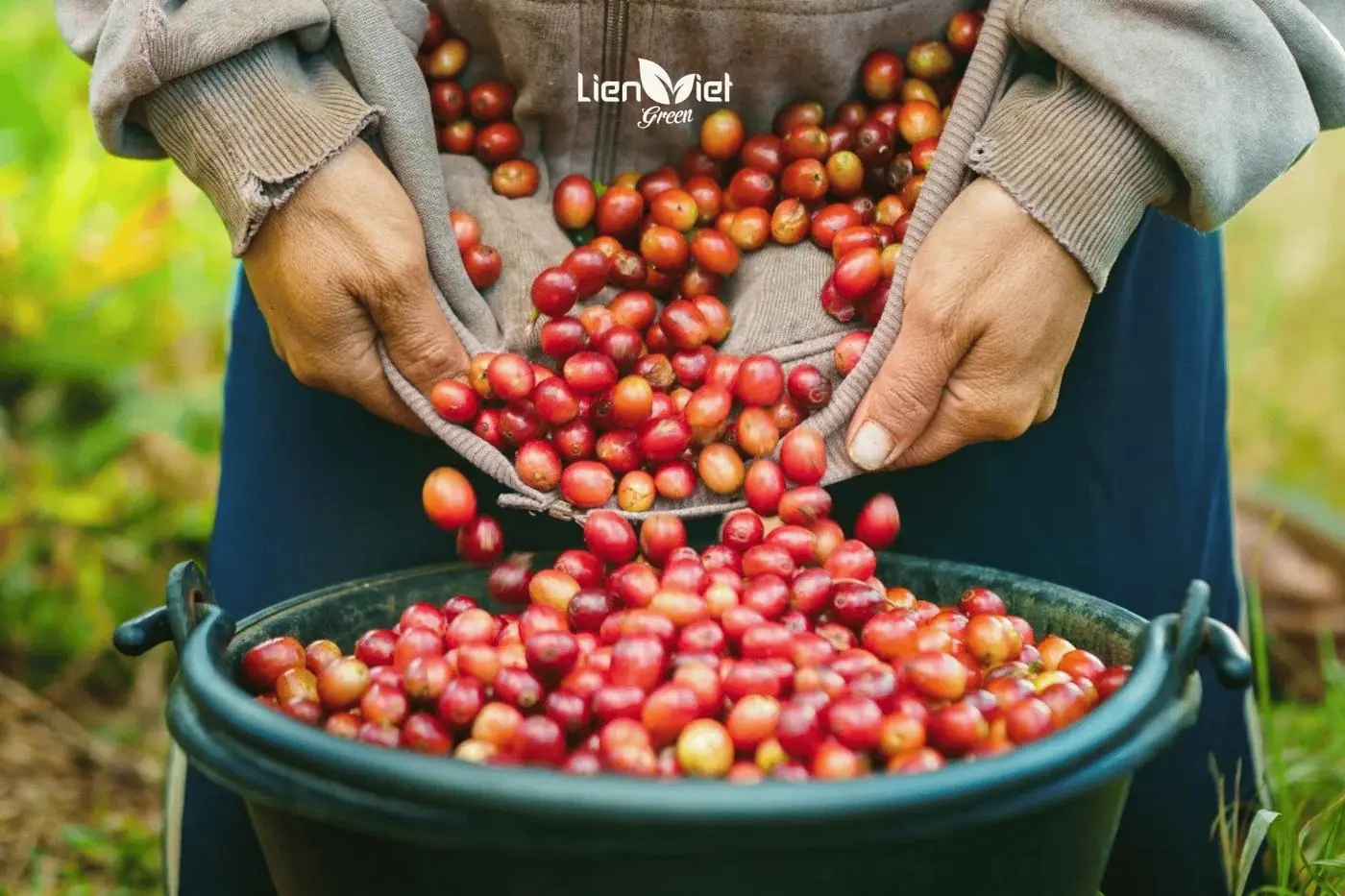
When evaluating coffee quality, industry professionals often emphasize cultivar genetics, elevation, terroir, and roasting profiles. Yet before green beans ever enter a roasting drum, an equally critical phase determines their sensory expression: post-harvest processing.
In specialty coffee, processing is far more than separating the botanical seed from its surrounding fruit pulp. It is a precise biochemical process governing fermentation kinetics, moisture migration, and cellular structure. These biochemical dynamics establish the fundamental balance of sweetness, organic acidity, body (mouthfeel), aroma, and clean finish in the roasted cup.
The same harvest of Arabica or Fine Robusta, divided and processed through different methods, will produce starkly different cup profiles. Consequently, commercial roasters, hospitality brands, and private label developers carefully analyze post-harvest processing methods when sourcing raw materials.
What is Post-Harvest Coffee Processing?
Post-harvest coffee processing refers to the sequence of operations applied immediately after harvesting ripe coffee cherries to extract green coffee seeds, manage biochemical fermentation, and dry the beans down to an export-stable moisture content of 10.0% to 12.0%.
The operational objective of processing is twofold: first, to stabilize the seed against biological spoilage for long-term storage and export; second, to cultivate and preserve desirable aromatic precursors. When executed with precision, processing enhances the cultivar’s natural terroir characteristics. Conversely, deficient processing introduces defects such as over-fermentation, mold, phenolic taints, or sour off-flavors.
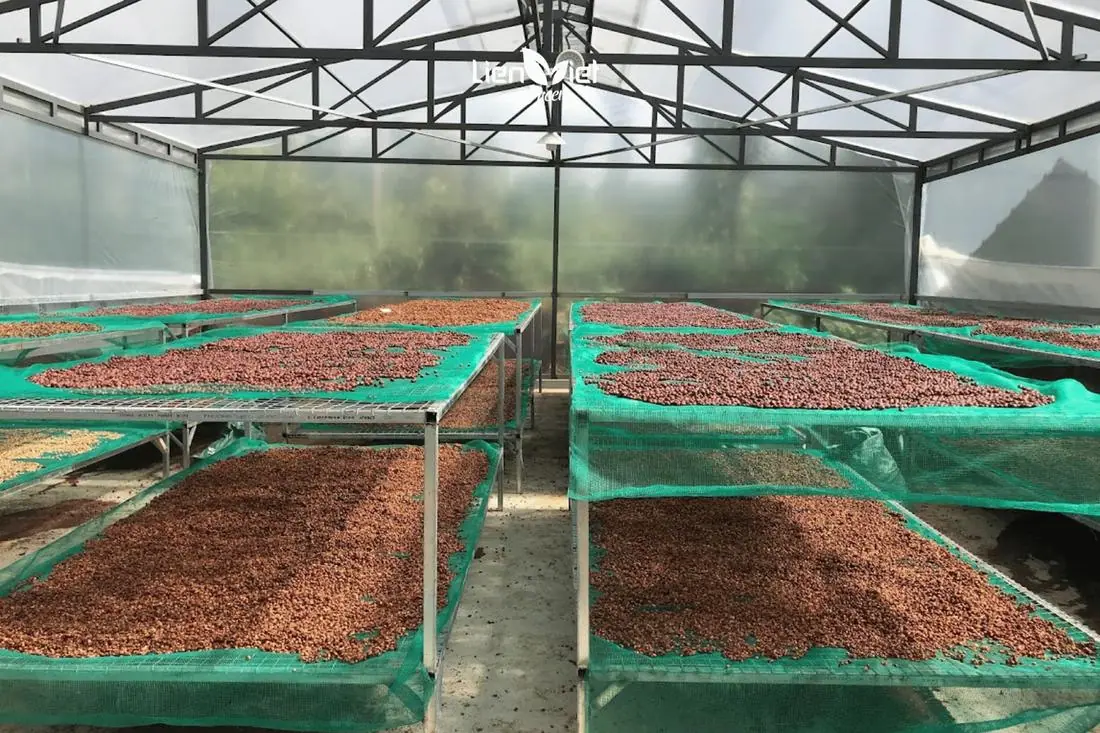
In modern specialty agriculture, processing has transformed into a scientific discipline. Many producers utilize controlled fermentation tanks, digital temperature probes, Brix refractometers, and pH meters to achieve predictable, high-value flavor profiles.
Why Processing Methods Dictate Cup Flavor
Freshly harvested coffee cherries consist of outer skin (exocarp), sweet fruit pulp (mesocarp), sticky pectin mucilage, parchment shell (endocarp), and silver skin (integument) protecting the seed. The pulp and mucilage are loaded with natural sugars (glucose, fructose, sucrose) and organic acids.
Each processing method determines how much pulp and mucilage remain in contact with the seed during fermentation and drying. This degree of contact dictates microbial activity, metabolic pathways, and the diffusion of flavor precursor compounds into the bean:
- SweetnessGreater mucilage retention during drying increases perceived cup sweetness.
- AcidityFermentation method and washing protocols govern whether acidity presents as crisp and citric, or soft and lactic.
- Body (mouthfeel)Retained soluble solids and lipids enhance tactile viscosity, producing heavier body.
- Aroma profileVolatile compounds generated during fermentation produce diverse notes spanning floral, citrus, stone fruit, caramel, and chocolate.
- AftertasteUniform, defect-free processing yields a clean, sweet, and lingering finish.
The Four Primary Post-Harvest Processing Methods
1. Natural Process (Dry Processing)
The Natural process is coffee’s oldest processing method, widely utilized in regions with dry harvest seasons such as Ethiopia, Brazil, and parts of Vietnam.
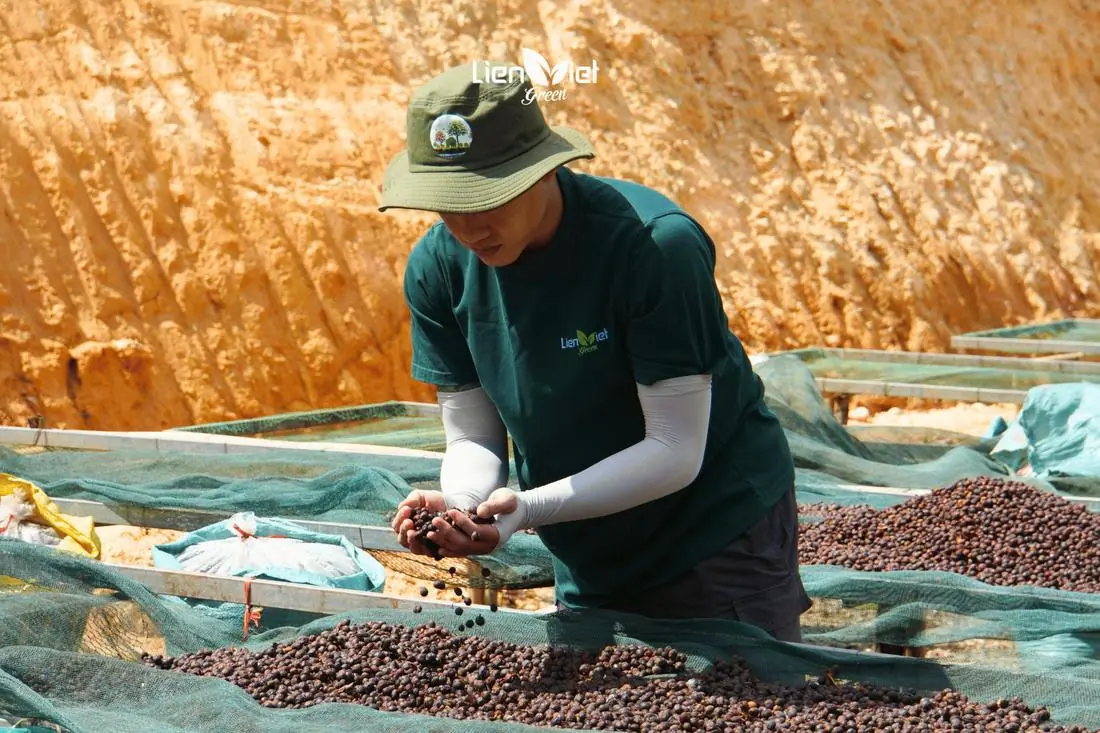
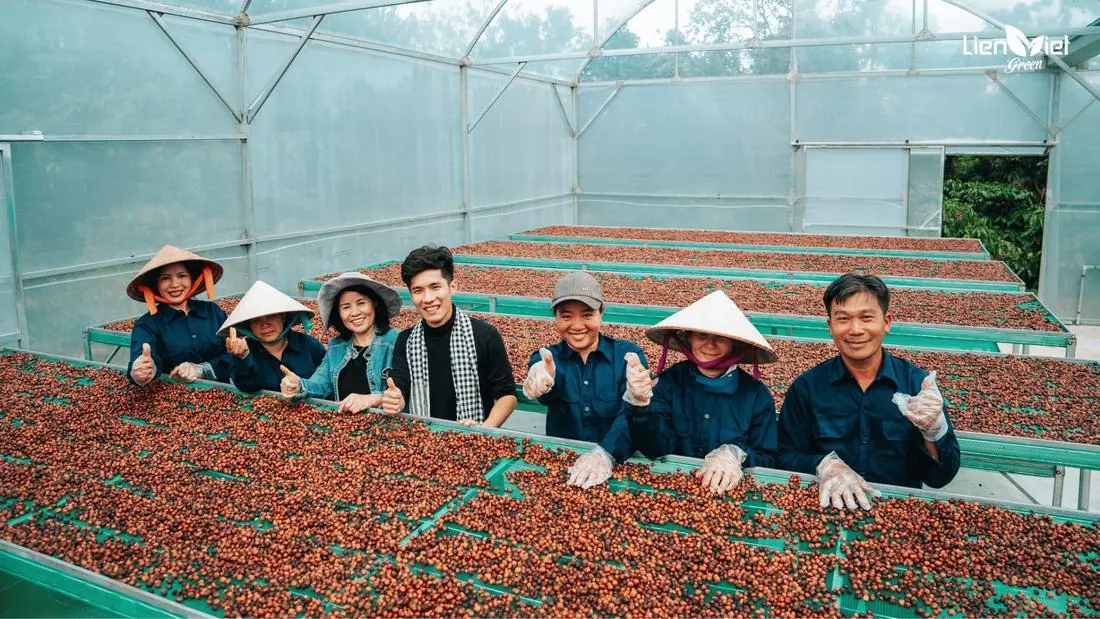
Ripe coffee cherries are sorted to remove defects and spread directly onto patios or raised African drying beds as whole fruit. The skin and fruit flesh remain intact throughout the multi-week drying phase. Cherries are raked continuously throughout each day to maintain uniform airflow and prevent fungal spoilage. Once moisture reaches 10%–12%, the dried husk is removed using mechanical hulling equipment.
Sensory profileSustained contact with fermenting fruit pulp infuses the seed with natural sugars and aromatic esters. Natural coffees typically display:
Commercial advantages
Maximizes natural sweetness and body without requiring extensive wet-mill water infrastructure.
Operational challenges
Highly vulnerable to adverse weather. High humidity or inadequate turning leads to mold, uneven drying, and over-fermentation defects.
2. Washed Process (Wet Processing)
The Washed process is renowned for highlighting the pristine origin character, botanical cultivar, and terroir of coffee.
Processing protocolWithin hours of picking, ripe cherries pass through mechanical depulpers that strip away the outer skin and fruit flesh. The parchment seeds, still coated in sticky mucilage, enter fermentation water tanks for 12 to 48 hours, where natural enzymes and bacteria degrade the mucilage. The seeds are then washed thoroughly with clean water through washing channels until completely clean before being dried on patios or mechanical dryers down to 10%–12% moisture.
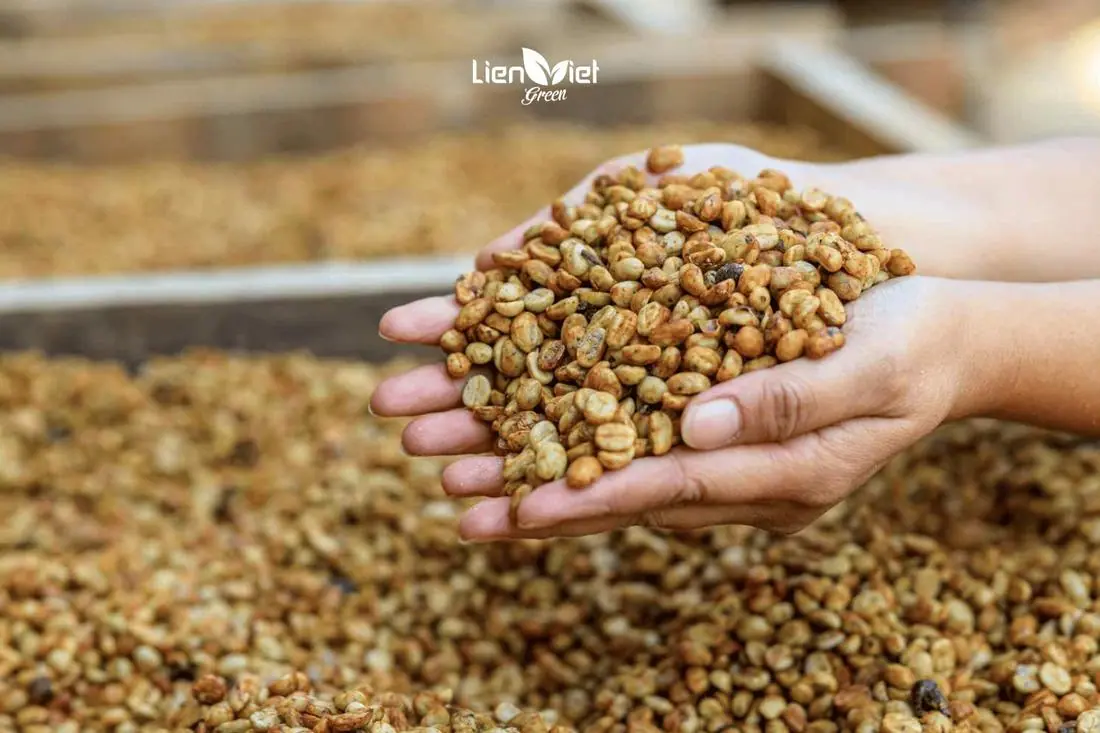
Removing all fruit flesh prior to drying eliminates external sugar absorption, allowing intrinsic bean flavors to shine with exceptional purity.
Commercial advantages
Exceptional consistency, high commercial predictability, and high appeal for specialty filter brewing.
Operational challenges
Demands substantial clean water consumption and requires dedicated wastewater treatment facilities.
3. Honey Process (Pulped Natural)
Developed extensively in Costa Rica and widely adopted in Vietnamese specialty regions, the Honey process bridges the gap between Natural and Washed processing. Despite its name, no bee honey is used; the term derives from the amber, sticky mucilage layer retained during drying.
Processing protocolCherries are mechanically depulped to remove the outer skin, but the sticky mucilage layer is intentionally left intact around the parchment. The beans are immediately transferred to raised drying beds without undergoing water tank washing. Based on the percentage of retained mucilage and drying shade, the process is categorized into:
- White Honey~10%–20% mucilage retained; dried under full sun; closest to Washed profile.
- Yellow Honey~20%–50% mucilage retained; semi-shaded drying; bright with pleasant sweetness.
- Red Honey~50%–80% mucilage retained; shaded drying; rich body and stone fruit sweetness.
- Black Honey~80%–100% mucilage retained; slow shaded drying; intense sweetness, heavy body, and jammy fruit notes.
Harmonizes the sweetness of a Natural with the clarity of a Washed coffee:
4. Anaerobic Process (Oxygen-Depleted Fermentation)
Anaerobic processing represents modern precision bioprocessing in the specialty coffee sector, controlling fermentation within an oxygen-deprived environment to generate rare and exotic aromatic profiles.
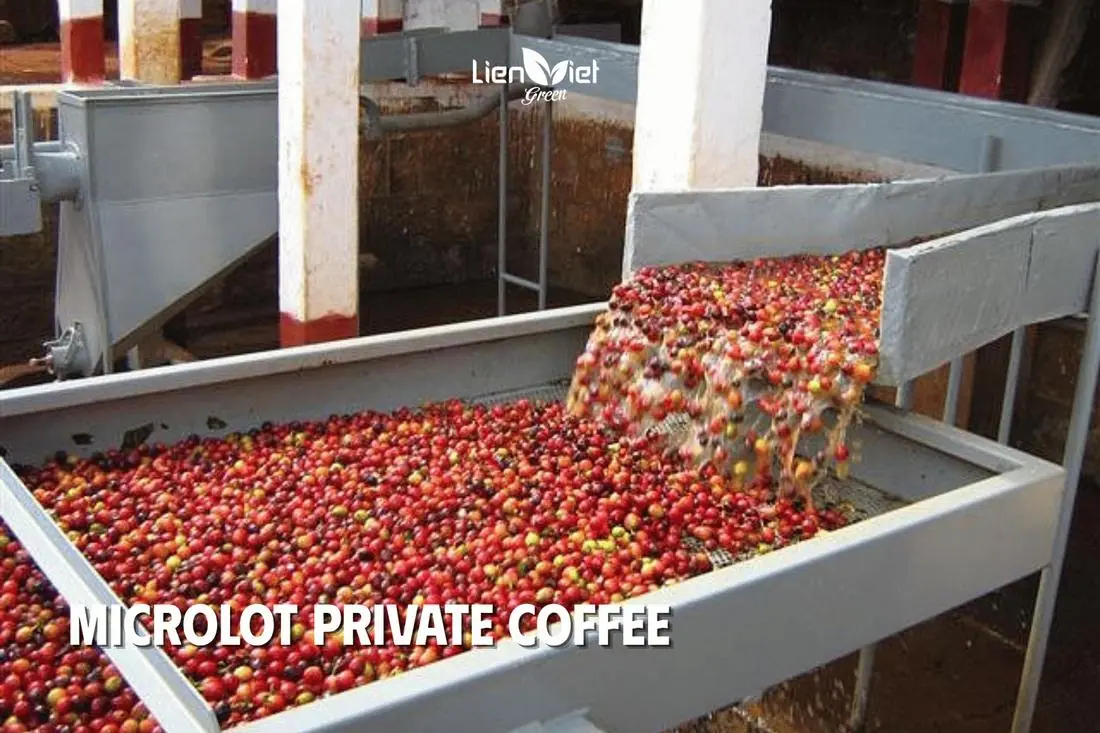
Whole cherries or depulped parchment are sealed in airtight, food-grade stainless steel or polyethylene tanks equipped with one-way release valves. As carbon dioxide (CO₂) builds up, oxygen is vented out. Producers continuously monitor and log temperature, pH, pressure, and duration (spanning 48 to 120+ hours). After fermentation completes, the beans are dried under controlled conditions.
Precise anaerobic pathways yield complex, intense sensory characteristics:
Comprehensive Processing Comparison Matrix
| Attribute | Natural | Washed | Honey | Anaerobic |
|---|---|---|---|---|
| Sweetness | ★★★★★ | ★★★ | ★★★★ | ★★★★★ |
| Acidity brightness | ★★★ | ★★★★★ | ★★★★ | ★★★★ |
| Body and viscosity | ★★★★★ | ★★★ | ★★★★ | ★★★★★ |
| Cup clarity | ★★★ | ★★★★★ | ★★★★ | ★★★★ |
| Fruit intensity | ★★★★★ | ★★★ | ★★★★ | ★★★★★ |
| Flavor complexity | ★★★ | ★★★ | ★★★★ | ★★★★★ |
| Control required | Moderate | High | High | Very high |
“No single processing method is universally superior; each serves specific commercial requirements, roasting profiles, and beverage formats.”Lien Viet Green
Selecting the Optimal Processing Method by Commercial Application
| Application | Best-suited process | Why |
|---|---|---|
| Espresso | Natural and Honey | Crema, rich body, sweetness that cuts through steamed milk |
| Pour over and filter | Washed; Honey for balanced sweetness | Origin clarity, floral aromas, structured acidity |
| Cold brew | Natural and Honey | High natural sweetness, fruit aromatics, minimal astringency |
| Commercial B2B blends | Washed + Natural or Honey | Predictable balance and consistent cost management |
For Espresso Applications
Espresso requires substantial crema, rich tactile body, and low-to-moderate perceived bitterness. Natural and Honey processed coffees are ideal components, contributing natural sweetness and syrup-like viscosity that cut through steamed milk.
For Pour Over and Filter Brewing
Filter brewing emphasizes origin clarity, delicate floral aromas, and structured acidity. Washed coffees are a common choice, allowing nuanced cultivar and terroir characteristics to emerge. Honey lots also perform exceptionally well for customers seeking filter coffee with balanced sweetness.
For Cold Brew Formulations
Cold brew involves prolonged extraction, where high natural sweetness and fruit aromatics shine. Natural and Honey coffees yield smooth, refreshing cold brew beverages with minimal astringency and intense berry or chocolate undertones.
For Commercial B2B Blends
Commercial coffee chains require predictable flavor balance and consistent cost management. Formulating a blend that combines Washed lots (for acidity and clarity) with Natural or Honey lots (for body, crema, and sweetness) provides an optimal, repeatable foundation for large-scale retail.
Lien Viet Green – Strategic Coffee Processing and Supply Excellence
For roasters, F&B enterprises, and private label brands, quality coffee begins with disciplined origin processing. A properly processed green coffee lot empowers roasters to unlock its maximum potential with absolute confidence.
Operating as an integrated producer, roaster, and exporter, Lien Viet Green manages a closed-loop supply chain connecting Vietnamese cultivation regions to finished products:
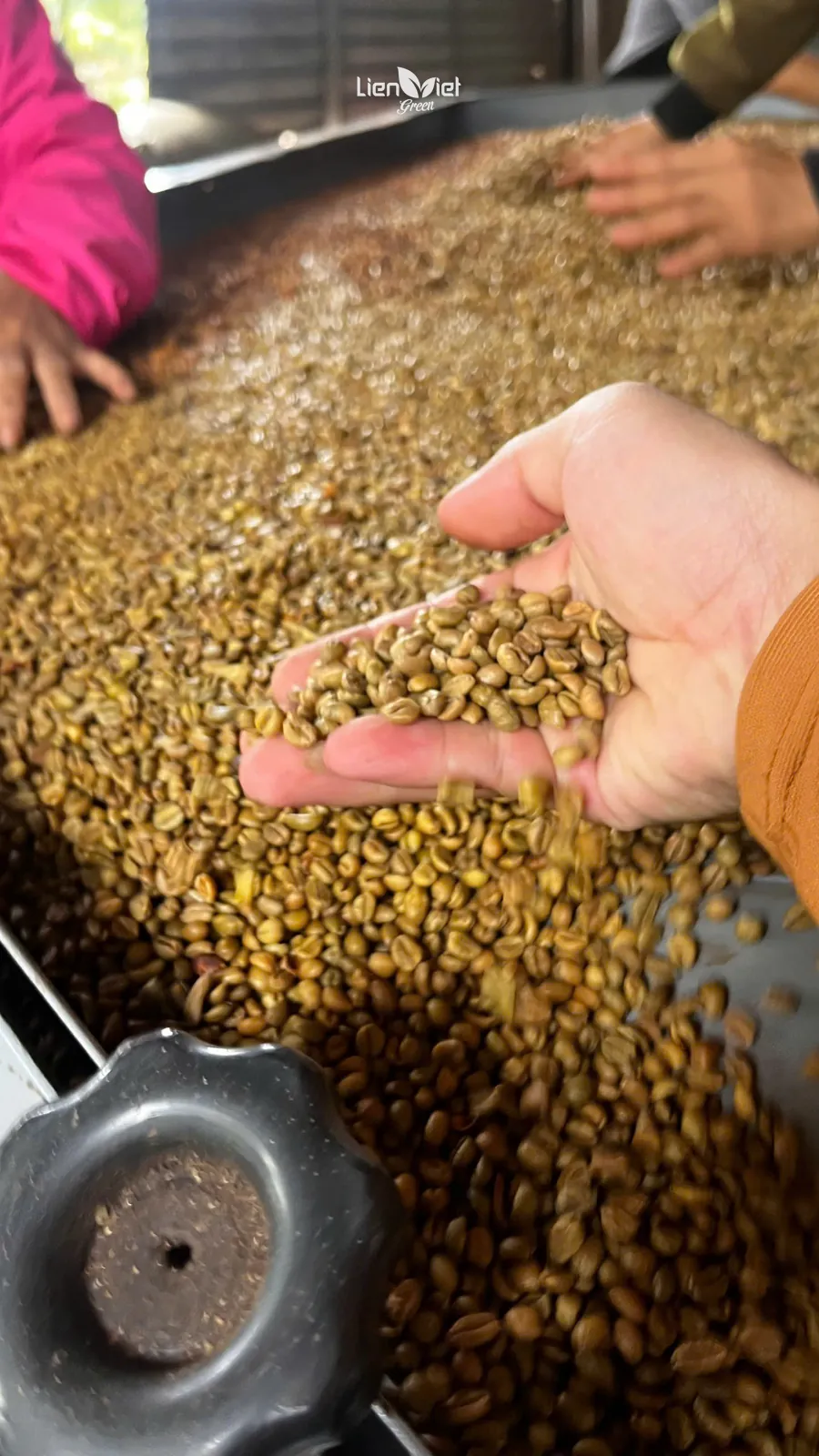
Direct Sourcing Across Renowned Terroirs
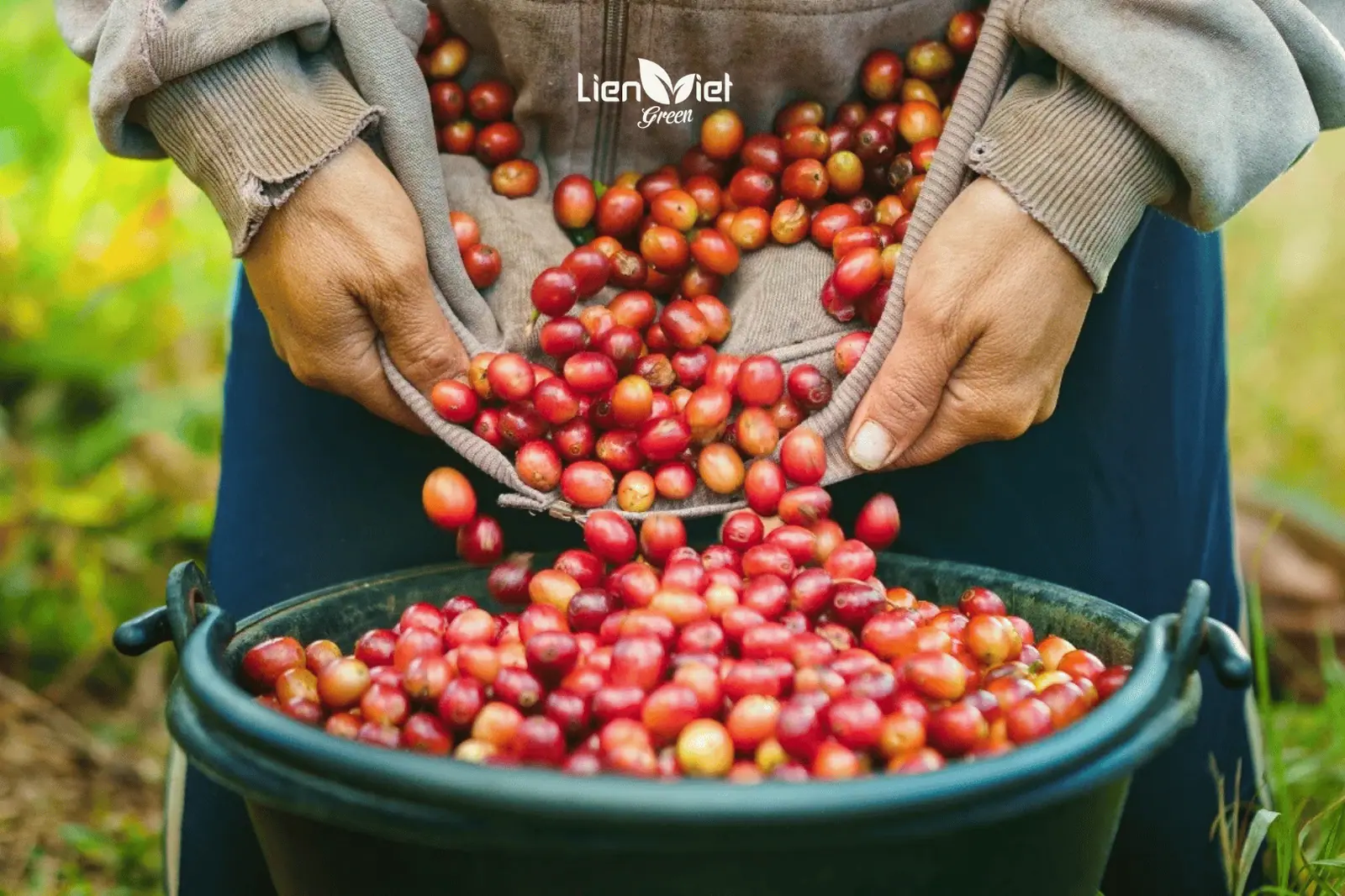
We partner with farm cooperatives cultivating Arabica, Fine Robusta, and Liberica across Vietnam’s prime coffee regions. Strict harvest standards ensure optimal cherry ripeness, minimizing unripe or damaged fruit before processing begins.
Multi-Stage Quality Verification
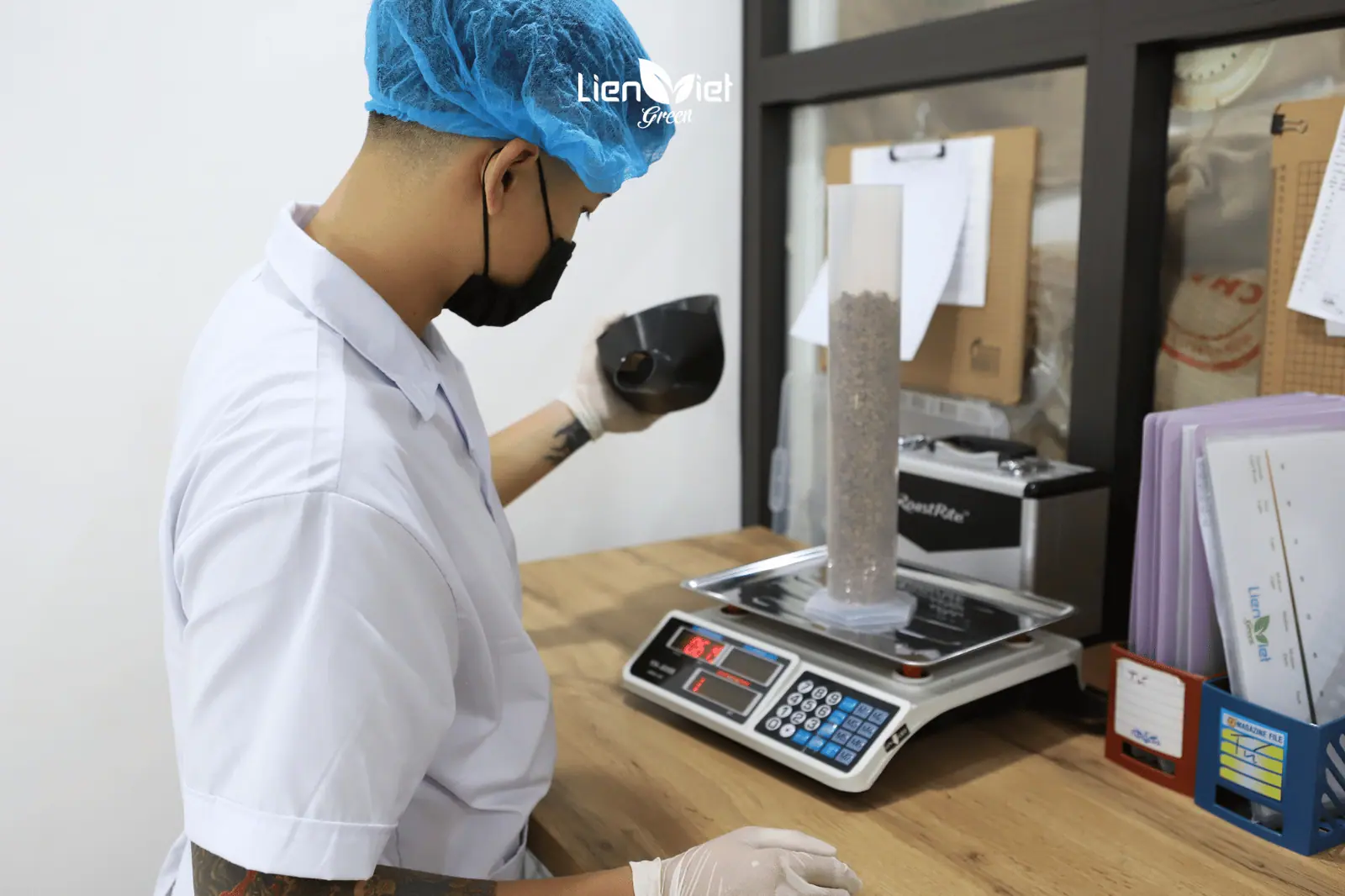
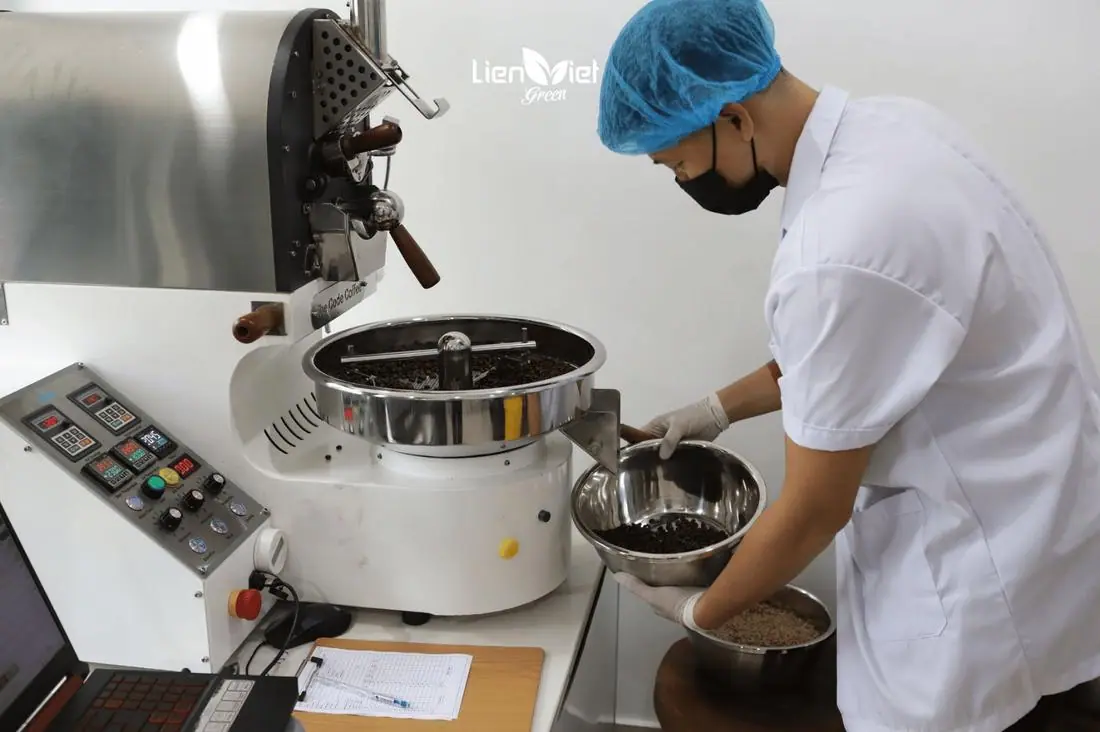
Every processed lot is tested against rigorous physical and sensory benchmarks:
This strict intake screening guarantees uniform lot performance during commercial roasting.
Tailored B2B Solutions
Lien Viet Green collaborates with clients to determine the ideal processing method for their targeted beverage programs. Beyond supplying green beans, we offer custom roast profile design, OEM/ODM private labeling, and ISO 22000:2018 certified packaging services.
Conclusion
Post-harvest processing is the definitive bridge between agricultural cultivation and roasting excellence. Whether choosing the deep sweetness of a Natural, the sparkling clarity of a Washed, the harmony of a Honey, or the exotic complexity of an Anaerobic lot, understanding processing dynamics empowers coffee businesses to craft standout products that thrive in competitive markets.
Contact Lien Viet Green to consult with our coffee specialists, order seasonal samples, and secure high-grade Vietnamese green and roasted coffee tailored to your business needs.
Need green coffee processed the right way for your program?
Tell us whether you brew espresso, filter, cold brew or build blends. Our specialists will recommend terroirs and processing methods and ship seasonal green samples.
For a closer look at one of the newer methods, read what natural anaerobic processing is in specialty coffee.
Processing is one of several factors covered in what determines green coffee bean quality.
If you are building an espresso, filter or cold brew menu, see how we supply cafés and F&B chains, or book a cupping at our Long Bien roastery to compare processing styles in the cup.
Sources: Specialty Coffee Association (SCA) coffee standards; ISO 22000:2018 on the ISO website and Lien Viet Green roastery ISO 22000:2018 certificate.
Frequently asked questions
What does post-harvest coffee processing involve?
Processing is how coffee cherries are handled right after harvest to extract the green seed. It also controls fermentation and dries the beans to a moisture content of about 10–12%. Done well, it preserves the character of the variety and the growing region.
How do Natural and Washed coffees differ in flavor?
Natural coffee is dried as whole cherries, so it tends to be sweet with heavy body and ripe fruit notes. Washed coffee has the fruit removed early and is washed clean, giving a clean cup, bright acidity, lighter body and clear regional character.
Is honey used in the Honey process?
No. The name comes from the sticky, amber mucilage left on the beans during drying, which looks like honey. The Honey process balances the sweetness of a Natural with the clarity of a Washed coffee.
Which processing method suits espresso?
Espresso usually suits Natural or Honey coffees because it needs good body, clear sweetness and a long finish. Many commercial blends combine Washed and Natural lots to get both balance and depth.
What should F&B chains prioritize when choosing green coffee?
For chains, consistency between lots matters most. Blending coffees from different processing methods helps balance aroma, body, sweetness and raw material cost while keeping quality steady.