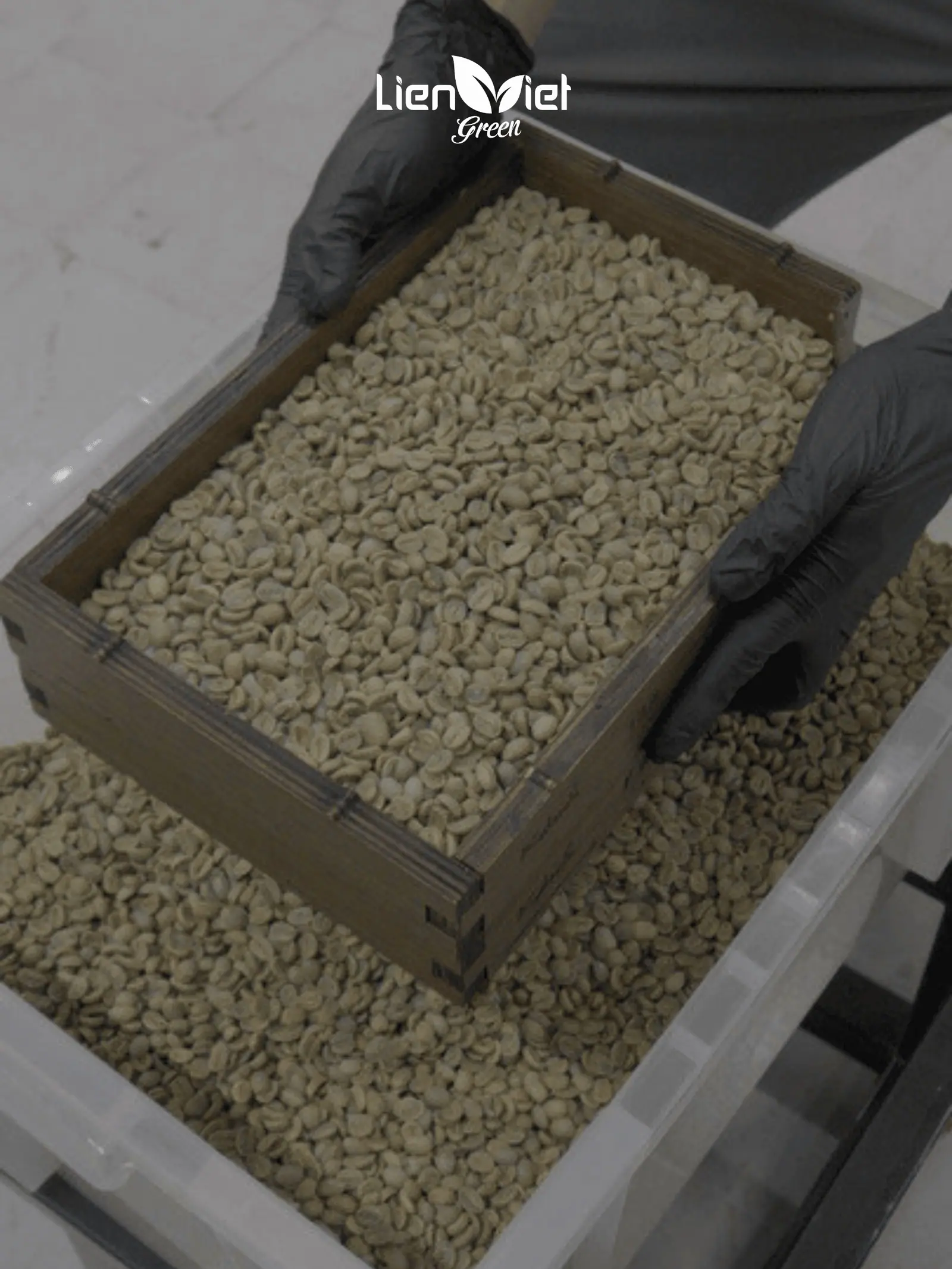
What Determines Green Coffee Bean Quality?
Explore the critical factors determining green coffee bean quality—from terroir, varietals, and harvesting to processing methods, technical grading standards, and farm-level quality control.
📌 Technical Key Highlights
- Roastery Standard: Certified ISO 22000, evaluated by Q Grader panel.
- Roasting Tech: 100% Hot Air fluid bed convection, precise thermal curve tracking.
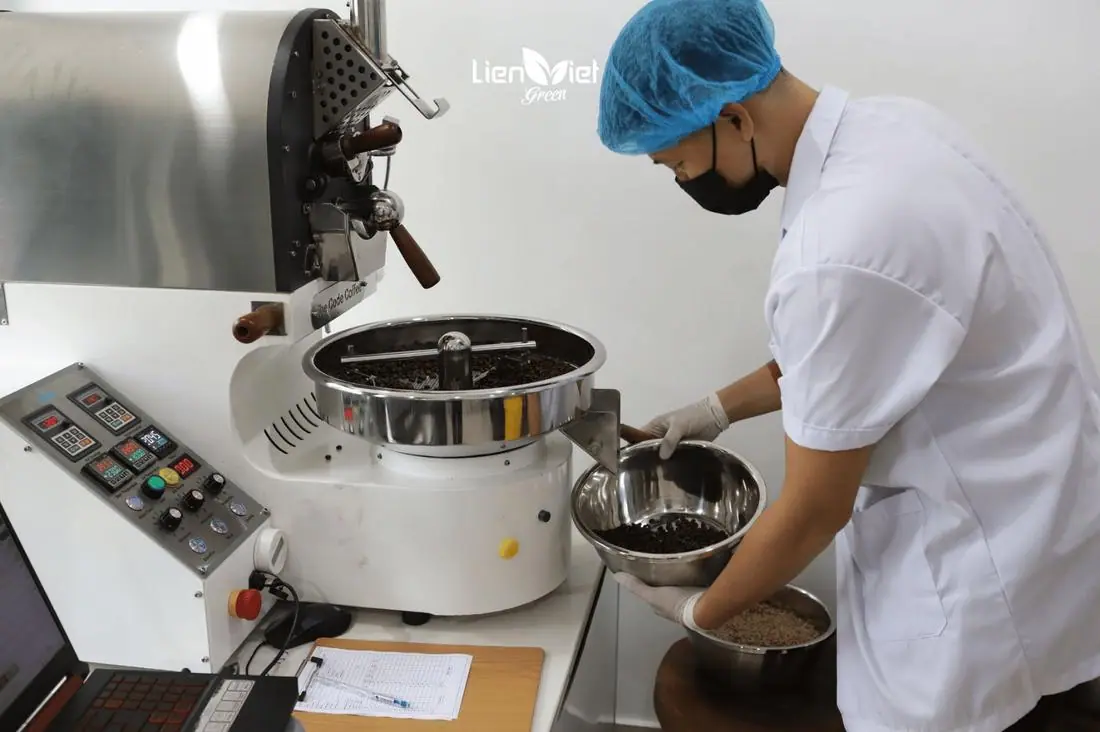
- Batch Consistency: Strict Agtron spectrophotometer roast color and moisture control.
- Traceability: 100% transparent sourcing from Vietnamese coffee origins.
What Determines Green Coffee Bean Quality?
For roasters, F&B operators, and coffee exporters, the quality of green coffee beans determines virtually the entire value of the final beverage. A consistent green bean supply streamlines roasting operations, guarantees batch-to-batch flavor reproducibility, and enables businesses to maintain a reliable customer experience.
Conversely, if raw material inputs fail to meet specifications, subsequent roasting and brewing efforts serve merely as damage control. Even an elaborately engineered roast profile cannot realize its potential if green beans suffer from unstable moisture levels, high defect counts, or premature harvesting.
This is why professional roasters dedicate far more time to green coffee procurement than to selecting roasting machinery. Green coffee bean quality is never dictated by an isolated variable; it is the cumulative result of an integrated value chain spanning environmental conditions, cultivar genetics, agricultural practices, post-harvest processing, and storage technology.
Key determinants shaping high-grade green coffee bean lots.
In specialty coffee, terroir refers to the collective natural environment of a cultivation origin: altitude, microclimate, rainfall patterns, and soil composition. This is the foundational determinant of a coffee bean’s inherent flavor potential.
Coffee trees grown at optimal high altitudes develop more slowly due to cooler temperatures. This extended maturation period allows cherries to synthesize higher concentrations of sugars and organic acids, yielding high-density beans with firm physical structure and complex cup profiles post-roasting.
Consequently, high-altitude Arabica is renowned for delicate floral aromatics, bright acidity, and crisp fruit notes. Similarly, Fine Robusta cultivated under optimal agro-climatic conditions develops a clean finish, distinct sweetness, and substantial body compared to commercial-grade Robusta.
Mineral-rich basaltic red soils, stable climate conditions, and well-distributed rainfall foster vigorous tree health while imparting distinct regional profiles to raw coffee beans.
Therefore, identical cultivars grown across different Vietnamese origins—such as Kon Tum, Quang Tri, or the Northwest Highlands—exhibit nuanced, terroir-driven flavor characteristics. This regional diversity provides roasters and F&B brands with strategic opportunities for product differentiation.
If terroir provides the growing environment, cultivar genetics serve as the biological blueprint governing the bean’s physical traits and chemical composition.
Arabica features higher sucrose content, lower caffeine levels than Robusta, and pronounced floral, fruit, caramel, and bright malic/citric acidity profiles. It remains the global benchmark in specialty coffee menus.
Terroir – The Environmental Foundation of Coffee Character
Unlike commodity Robusta, Fine Robusta is cultivated, selectively harvested, and processed according to rigorous specialty standards. It delivers pronounced natural sweetness, a clean aftertaste, heavy mouthfeel, and tasting notes of dark chocolate, roasted nuts, or ripe fruits depending on processing techniques.
Liberica represents a niche volume but is gaining traction in specialty coffee segments. Characterized by large bean size, Liberica exhibits distinctive tasting notes of ripe jackfruit, tropical stone fruits, and floral botanicals, offering creative blending opportunities for roasters and beverage brands.
Even prime terroir and strong genetics are undermined if harvesting lacks disciplined control.
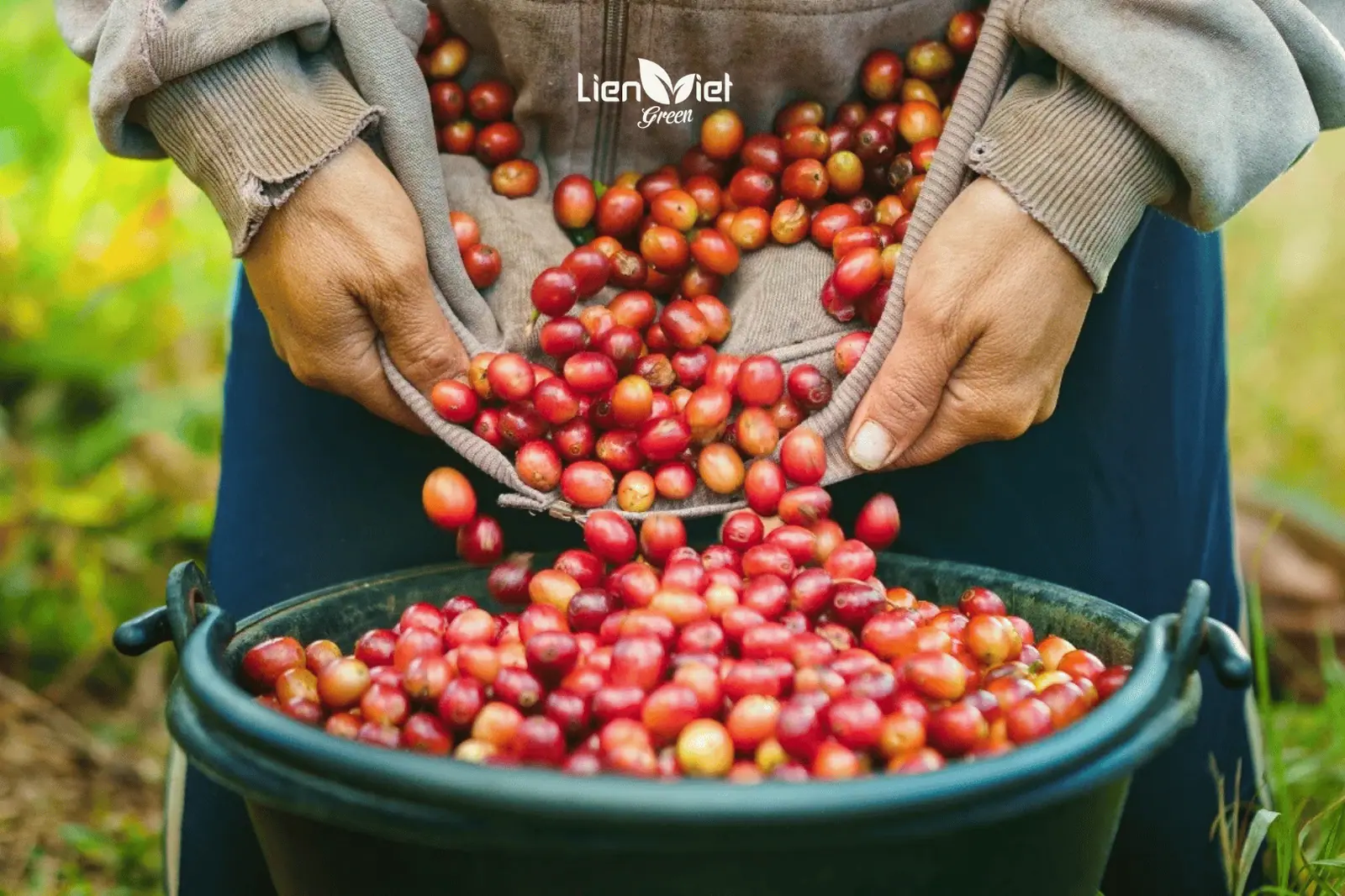
Sugar content (Brix levels) within the coffee cherry peaks strictly at full physiological ripeness. Harvesting unripe, semi-ripe, or defective cherries compromises the entire lot, leading to astringency, vegetal/grassy taints, and flat finishes in the cup.
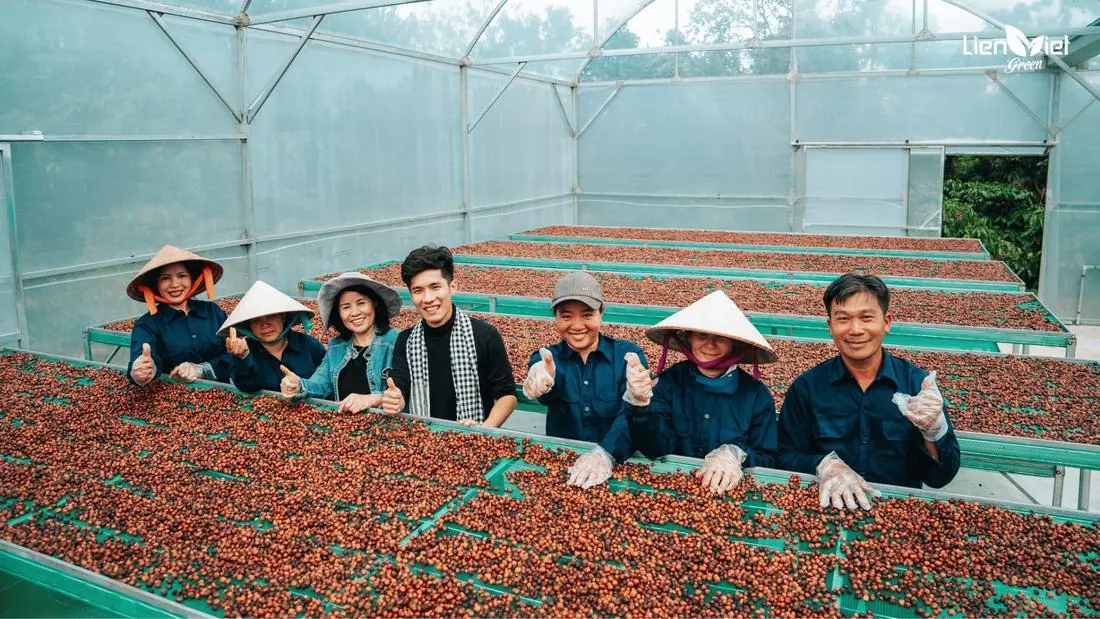
In high-grade coffee production, selective manual picking of 100% ripe cherries requires significant labor investment, yet it guarantees physical and biochemical uniformity—the indispensable prerequisite for controlled processing and roasting.
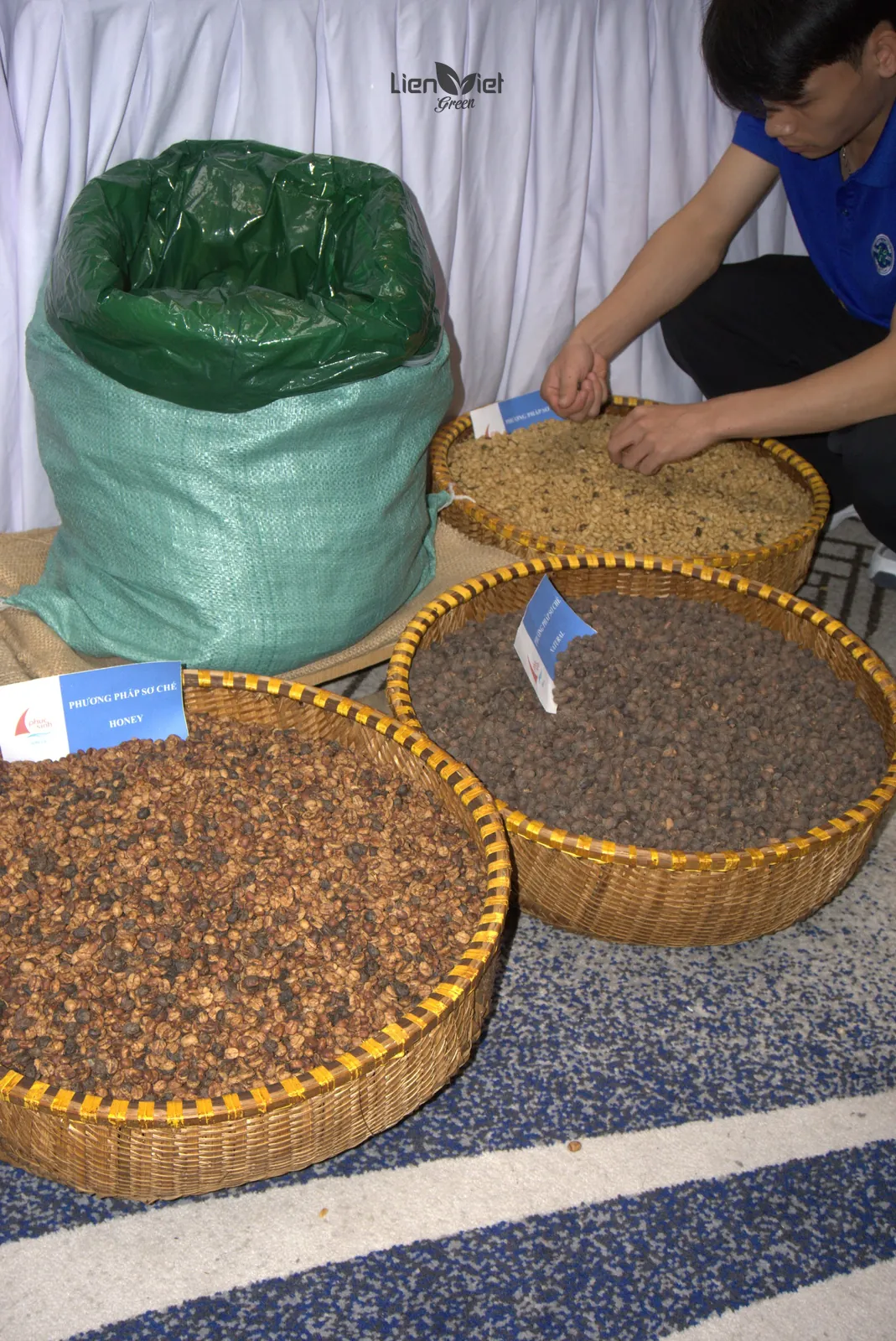
Following harvest, coffee cherries undergo processing to remove pulp, mucilage, and skin while managing enzymatic fermentation to develop specific sensory attributes.
Success lies not merely in choosing a processing method, but in strictly controlling critical parameters including fermentation duration, ambient temperature, and drying curves.
Common primary processing methods include:
For roasters, reliably processed green coffee ensures predictable thermodynamic response and minimal batch-to-batch roast profile deviation.
Selecting green coffee extends beyond cultivar and geographical claims. Commercial roasters and F&B procurement teams evaluate lots across strict technical benchmarks:
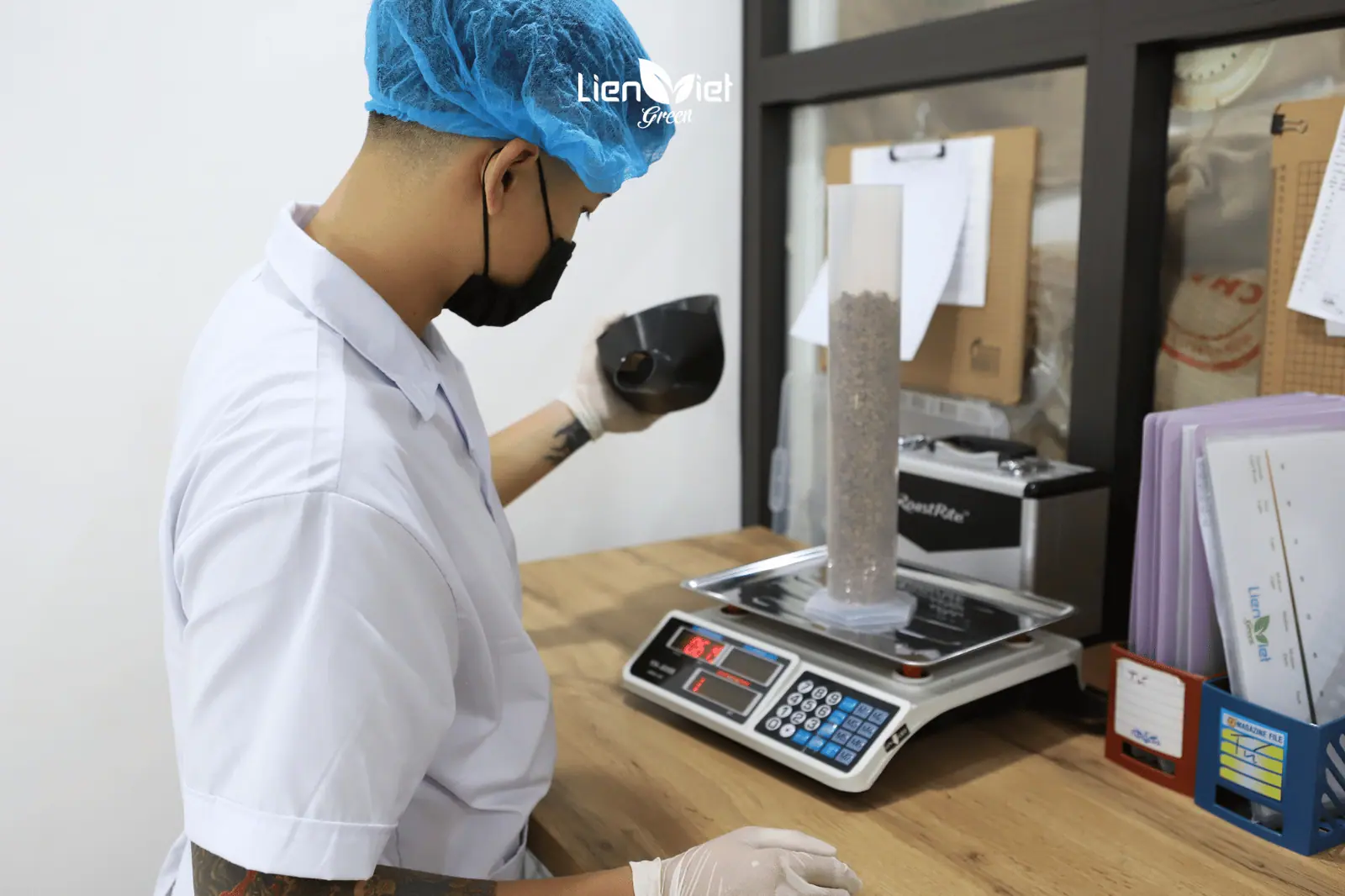
Standard international trade guidelines mandate green coffee moisture levels between 10.0% and 12.0%. Excessive moisture risks mold growth, uncontrolled microbial activity, and rapid quality deterioration in storage. Conversely, under-dried beans lose cellular water prematurely, impairing roast development and aroma synthesis. Proper moisture control ensures raw material stability across warehousing and global logistics.
Altitude, Bean Density, and Flavor Development
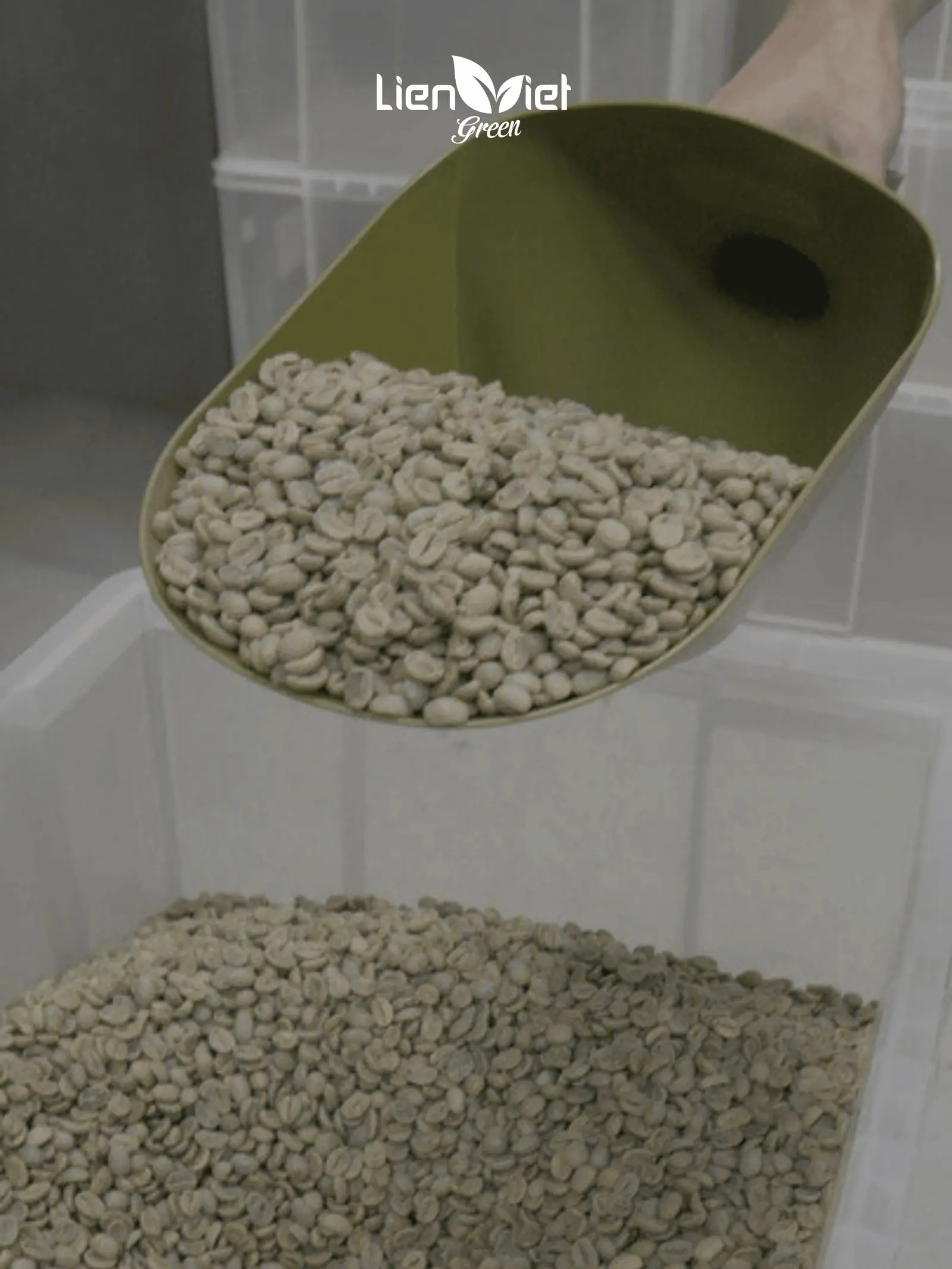
Physical density reflects the bean’s structural development during cherry maturation. High-density beans withstand high heat transfer rates without surface scorching, allowing roastmasters to manipulate roasting curves precisely for balanced, nuanced extraction.
Uniform screen size ensures equal thermal absorption across all beans during roasting. Strict defect counts (eliminating black, sour, insect-damaged, or immature beans) prevent cup defects. Even a minor fraction of defective beans degrades an entire batch.
Prior to volume procurement, green bean samples undergo standardized cupping protocols (SCA standards). Certified evaluators grade cup cleanliness, sweetness, acidity, body, balance, uniformity, and overall flavor. Cupping data informs custom roast profiling for specific commercial beverage lines.
Green coffee represents the foundational ingredient behind finished beverages. Securing consistent, high-grade green beans delivers tangible operational benefits:
For multi-unit F&B chains, standardized green coffee simplifies store-level extraction protocols, decreases barista training complexity, and guarantees uniform beverage experiences across all branches.
High-quality green coffee is the result of continuous chain-of-custody oversight. As a sustainable coffee supply, processing, and export partner, Lien Viet Green establishes rigorous quality control at every link of the value chain.
Lien Viet Green – Comprehensive quality control from raw material origins to green coffee beans.
Lien Viet Green works directly with farming communities across the Central Highlands, Quang Tri, Kon Tum, and specialized microclimate zones. We provide agricultural guidance, enforce selective ripe cherry harvesting, and establish standardized processing infrastructure at the origin.
Each harvested lot is matched with appropriate processing techniques. Beyond traditional Natural and Washed methods, Lien Viet Green implements controlled Anaerobic processing to build distinctive flavor profiles. Prior to release, each lot is laboratory-tested for moisture, screen distribution, defect counts, and cupping score.
Beyond commodity supply, Lien Viet Green acts as an OEM partner helping roasters and F&B operators match green bean profiles with commercial requirements. Full traceability and consistent seasonal delivery safeguard long-term brand equity in domestic and export markets.
Green coffee bean quality is determined by systematic end-to-end management rather than any isolated factor. For roasters and F&B enterprises, partnering with an integrated supply chain provider offers decisive operational advantages in product consistency, cost control, and sustainable brand growth.
Soil and Microclimate: Establishing Regional Signatures
With an expanding network of sustainably managed raw material regions, advanced processing protocols, comprehensive quality inspection, and full-scale B2B supply capabilities, Lien Viet Green provides partners with a transparent, stable, and traceable raw coffee foundation. This provides the indispensable cornerstone for uniform roasting batches, quality beverage products, and sustainable brand leadership in an increasingly competitive market.
Technical Quality Standards Comparison Matrix
| Quality Metric | Conventional Standard | Lien Viet Green OEM Standard |
|---|---|---|
| Roasting Tech | Direct flame drum, minor smoke trace | 100% Hot Air fluid bed convection, uniform roast |
| Batch QC Control | Subjective visual checking | Agtron color meter + ISO moisture + ARTISAN logs |
| Packaging Format | Standard poly or paper bag | 4-layer foil laminate with 1-way degassing valve |
Defect counts are one of the clearest grading signals, explained in our guide to green coffee defects and QC.
To go deeper on the processing stage, read how post-harvest processing methods shape green bean quality and flavor.
If your chain needs green coffee checked and roasted to one steady profile, see how we supply cafés and F&B chains. Want to taste before you decide? book a cupping at our Long Bien roastery.
Sources: Coffee Quality Institute (CQI) Q Grader certification; Specialty Coffee Association (SCA) coffee standards; ISO 22000:2018 on the ISO website and Lien Viet Green roastery ISO 22000:2018 certificate.
Frequently asked questions
What factors determine green coffee bean quality?
Green coffee quality comes from a chain of factors: terroir (altitude, soil, climate), the coffee variety, selective harvesting of ripe cherries, controlled processing and drying, and proper storage. Buyers then confirm quality through moisture, density, screen size, defect counts and cupping.
What moisture level should green coffee beans have?
International trade guidelines put green coffee moisture between 10.0% and 12.0%. Too much moisture risks mold and quality loss in storage, while beans that are too dry roast unevenly and develop less aroma.
How does altitude affect green coffee quality?
Higher altitudes are cooler, so cherries ripen more slowly and build more sugars and acids. The result is denser beans that handle heat well in the roaster and can produce more complex flavor.
How do buyers evaluate a green coffee sample?
They check moisture, bean density, screen size and defect counts, then cup the sample using SCA protocols. Cuppers score cleanliness, sweetness, acidity, body, balance and uniformity, and those notes guide the roast profile.
What is the difference between Fine Robusta and commercial Robusta?
Fine Robusta is grown, selectively harvested and processed to specialty standards. It offers natural sweetness, a clean aftertaste and heavy body, with notes such as dark chocolate or roasted nuts, whereas commercial Robusta is handled for volume.
Partner with ISO 22000 Certified OEM Coffee Roaster
Lien Viet Green supports hotel chains, F&B franchises, and commercial brands with custom roast profiles and supply reliability.