Green coffee defects directly compromise roasting thermodynamics, cup clarity, and commercial profitability. Understand the SCA defect grading standards and discover why comprehensive Quality Control is essential for professional coffee roasters.
When assessing coffee quality, attention is frequently focused on origin elevation, botanical variety, roasting equipment, and barista technique. Yet in commercial coffee production, an unseen factor exerts direct control over batch outcomes: green coffee defects.
Even a minute percentage of defective beans within thousands of sound beans will compromise an entire production roast. For commercial roasters, F&B enterprises, and OEM/ODM brands, green coffee defects erode customer retention, escalate production costs, damage roasting equipment, and compromise brand reputation.
What are Green Coffee Defects?
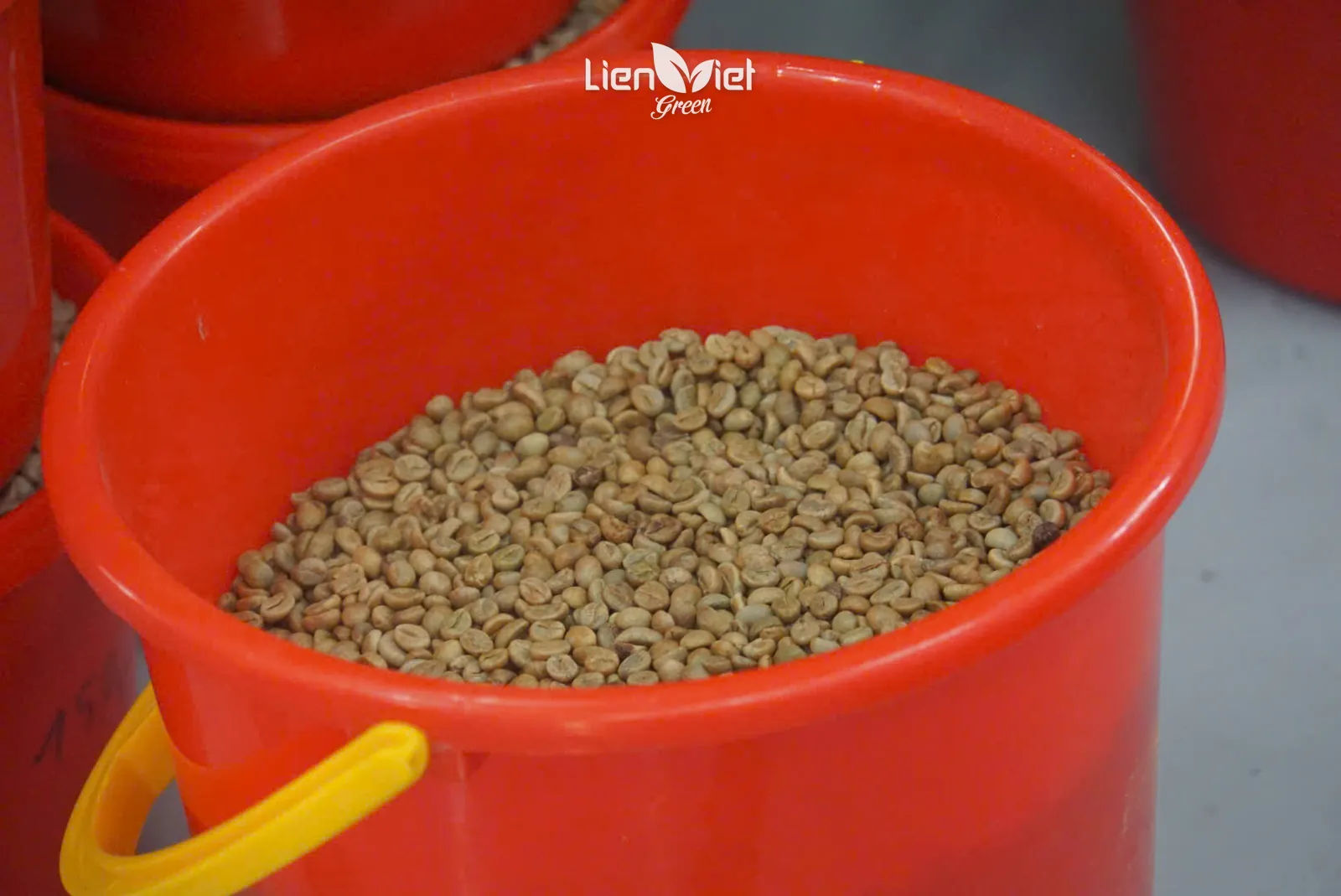
In coffee agronomy and trade, a defect refers to any green bean exhibiting structural, genetic, biological, or processing flaws that adversely affect roasting performance or cup quality.
Under Specialty Coffee Association (SCA) green grading standards, defect counts serve as the fundamental metric for classifying commercial green coffee grades. A lot with minimal defect counts delivers predictable heat absorption, sensory cup clarity, accurate replication of roast profiles, and higher market value.
Conversely, when a green coffee lot carries a high defect load, even advanced roasting technology and master-level roast profiles cannot rescue the final cup from sensory flaws.
SCA Green Coffee Defect Classification
The SCA categorizes green coffee defects into two primary divisions: Primary Defects (Category 1) and Secondary Defects (Category 2).
Primary Defects – Zero Tolerance in Specialty Coffee
Primary defects represent severe biological or processing failures that ruin cup quality. In specialty coffee grading (350 g sample), zero primary defects are permitted. Common primary defects include: Full Black Bean, Full Sour Bean, Moldy Bean, foreign matter (stones, metal, sticks), and dried cherry pods.
Critically, mold growth carries serious food safety risks due to potential contamination with Ochratoxin A mycotoxins.
Secondary Defects – Cumulative Roast Disruptors
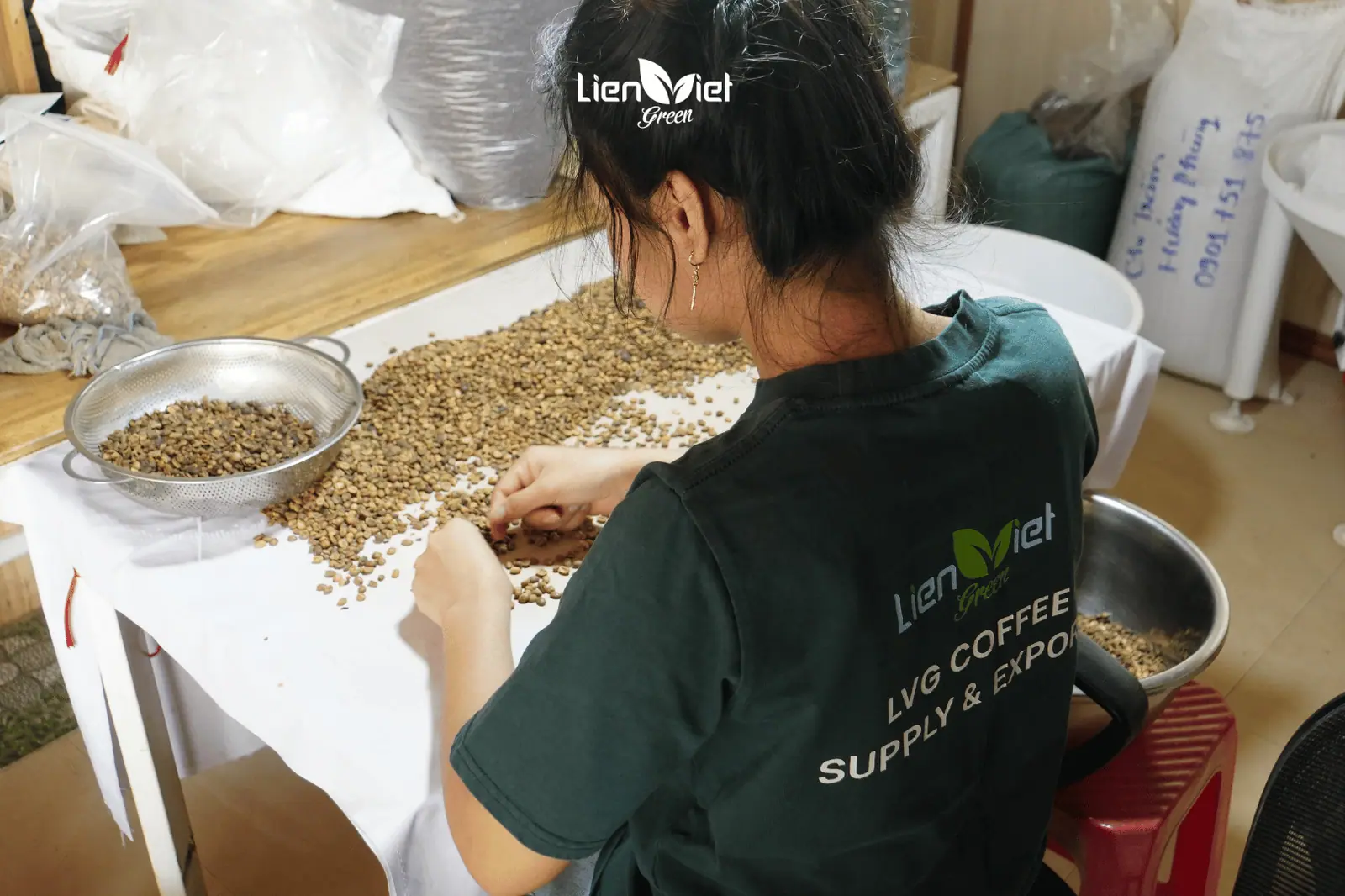
While individually less catastrophic, secondary defects present in high concentrations severely degrade roast uniformity. These include: Immature/Quaker Bean, insect-damaged beans, chipped or broken beans, floaters, and withered beans.
These beans have different density and moisture content compared to sound beans, leading to uneven heat absorption. The result is a batch containing a mix of scorched, underdeveloped, and properly roasted beans.
Comparing Defect Categories| Criterion | Primary – Category 1 | Secondary – Category 2 |
|---|---|---|
| Severity | Ruins entire lot quality | Degrades quality at high volumes |
| Examples | Full black, full sour, moldy, foreign matter | Immature, insect-damaged, chipped, floater |
| Specialty threshold (350 g) | 0 primary defects allowed | Maximum 5 full defects |
| Critical risk | Ochratoxin A, equipment damage | Uneven heat, mixed roast levels |
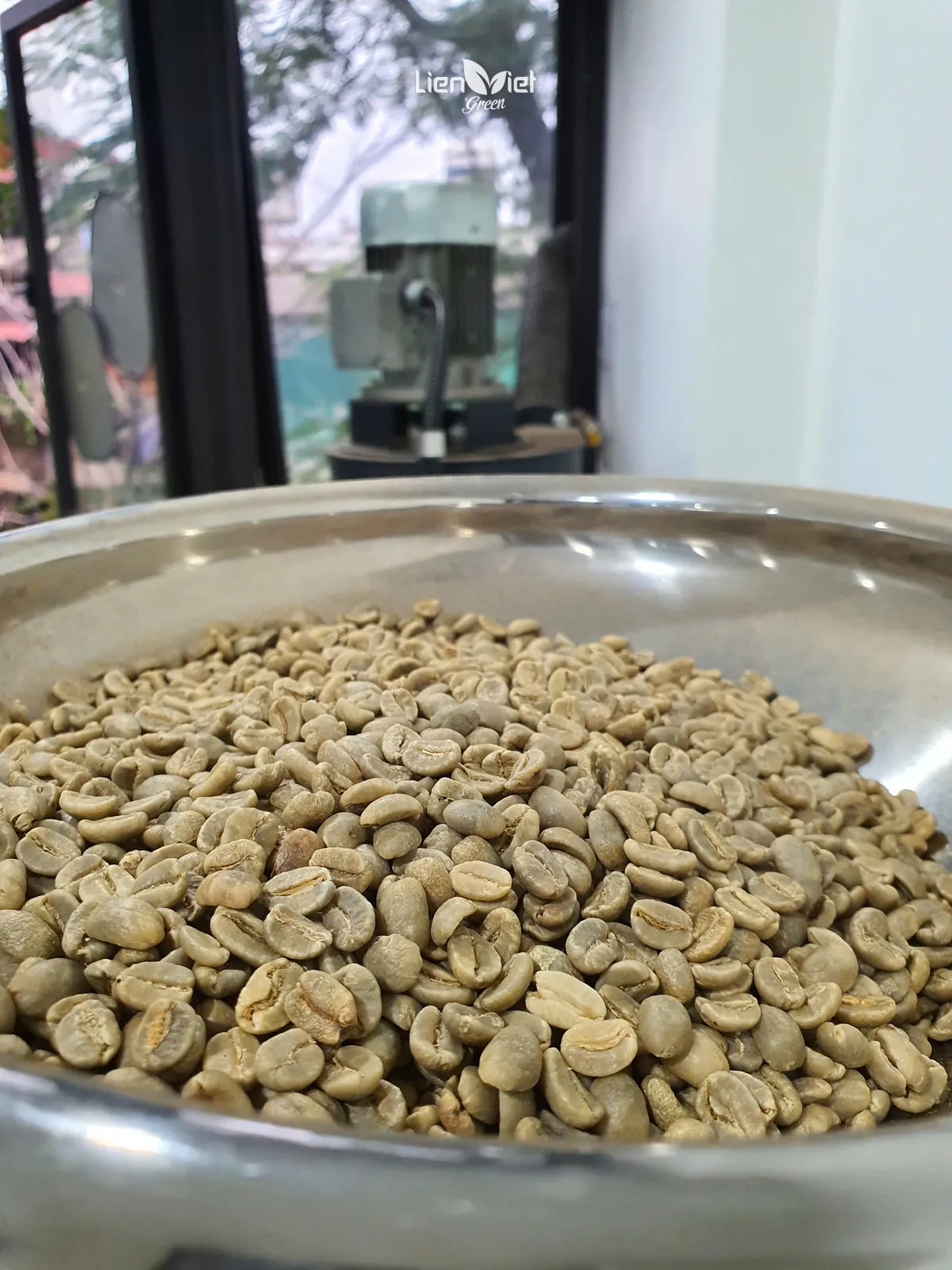
How Defective Beans Compromise Roast Thermodynamics and Flavor Balance
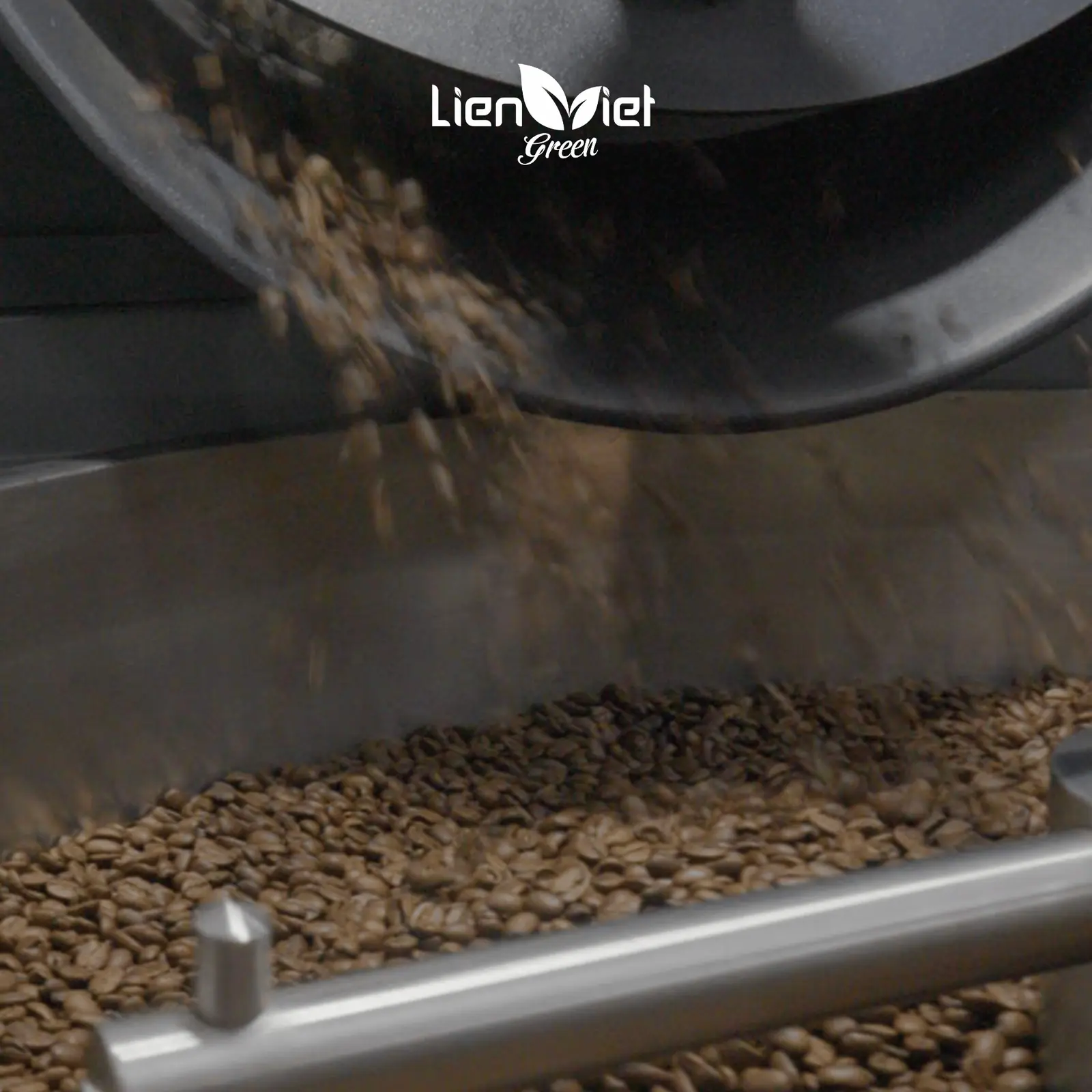
An industrial roasting drum contains tens of thousands of individual coffee beans per batch. Roasters often ask: can a handful of defective beans truly ruin an entire batch? From an applied thermodynamics perspective, the answer is unequivocally yes.
Roasting is a precise thermal reaction where green beans absorb heat according to their individual physical density, cellular moisture, and surface area. Defective beans react unpredictably.
- Immature beans → erratic heat absorption
- Insect-bored → premature burning
- Moldy beans → acrid off-gases
- Over-dried → rapid carbonization
Professional roasting facilities prioritize eliminating defects upstream rather than attempting to mask them through dark roasting.
Why Multi-Stage QC is Essential for Modern Roasting Operations
High-grade commercial coffee production cannot rely on casual visual checks. An unmonitored defect creates a compounding chain of failure.
A rigorous QC framework serves as the definitive firewall protecting product integrity and commercial profitability.
- 1Defective green beans present
- 2No inbound inspection
- 3Roast profiles compromised
- 4Inconsistent flavor output
- 5Customer complaints escalate
- 6Brand reputation erodes
This is why QC has become the decisive factor in the survival of modern commercial roasting operations.
Core Stages in an Industrial QC Framework
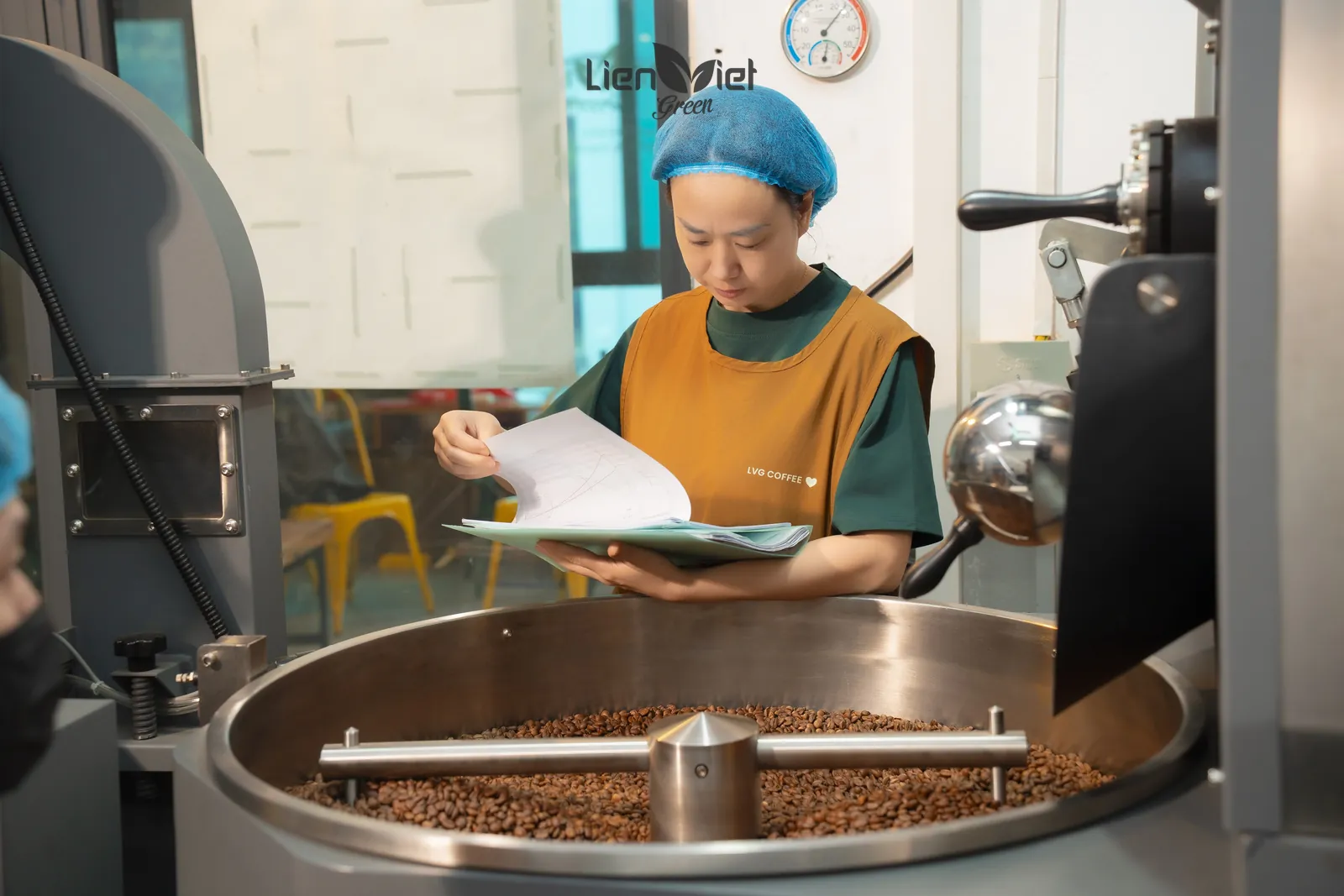
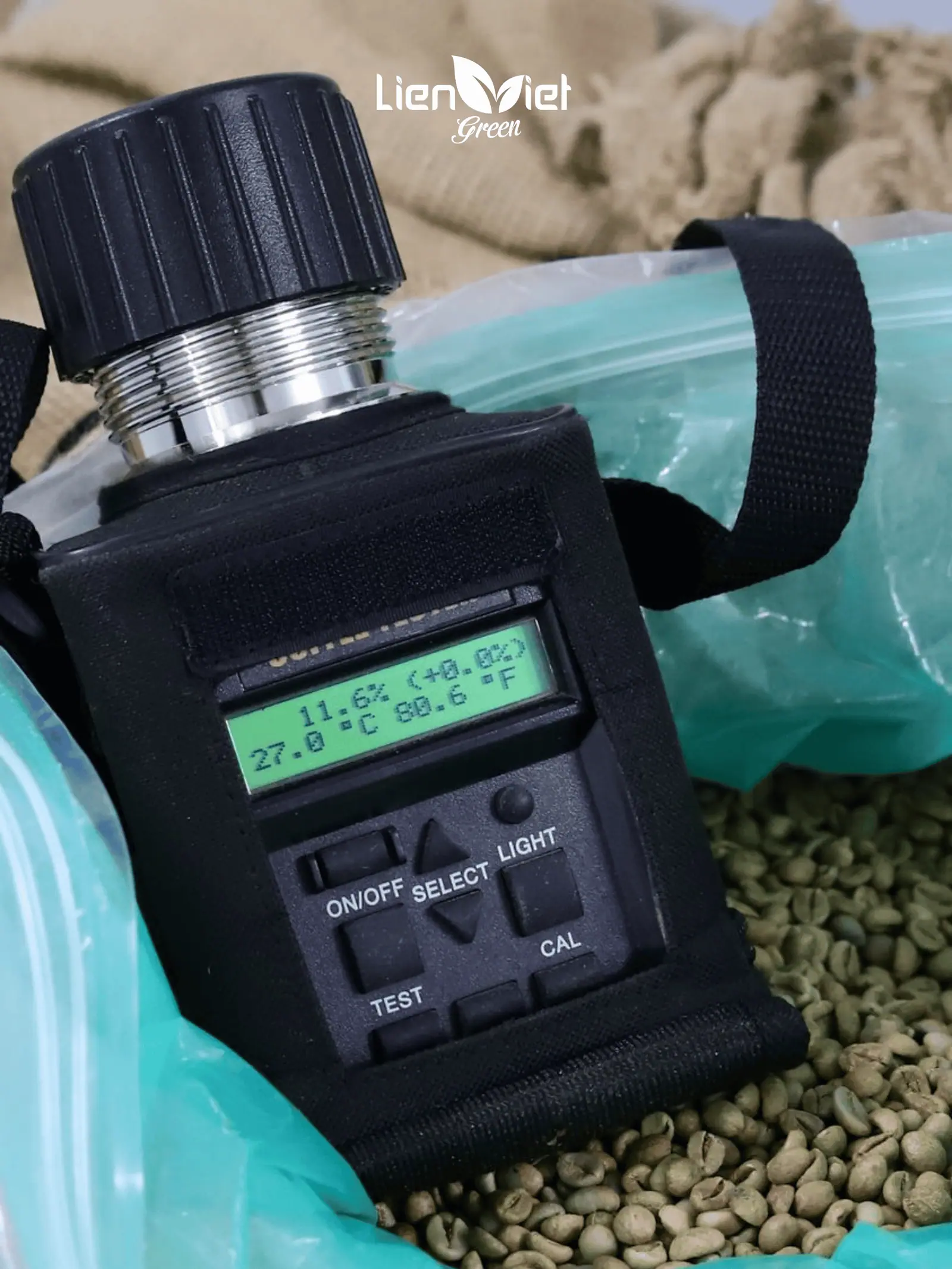
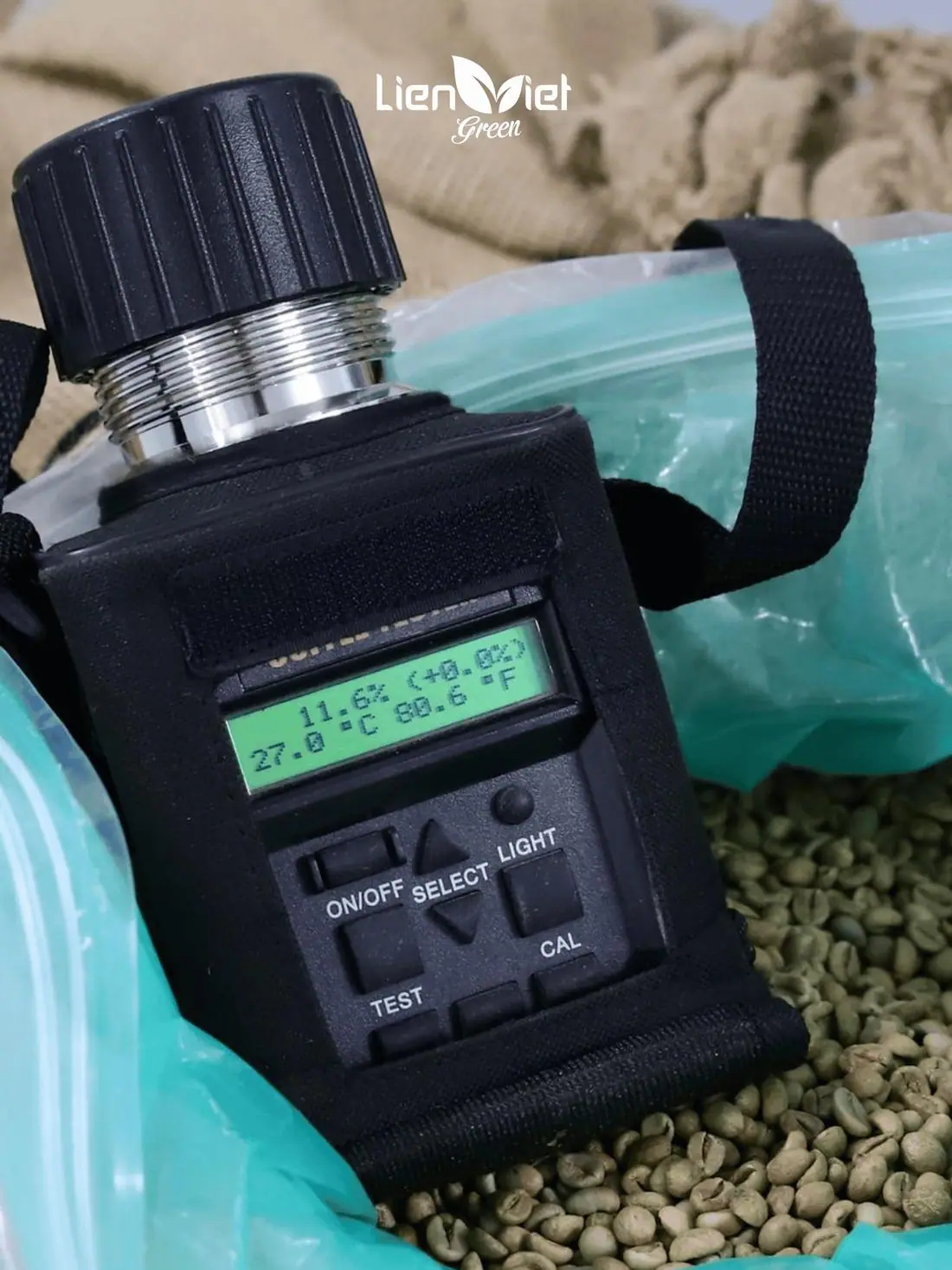
Four quality control stages- Inbound raw material inspectionMeasure moisture content, screen size, density, defect ratio, color consistency, and foreign matter before production.
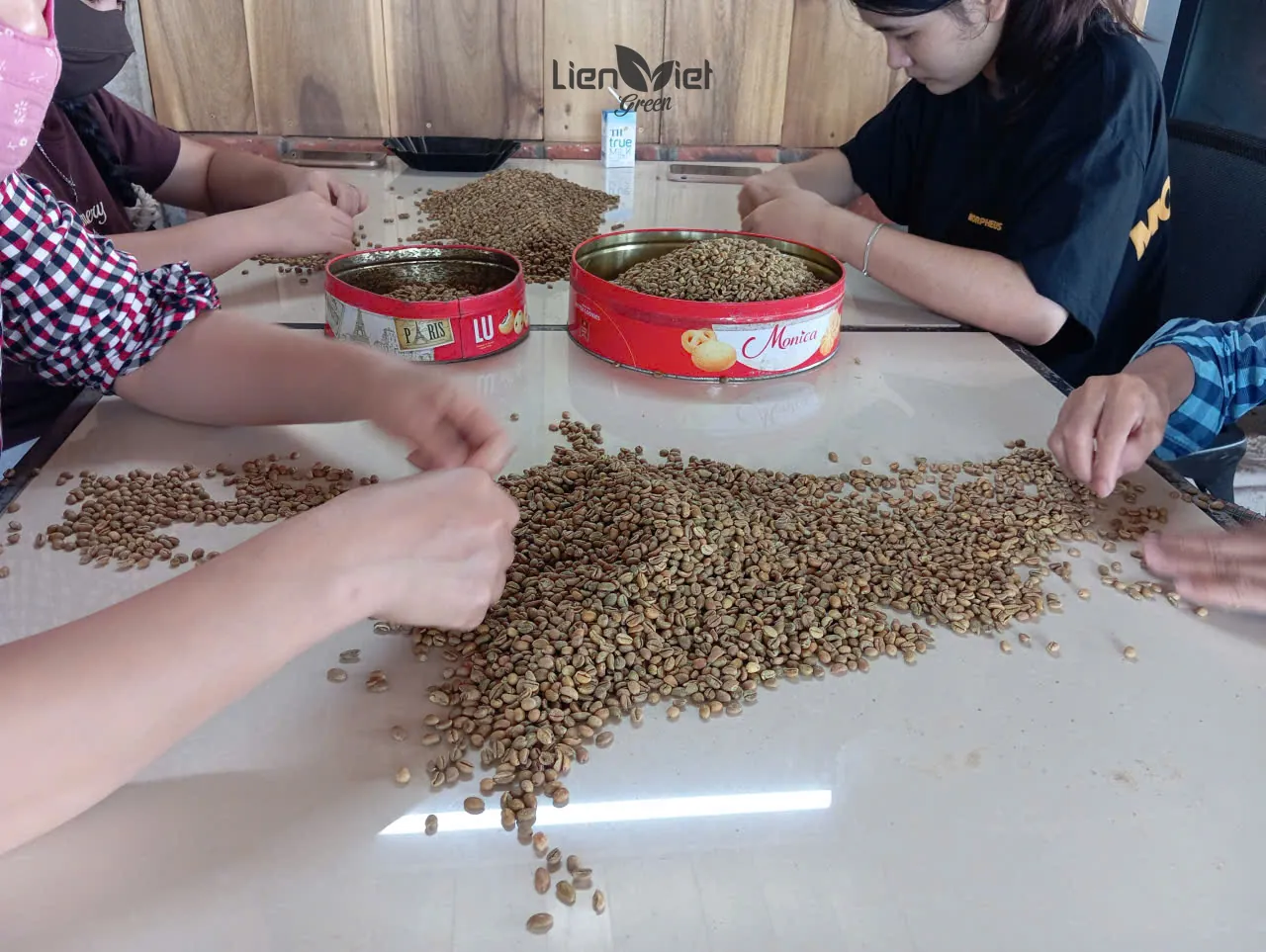
- Multi-stage defect separationCombine vibratory screens, optical color sorters, gravity separators, rare-earth magnets, and manual hand-inspection.
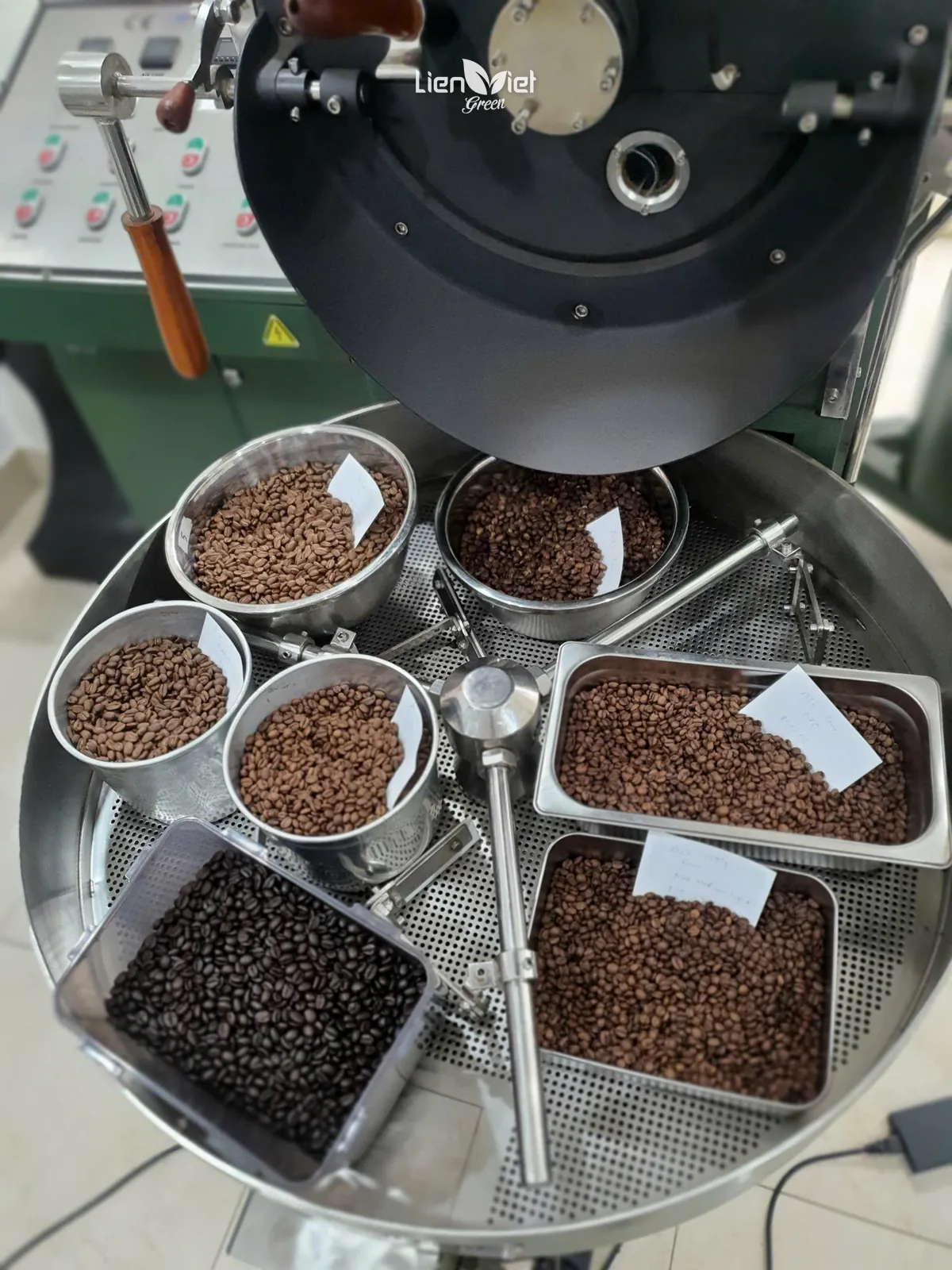
- Real-time roasting telemetryMonitor Roast Profile, Agtron, Rate of Rise, Development Time, and First Crack temperature. All data logged digitally.
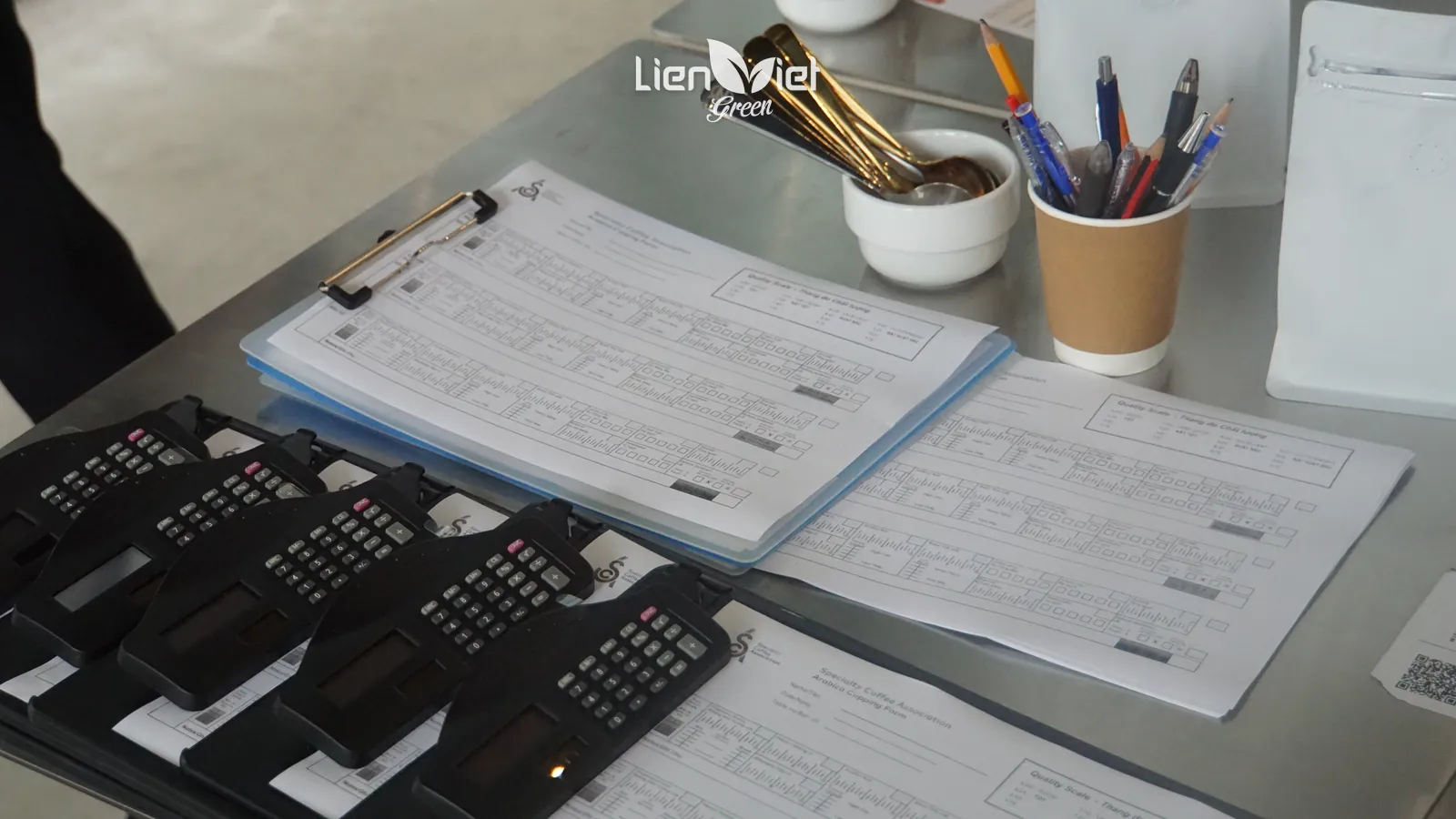
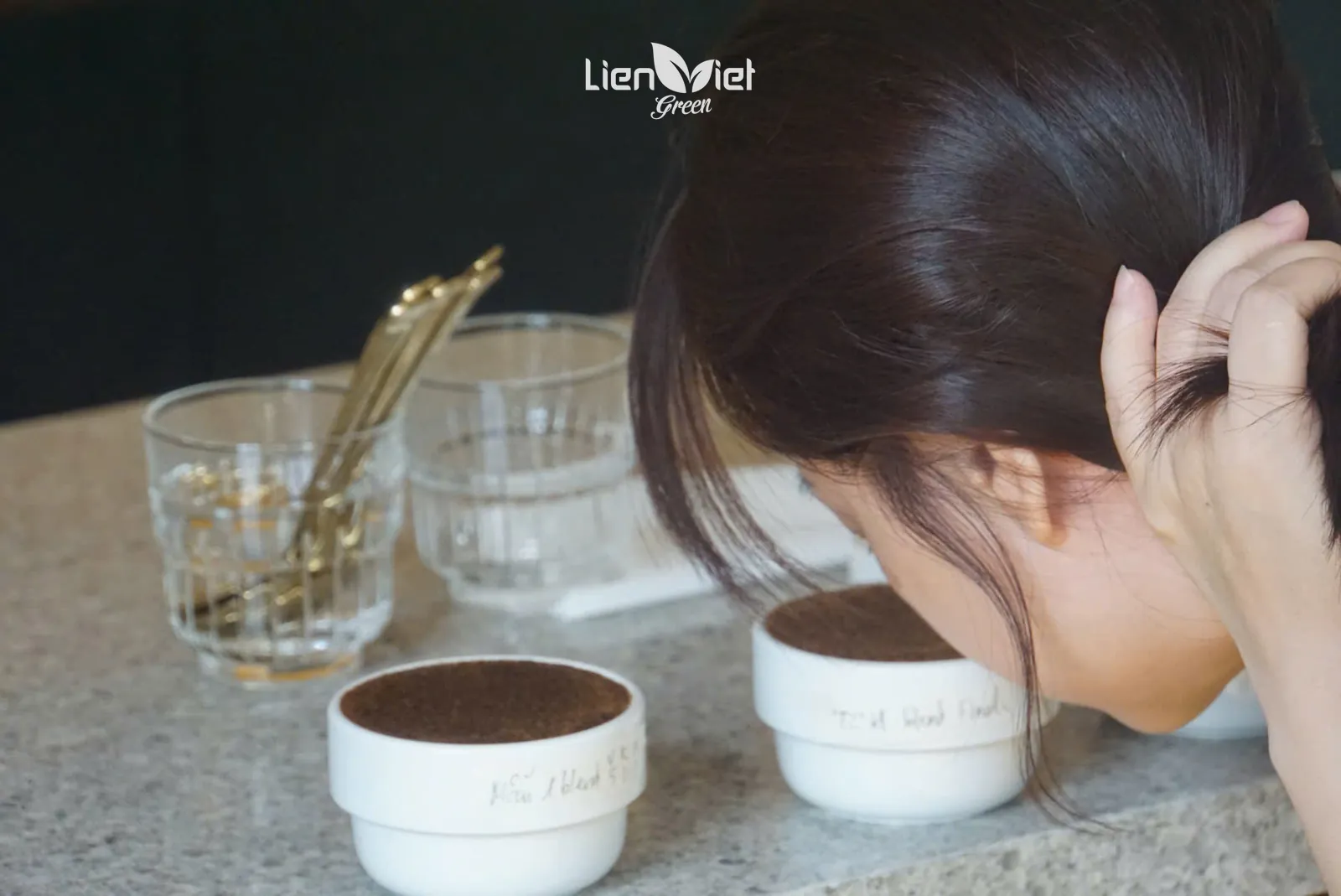
- Post-roast sensory cuppingCupping detects musty, acrid, astringent, and contaminated taints. Batches failing benchmarks are quarantined.
How Strict QC Optimizes Commercial Value for F&B Brands
For commercial chains and hospitality groups, consistent flavor delivery is far more valuable than an occasional exceptional batch. Systematic QC provides measurable financial benefits.
- Guaranteed batch consistencyDefect removal ensures every roast batch delivers identical flavor across all retail locations.
- Eliminated customer complaintsStable quality reduces negative feedback and protects brand loyalty and guest satisfaction.
- Reduced green coffee shrinkageInbound testing eliminates substandard lots early, avoiding production waste.
- Optimized Cost of Goods Sold (COGS)Quality-verified material delivers higher roasting yield and increased finished product value.
- Equipment protectionRemoving foreign matter (stones, metal) before production prevents catastrophic grinder and roaster damage.
- Consumer trust and regulatory complianceA transparent QC system demonstrates quality commitment to partners and ensures food safety standards.
This is why many brands treat QC as an investment, not a cost.
Lien Viet Green – Integrated Quality Control from Origin to Finished Product
At Lien Viet Green, Quality Control is not an isolated department; it is an integrated operational standard embedded across our entire supply chain.
Upstream farm sourcing control
Lien Viet Green works directly with agricultural cooperatives in Vietnam’s key cultivation regions — including the Central Highlands, Son La, and Quang Tri — enforcing harvest standards that maximize ripe cherry yield and minimize defect generation at origin.
Certified laboratory and modern roasting infrastructure

Every green coffee lot is graded in our QC laboratory before roasting. Lien Viet Green operates an ISO 22000:2018 certified facility utilizing industrial Hot Air convection roasting systems paired with digital telemetry logging.
Roasting curves, Agtron values, Development Time, and First Crack metrics are recorded digitally for absolute consistency across production batches.
Commitment to transparency and safety
All products manufactured by Lien Viet Green adhere to three core operational pillars:
Complete traceability combined with multi-tier QC protocols gives partners confidence to build their brands on a stable, quality-verified supply chain.
Conclusion
Green coffee defects are the primary variable determining whether a roast succeeds or fails. A minor defect ratio inevitably degrades cup sweetness, introduces astringent bitterness, and compromises commercial brand equity.
“A rigorous QC system is the indispensable foundation of modern roasting operations — not a cost, but a competitive advantage.”Lien Viet Green
Lien Viet Green provides comprehensive coffee manufacturing solutions, supplying green coffee, roasted beans, and turnkey OEM/ODM services backed by verified ISO 22000:2018 quality standards. We partner with F&B chains, distributors, and OEM/ODM brands to build stable supply chains with transparent traceability and consistent flavor to international standards.

Looking for a roasting partner with professional QC?
Contact Lien Viet Green for quality control consulting, sample requests, and custom coffee product development.
Many defects start with unripe cherries, as shown in how cherry ripeness shapes roasting quality.
To see QC applied from intake to finished bag, read how Lien Viet Green controls quality in every roasting batch.
If your café or chain needs clean, consistent roasted coffee, see how we supply cafés and F&B chains, or book a cupping at our Long Bien roastery.
Sources: Specialty Coffee Association (SCA) coffee standards; ISO 22000:2018 on the ISO website and Lien Viet Green roastery ISO 22000:2018 certificate.
Frequently asked questions
What types of green coffee defects are there?
Under SCA grading, defects fall into two groups. Primary defects include full black, full sour and moldy beans and foreign matter. Secondary defects include immature, insect-damaged, chipped or broken beans, floaters and withered beans.
How many defects are allowed in a specialty coffee sample?
In a 350 g sample, specialty coffee must have zero primary defects and no more than 5 full defects in total. Even a few serious defects can push a lot below the specialty grade.
Can a few defective beans ruin a cup of coffee?
Yes. Defective beans differ from sound beans in density, moisture and composition, so they absorb heat unevenly. Immature beans take heat erratically, insect-damaged beans burn early and moldy beans give acrid notes, leaving the cup bitter, astringent and thin.
How do roasters remove defects?
They combine several steps: screen sizing, optical color sorters, gravity separators, magnets to remove metal, and hand sorting. After roasting, cupping catches musty, acrid or astringent taints before the coffee leaves the roastery.