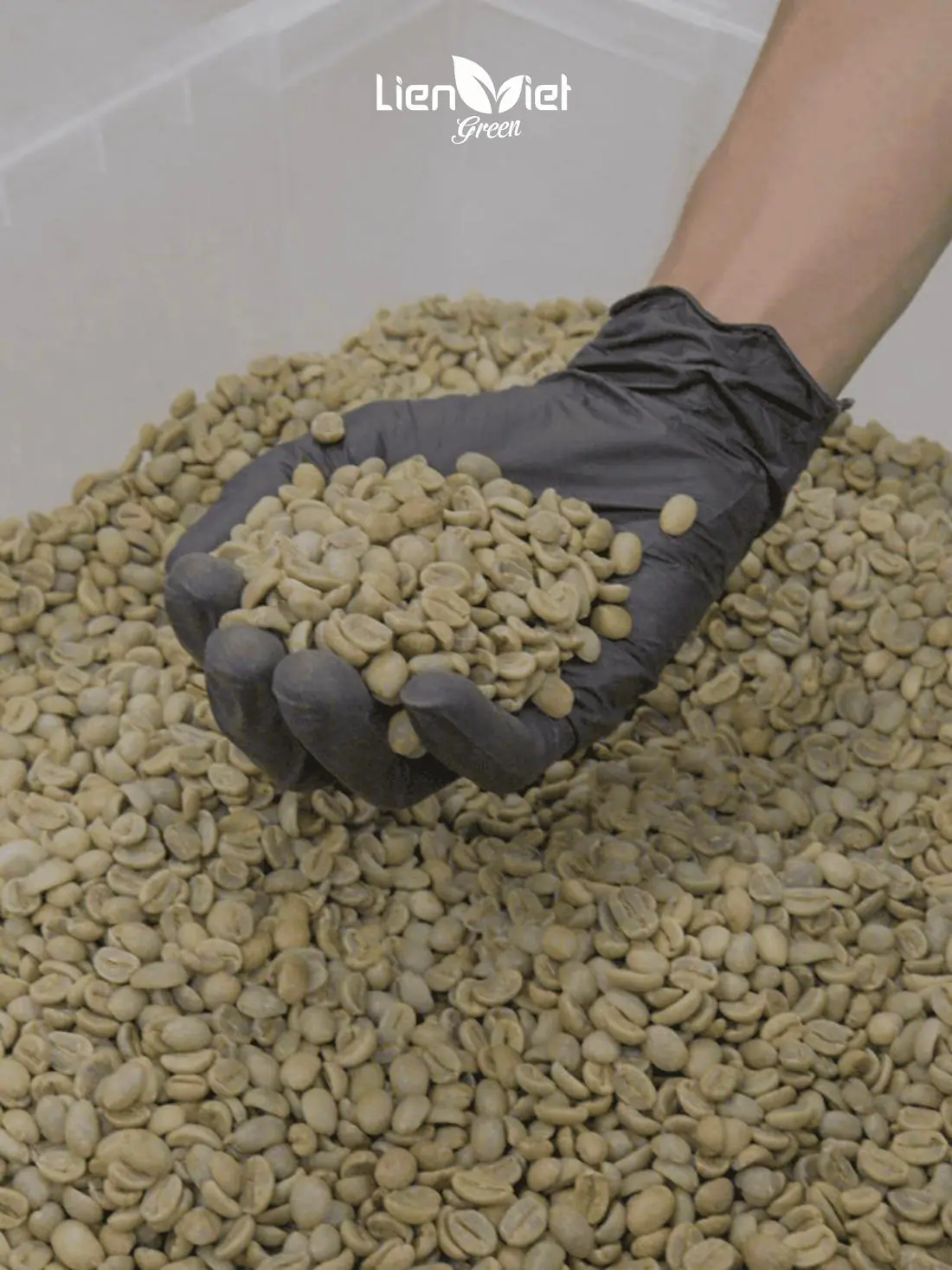
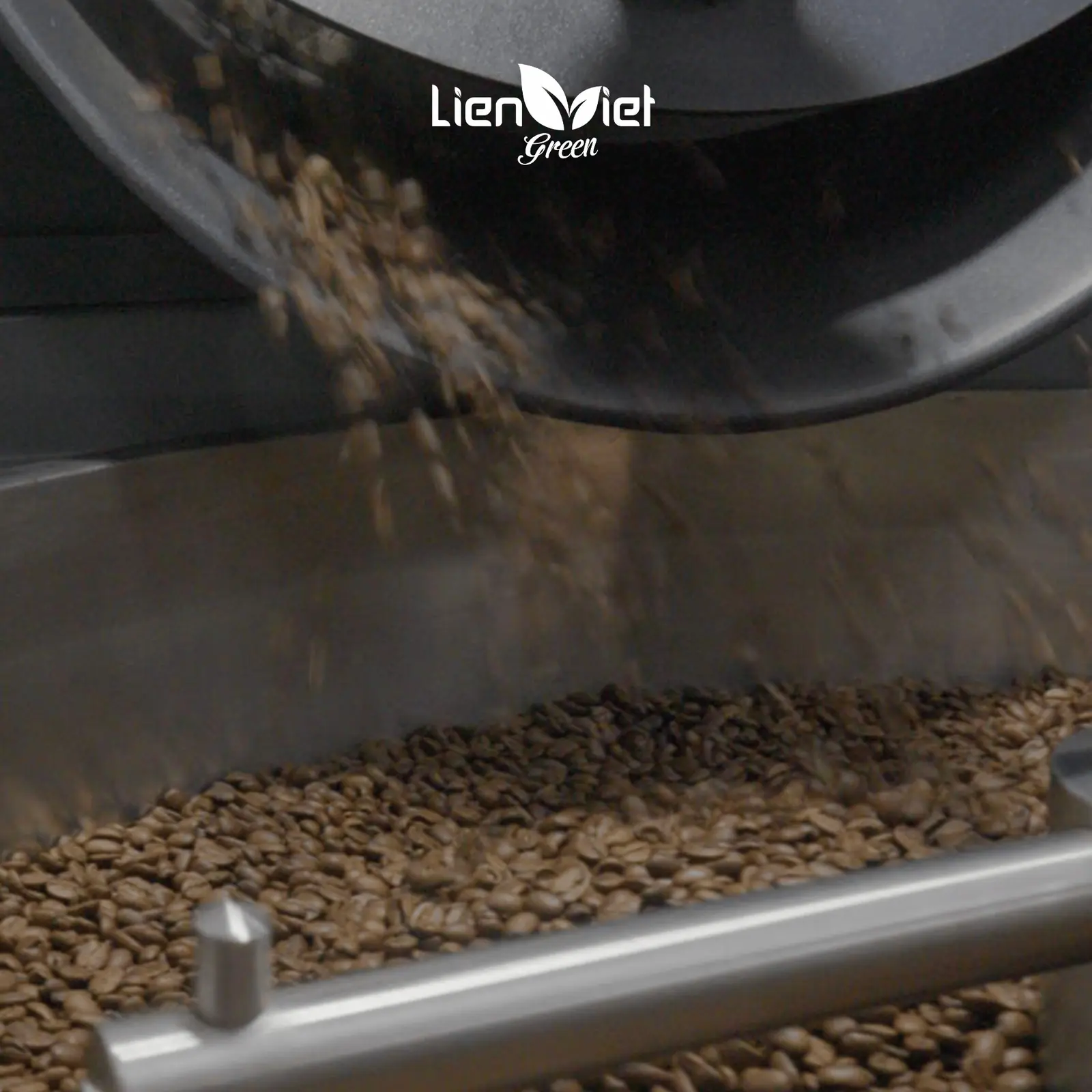
First Crack is the first audible popping during roasting, at roughly 196–204 °C, when trapped water vapor makes the bean expand and flavor development begins. Second Crack follows at about 224–230 °C, when the bean's cellulose structure breaks down and oils rise to the surface, bringing darker, bolder flavors.
Understand First Crack and Second Crack: two decisive thermodynamic milestones in coffee roasting that govern chemical reactions, flavor development, and commercial batch consistency.
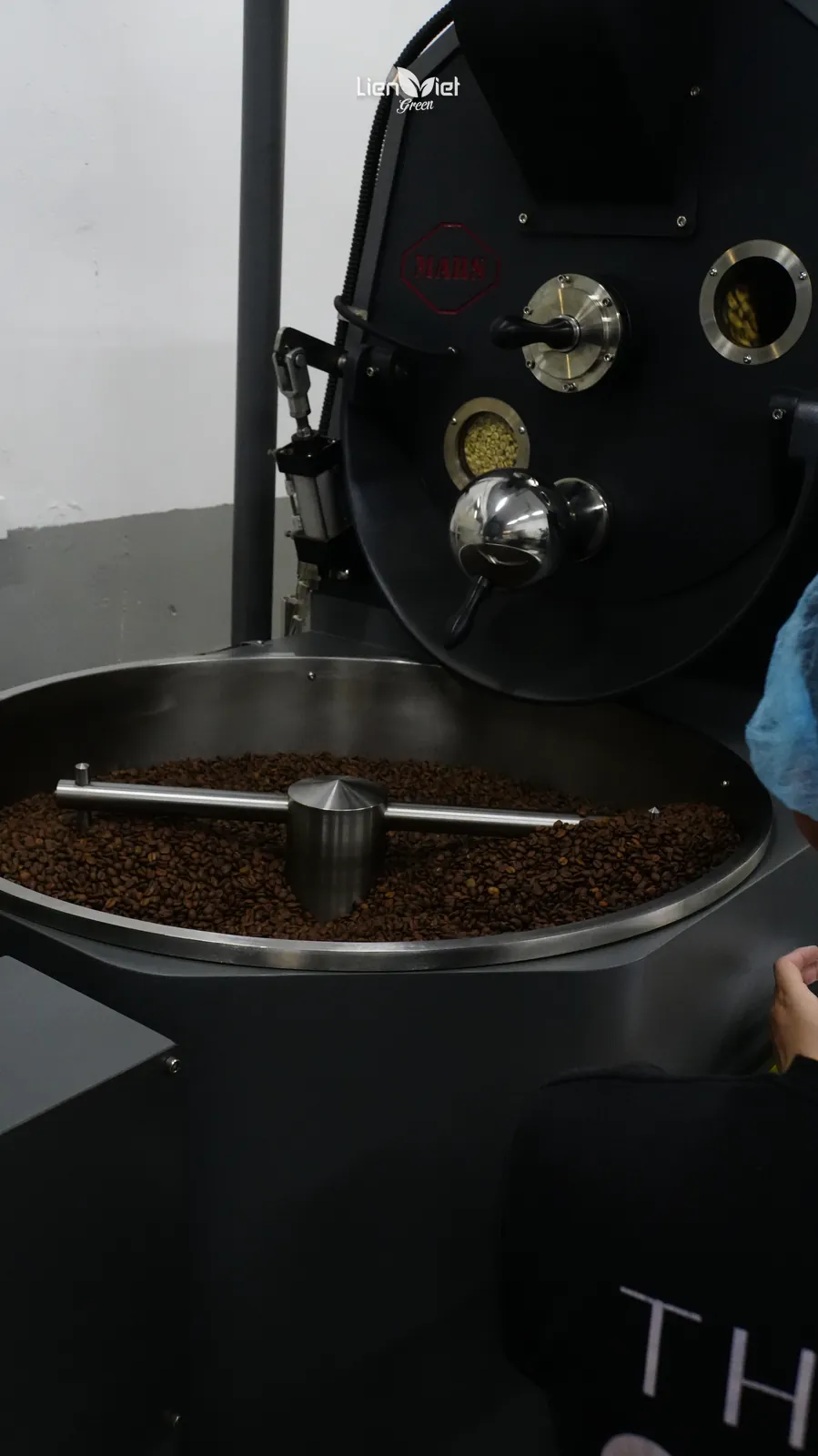
Behind every roasted coffee bean lies an intricate sequence of physical transformations and chemical reactions. While consumers focus primarily on aroma and cup profile, professional roasters understand that roasting is a rigorous thermal control process where deviations of mere seconds can significantly alter final cup quality.
Throughout the roasting cycle, First Crack and Second Crack represent the two most critical milestones. Rather than just audible indicators, these acoustic events signal fundamental structural and cellular changes within the bean driven by internal heat and pressure.
Why do coffee beans crack during roasting?
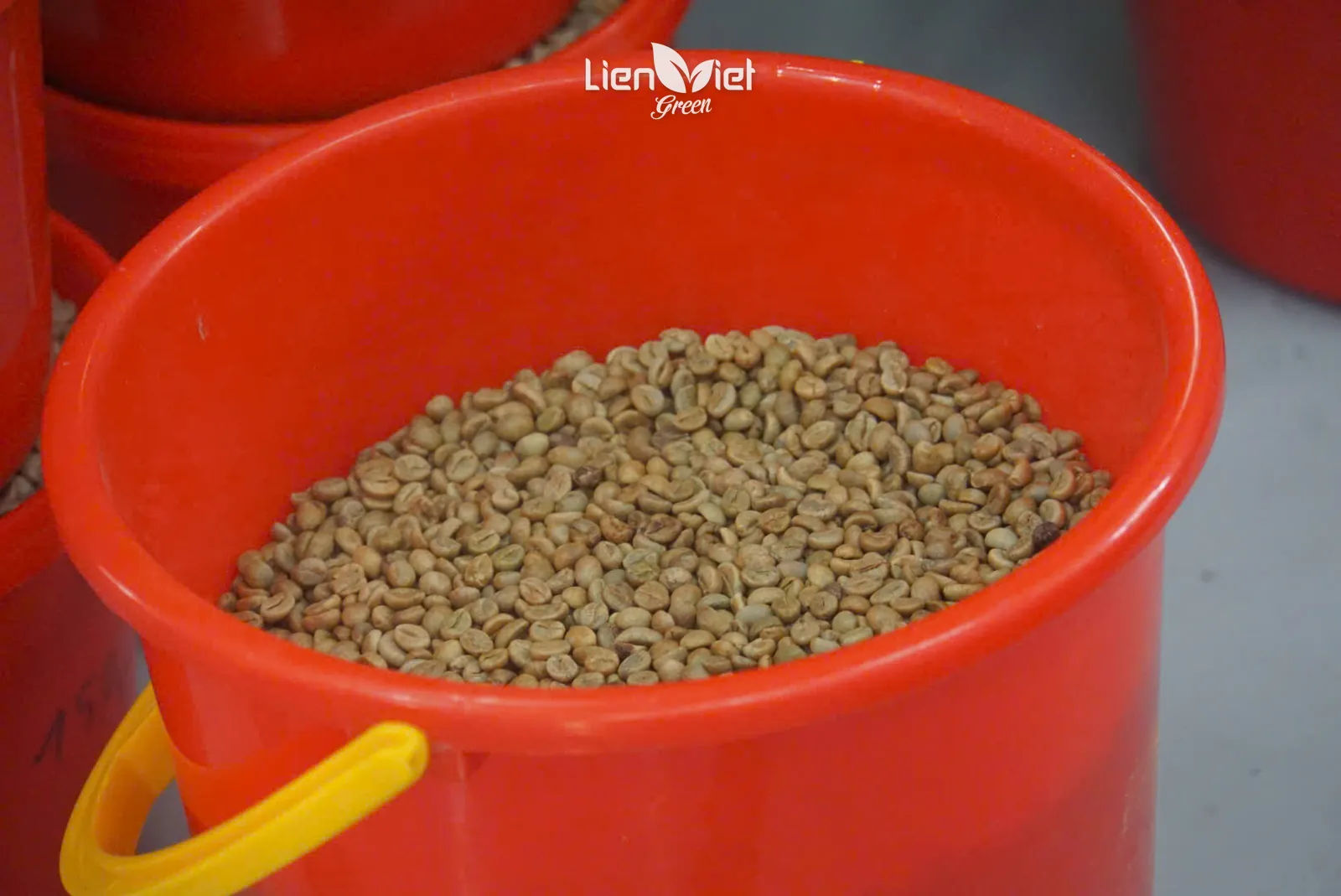
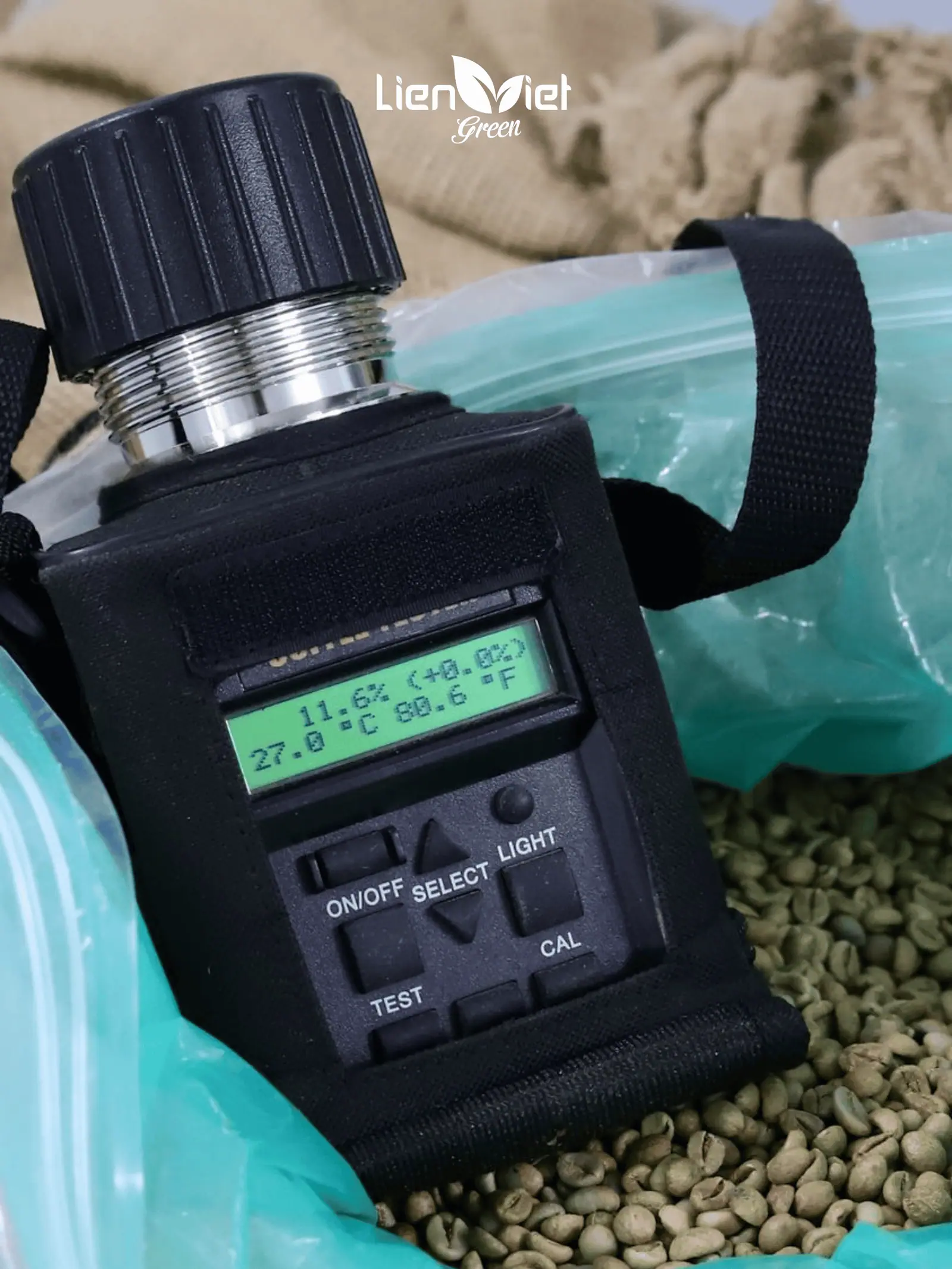
Green coffee beans possess a dense cellular structure containing roughly 10–12% moisture content alongside hundreds of organic compounds including sugars, chlorogenic acids, proteins, and lipids. As thermal energy transfers into the bean, a complex chain of reactions unfolds inside.
Internal cellular changes under thermal energy
Moisture inside the bean converts to pressurized water vapor while Maillard reactions and caramelization begin. Because green coffee cell walls are rigid, trapped vapor and CO₂ build substantial internal pressure. When this pressure exceeds the cell structure’s tensile strength, the bean expands abruptly and produces an audible pop — the physical origin of First Crack and Second Crack.
The thermodynamic shift: endothermic to exothermic
During the drying phase, beans continuously absorb heat (endothermic). As First Crack begins, the bean releases accumulated thermal energy (exothermic), altering heat transfer dynamics. Failure to adjust burner power at this transition can cause the Rate of Rise to crash or spike, resulting in baked coffee or surface scorching.
What is First Crack?
The gateway to flavor development
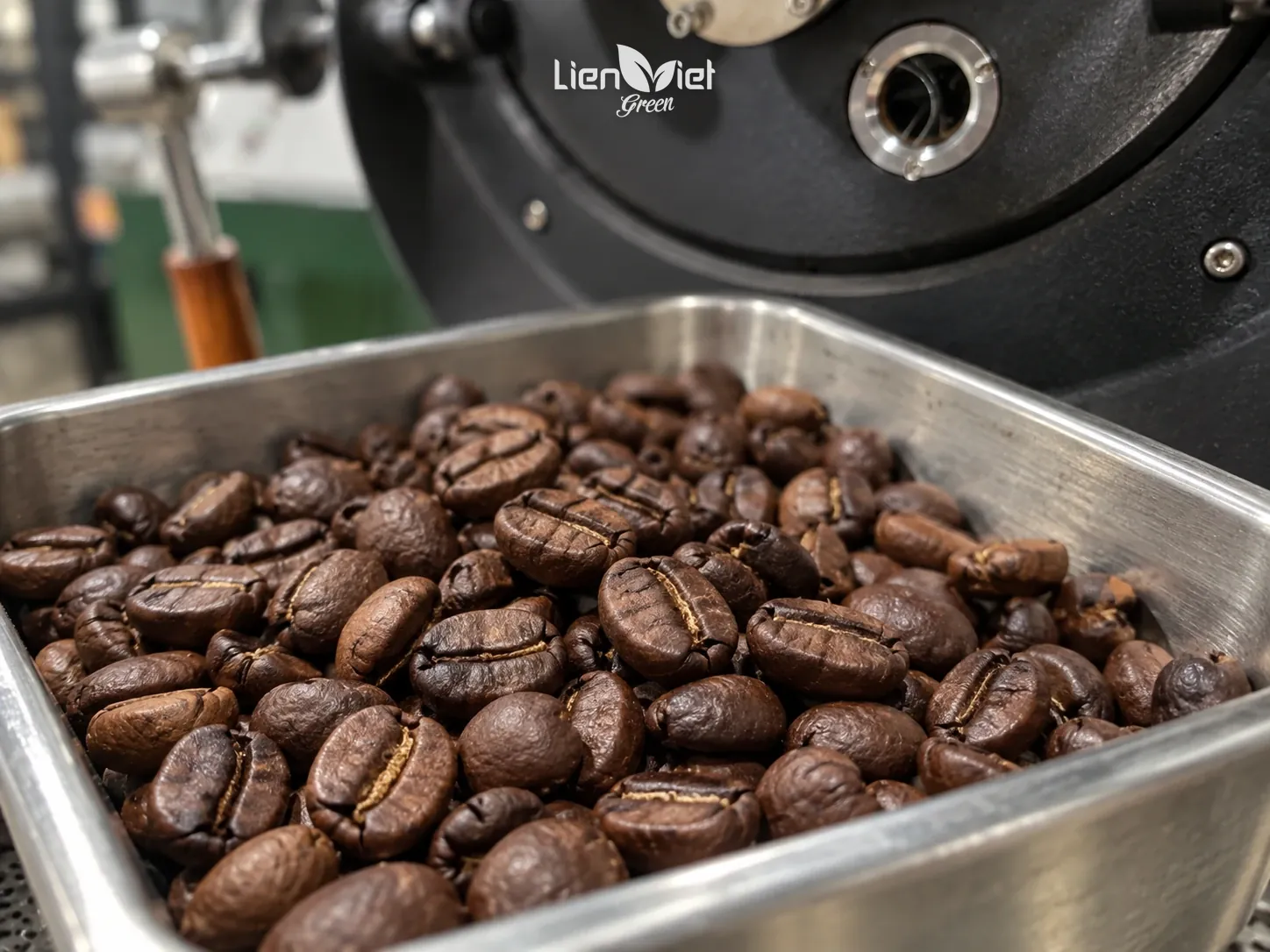
First Crack typically initiates when bean surface temperature reaches approximately 196 °C to 204 °C (385–400 °F), depending on botanical variety, processing method, moisture content, and bean density. Acoustically, First Crack produces loud, crisp, distinct popping sounds resembling popcorn popping.
This milestone marks rapid volumetric bean expansion, significant weight loss due to moisture evaporation, increased bean porosity, accelerated CO₂ generation, and intensive synthesis of key aromatic compounds. Crucially, First Crack marks the official beginning of the Development Time — the phase that ultimately shapes the specific sensory profile of the roasted coffee.
Cup profiles terminated near First Crack
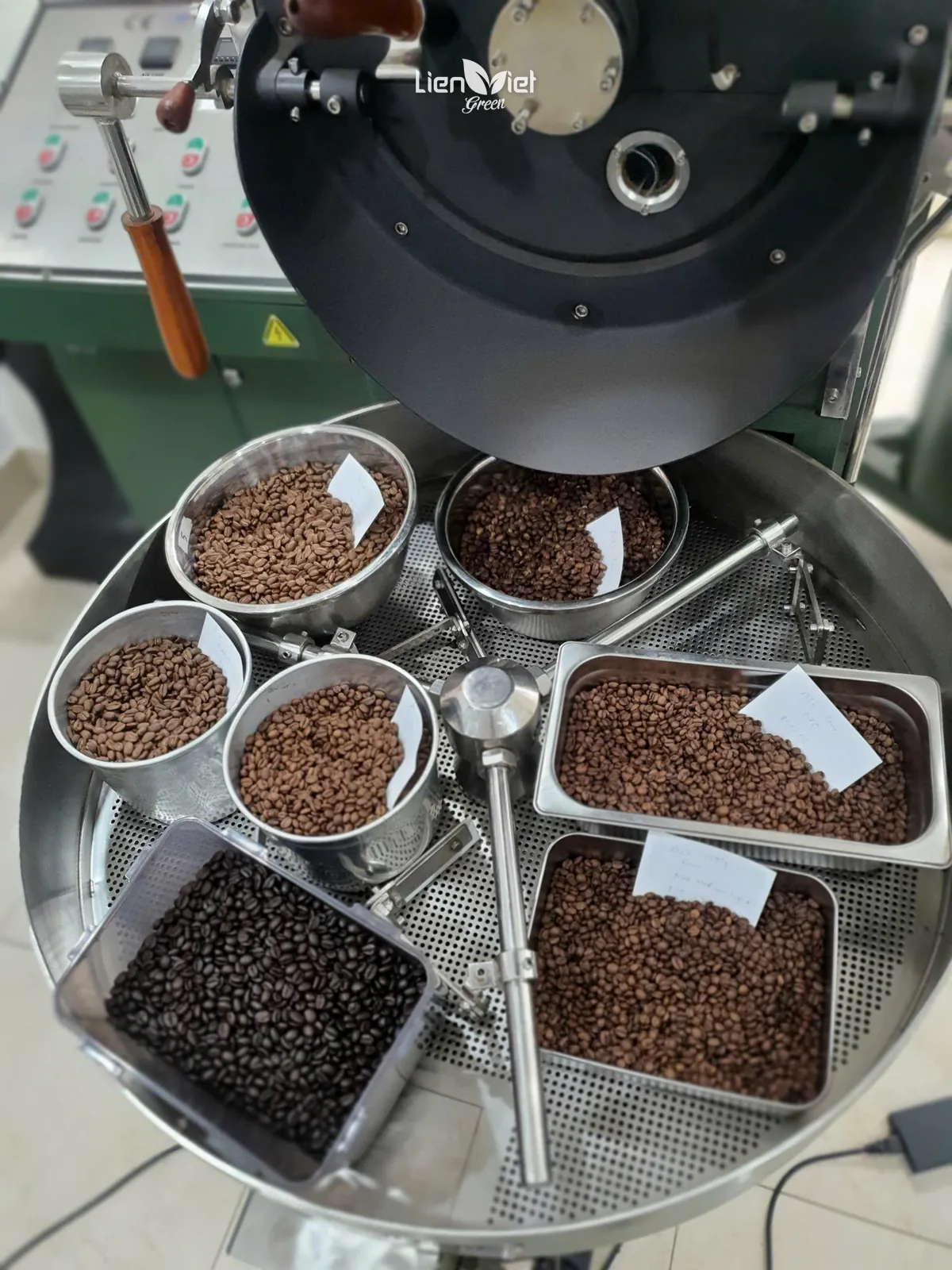
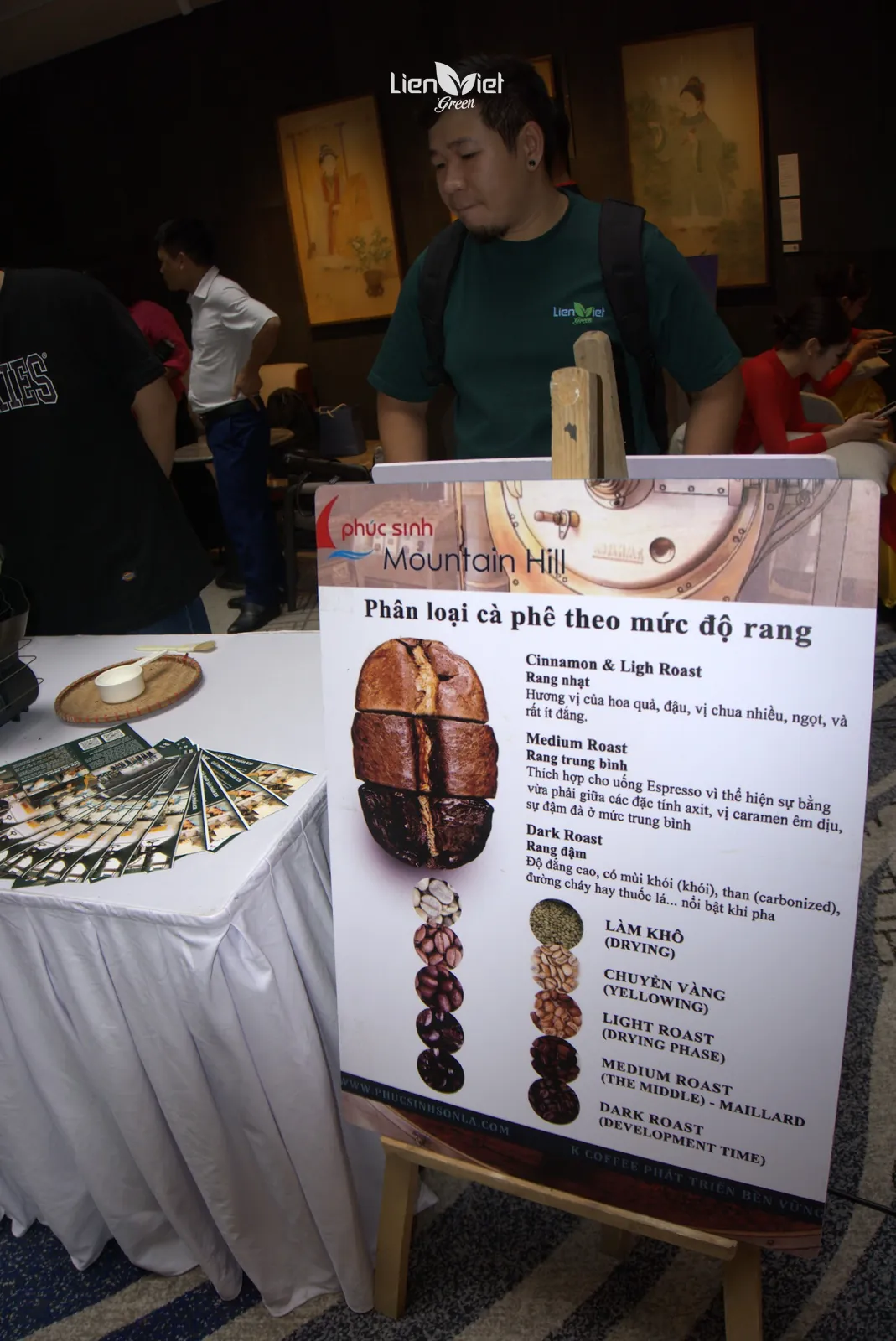
Discharging a roast immediately after First Crack yields a Light to Medium-Light roast, preserving the bean’s origin characteristics (terroir). Typical sensory attributes include:
Specialty brewing methods such as V60, Chemex, Aeropress, and batch brew rely on this development level to highlight origin distinctions.
What is Second Crack?
Cellular rupture and cellulose matrix breakdown
If roasting continues beyond First Crack and bean temperatures climb into the 224–230 °C range, the bean enters Second Crack. Unlike First Crack, which is driven by moisture vapor pressure, Second Crack is predominantly caused by the physical degradation of the woody cellulose matrix itself, combined with the pressurized release of CO₂ and volatile lipids migrating to the surface.
The acoustic signature of Second Crack is softer, faster, more brittle, and continuous — similar to crisp crackling. Visually, natural oils emerge and coat the bean surface with a glossy sheen.
Cup profiles post-Second Crack
As roasting progresses into Second Crack, intrinsic origin terroir gives way to roast-derived pyrolytic flavors.
This roast level is widely applied for traditional espresso blends, Vietnamese phin drip coffee, and milk-based beverage bases. However, pushing too far past Second Crack degrades delicate flavor precursors, resulting in ash and harsh acrid notes.
Comparing First Crack vs. Second Crack
Quick comparison| Criteria | First Crack | Second Crack |
|---|---|---|
| Bean temperature | 196–204 °C | 224–230 °C |
| Physical driver | Trapped water vapor pressure | Cellulose breakdown & CO₂ release |
| Acoustic signature | Loud, crisp pops (like popcorn) | Quiet, rapid crackling |
| Roast degree | Light – Medium (dry surface) | Medium Dark – Dark (oily surface) |
| Dominant flavors | Floral, bright citrus, origin sweetness | Dark chocolate, caramel, smoky bitterness |
Where a roast ends on this spectrum determines the final flavor in the cup.
Why First Crack and Second Crack dictate Roast Profile quality
In modern specialty roasting, First Crack and Second Crack are not static end targets. What matters most is the calibrated time window after First Crack starts — defined as Development Time — where the bean continues completing its flavor structure.
- Development Time
- First Crack temperature
- Rate of Rise trajectory
- End roast degree
Therefore, professional roasteries continuously track multiple parameters to ensure a validated Roast Profile can be faithfully replicated across hundreds or thousands of production cycles.
Parameters roasters monitor- Roast ProfileFull thermal curve of each batch, compared against previous batches to detect drift.
- Bean Temperature (BT)Real-time bean temperature to pinpoint the exact First Crack onset.
- Rate of Rise (RoR)Rate of temperature increase to detect when a batch is accelerating or stalling.
- Development Time (DT)Post-First Crack duration that determines the final sensory character.
- Agtron scoreSpectrophotometer measurement standardizing roast degree across batches.
- SCA Cupping scoresSensory evaluation verifying that technical data translates into target cup quality.
Common pitfalls in identifying First and Second Crack
A frequent error among novice roasters is relying solely on auditory cues. In industrial reality, the exact timing and acoustic volume of First Crack vary based on several variables:
Relying merely on sound without monitoring Bean Temperature, RoR slopes, and exhaust pressure makes roast consistency virtually impossible. For this reason, modern production facilities deploy digital logging hardware and software to govern every roast cycle.
Data-driven roast control at Lien Viet Green
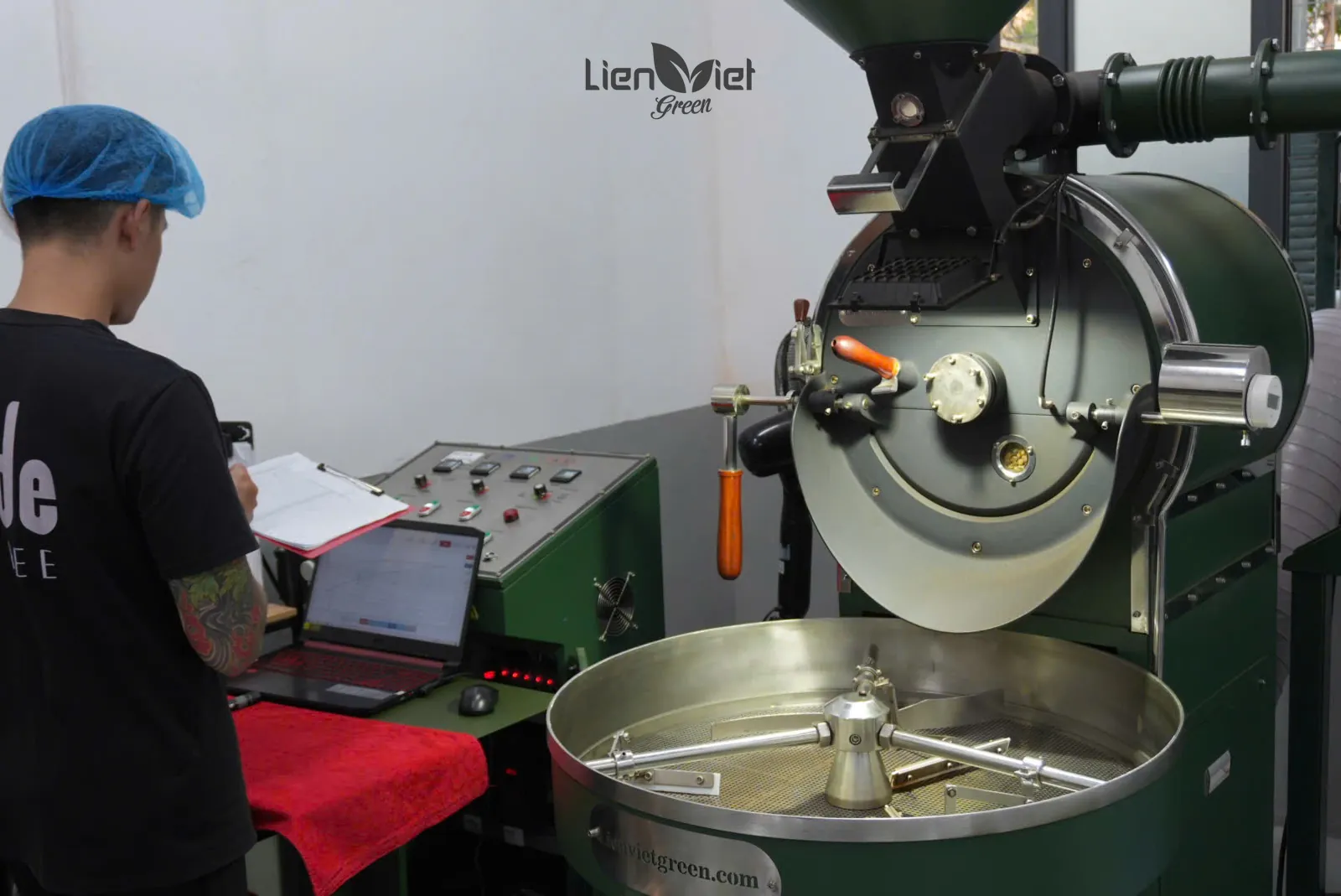
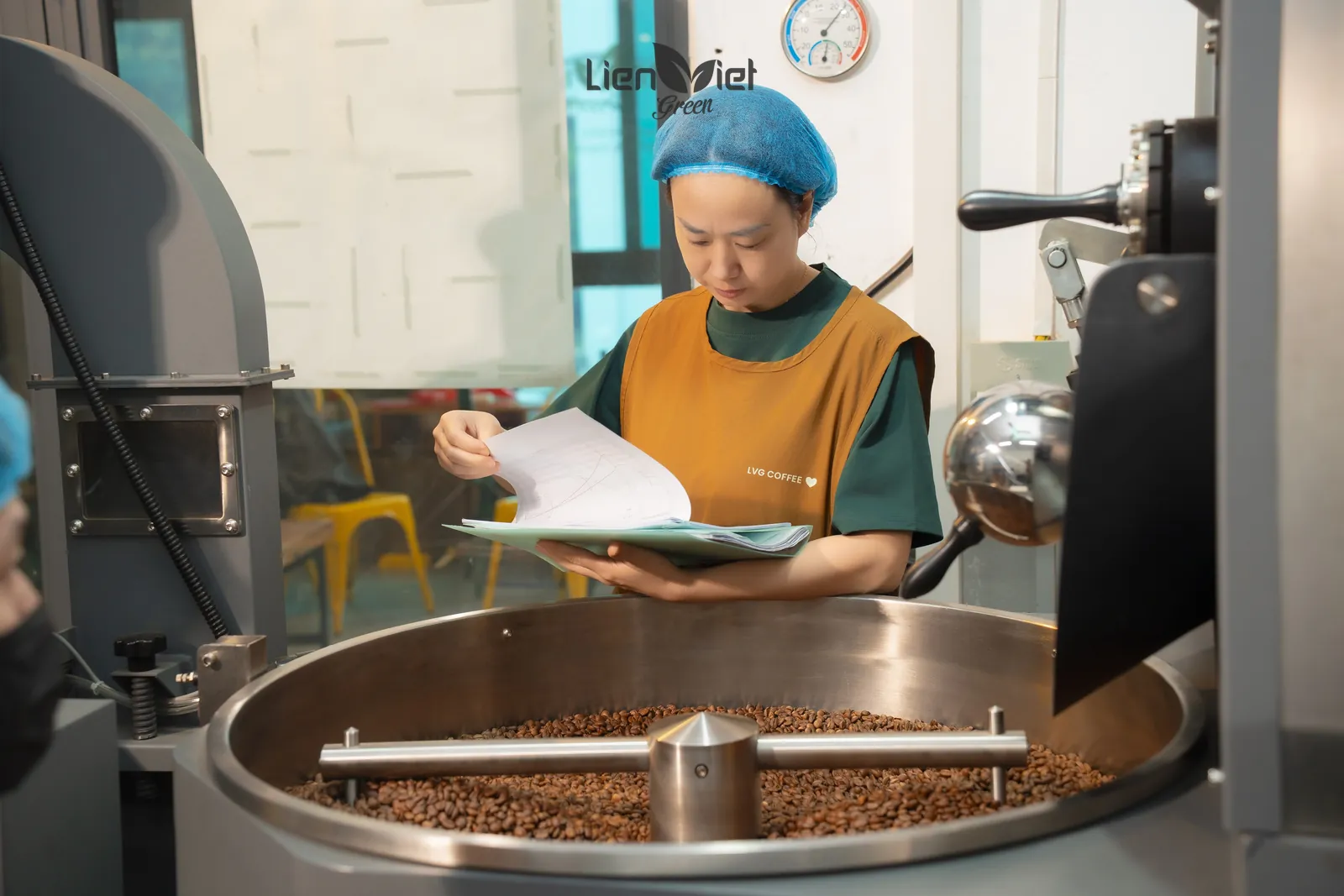
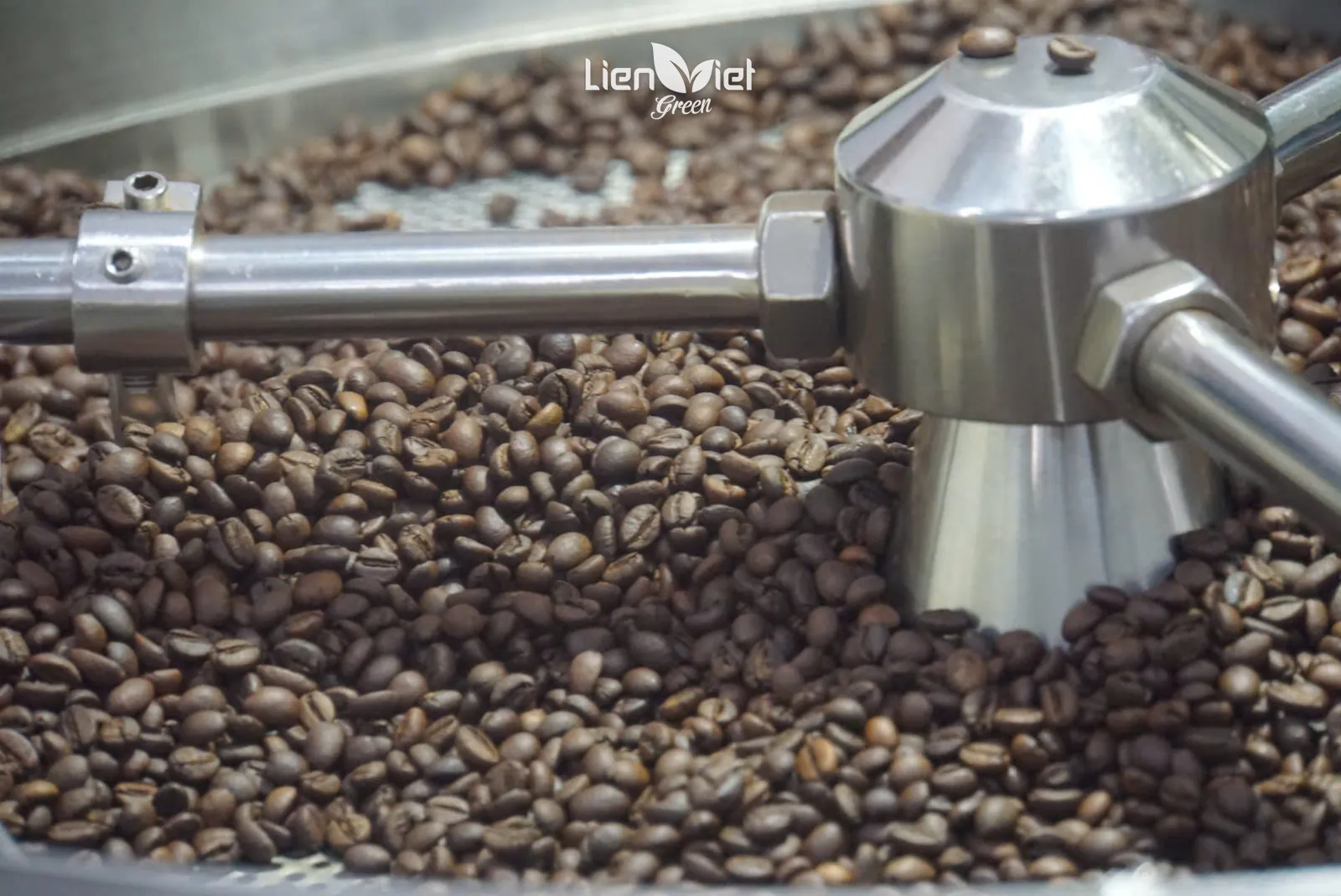
At Lien Viet Green, monitoring First Crack and Second Crack transcends subjective guesswork. Our roasting operations are engineered around comprehensive digital data logging throughout every phase of production.
Our facility utilizes advanced Hot Air (convection-dominant) roasting technology, ensuring uniform heat transfer across the entire bean charge, virtually eliminating surface scorching. Each product profile is digitally archived and monitored through bean temperature probes, real-time RoR curves, First Crack onset markers, Development Time Ratio, and post-roast Agtron spectrophotometer verification.
Every completed batch undergoes standardized SCA Cupping by certified quality control specialists to verify balance across fragrance, aroma, flavor, acidity, sweetness, body, and finish. This systematic QC workflow ensures that B2B clients, F&B franchise chains, and OEM/ODM private label partners receive unwavering product consistency.
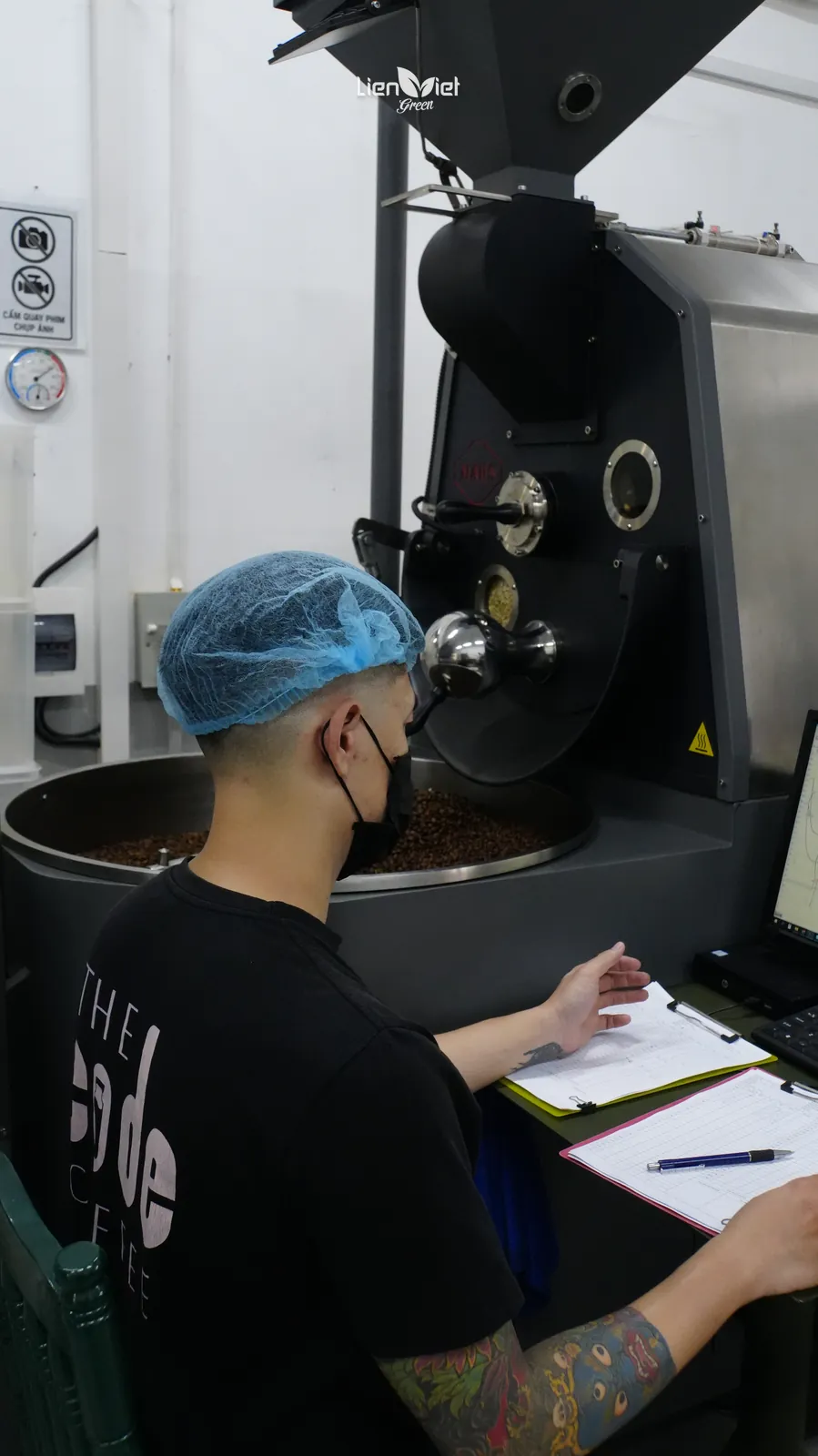
Underpinning our roasting technology is a transparent supply chain offering end-to-end farm traceability, ensuring that every green bean lot enters our roaster with verified moisture, density, and defect tolerances.
Conclusion
First Crack and Second Crack are not merely acoustic indicators in a roasting drum — they are physical and chemical markers of cellular evolution. Precise management of these two milestones enables roasters to unlock the unique flavor attributes of distinct coffee origins while establishing strict batch-to-batch repeatability.
“Control First Crack and Second Crack with data, not ears alone — that is how consistency is built across thousands of batches.”Lien Viet Green
For F&B chains, commercial roasters, and private-label OEM/ODM brands, selecting a manufacturing partner equipped with data-driven thermal control is essential to protecting product integrity and earning long-term customer trust.
Discuss First Crack and Second Crack with our roasting team
Share your target roast level, flavor goals, and brewing method — our team will recommend the right Roast Profile for your product line.
Both cracks are key markers on the roast curve, explained in what a coffee roast profile is and how it keeps batches consistent.
To see how stopping before or after each crack changes the cup, read how coffee roast levels shape modern flavor profiles.
If your café or chain needs a roast level matched to its brewing method, see how we roast for cafés and F&B chains, or book a cupping at our Long Bien roastery.
Sources: Specialty Coffee Association (SCA) coffee standards.
Frequently asked questions
At what temperature does First Crack happen?
First Crack usually starts when the bean reaches about 196–204 °C. The exact point depends on the coffee variety, processing method, moisture and bean density. The pops are loud and crisp, much like popcorn.
Why do coffee beans crack during roasting?
Pressure builds inside the bean. At First Crack, water turns to vapor and, together with CO₂, forces the bean to expand. At Second Crack, the cellulose structure breaks down and oils and CO₂ escape.
What does coffee roasted to Second Crack taste like?
It has heavy body, low acidity, and notes of dark chocolate, caramel and smoke. This level suits traditional espresso and strong phin coffee. Roasting too long past Second Crack gives burnt, ashy flavors.
Can you judge roast level by the sound of the cracks alone?
No. The timing of First Crack also depends on moisture, bean density, batch size, room temperature and the roaster. Roasters should also track bean temperature, Rate of Rise, Development Time and Agtron readings to keep batches consistent.
How long does it take to roast a batch of coffee?
A batch usually takes about 9 to 15 minutes, depending on the roaster, batch size and target roast level. First Crack tends to arrive about two-thirds of the way through, and the development time after it strongly affects sweetness and bitterness.