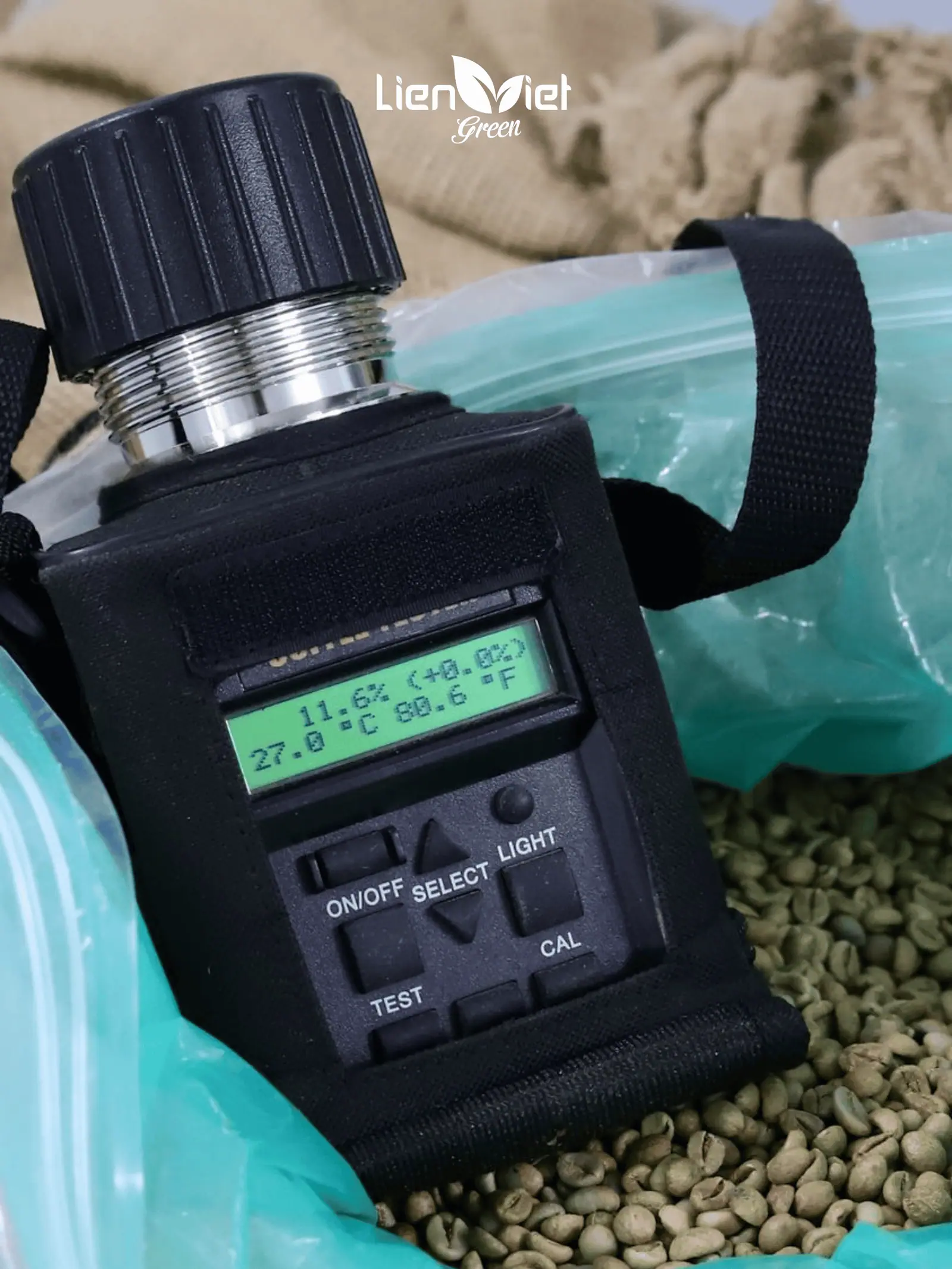
Moisture Content and Water Activity are the two parameters that govern the shelf life, roasting behavior, and sensory stability of green coffee. Understand their differences, safe thresholds, and how to control them across the specialty coffee supply chain.
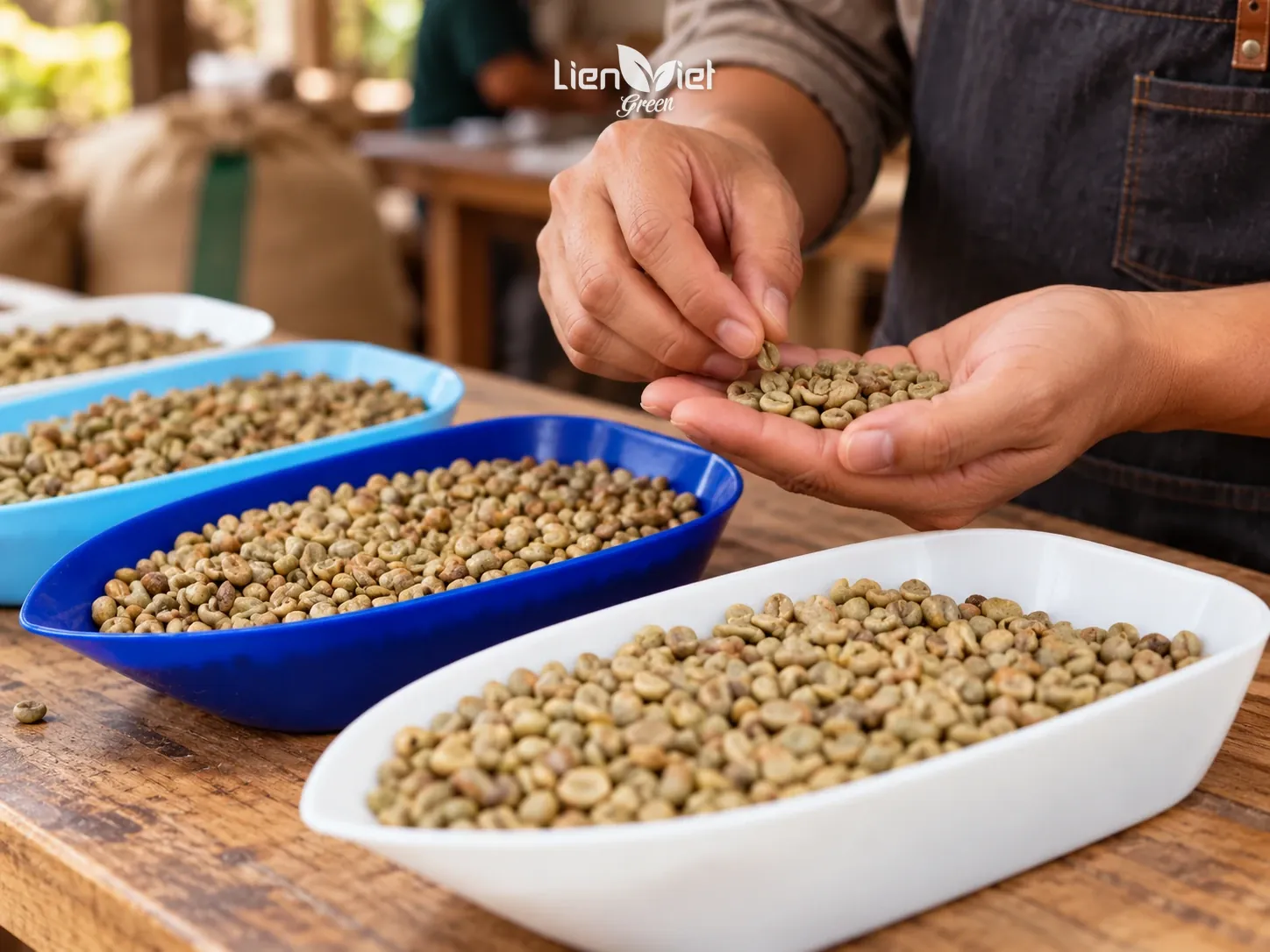
When discussing coffee quality, most professionals focus on variety, terroir, processing method, or roast profile. Yet there is a stage frequently underestimated that determines whether green coffee can maintain its quality throughout storage, transport, and distribution: moisture and water activity control.
Many businesses have encountered situations where a green coffee lot met moisture standards at intake but showed quality degradation within months — fading aroma, inconsistent roasting behavior, even mold development.
What Is Moisture Content?
Moisture Content (MC) is the percentage of water within the coffee bean relative to its total mass. It is the first parameter checked when evaluating green coffee before warehousing or export.
International standards place the ideal MC range at 10–12%. Within this range, cell structure remains stable, roasting reactions proceed uniformly, and storage viability is extended.
- MC too high (> 12%)
- MC on target (10–12%)
- MC too low (< 10%)
When MC is too high
Excess moisture provides a medium for mold and yeast growth, alters internal chemistry, and produces musty, fermented off-flavors. High-MC beans also require more energy during the drying phase of roasting, shifting the entire profile curve and making batch-to-batch replication difficult.
When MC is too low
Overly dry beans become brittle, crack during transport, and conduct heat unevenly — the surface develops while the core lags. The result: harsh bitterness, no sweetness, and a short, flat finish.
What Is Water Activity?
If MC answers “how much water is in the bean,” Water Activity (aw) answers the more critical question: “How much of that water is free to participate in chemical reactions and microbial growth?”
Water inside a coffee bean exists in two forms: bound water (locked within the cell structure, biologically inert) and free water (mobile, capable of supporting mold, bacteria, and oxidation). Water Activity measures the free fraction on a 0–1 scale.
For green coffee, an aw below 0.60 is widely recognized as the threshold that suppresses most microbial activity, extending storage life and preserving sensory quality. This is why aw is considered a better predictor of shelf life than MC alone.
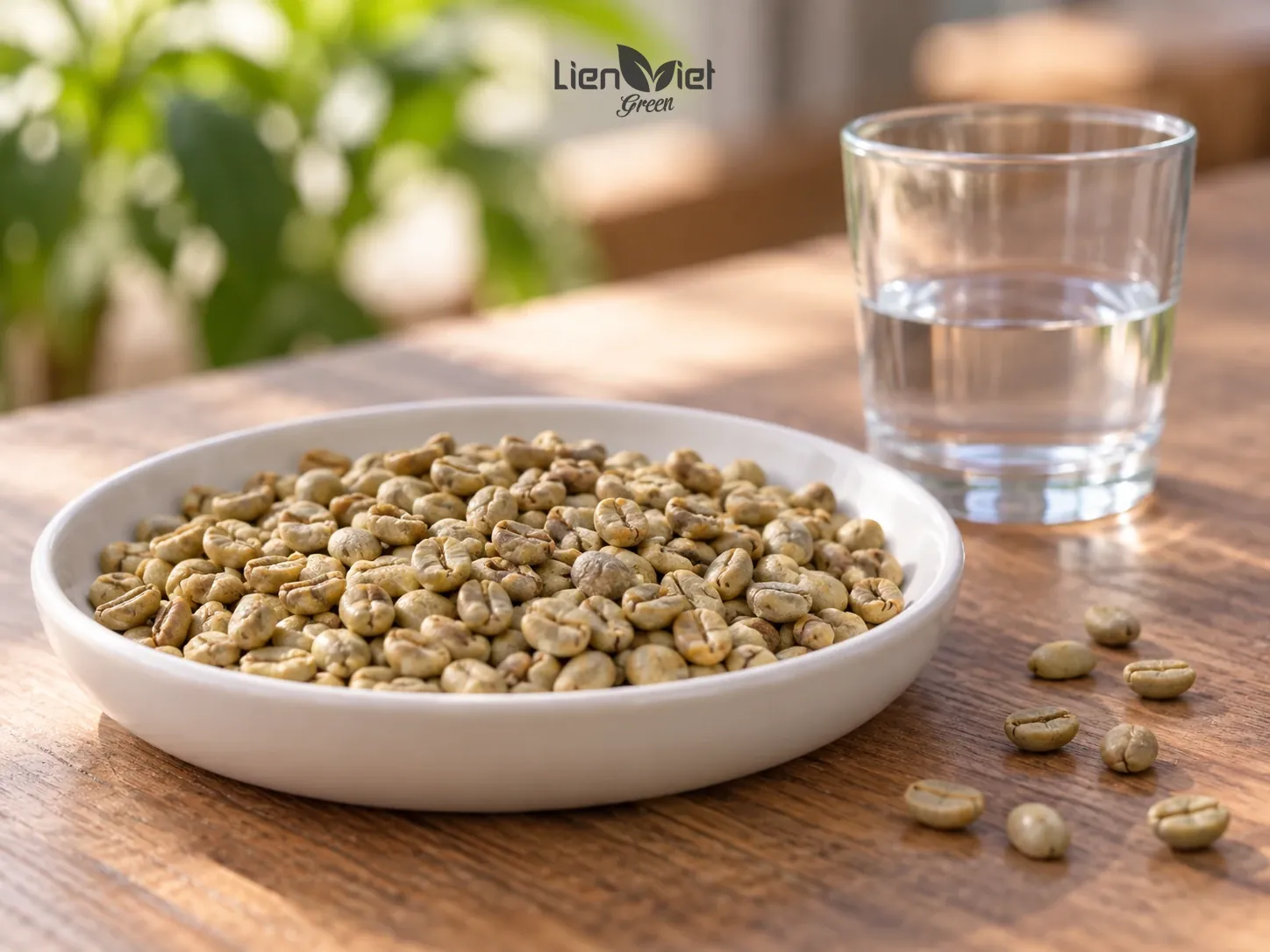
Moisture Content vs. Water Activity
A lot with an on-target MC of 11% but elevated aw will degrade faster than one with the same MC but lower aw, because free water drives biological activity regardless of total moisture.
Side-by-side comparison| Parameter | Moisture Content | Water Activity |
|---|---|---|
| Measures | Total water in the bean | Free water available for reactions |
| Unit | % (percentage) | aw (0–1 scale) |
| Primary role | Governs roasting behavior | Governs shelf life and stability |
| Target | 10–12% | Below 0.60 |
| Significance | Ensures stable bean structure | Suppresses microbial growth |
How MC and aw Affect the Roasting Process
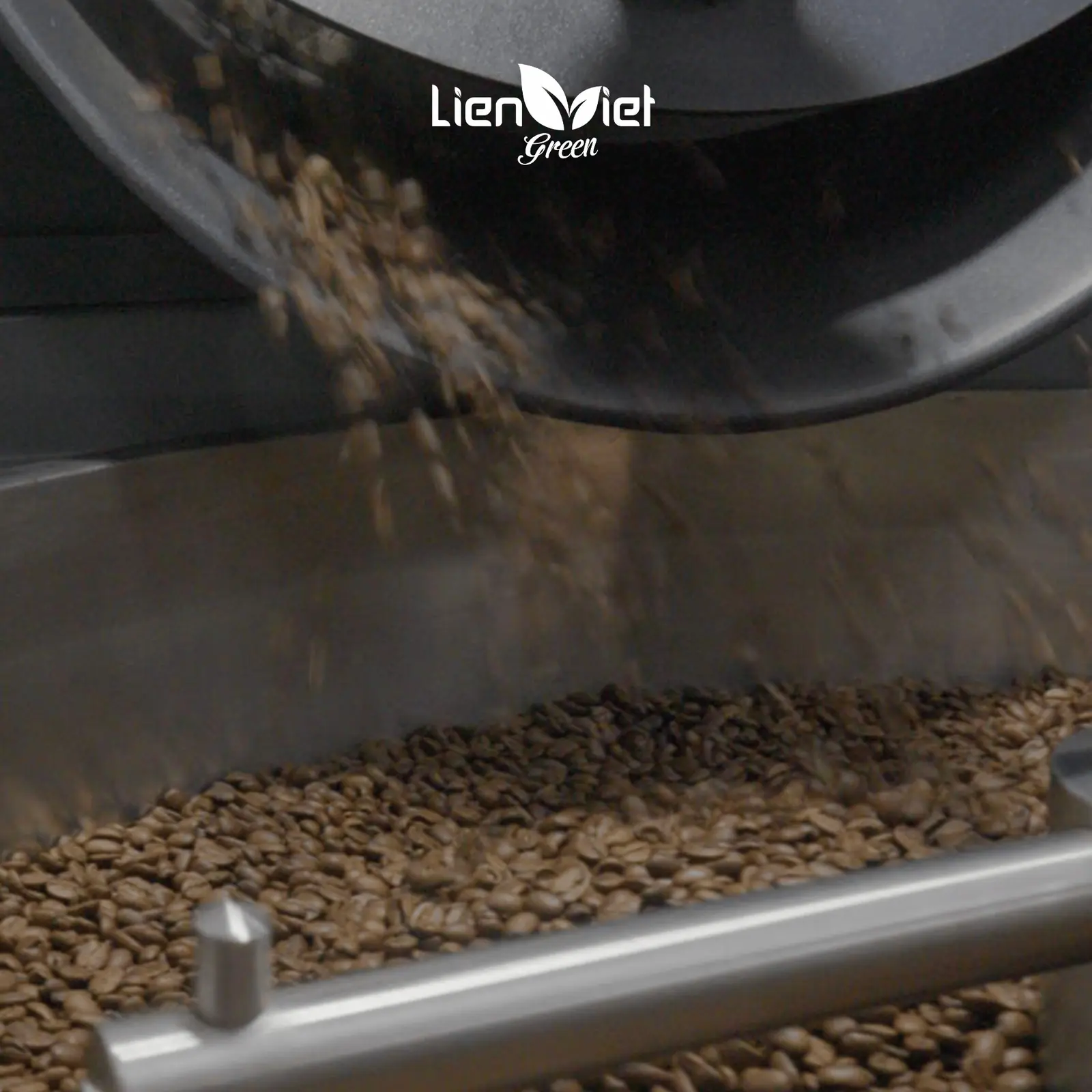
During the initial drying phase, thermal energy is consumed evaporating residual moisture. When MC is evenly distributed and aw is within range, heat transfer proceeds steadily — Maillard and caramelization reactions develop on schedule.
- Extended drying phase
- Delayed First Crack
- Shortened development
Overly wet beans waste energy on drying, shifting the entire curve. Overly dry beans absorb heat too fast, causing surface scorching while the core remains underdeveloped. Both paths produce inconsistent cup quality.
Why MC and aw Determine Coffee Shelf Life
Shelf life is measured not by months in storage, but by the duration green coffee retains its sensory quality and roasting potential. Throughout storage, beans continuously exchange moisture with the environment.
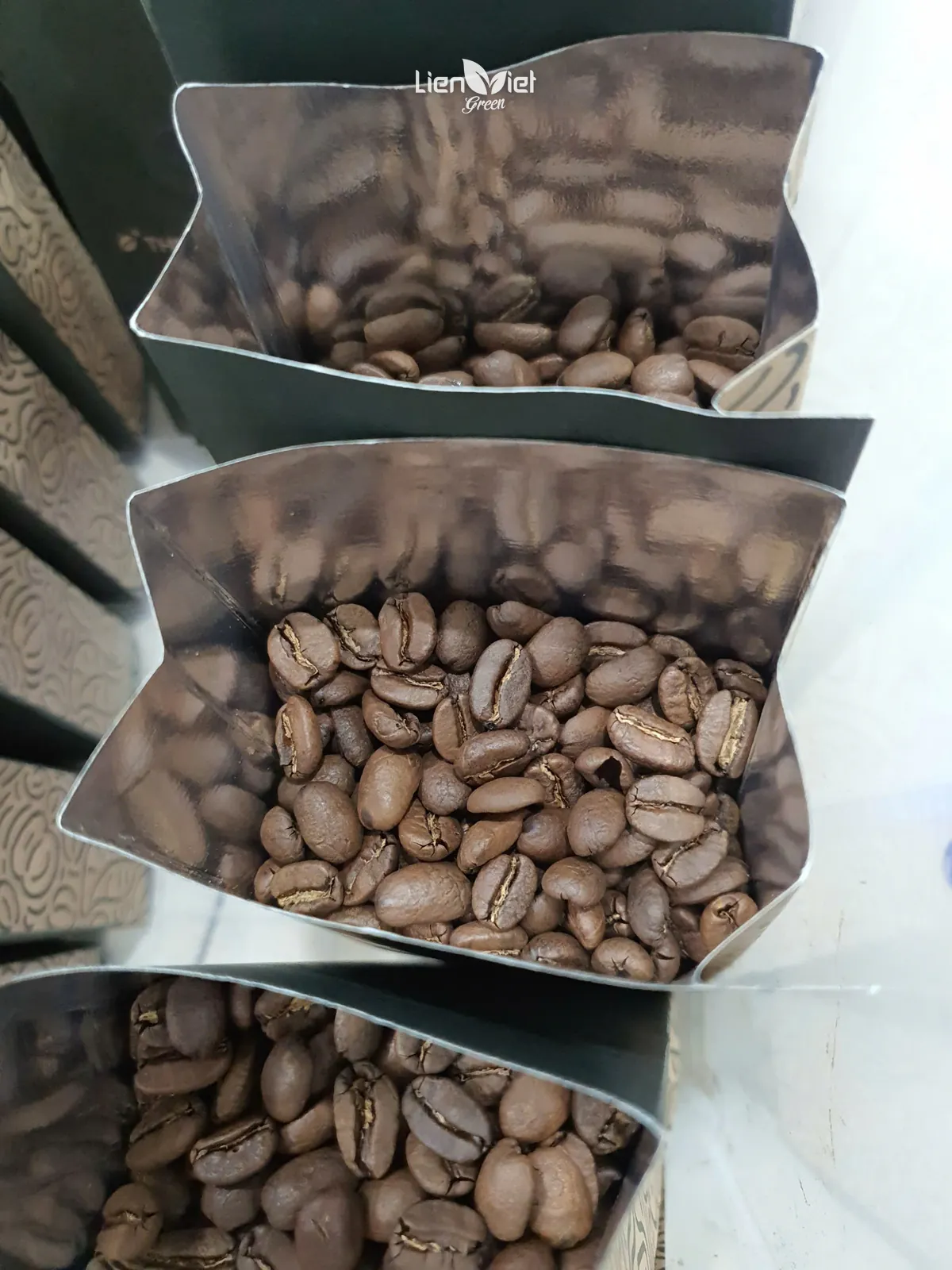
When aw rises → mold, accelerated oxidation, aroma loss. When aw drops too far → lipid oxidation increases, volatile aroma compounds degrade rapidly. This is why the same roast recipe produces dramatically different results after a few months of storage.
For F&B businesses, the downstream impact is inconsistent beverage quality, customer complaints, and increased raw material waste.
Common Storage Mistakes
- Measuring MC only at intakeWithout tracking aw during storage, environmental fluctuations go undetected.
- Unstable warehouse climateEvery temperature or humidity swing forces beans to absorb or release moisture, degrading quality over time.
- Inadequate packagingDirect air exposure raises aw and accelerates aging.
- No periodic re-testingProblems are only discovered when off-flavors appear or roasted output is affected — too late for correction.
Lien Viet Green: Quality Control from the Smallest Parameters
At Lien Viet Green, every lot is rigorously controlled from raw material intake. MC and aw are measured with calibrated instruments before warehousing.
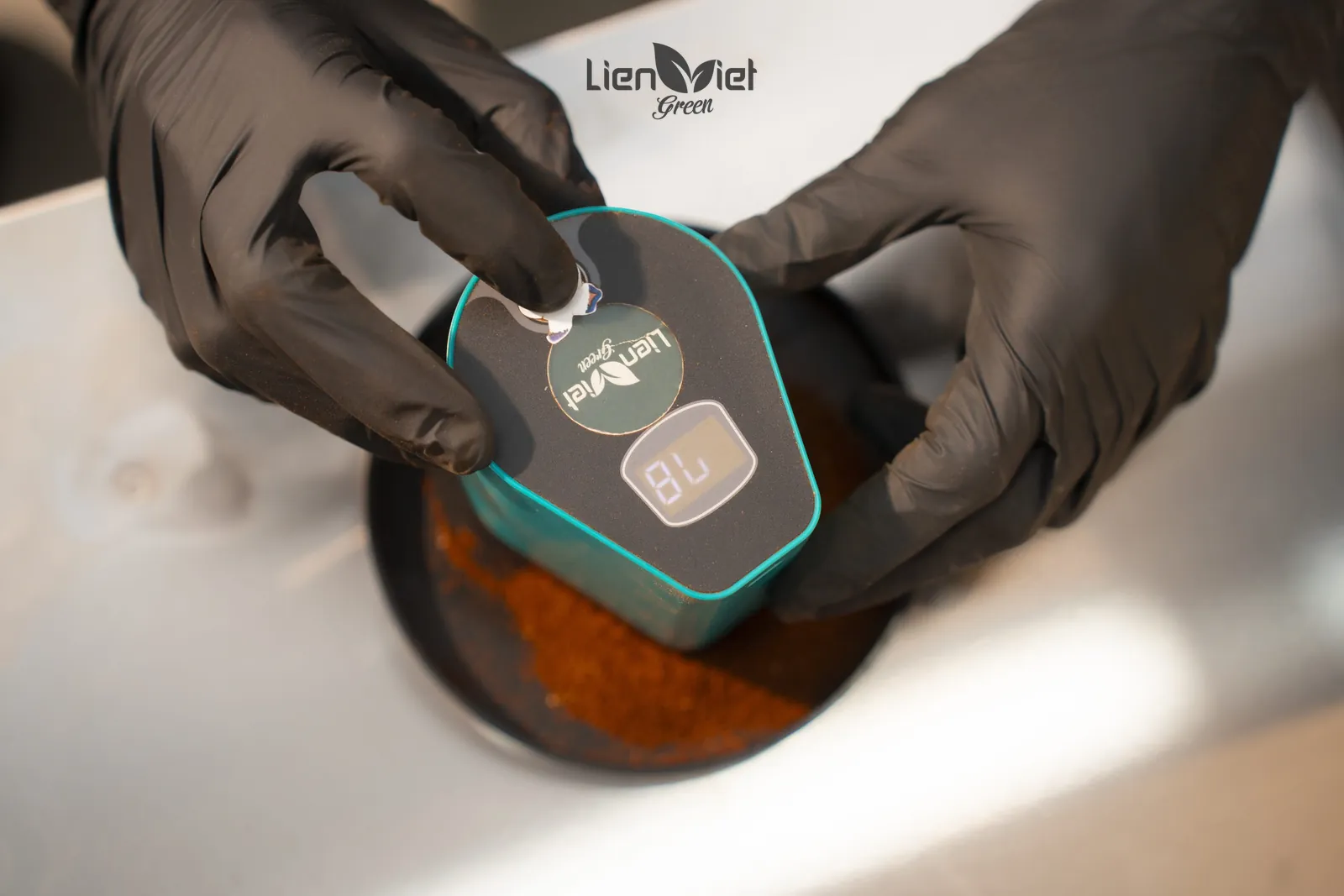
Our warehouse operates under controlled temperature and humidity protocols, minimizing raw material variability throughout storage. This enables higher roast consistency, reduces defect risk, and preserves the inherent flavor characteristics of each origin.
Lien Viet Green delivers a complete quality control solution — from farm, processing, and storage through roasting and flavor profile development.
“A stable cup of coffee does not begin at the brew station or the roast recipe — it begins with the quality of the green bean.”Lien Viet Green
For F&B businesses, commercial roasters, and OEM/ODM partners, controlling MC and aw is the decisive factor in maintaining flavor stability across thousands of cups every day.
Need green coffee with verified MC, aw, and cupping data?
Send us your volume requirements and brew method. We will propose lots with full moisture, water activity, and sensory data, plus samples for your own evaluation.
For the roasting side of the story, read how green coffee moisture content affects roasting quality.
Once the coffee is roasted, follow our guide to storing roasted coffee beans in commercial cafés.
If your café or chain needs coffee roasted from lots checked for moisture and water activity, see our coffee supply for cafés and chains, or book a cupping at our Long Bien roastery.
Frequently asked questions
What is the right moisture content for green coffee?
Ideal green coffee moisture content is usually 10–12%. Beans that are too wet risk mold, while beans that are too dry become brittle, crack easily and are hard to roast evenly.
What water activity level is safe for green coffee?
A water activity below 0.60 aw suppresses most microbial growth and extends storage life. Because water activity measures free water, it predicts shelf life better than total moisture content alone.
Is measuring moisture at intake enough?
No. A lot at 11% moisture with high water activity will still degrade faster than one with lower water activity. Measure both MC and aw, and re-test regularly throughout storage.
How does bean moisture affect roasting?
Overly wet beans spend extra energy in the drying phase, which shifts the roast profile and delays first crack. Overly dry beans absorb heat too fast and can scorch on the surface before the core develops. Both lead to inconsistent flavor.
How should green coffee be stored to keep its quality?
Keep the warehouse at a stable temperature and humidity, use packaging that limits air exposure, and test the coffee periodically. Do not measure MC only at intake and then ignore water activity during storage.