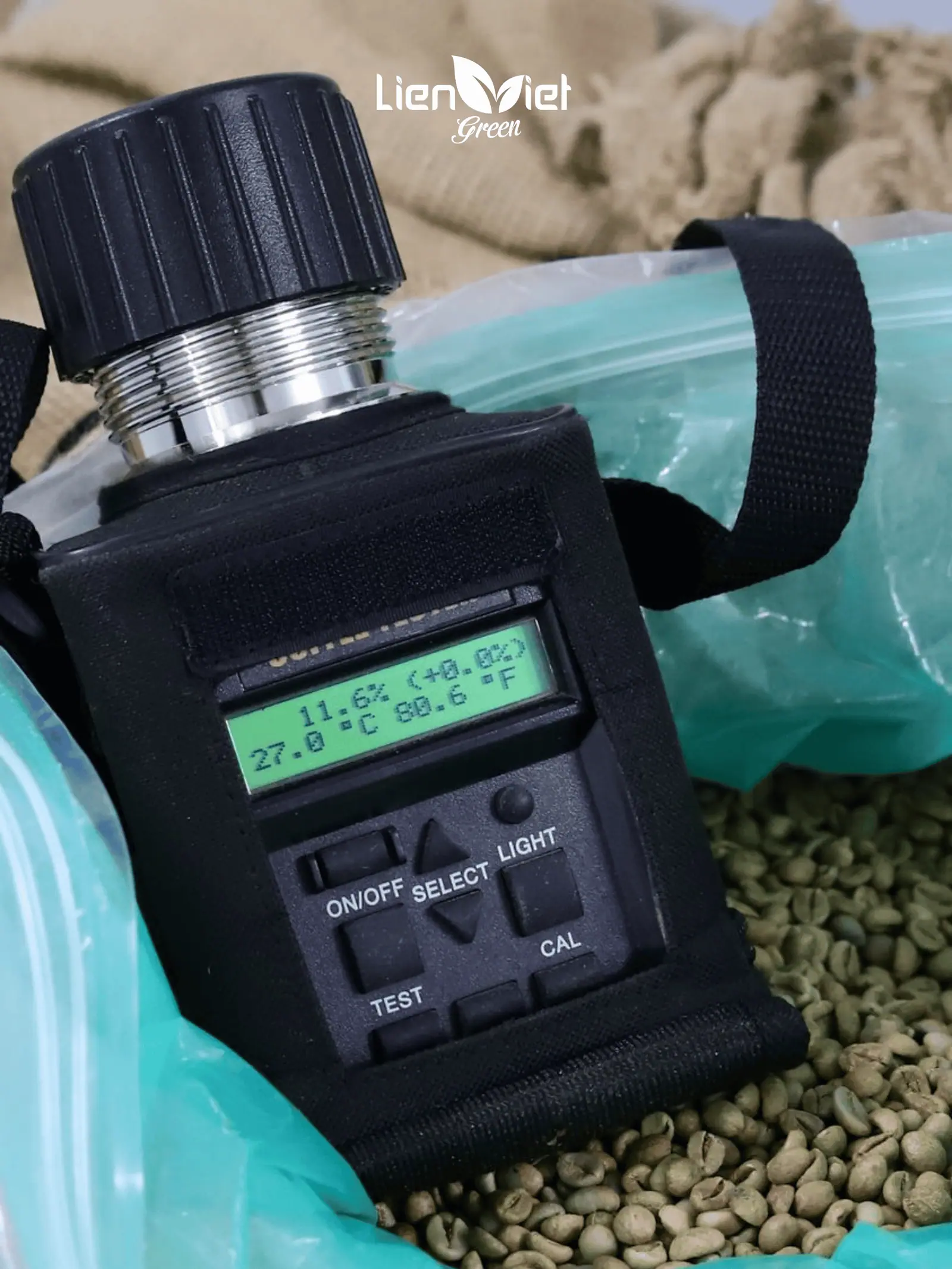
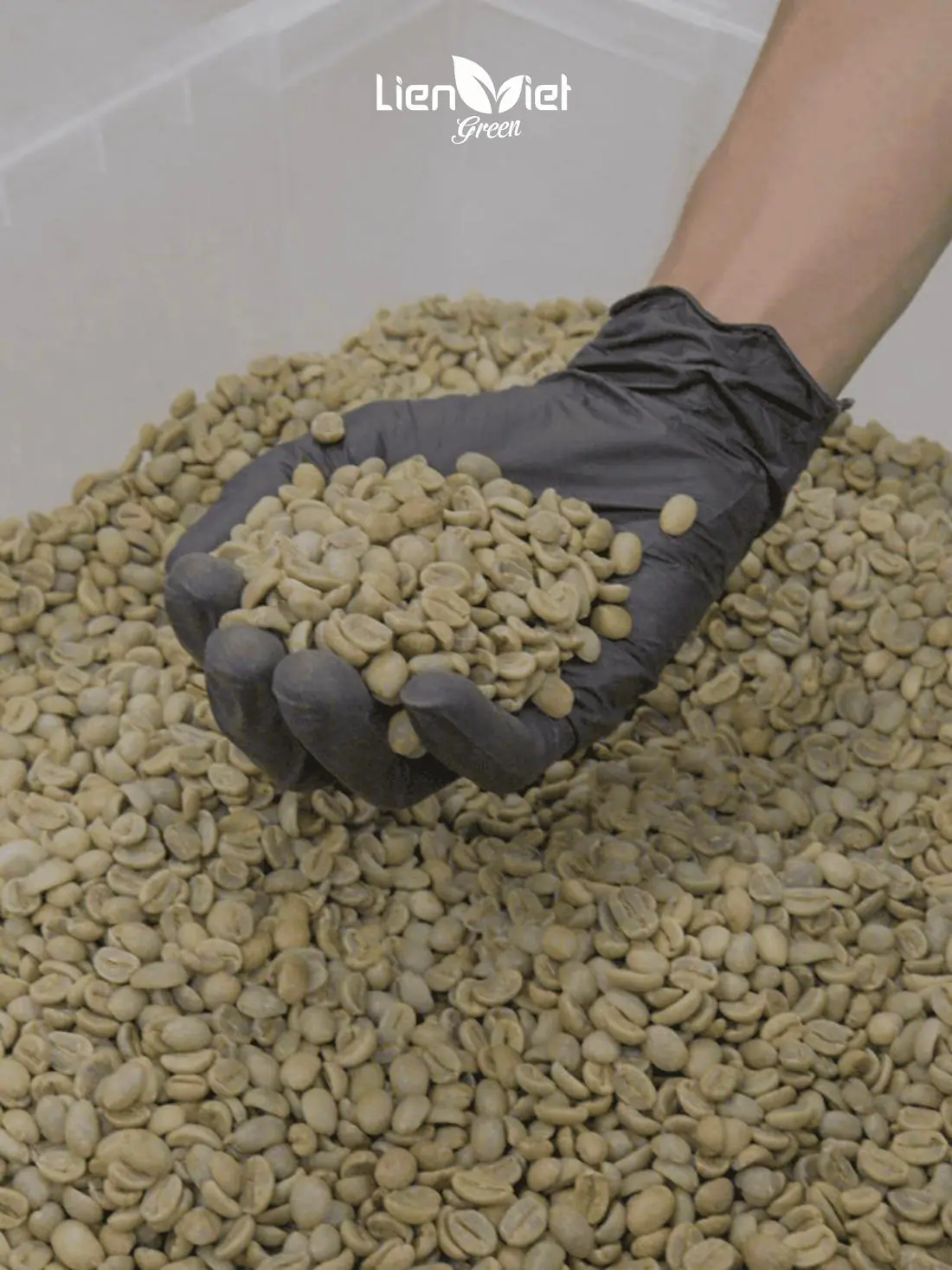
Coffee quality is defined on two levels: sensory benchmarks in the cup, meaning a clean aroma, balanced taste, round body and a long, clean aftertaste, and technical parameters in the green bean, meaning moisture content, water activity, screen size, SCA defect counts and bulk density.
What defines green coffee bean quality? Explore five essential physical and biochemical benchmarks: moisture content, water activity (Aw), screen sizing, SCA defect counts, and cellular bulk density at Lien Viet Green.
Across the global coffee value chain from farm to finished beverage, international Q Grader sensory professionals uphold a fundamental axiom: “A skilled roaster can easily ruin an exceptional batch of green beans, but no roaster on earth can craft a delicious cup from inferior raw material.”
Green Coffee Beans command more than 60% of the sensory potential of the final roast. If incoming raw material is contaminated with molds, primary black defects, insect damage, or unstable moisture fluctuations, no roasting technology can salvage the cup’s clarity, sweetness, and cleanliness.
Green coffee beans: The foundation governing 60% of cup flavor
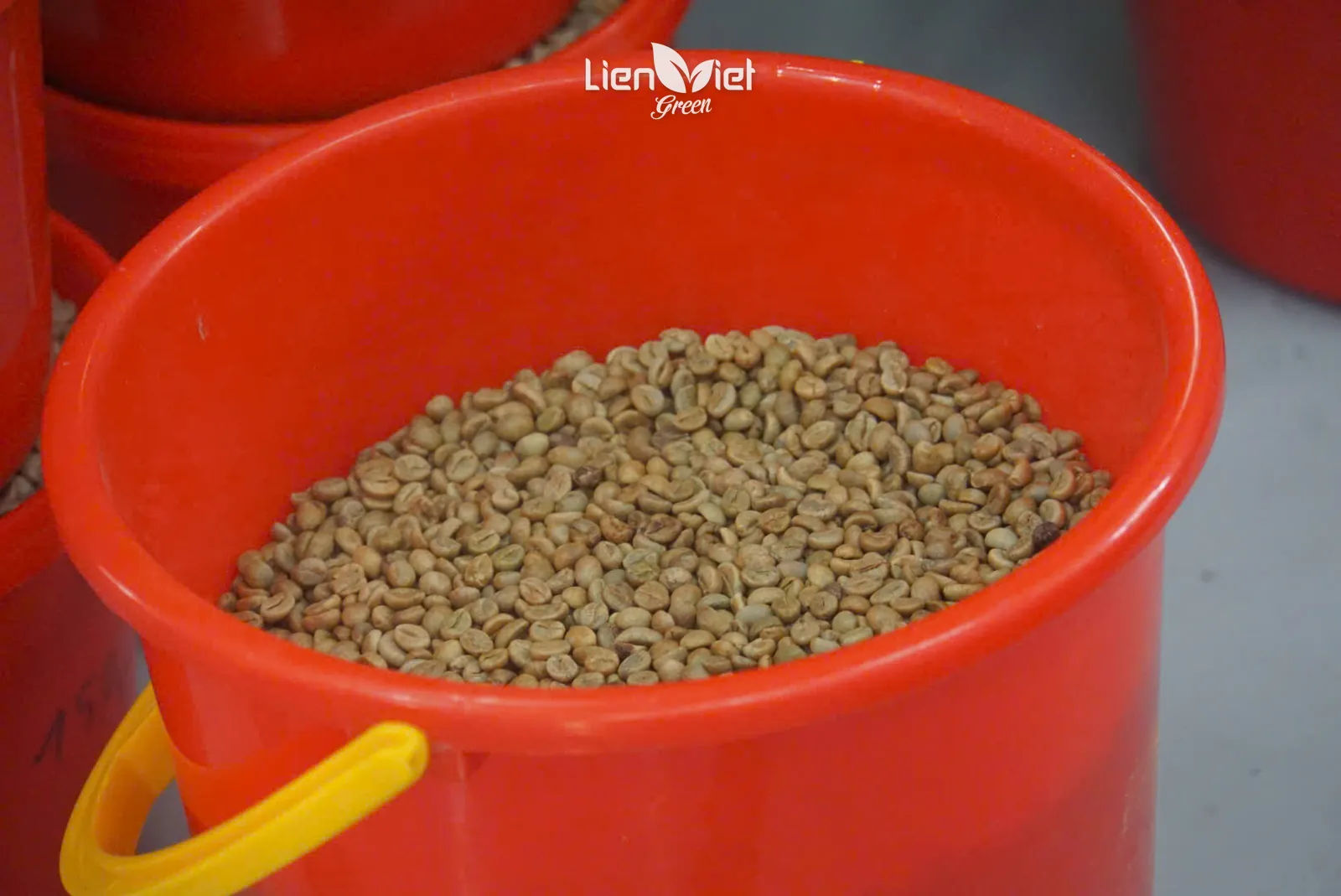
A green coffee bean is a living seed containing a dense biological matrix of aromatic precursors: non-reducing sucrose, chlorogenic acids, trigonelline, amino acids, and lipids. These compounds directly mirror farm elevation, volcanic soil fertility, and post-harvest washing discipline.
Precursors of Maillard & Strecker Degradation
Beans cultivated above 1,200 meters develop dense organic acid and sugar profiles, unlocking floral nuances, bright malic acidity, and complex sweetness upon thermal roasting.
Cellular Density & Convective Heat Resistance
Bulk density exceeding 680 g/L ensures even convective heat transfer throughout the bean structure, preventing surface tipping and scorching.
Five critical physical and biochemical quality benchmarks
To guarantee consistent industrial roasting behavior and zero commercial defect drift, Lien Viet Green validates five mandatory technical parameters for every inbound lot:
Technical benchmark audit matrix
| Audit Parameter | Unregulated Commercial Bulk | Lien Viet Green Standardized Green Beans |
|---|---|---|
| Screen Sizing | Mixed sizes (S13–S18), causing uneven roasting rates | Standardized Screen 16–18 with >95% sizing uniformity |
| Moisture Content (MC%) | Fluctuating wildly (9.0% – 13.5%), high mass loss | Calibrated within international target range of 10.5% – 11.5% |
| Water Activity (Aw) | Exceeding critical threshold (>0.62 Aw), risk of mold toxins | Maintained strictly below 0.60 Aw with benchtop telemetry |
| SCA Defect Counts | High defect count (>7% defective beans, sour/black) | Zero primary defects, total secondary defects <1.5% |
| Bulk Density | Porous, soft beans (<620 g/L), prone to tipping | High density (680 – 720 g/L) ensuring uniform thermal absorption |
Moisture content and water activity (Aw): Safe storage boundaries
The phase diagram below demonstrates the safe equilibrium storage envelope for green coffee based on moisture content and water activity interactions:
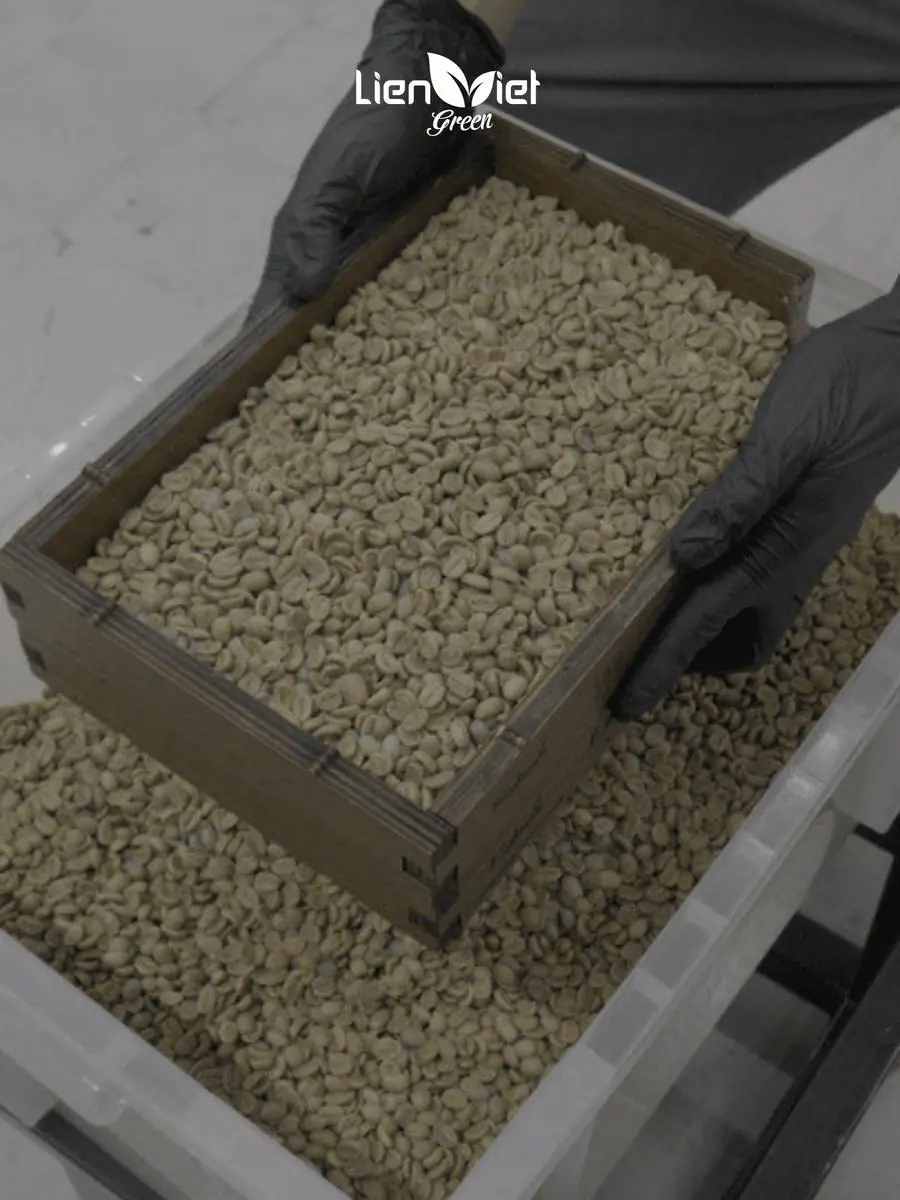
Precise mechanical screen sizing ensures identical convective surface-to-volume thermal exposure across every single bean in the roasting drum:
The SCA green coffee defect classification protocol
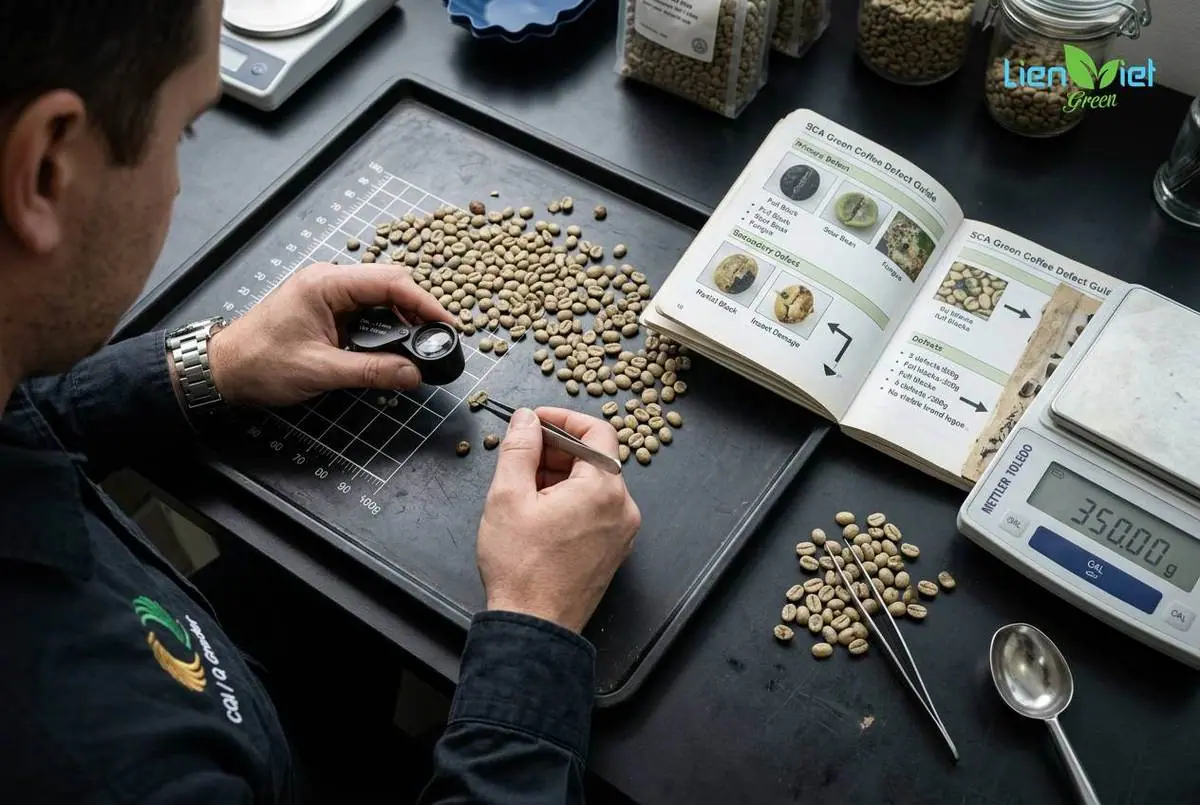
The Specialty Coffee Association mandates defect counting on a standardized 350-gram representative sample, categorizing imperfections into two tiers:
- Primary Defects: Full Black, Full Sour, Pod, Fungus Damage
- Secondary Defects: Broken, Chipped, Insect Damage, Hull/Husk
- Equivalent Point Calculation
- Physical & Sensory Threshold Audit
-
Primary Defects (Zero Tolerance Allowed)A single full black bean, full sour bean, or fungus-damaged seed will severely contaminate an entire brew and poses health risks.
-
Secondary Defects (Tolerances Strictly Capped)Chipped beans, slight insect damage, and loose husks are removed via color sorting and manual inspection tables.
-
Specialty Grade (Grade 1 Standard)Zero primary defects and fewer than 5 full secondary defect points per 350g sample.
-
Premium Commercial (Grade 2 Standard)Fewer than 3 primary defects and under 8 secondary defect points, engineered for high-volume commercial consistency.
Benchmarking commercial and specialty grades across the B2B spectrum
Lien Viet Green categorizes green bean offerings across clear sensory and economic tiers to optimize our clients’ cost of goods sold (COGS):
GrainPro hermetic storage and climate-controlled warehousing
To prevent green coffee from re-absorbing environmental moisture during humid monsoon seasons, 100% of raw inventory at Lien Viet Green is sealed in multi-layer GrainPro hermetic liners inside traditional jute sacks.
This creates a modified atmosphere that suppresses cellular respiration, prevents insect breeding, keeps moisture drift under 0.3%, and locks water activity below 0.58 Aw for up to 365 days of warehouse storage.
The eight-step green bean quality audit workflow at Lien Viet Green
Every inbound coffee lot undergoes a rigorous eight-stage quality verification pipeline before acceptance into production:
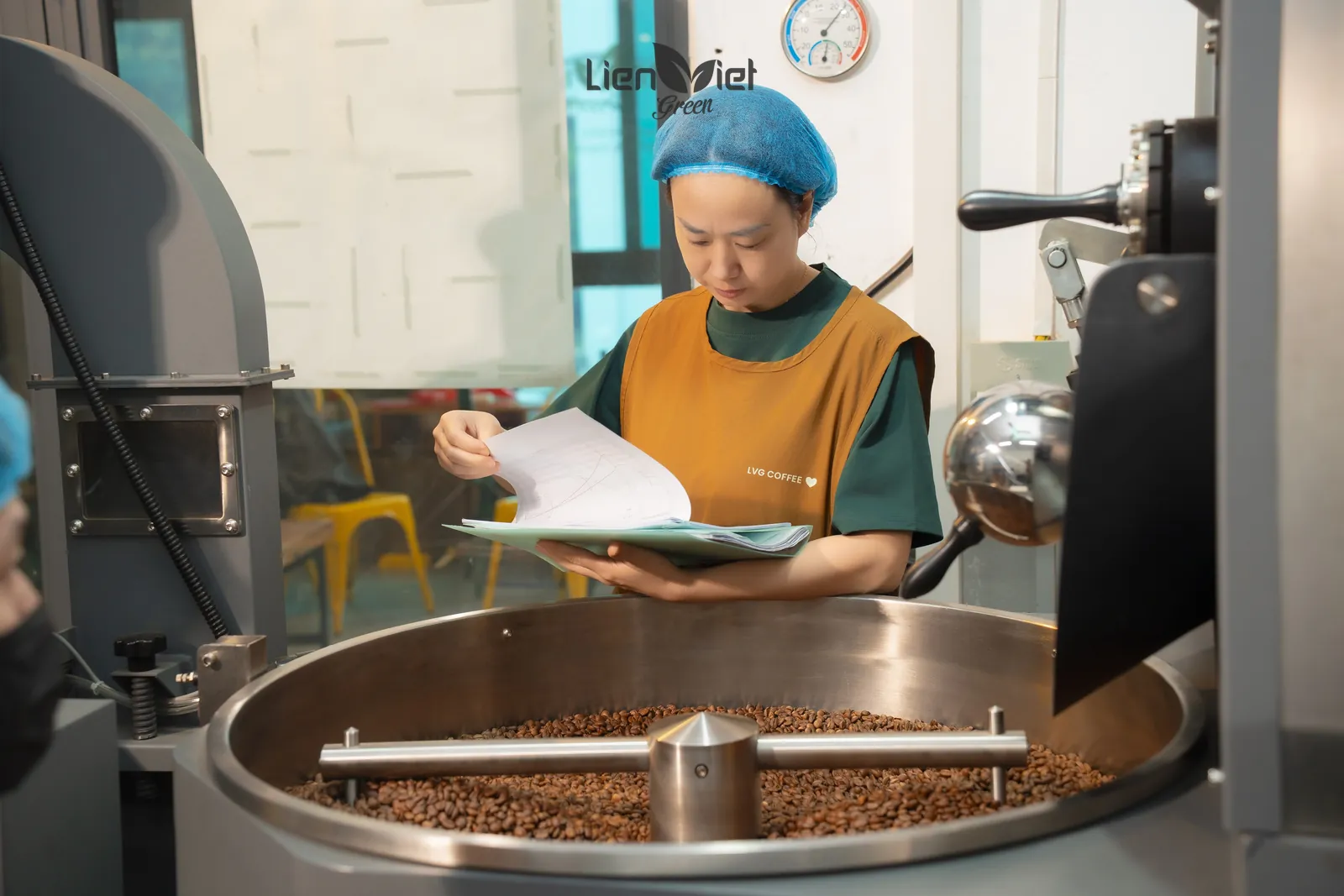
Representative Spear SamplingCollecting randomized samples from a minimum of 10% of bags across the lot using triers.
Moisture Content Audit (MC%)Testing three independent samples with calibrated capacitance moisture meters.
Water Activity Analysis (Aw)Benchtop vapor pressure measurement ensuring safe boundaries below 0.60 Aw.
Mechanical Screen GradingPassing samples through standardized Screen 16/18 sieves to verify sizing uniformity.
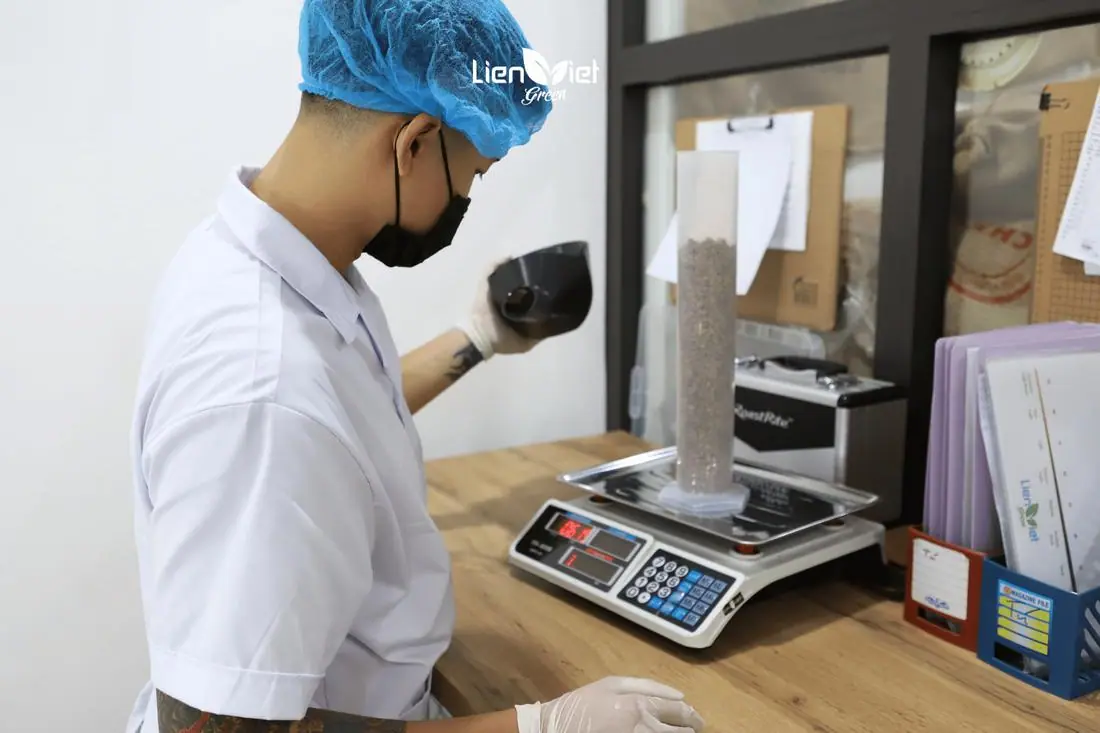
Bulk Density MeasurementDetermining volumetric mass density (g/L) using standardized graduated cylinders.
SCA Defect Hand SortingManual defect isolation and counting across 350 grams on black-and-white evaluation boards.
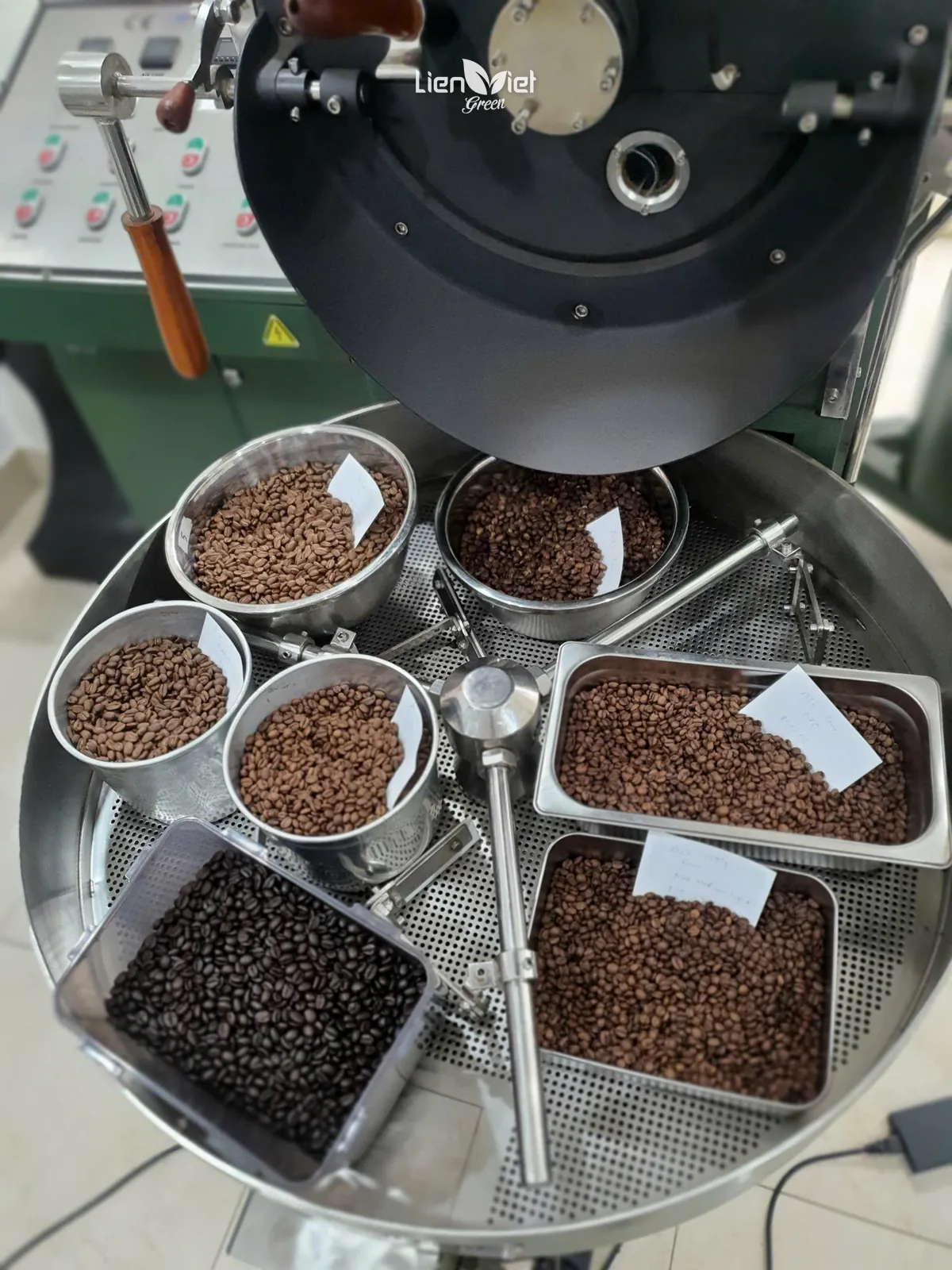
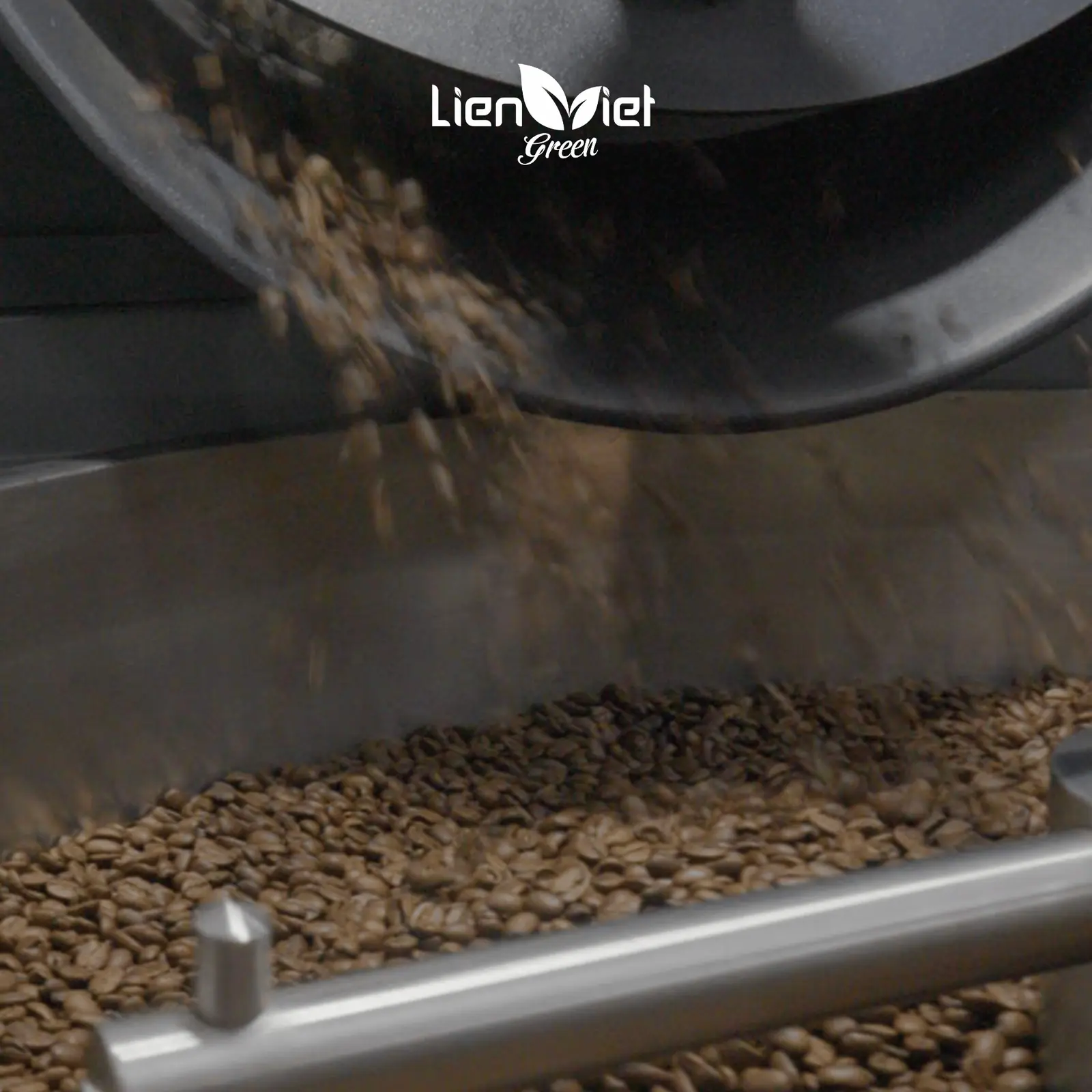
Sample Batch RoastingStandardized sample roasting on laboratory roasters following strict SCA time-temperature protocols.
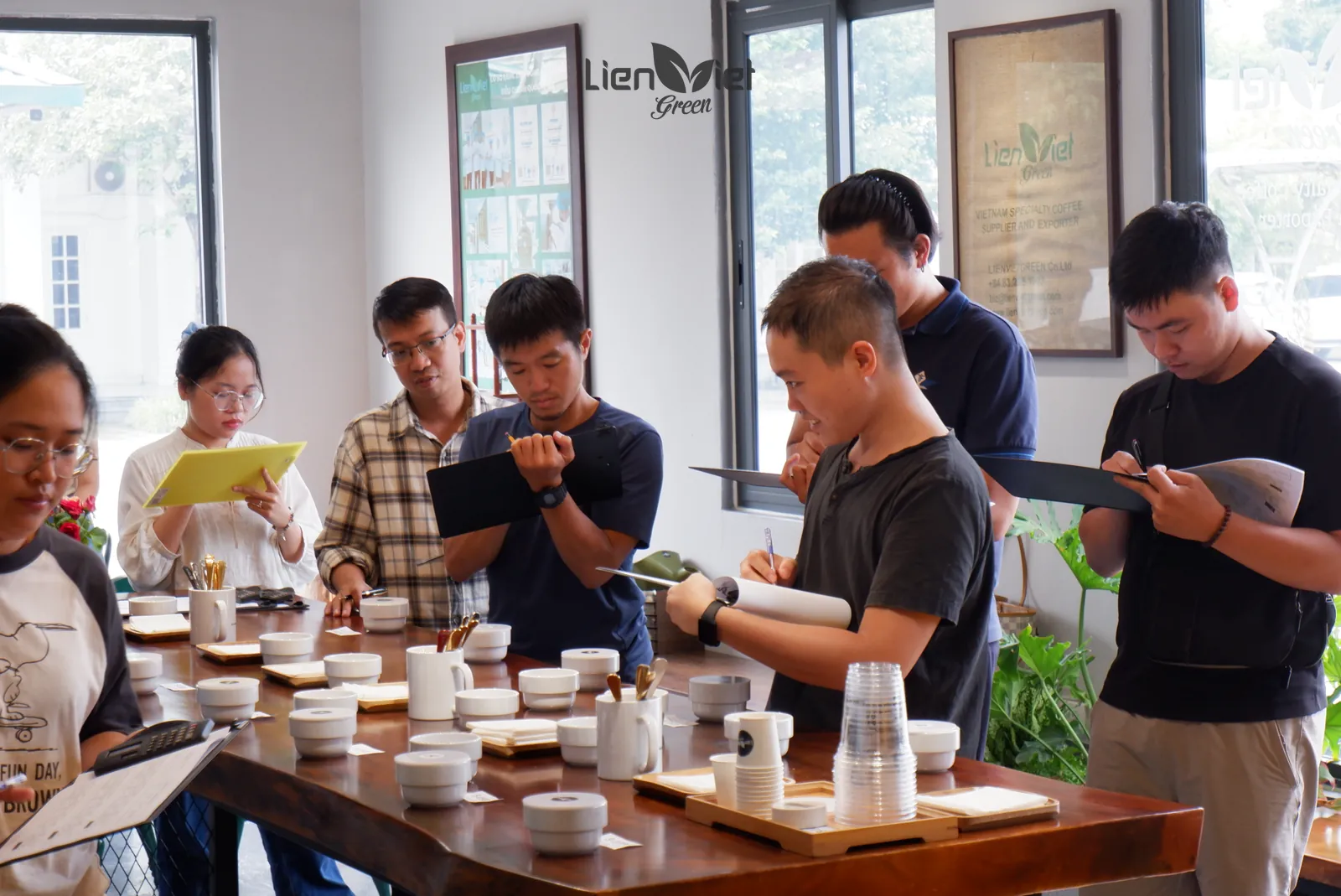
Q Grader Cupping & CoASensory evaluation by certified Q Graders and issuance of formal Certificate of Analysis.
Conclusion: Controlling origin quality – The key to protecting F&B margins
Standardizing green coffee quality from the farm gate is the most effective operational strategy for F&B chains to eliminate roasting waste, stabilize flavor profiles across nationwide branches, and protect long-term operating profitability.
Lien Viet Green provides B2B partners with verified raw green beans and full-service OEM roasting: traceable origins, rigorous physical parameters, and farm-direct sourcing.
Looking for SCA-Graded Green Beans & Professional OEM Roasting?
Connect with Lien Viet Green today to request complimentary bean samples, complete CoA dossiers, and OEM roasting terms tailored to your brand.
For the farm-level factors behind these numbers, read what determines green coffee bean quality.
Defect grading is covered in more depth in our guide to green coffee defects and strict QC.
If your café or chain needs coffee checked against these benchmarks, see how we supply cafés and F&B chains, or book a cupping at our Long Bien roastery.
Sources: Coffee Quality Institute (CQI) Q Grader certification; Specialty Coffee Association (SCA) coffee standards; ISO 22000:2018 on the ISO website and Lien Viet Green roastery ISO 22000:2018 certificate.
Frequently asked questions
What makes a good cup of coffee?
A good cup has a clean, clear aroma, a balanced taste that is neither too sour nor too bitter, a round body and a clean, lasting aftertaste. It is good when all of these come together in harmony.
What is aftertaste in coffee?
Aftertaste is the flavor that stays after you swallow. A good aftertaste is clean, pleasant and long, perhaps light sweetness, caramel, chocolate or fruit, and it is what makes people remember a cup.
What does body mean in coffee?
Body is the sense of weight and thickness of the coffee in your mouth. A good cup is not thin or hollow but round and smooth, which gives the drink depth.
Which technical parameters are checked on green coffee?
The five core benchmarks are screen size, moisture content, water activity, SCA defect counts and bulk density. At Lien Viet Green each incoming lot is also sample-roasted and cupped by Q Graders before it enters production.
What is the difference between primary and secondary defects?
Primary defects, such as full black, full sour or fungus-damaged beans, can taint a whole brew, so specialty grade allows none. Secondary defects, such as broken, chipped or slightly insect-damaged beans, are allowed only in small numbers per 350 g sample.