Coffee Roast Levels: The Critical Touchpoint for Modern Flavor Profiles
Explore the three foundational coffee roast levels—Light, Medium, and Dark—to master flavor balance, acidity, body, and brewing adaptability for modern F&B business applications.
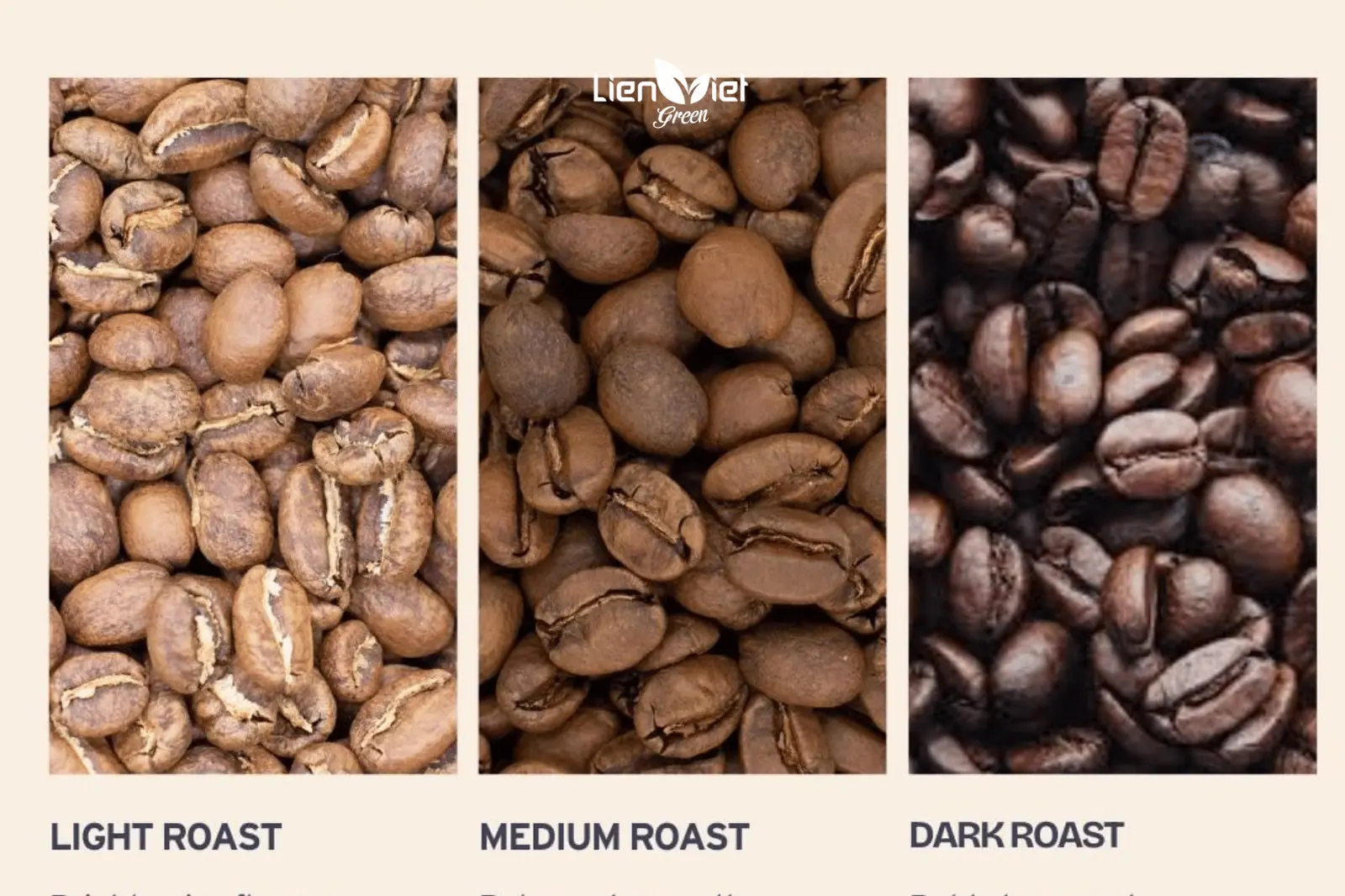
Coffee roast levels fall into three main groups, light, medium and dark, set by when the batch is discharged relative to first and second crack. Light roasts keep origin acidity and floral notes, medium roasts balance sweetness and body, and dark roasts give bold, roast-driven intensity.
📌 Technical Key Highlights
- Roastery Standard: Certified ISO 22000, evaluated by Q Grader panel.
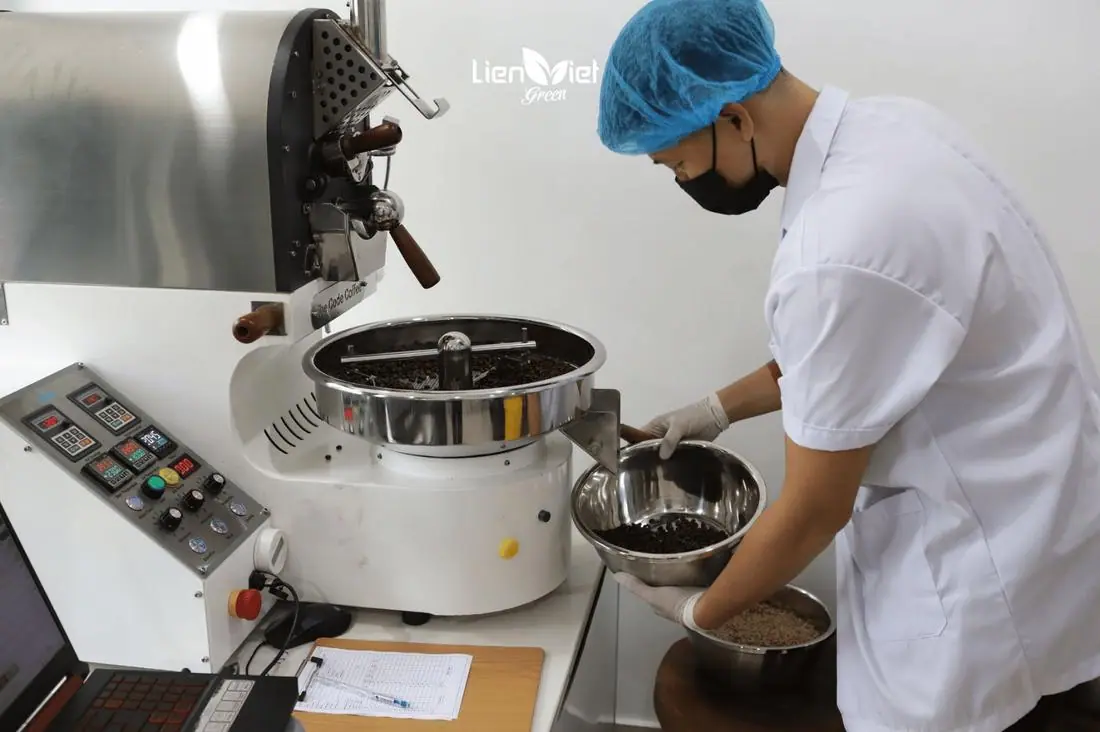
- Roasting Tech: 100% Hot Air fluid bed convection, precise thermal curve tracking.
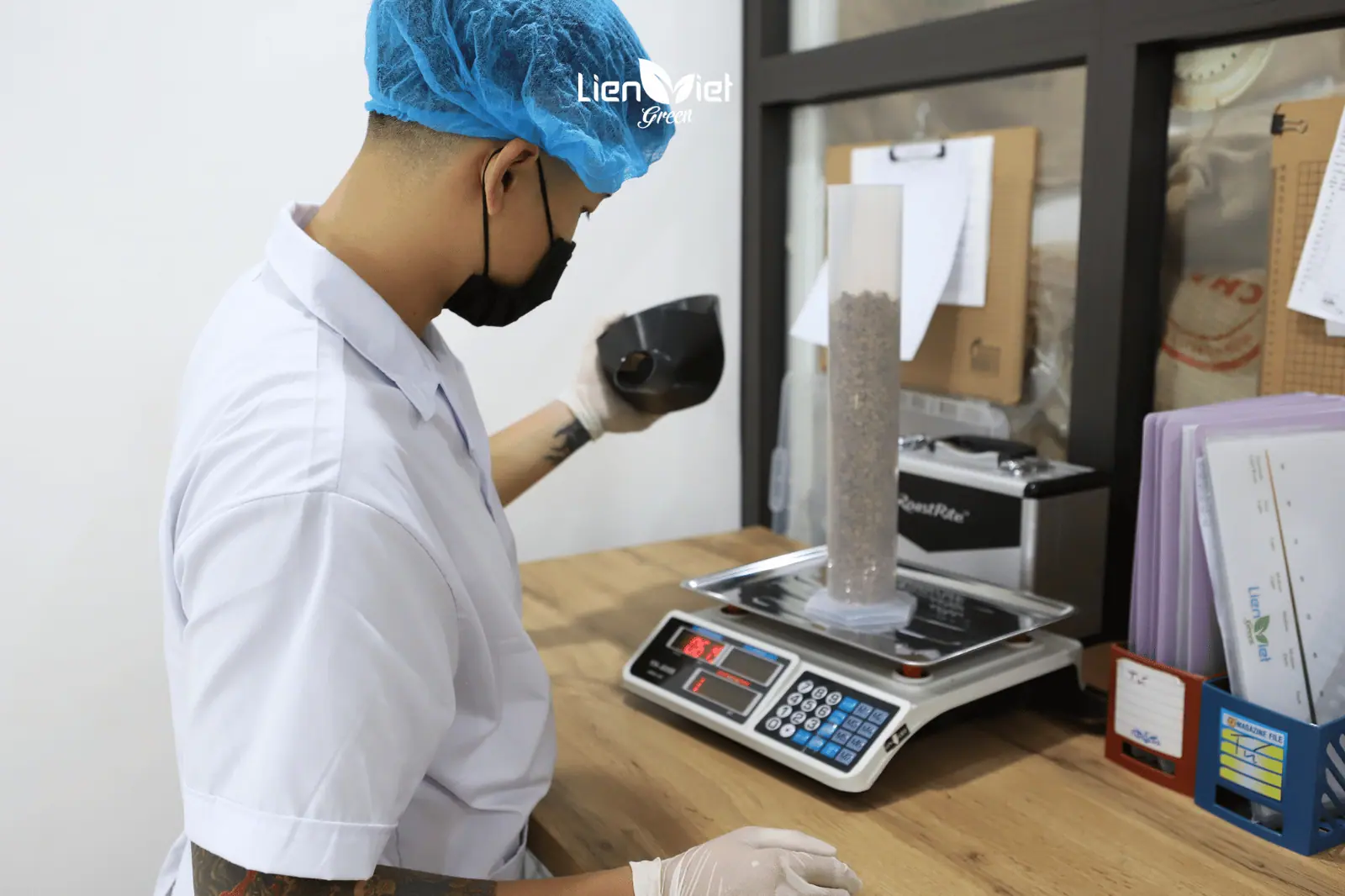
- Batch Consistency: Strict Agtron spectrophotometer roast color and moisture control.
- Traceability: 100% transparent sourcing from Vietnamese coffee origins.
Coffee Roast Levels: The Critical Touchpoint for Modern Flavor Profiles
In modern coffee culture, exceptional green beans are only the starting point of cup quality. Beyond botanical varietals, terroir, and post-harvest processing methods, the roast level represents the decisive touchpoint that shapes the final flavor identity of the beverage.
From the exact same lot of green coffee, adjusting the roasting curve produces vastly divergent sensory profiles: from vibrant, sparkling floral acidity to rich malted chocolate and bold smoky depth. For specialty coffee brands and F&B businesses, selecting the proper roast profile is both a technical discipline and a strategic branding decision.
Coffee Roast Levels: The Critical Touchpoint for Modern Flavor Profiles
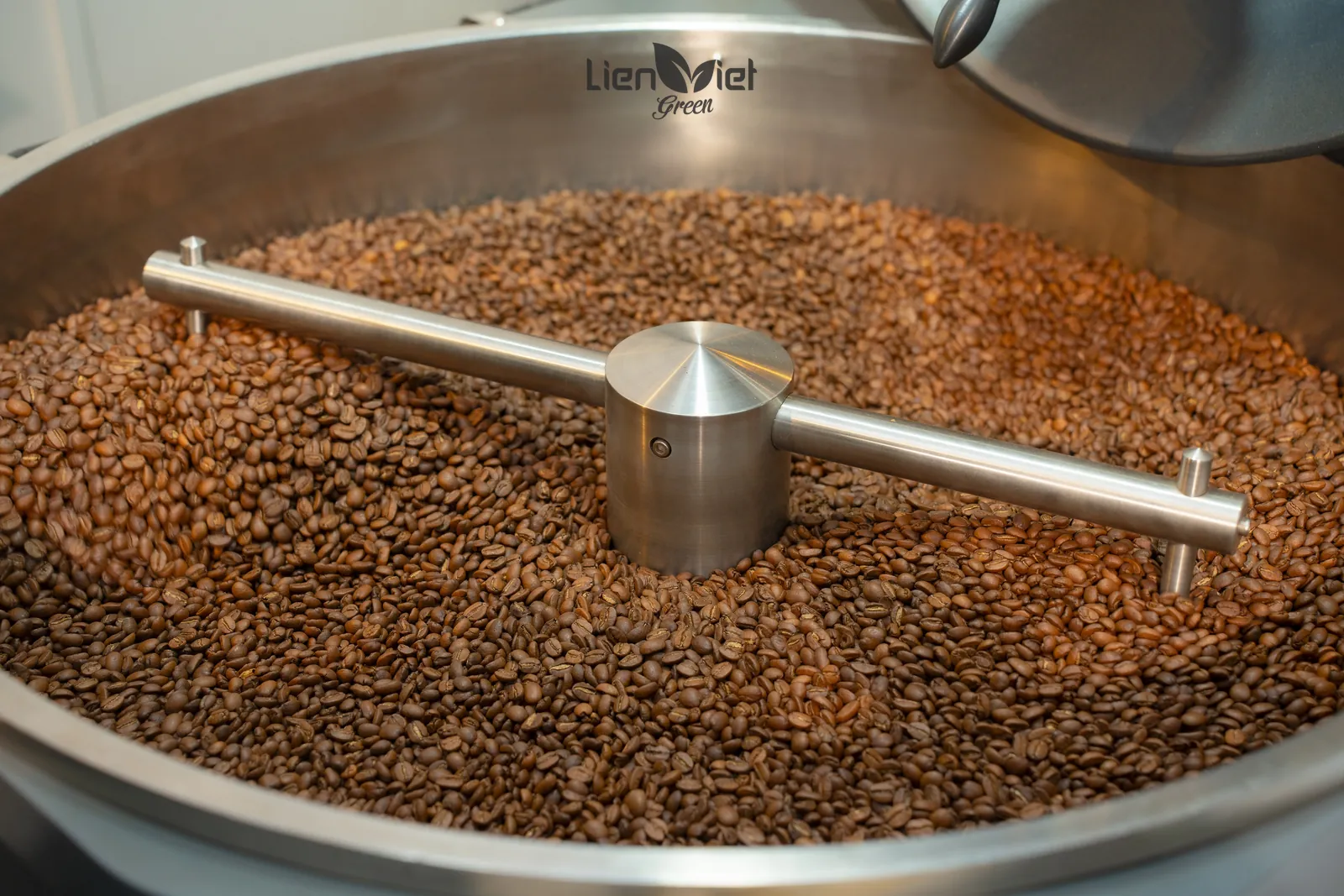
Coffee roasting is the precise thermodynamic process of heating green coffee beans from approximately 180°C to over 240°C. This thermal energy triggers complex endothermic and exothermic reactions, most notably the Maillard reaction and caramelization, synthesizing more than 800 volatile aroma compounds.
The roast level indicates the degree of internal chemical and physical development within the bean, directly governing:
Based on the precise discharge point, coffee is categorized into three primary roast classifications: Light Roast, Medium Roast, and Dark Roast.
Light Roast coffee is discharged immediately upon completion of first crack, or even during its final stages, with internal bean temperatures generally ranging between 196°C and 205°C.
Specialty coffee professionals favor light roasts because they preserve maximum origin characteristics. Because thermal breakdown is carefully minimized, the coffee retains delicate regional terroir, crisp floral aromatics, and vibrant fruit acids.
Understanding Coffee Roast Levels
Light Roast – Preserving Original Terroir
Because thermal exposure is restrained, natural organic acids inside the bean remain intact, delivering an unadulterated expression of origin:
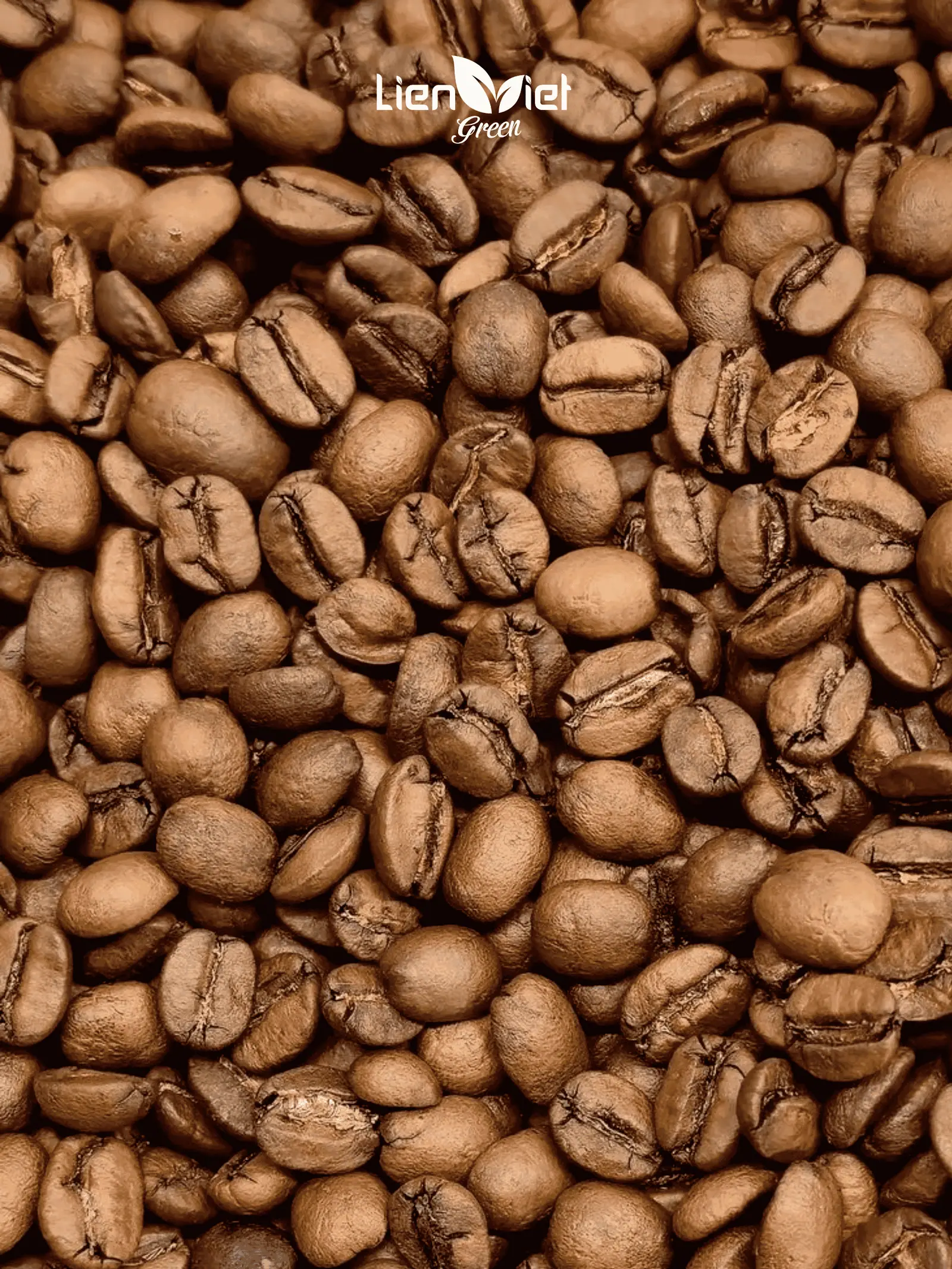
Medium Roast is widely regarded as the golden ratio of coffee roasting, providing a balanced sensory profile for contemporary palates. The batch is discharged between the completion of first crack and the onset of second crack, reaching internal temperatures between 210°C and 218°C.
As the dominant roast profile worldwide, Medium Roast achieves a harmonious synergy between intrinsic bean terroir and pyrolytic sweetness developed during roasting.
Medium Roast – The Golden Sensory Balance
Extended thermal exposure allows the Maillard reaction and sugar caramelization to fully mature. Sharp raw acids soften, yielding rich natural sweetness and body.
Medium Roast is the preferred standard for commercial café chains and OEM private label programs. It showcases high-elevation organic beans while providing sufficient body to satisfy traditional expectations. It excels across modern espresso extractions, automatic batch brewers, steeped dip bags, and office drip bags.
Dark Roast coffee is discharged just before, during, or after the second crack, with internal bean temperatures surpassing 225°C to 245°C. Commercial profiles include French Roast, Italian Roast, and Traditional Espresso Roast.
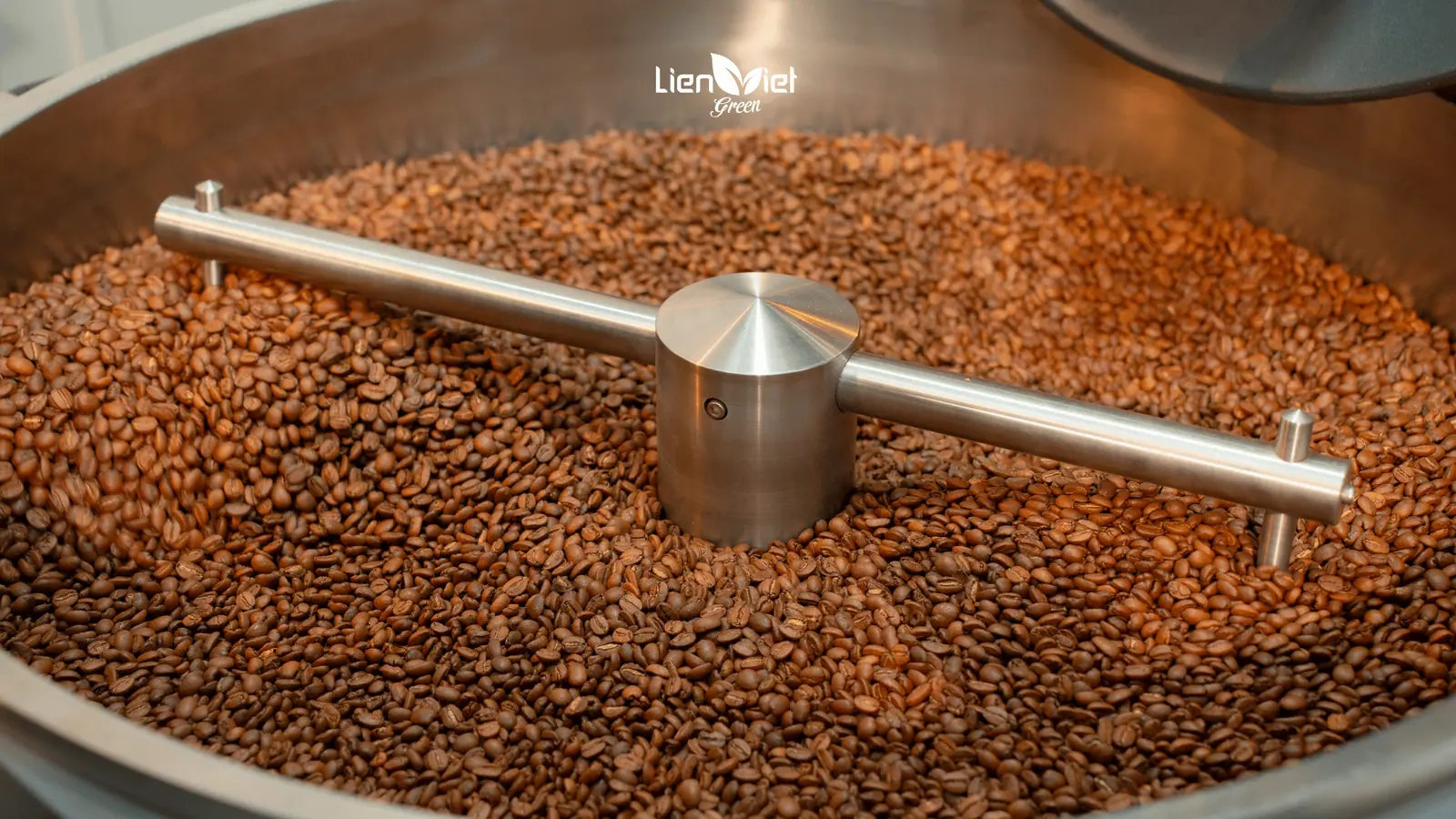
Light Roast: Celebrating Origin Terroir
Dark roasting is defined by high thermal impact. Heat alters the cellular matrix of the bean, resulting in flavor driven predominantly by the roast process itself rather than botanical origin.
Dark Roast – Bold Intensity and Heritage
While specialty trends favor lighter roasting to showcase origin nuance, Dark Roast retains a major position in Vietnamese coffee culture. High-density Robusta roasted dark provides the bold, assertive base required to balance sweet condensed milk and ice in traditional Vietnamese iced milk coffee (cà phê sữa đá).
The following technical matrix summarizes the physical, chemical, and sensory parameters across the three primary roast levels:
Vietnam’s domestic market is undergoing a notable shift. Alongside heritage Robusta dark-roast traditions, the Third Wave coffee movement has expanded consumer appreciation for Light and Medium roasts among younger urban demographics.
Many specialty brands now emphasize complete roasting transparency—clearly printing roast level, discharge temperature, roast date, and single-origin lot information directly on product packaging.
The convergence of high-altitude Arabica from Da Lat (Cau Dat) and Son La with manual pour-over brewing has established a distinct customer segment that views coffee as an artisanal sensory experience rather than merely a morning caffeine source.
There is no universally superior roast degree; the optimal profile depends on your target market, flavor vision, and commercial positioning. While Light Roast delivers intricate origin clarity and Dark Roast maintains traditional heritage strength, Medium Roast serves as the versatile anchor for modern lifestyles.
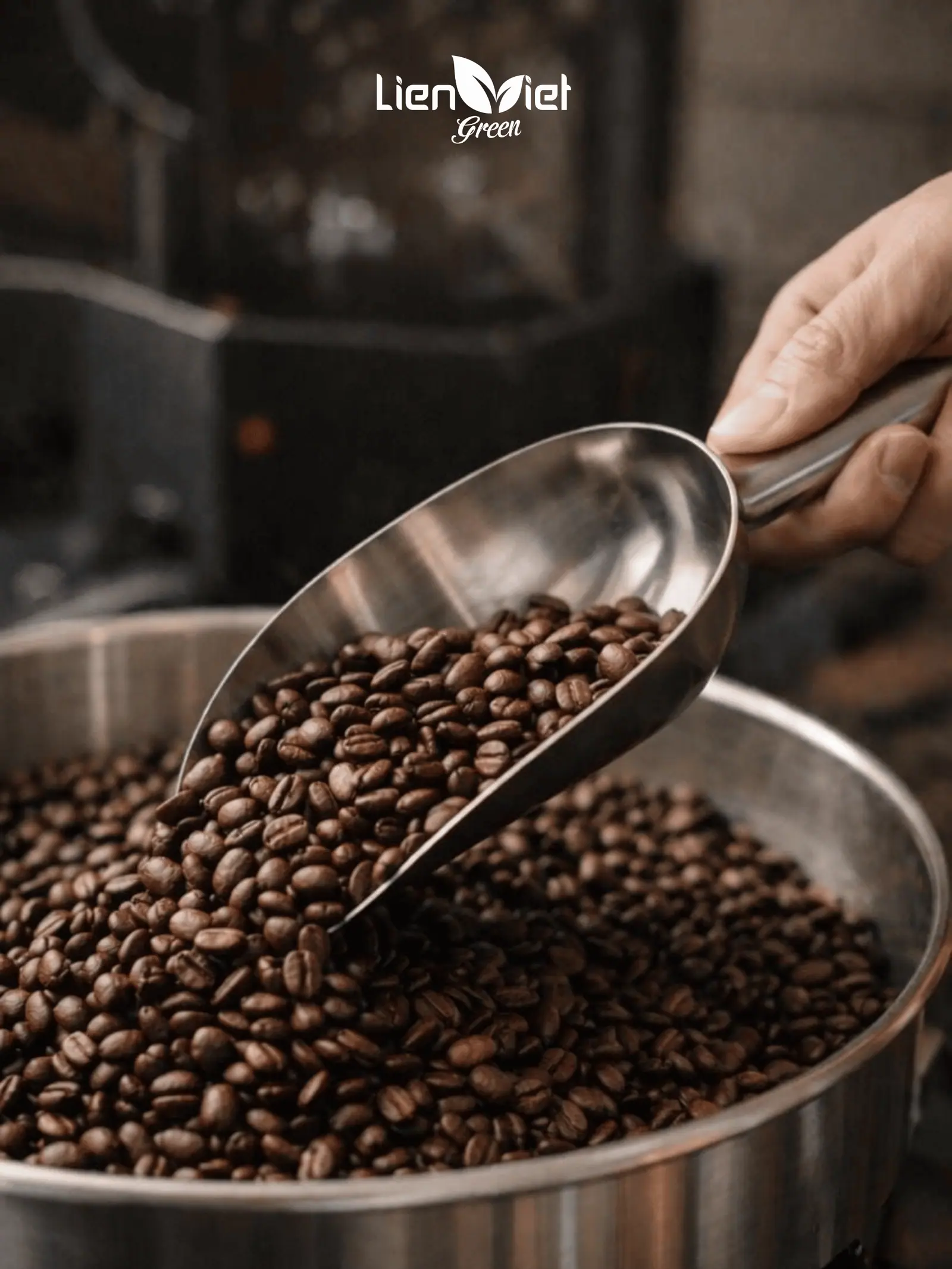
Sensory and Physical Characteristics of Light Roast
For B2B enterprises and private label clients developing OEM coffee products, understanding roast dynamics is essential. By controlling computerized roasting curves on certified, defect-free green beans, brands can build distinctive, consistent, and commercially viable coffee products.
Technical Quality Standards Comparison Matrix
| Quality Metric | Conventional Standard | Lien Viet Green OEM Standard |
|---|---|---|
| Roasting Tech | Direct flame drum, minor smoke trace | 100% Hot Air fluid bed convection, uniform roast |
| Batch QC Control | Subjective visual checking | Agtron color meter + ISO moisture + ARTISAN logs |
| Packaging Format | Standard poly or paper bag | 4-layer foil laminate with 1-way degassing valve |
To see how roast color is measured objectively, read what the Agtron scale is and how it measures roast degree.
Each roast level is defined around two audible milestones, explained in first crack and second crack in coffee roasting.
If your café or chain needs one roast level held steady batch after batch, see our roasting service for cafés and chains, or book a cupping at our Long Bien roastery to taste the difference.
Sources: Coffee Quality Institute (CQI) Q Grader certification; ISO 22000:2018 on the ISO website and Lien Viet Green roastery ISO 22000:2018 certificate.
Frequently asked questions
How many coffee roast levels are there?
There are three common groups: light, medium and dark. The level is set by when the roaster discharges the batch relative to first crack and second crack, and each level gives the coffee its own flavor character.
What does light roast coffee taste like?
Light roast keeps most of the bean's origin character, usually with fruit and floral aromas and bright acidity. The beans are discharged at the end of or during first crack, at an internal bean temperature of about 196–205°C.
Why do many brands choose medium roast?
Medium roast balances the flavor of the bean with sweetness developed during roasting. Acidity softens, sweetness becomes clearer and the body is full enough for Vietnamese tastes. It also works across espresso machines, steeped bags and drip bags.
Which brewing methods suit dark roast coffee?
Dark roast suits traditional Italian-style espresso and strong phin coffee. Dark-roasted Robusta with sweetened condensed milk makes the familiar Vietnamese iced milk coffee, cà phê sữa đá. The beans are usually discharged around second crack.
How do I choose a roast level for an OEM product?
There is no single correct roast level, only the one that fits your customers' taste and your brand positioning. Define your menu, brewing method and target customers first, then taste samples through cupping to confirm the roast profile for your product.
Partner with ISO 22000 Certified OEM Coffee Roaster
Lien Viet Green supports hotel chains, F&B franchises, and commercial brands with custom roast profiles and supply reliability.