Seed Maturity in Coffee: How Cherry Ripeness Governs Roasting Performance and Cup Quality
Analyze the direct biochemical relationship between coffee cherry ripeness (Seed Maturity), total sucrose accumulation, cellular wall density, and thermal conductivity during commercial roasting.
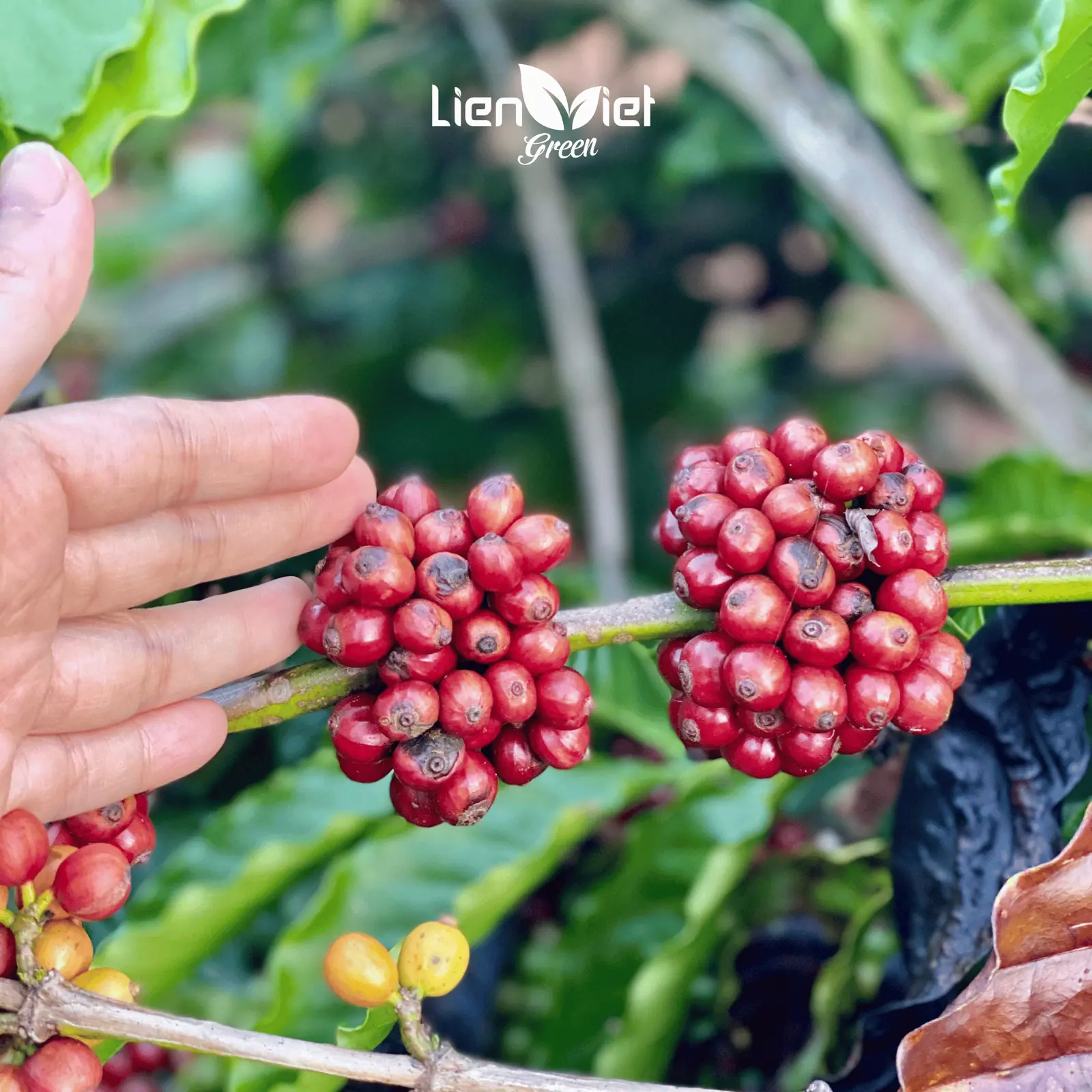
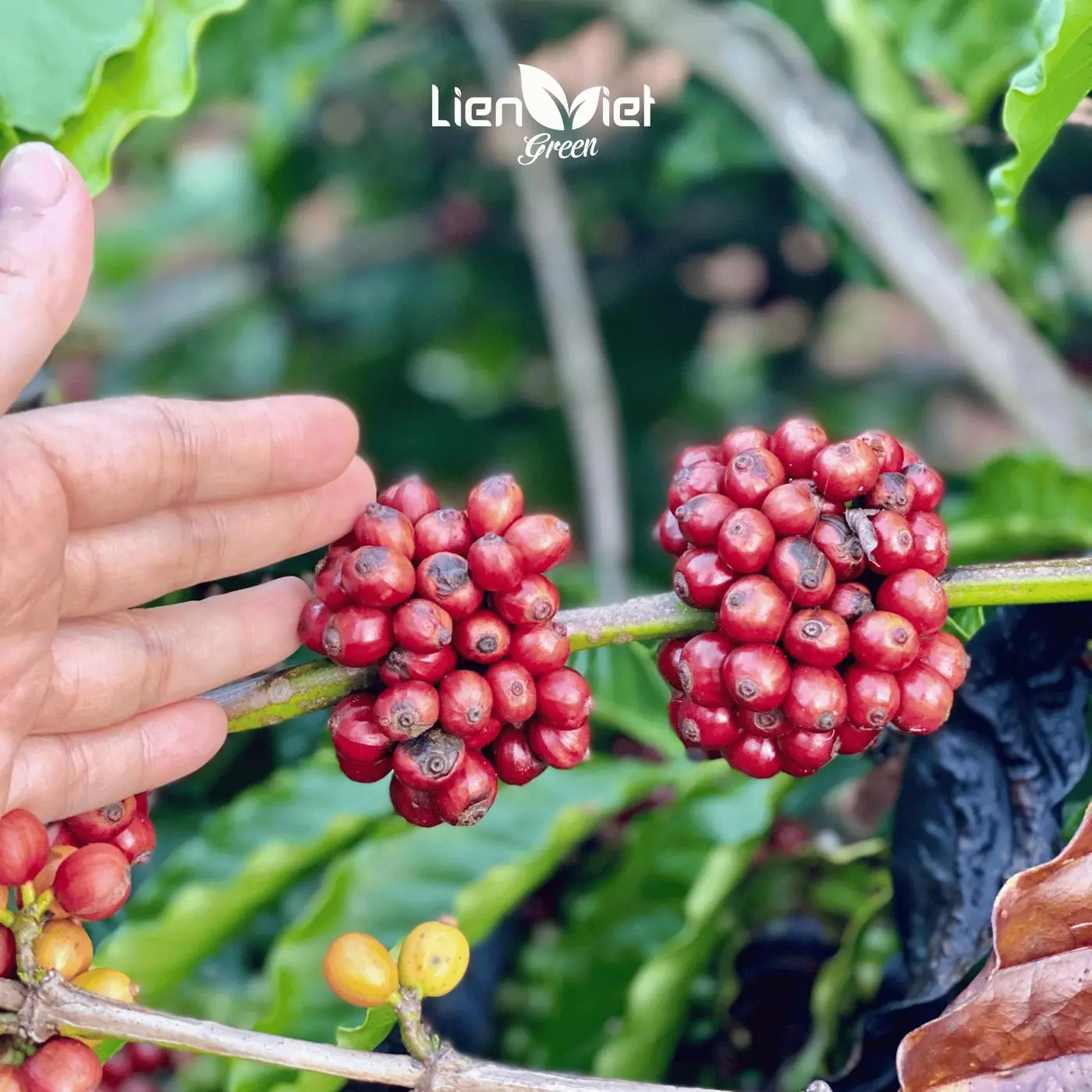
Seed maturity is how fully a coffee cherry has ripened before picking, and it decides how much sugar and density the bean brings into the roaster. Fully ripe red cherries roast evenly and taste sweet, while unripe cherries cause uneven color, Quaker beans and astringent, grassy flavors.
📌 Seed Ripeness Technical Benchmark
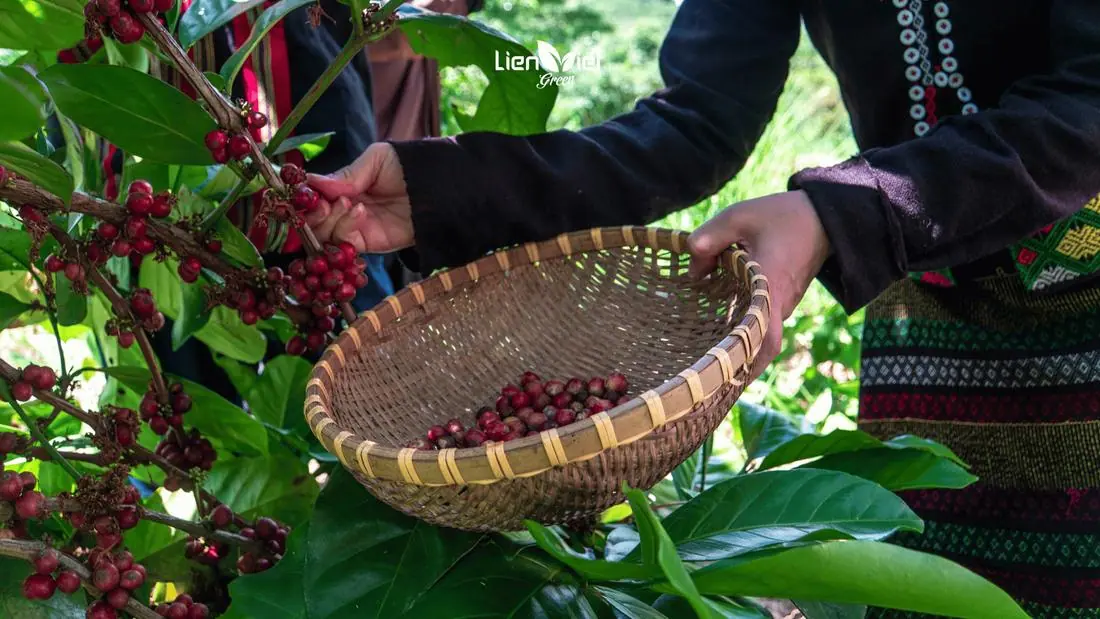
- Cherry Ripeness Target: Minimum 95% – 98% fully ripe red cherries during harvest.
- Pulp Sugar Brix Content: 18° – 22° Brix for Arabica and 15° – 18° Brix for Fine Robusta.
- Bean Density & Structure: Fully matured seeds form tight cellular matrices, absorbing heat predictably during roasting.
- Impact of Unripe Cherries (Quakers): Immature seeds produce pale, light Quaker beans that spoil cup sweetness with harsh astringency.
1. Physiological Maturation of the Coffee Cherry
Seed maturity extends far beyond skin coloration—it reflects complete biochemical synthesis within the endosperm. During the final 45 days of ripening, the coffee tree concentrates sucrose, lipid compounds, and organic acids into the bean core.
Under-ripe cherries contain elevated free chlorogenic acids and un-hydrolyzed starches, causing harsh grassy off-notes, astringent finish, and thermal scorching under roasting pressure.
2. Impact of Seed Maturity on Roasting Dynamics & Cup Profile
| Ripeness Tier | Sugar Brix Level | Roasting Behavior (Hot Air) | Cup Profile Characteristics |
|---|---|---|---|
| Unripe / Green Cherries | < 12° Brix | Irregular heat absorption, high Quaker incidence | Astringent, harsh bitterness, thin body, grassy aftertaste |
| Semi-Ripe Cherries | 14° – 16° Brix | Dispersed First Crack timing, uneven bean color | Tart acidity, moderate sweetness, lacking complexity |
| Full Red Ripe (Standard) | 18° – 22° Brix | Uniform heat transfer, resonant and crisp First Crack | Rich honey sweetness, vibrant acidity, juicy stone fruit, full body |
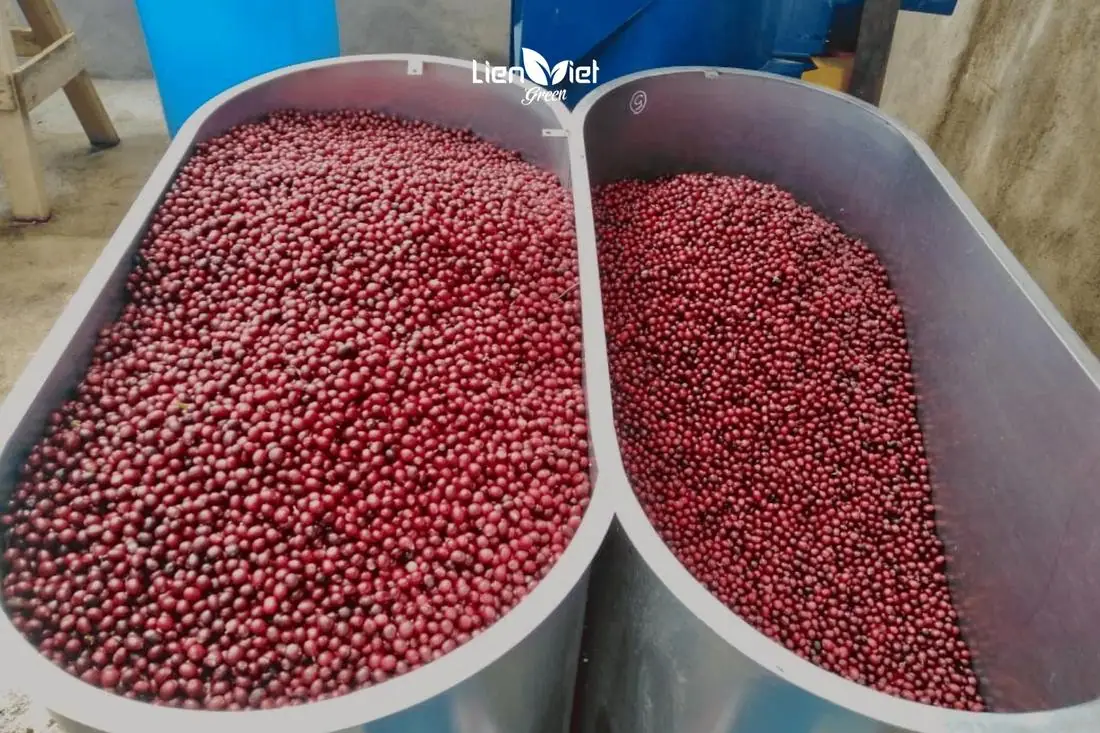
3. Seed Maturity Quality Assurance at Lien Viet Green
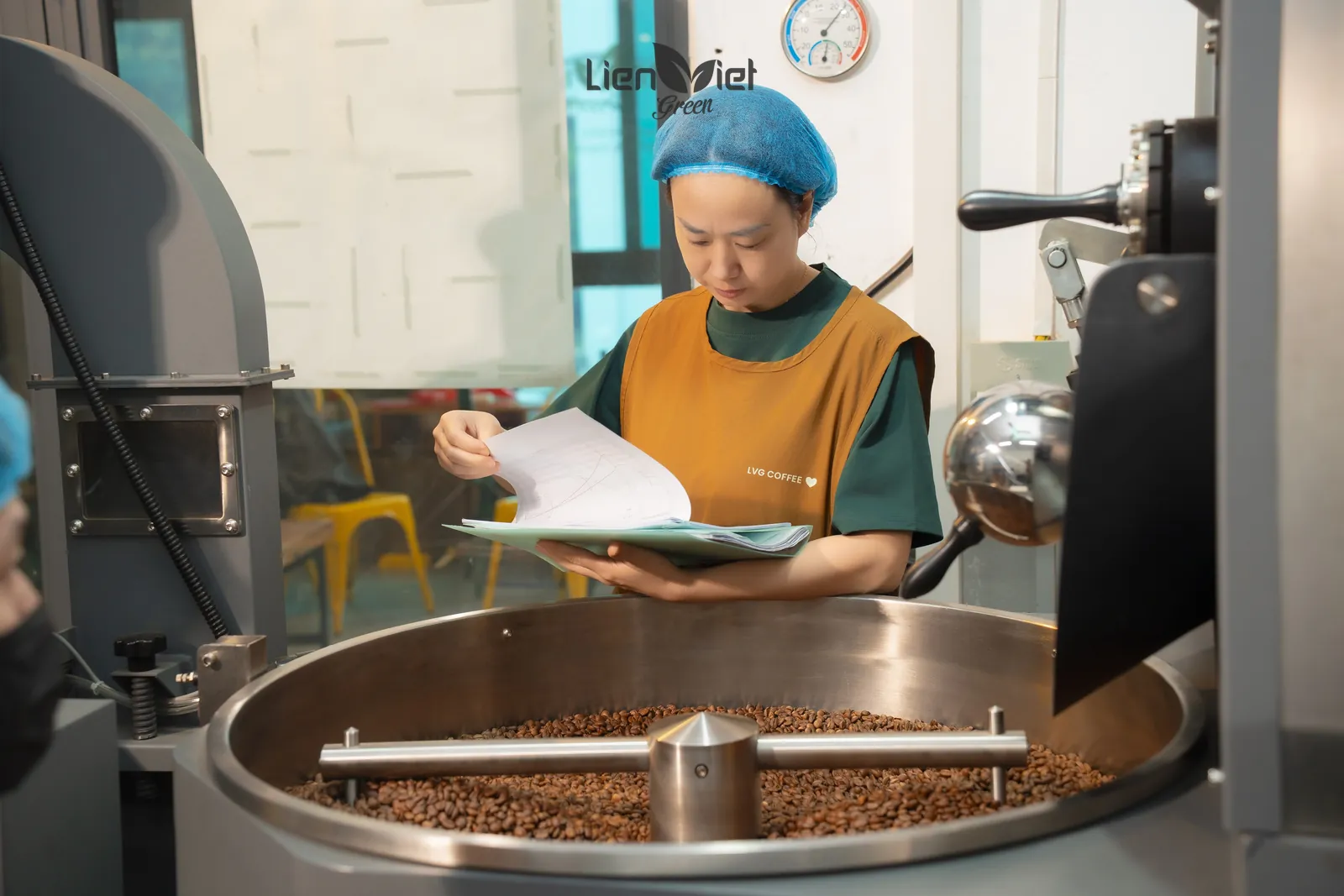
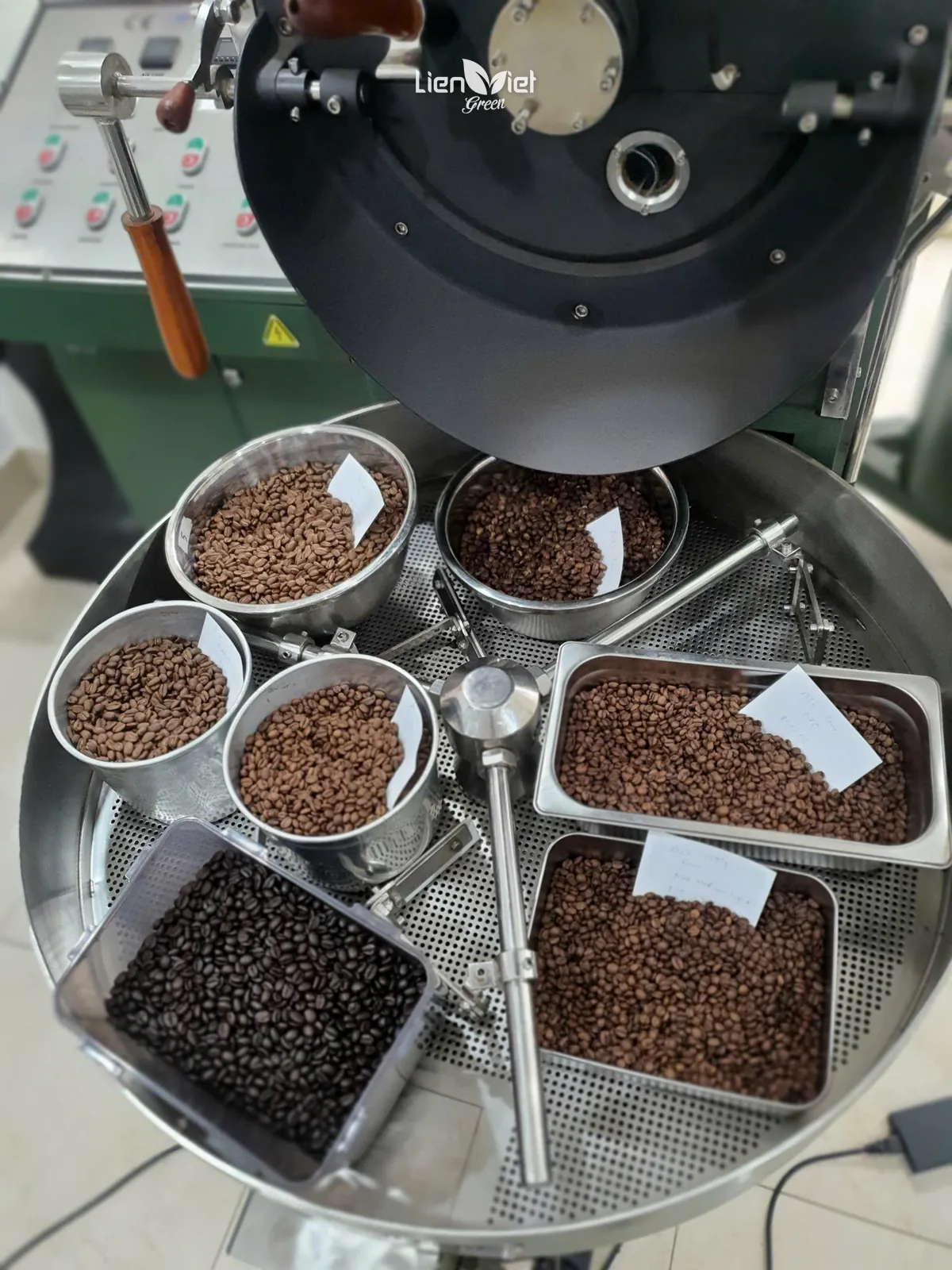
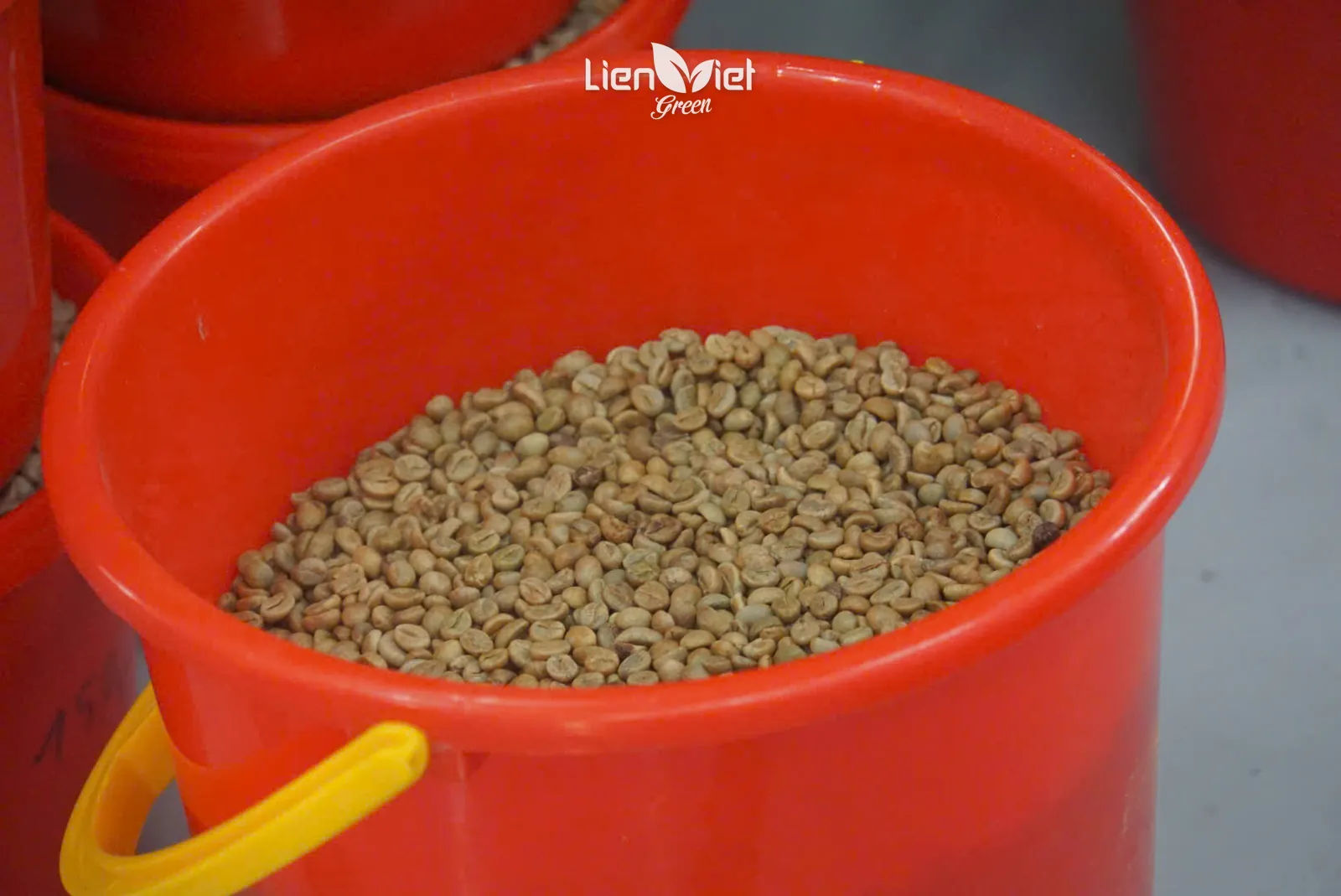
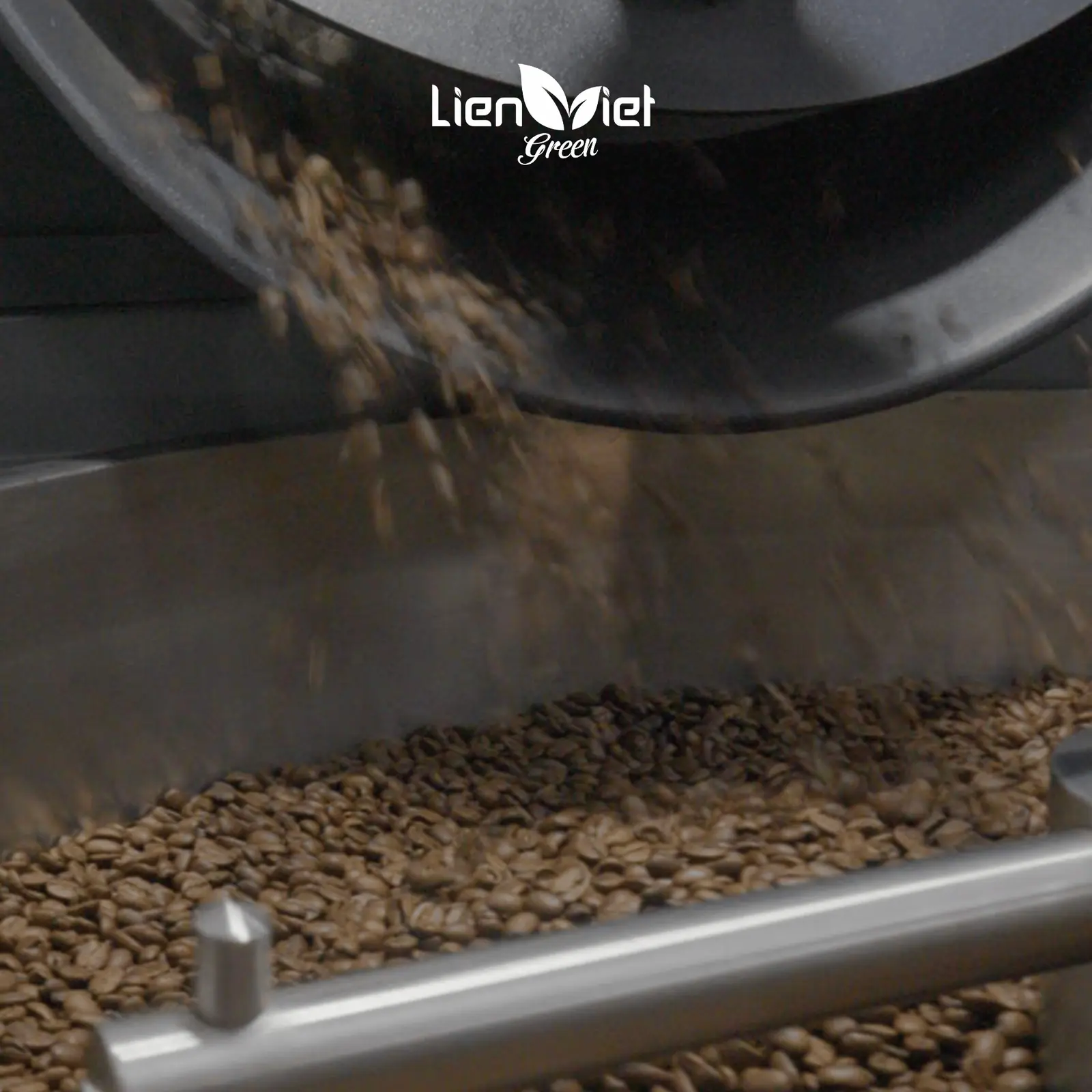
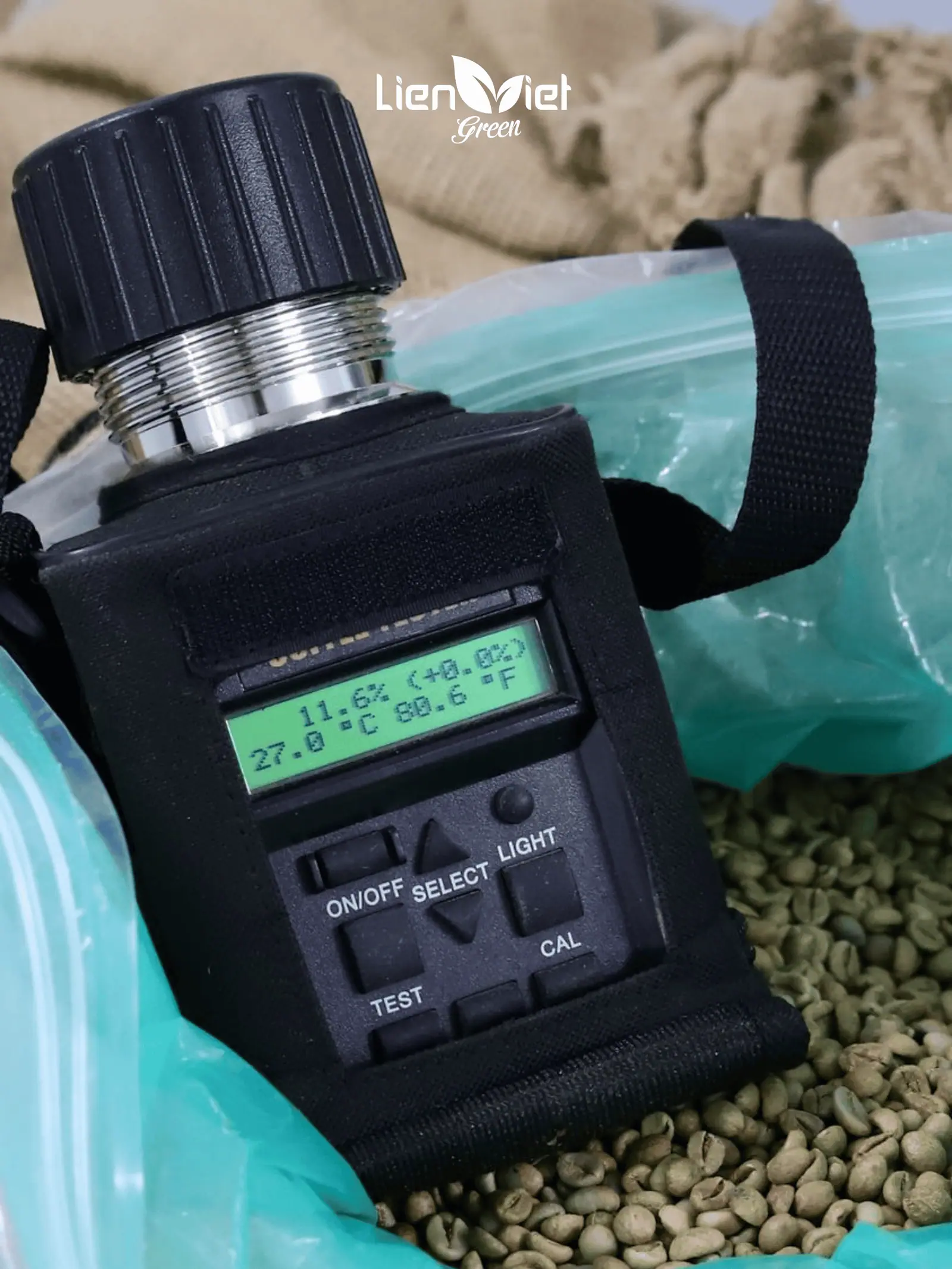
Every green coffee batch arriving at Lien Viet Green undergoes strict density grading and ISO moisture verification. Fully matured seeds exhibit consistent bulk density, allowing Hot Air convection roasters to transfer heat evenly without scorched edges.
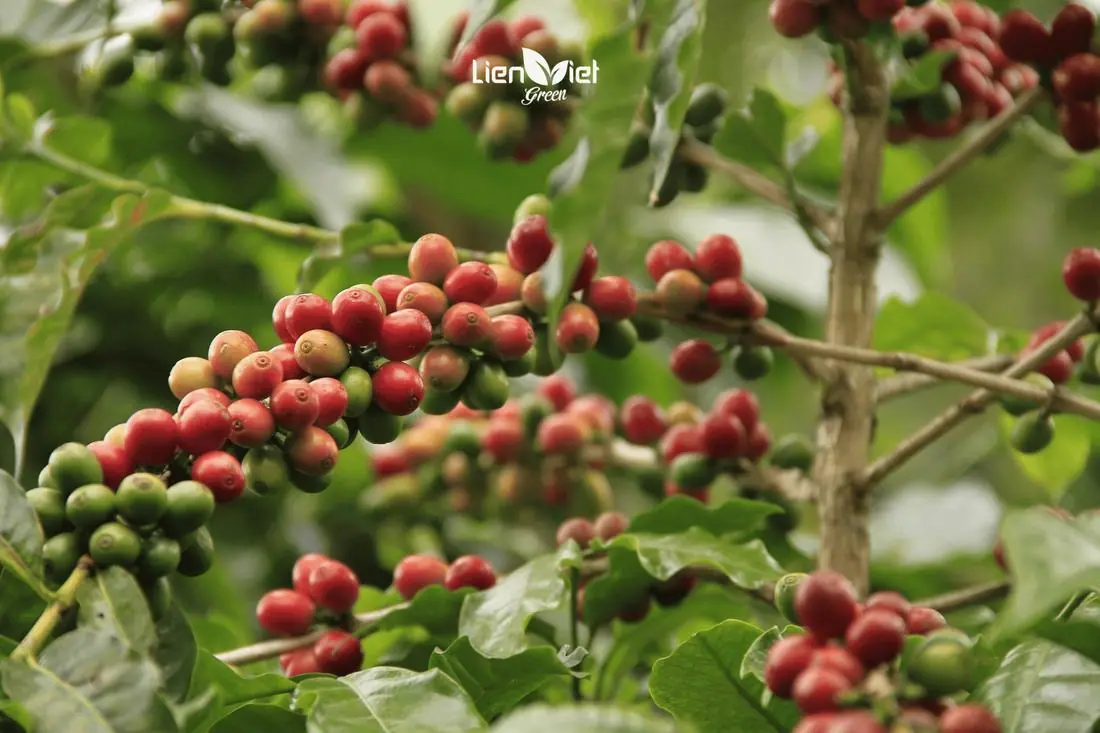
Unripe cherries are a common source of defects, explained in our guide to green coffee defects and QC.
Ripeness is only one factor in bean quality; read what determines green coffee bean quality for the full picture.
If your café or chain needs beans roasted from well-sorted lots, see how we supply cafés and F&B chains, or book a cupping at our Long Bien roastery.
Frequently asked questions
How does cherry ripeness affect coffee flavor after roasting?
Fully ripe red cherries give beans with enough sugar to roast evenly and taste sweet with clean acidity. Unripe cherries contain more chlorogenic acids and unconverted starches, so the roasted coffee tends to be astringent, harshly bitter and grassy.
What is a Quaker bean?
A Quaker is a pale, light bean that comes from an unripe cherry. It does not take on heat properly in the roaster, and it adds astringent, bitter and dull flavors to the cup.
What Brix level shows a coffee cherry is properly ripe?
Fully ripe red cherries have a pulp Brix of about 18°–22° for Arabica and 15°–18° for Robusta. Semi-ripe cherries sit around 14°–16° Brix, which spreads out First Crack timing and leads to uneven bean color.
How does a roastery check the maturity of green coffee?
At Lien Viet Green, every incoming green coffee lot is graded for density and checked for moisture. Fully mature beans have consistent density, so the Hot Air roaster can transfer heat evenly without pushing the temperature too high.
Source 98%+ Seed Maturity Green Coffee Beans
Lien Viet Green provides high-density Robusta & Arabica green coffee grades for commercial roasters and international importers.