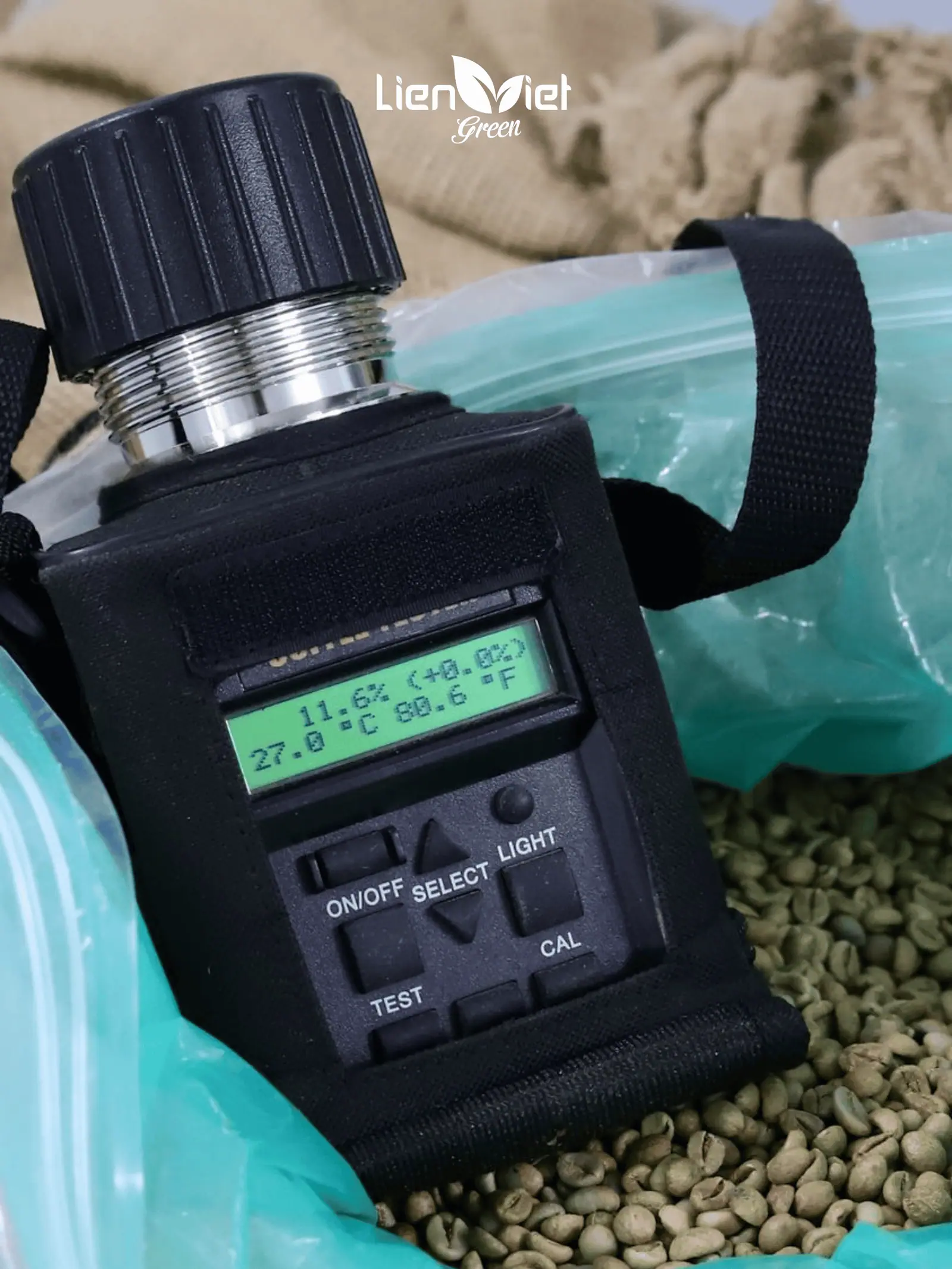
Explore Natural Anaerobic processing — an oxygen-depleted fermentation method that unlocks complex flavor profiles, heavy body and lingering sweetness in specialty coffee.
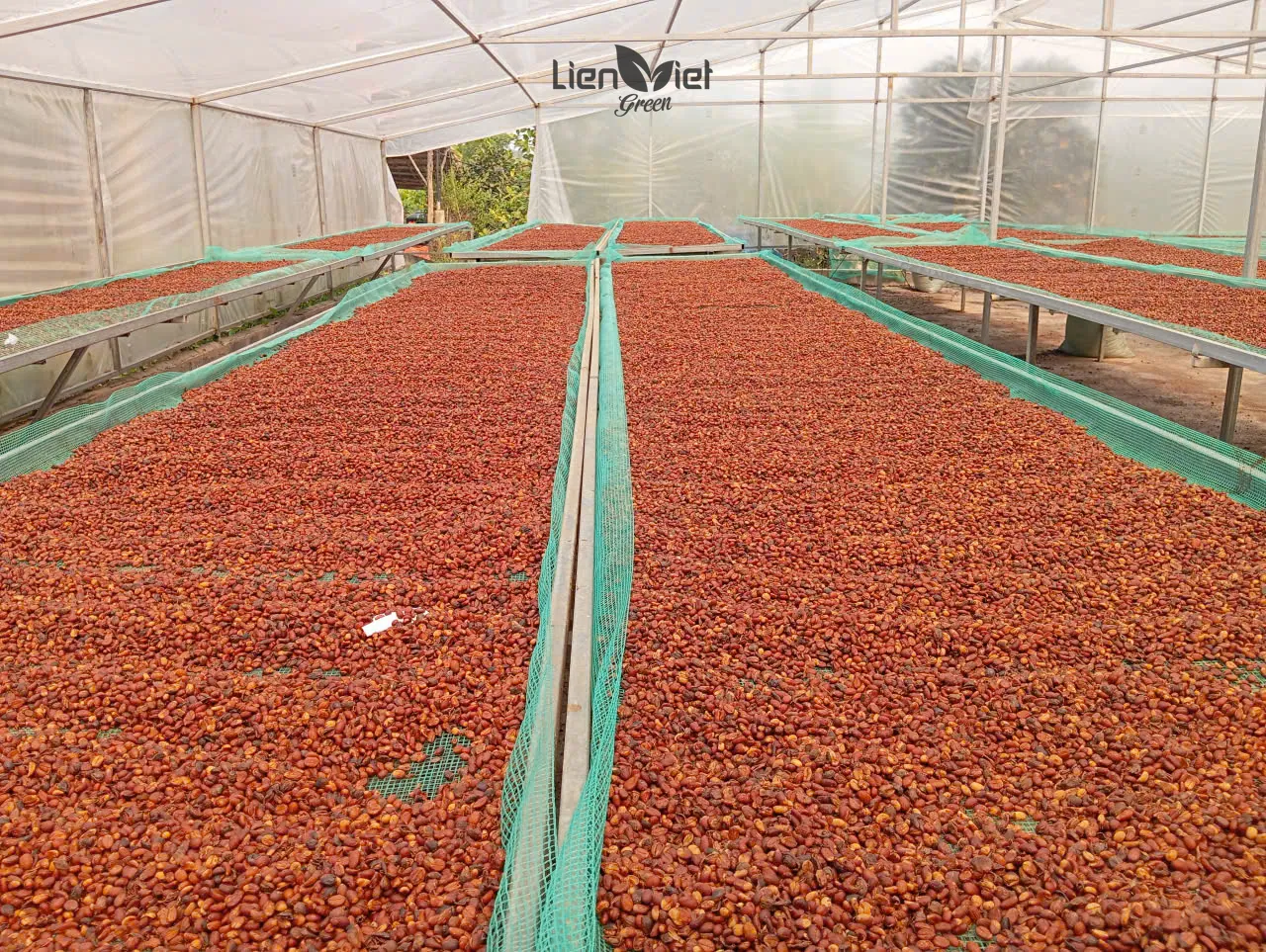
The specialty coffee industry continually pursues innovative post-harvest techniques to maximize the intrinsic aromatic potential of green coffee beans. While traditional Natural, Washed, and Honey processing methods remain industry standards, Natural Anaerobic processing has established itself as a recognized method for producing high-scoring microlots with complex, distinctive flavor profiles.
Natural Anaerobic is not simply an artisanal variation — it represents the fusion of agricultural craftsmanship and biochemical fermentation science. For commercial roasters, specialty cafe chains, and private label coffee brands, understanding Natural Anaerobic processing provides the technical foundation needed to source high-impact green coffees, develop unique signature offerings, and elevate brand equity.
What is Natural Anaerobic processing?
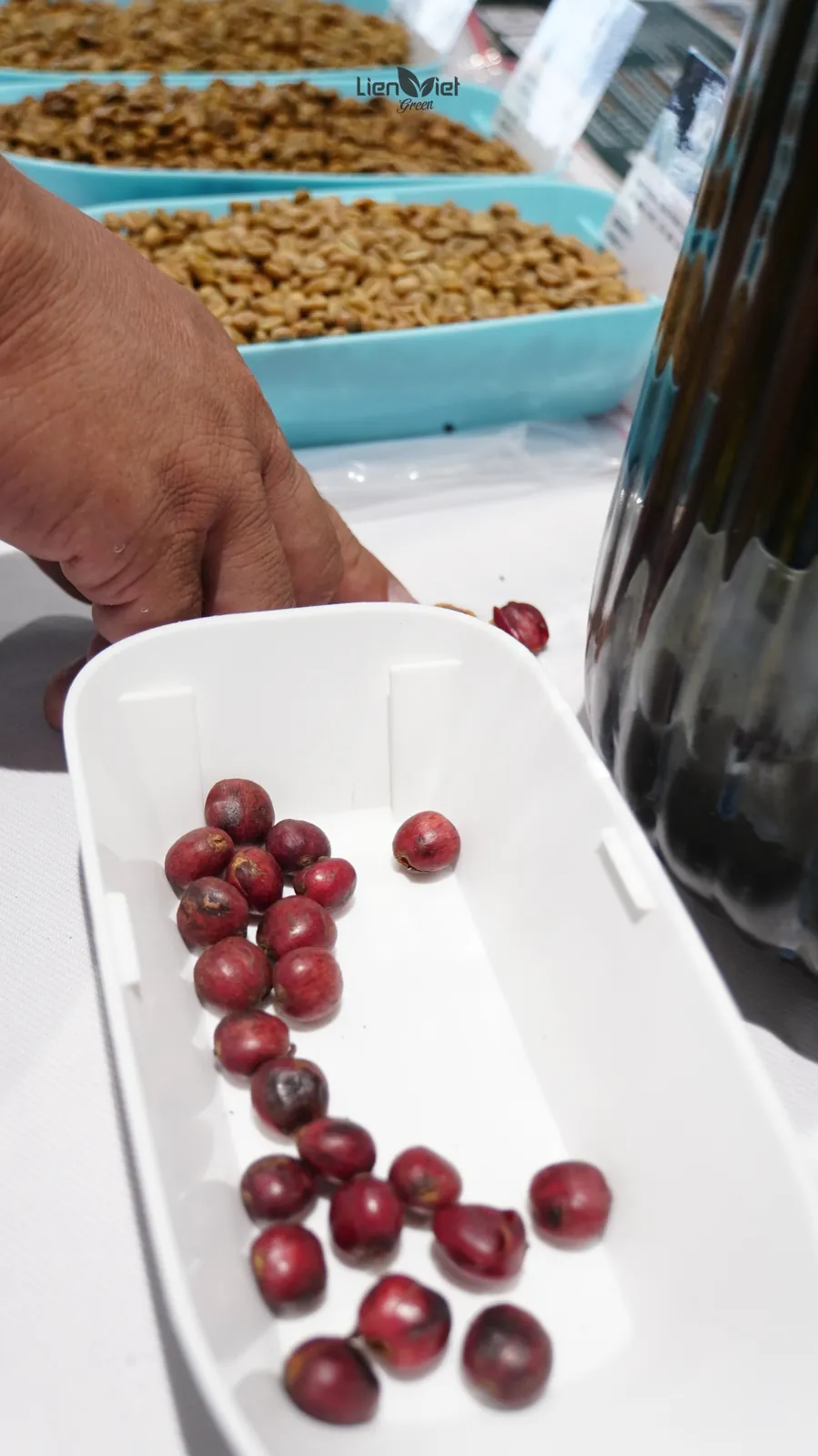
Natural Anaerobic (also termed Anaerobic Natural) is a post-harvest processing method where whole, intact coffee cherries undergo controlled fermentation in an oxygen-deprived vessel before being transferred to drying beds as whole fruit.
Unlike traditional Natural processing — where freshly harvested cherries are spread directly on drying beds under ambient aerobic conditions — Natural Anaerobic introduces an intermediate sealed fermentation phase inside airtight tanks. Atmospheric oxygen is expelled, creating an environment where specialized anaerobic yeasts and lactic acid bacteria dominate microbial metabolism.
Quick comparison
| Attribute | Natural Anaerobic | Anaerobic Washed |
|---|---|---|
| Fermentation | Whole intact cherry | Depulped parchment |
| Drying / Sweetness | Dried as whole fruit, high sweetness | Washed parchment, balanced sweetness |
| Body / Cup clarity | Heavy body, moderate-high clarity | Medium body, exceptional clarity |
| Flavor expression | Ripe tropical fruits, berries, winey | Bright citrus, delicate florals |
Once target fermentation metrics are achieved, the whole cherries are removed and dried slowly on raised beds down to export-stable moisture levels. The combination of sealed anaerobic fermentation and whole-fruit drying gives this process its name and its distinctive sensory attributes.
Comparison with other processing methods
Natural Anaerobic vs. Anaerobic Washed
Both methods utilize sealed anaerobic fermentation chambers, leading to frequent confusion among green coffee buyers. The crucial technical difference lies in whether the cherry skin and pulp are retained during fermentation.
Natural Anaerobic vs. Traditional Natural
Both methods finish with whole-fruit drying, but their underlying fermentation kinetics differ fundamentally. Traditional Natural processing relies on spontaneous aerobic fermentation during drying, which fluctuates with humidity, sunlight, and rainfall. Natural Anaerobic decouples fermentation from drying by controlling the primary biochemical transformation within a closed tank, achieving greater batch-to-batch repeatability, greater cup complexity, heavier body, and prolonged sweetness.
Comprehensive processing comparison| Attribute | Natural | Washed | Honey | Anaerobic |
|---|---|---|---|---|
| Sweetness | ★★★★★ | ★★★☆☆ | ★★★★☆ | ★★★★★ |
| Acidity | ★★★☆☆ | ★★★★★ | ★★★★☆ | ★★★★☆ |
| Body | ★★★★★ | ★★★☆☆ | ★★★★☆ | ★★★★★ |
| Clarity | ★★★☆☆ | ★★★★★ | ★★★★☆ | ★★★★☆ |
| Fruit notes | ★★★★☆ | ★★★☆☆ | ★★★★☆ | ★★★★★ |
| Complexity | ★★★☆☆ | ★★★☆☆ | ★★★★☆ | ★★★★★ |
| Control | Moderate | High | High | Very high |
Why oxygen deprivation transforms coffee flavor
Ripe coffee cherries possess high concentrations of fermentable carbohydrates — glucose, fructose, and sucrose — alongside organic acids and complex pectin within their mesocarp pulp. These compounds serve as the primary nutrient source for microbial fermentation.
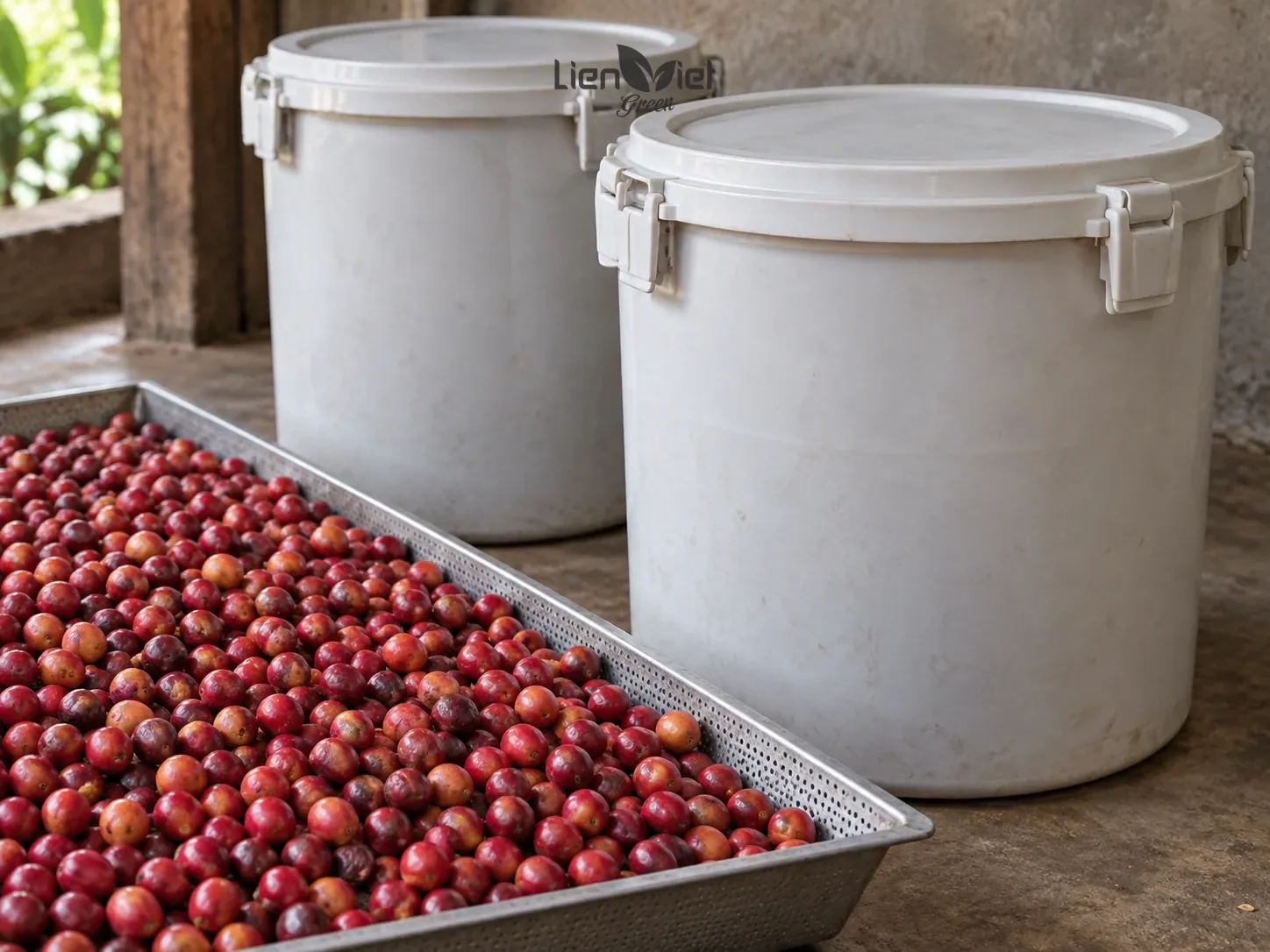
In traditional open-air Natural drying, oxygen enables rapid, variable microbial growth that is vulnerable to ambient temperature spikes. In contrast, sealing cherries in an airtight chamber purges oxygen as metabolic CO₂ builds up, facilitating a slower, highly controlled fermentation dominated by facultative anaerobic yeasts and lactic acid bacteria.
- Temperature
- pH level
- Fermentation time
- Brix reading
- Vessel pressure
The role of yeasts and bacteria
During fermentation, beneficial microflora metabolize fruit sugars into valuable aromatic precursors: lactic acid softens harsh acidity into a creamy mouthfeel, esters generate pronounced tropical fruit and berry notes, trace micro-alcohols yield distinctive winey aromatics, and aromatic aldehydes and ketones enrich post-roast depth.
Consequently, high-quality Natural Anaerobic coffees routinely exhibit tasting notes such as:
These sensory attributes are synthesized entirely through natural biochemical fermentation pathways — completely free from artificial flavor additives.
The Natural Anaerobic processing protocol
Producing defect-free Natural Anaerobic microlots requires rigorous adherence to a multi-stage technical protocol.
Four key stages- Selective harvestingOnly fully ripe, uniform cherries with high Brix; unripe, floaters, and damaged fruit are eliminated
- Sealed tank fermentationCherries loaded into airtight vessels; metabolic CO₂ displaces oxygen through one-way valves
- Real-time monitoringTemperature, pH, Brix, pressure, and microbial activity tracked continuously
- Controlled whole-fruit dryingSlow drying on raised beds or solar domes, reducing moisture to 10–12%
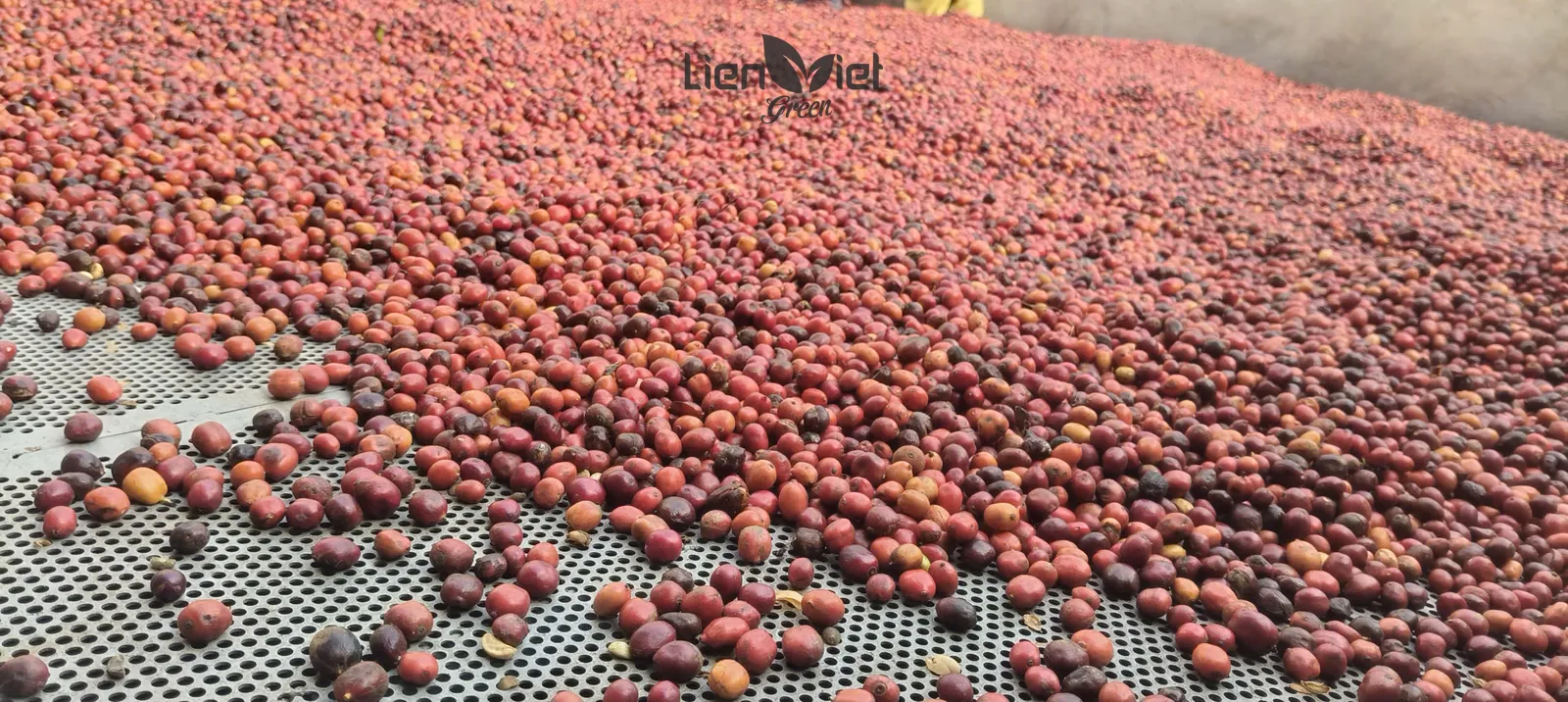
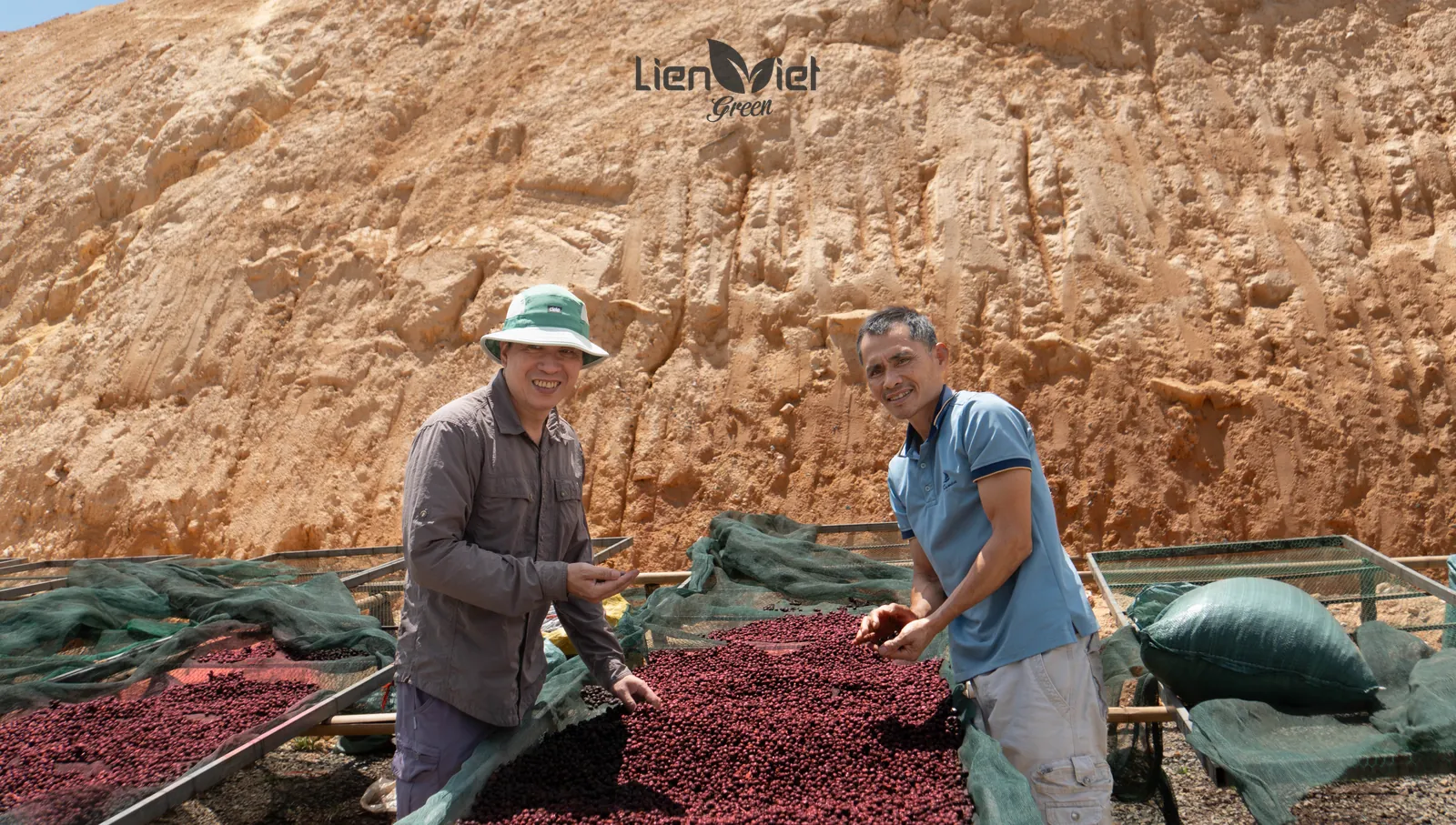
Depending on the target flavor profile, fermentation duration ranges from several dozen hours to several days. Even minor deviations in time or temperature can fundamentally alter the sensory outcome.
Sensory profile of Natural Anaerobic coffee
Specialty roasters and cafe operators value Natural Anaerobic coffees for their exceptional aromatic presence and dynamic sensory profile.
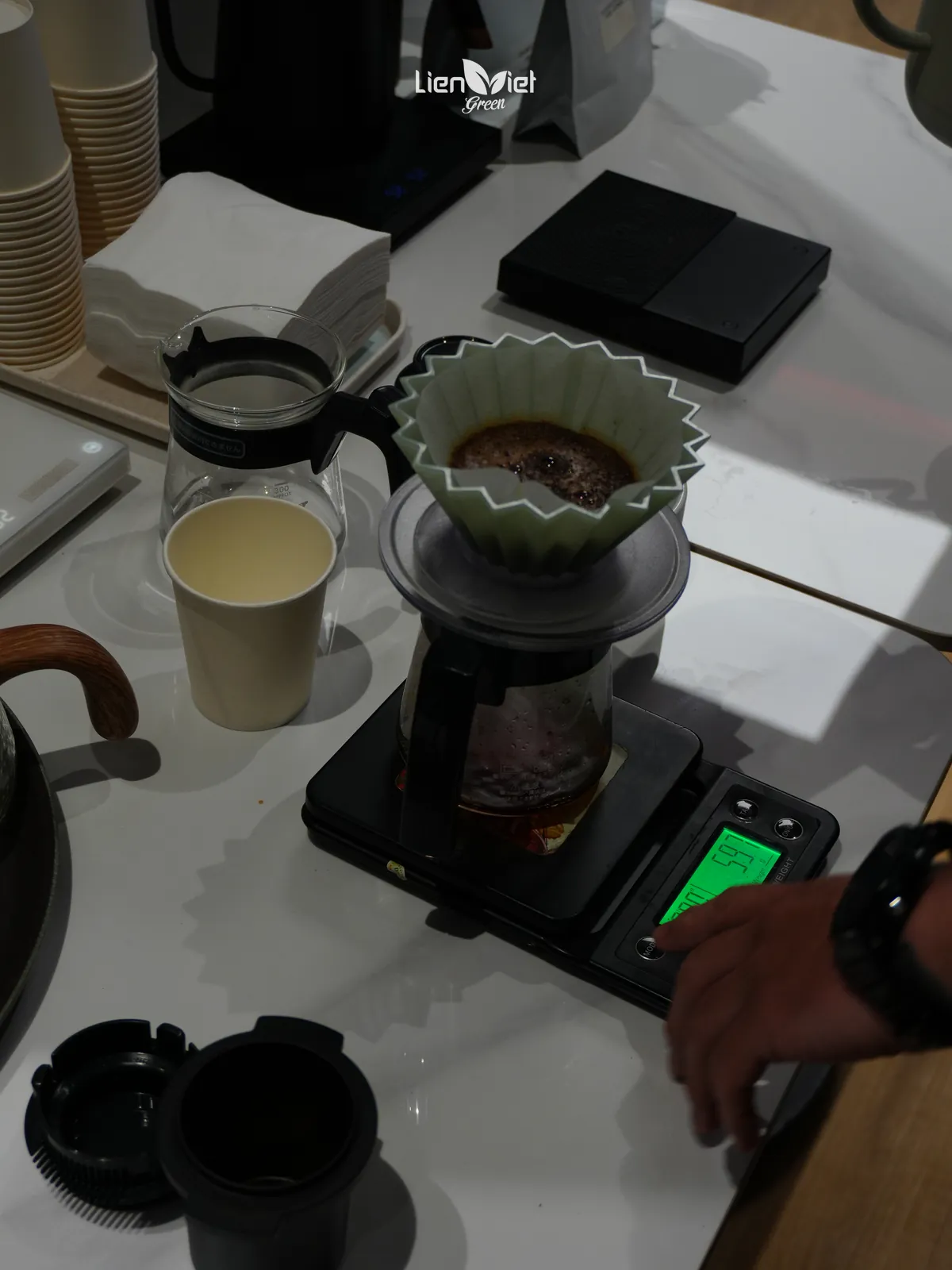
Layered aromatic complexity
Natural Anaerobic coffees deliver distinctive dried fruit, winey, and tropical aromatics: passion fruit, mango, pineapple, berries, white blossoms, dark chocolate, caramel, and fine winey depth. Each lot develops unique nuances depending on variety, terroir, and fermentation parameters.
Heavy body and lingering finish
Retaining the whole cherry throughout fermentation and drying concentrates soluble pectin and solids, yielding a dense, syrupy mouthfeel and long-lasting sweet aftertaste — qualities prized for espresso blends and signature coffee offerings.
Balanced, harmonious acidity
Lactic fermentation softens sharp citric acid into a juicy, well-integrated acidity reminiscent of sweet stone fruit, creating harmony between sweetness, acidity, and finish.
Challenges in Anaerobic production
Despite its extraordinary sensory potential, Natural Anaerobic processing presents substantial operational risks that demand specialized expertise.
Strict input requirements
Cherries must be harvested at uniform ripeness. Excessive unripe or defective cherries cause volatile microbial spikes, producing unwanted off-flavors and potentially ruining the entire tank.
Risk of over-fermentation
Time, temperature, pH, and microbial activity require continuous monitoring. Minor errors can trigger acetic or alcoholic spoilage, resulting in sour vinegar taints or harsh medicinal notes.
Capital and infrastructure investment
Compared to Natural or Washed, Natural Anaerobic requires sealed food-grade vessels, monitoring probes, shaded drying infrastructure, and trained technical staff, raising production costs significantly.
Applications in Specialty Coffee
Due to its specialized production and higher pricing, Natural Anaerobic coffee serves specific commercial channels where flavor differentiation commands value.
For commercial products requiring lower cost and high-volume flavor consistency, traditional Natural or Washed methods remain the more practical choice.
Lien Viet Green — sourcing excellence for specialty partners

Lien Viet Green collaborates directly with farm cooperatives across Vietnam’s key coffee regions — cultivating Arabica, Fine Robusta, and Liberica — to co-develop controlled post-harvest fermentation protocols spanning Natural, Washed, Honey, and anaerobic methods for the specialty segment.
Every green coffee lot undergoes rigorous QC verification: moisture and density measurement, defect ratio assessment, screen size grading, and professional SCA cupping. Beyond green coffee sourcing, Lien Viet Green provides custom roast profile development, OEM/ODM turnkey production, and strategic consulting to help F&B brands curate exceptional coffee offerings.
Conclusion
“Natural Anaerobic processing represents the successful integration of traditional post-harvest handling and modern biochemical control.”Lien Viet Green
By harnessing oxygen-depleted fermentation, this method unlocks unprecedented cup complexity, heavy body, and long-lasting sweetness in green coffee beans.

For forward-thinking coffee enterprises, sourcing Natural Anaerobic lots offers a proven path to product differentiation and brand elevation in an increasingly competitive specialty market.
Find specialty coffee sources and the right processing solution
Share your product range and target segment — our team will recommend the right raw materials and processing methods.
For the wider science behind this method, read what coffee fermentation is and how it shapes flavor.
To compare it with Natural, Washed and Honey in more detail, see how post-harvest processing methods shape green bean quality.
If you want processed lots like these for your menu, see how we work with cafés and specialty chains, or book a cupping at our Long Bien roastery.
Sources: Specialty Coffee Association (SCA) coffee standards.
Frequently asked questions
How is Natural Anaerobic different from a regular Natural?
Both dry the whole cherry. The difference is that Natural Anaerobic first ferments the cherries in a sealed, oxygen-free tank under controlled conditions. This makes the flavor more stable and complex, with a heavier body and a longer finish.
How do Natural Anaerobic and Anaerobic Washed differ?
The difference is whether the skin and pulp stay on during fermentation. Natural Anaerobic ferments whole cherries, giving high sweetness, heavy body and intense fruit. Anaerobic Washed ferments after depulping, giving a cleaner cup and more delicate aromatics.
What does Natural Anaerobic coffee taste like?
Expect tropical fruit, berries, white blossom, dark chocolate, caramel and a winey quality, with soft acidity, heavy body and a long finish. These flavors form naturally during fermentation; no flavorings are added.
Should a café use Natural Anaerobic coffee on its everyday menu?
It depends on the business. Natural Anaerobic suits microlots, specialty cafés, signature blends and seasonal limited editions. Products that need lower cost and consistent flavor at scale usually use Natural or Washed coffee instead.
Why is Natural Anaerobic coffee hard to produce?
Both the incoming cherries and the fermentation must be tightly controlled. A small deviation in time, temperature or pH can cause vinegar or harsh alcoholic notes. The method also needs sealed tanks, monitoring equipment and skilled staff.