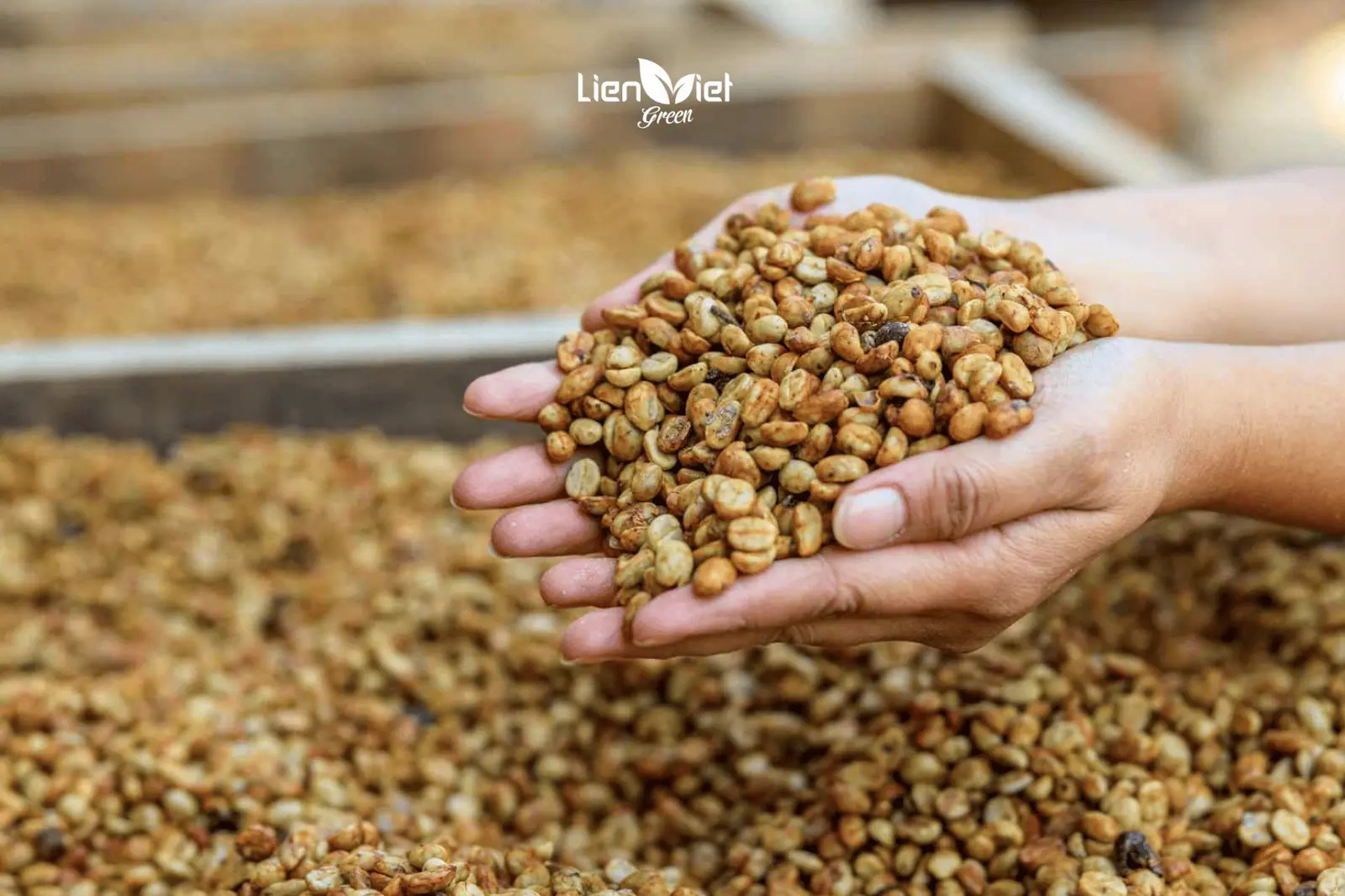
Coffee fermentation is the breakdown of sugars in the cherry’s fruit flesh and mucilage by yeasts, lactic acid bacteria and acetic acid bacteria after harvest. It creates flavor precursors such as organic acids, esters and alcohols, which react during roasting to shape the cup’s aroma, acidity and body.
Coffee fermentation has evolved from a simple demucilation method into a precise biochemical tool that defines specialty coffee cup quality, complex flavor precursors, and commercial market value.
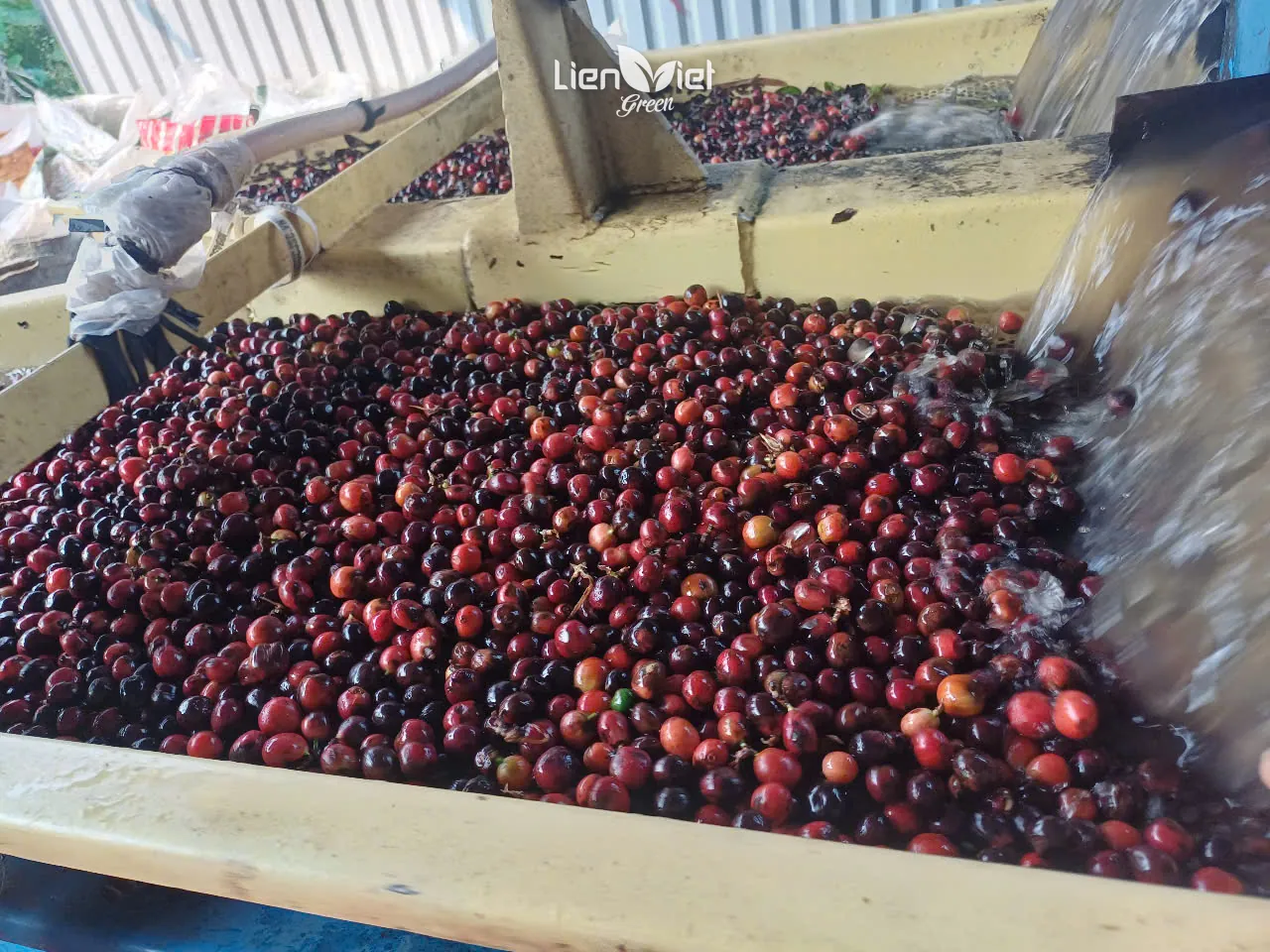
In recent years, fermentation has emerged as one of the most widely researched and discussed topics in the specialty coffee industry. Once viewed merely as an operational step to remove sticky fruit pulp from the parchment, fermentation is now recognized as a primary driver of aromatic complexity, cup acidity, and sensory distinction.
Advances in post-harvest processing science have transformed fermentation from an uncontrolled outdoor occurrence into an engineered bioprocess. Progressive producers and processing facilities actively monitor microflora, temperature, pH, time, and atmospheric composition to produce consistent, high-scoring flavor profiles that traditional processing could rarely achieve.
What is Coffee Fermentation?
Biochemically, coffee fermentation is the metabolic breakdown of sugars, carbohydrates, and organic compounds contained within the coffee cherry’s fruit flesh and mucilage (mesocarp) by indigenous or cultured microorganisms.
The primary microbial groups driving this process include yeasts (such as Saccharomyces species), lactic acid bacteria (LAB), and acetic acid bacteria (AAB), alongside endogenous plant enzymes present within the coffee fruit. During metabolic conversion, these microorganisms produce key secondary metabolites – including organic acids, esters, alcohols, and aldehydes/ketones. These metabolites act as crucial chemical precursors that interact during the roasting process to form complex flavor attributes.
- Yeasts
- Lactic acid bacteria
- Acetic acid bacteria
- Endogenous enzymes
Fermentation does not introduce artificial synthetic flavors into the seed from external sources; rather, it biotransforms and unlocks compounds inherent to the cherry. When the green beans are roasted, these precursor compounds undergo Maillard and caramelization reactions, expressing expanded floral, fruity, and complex sensory profiles.
The Biological Mechanics of Fermentation
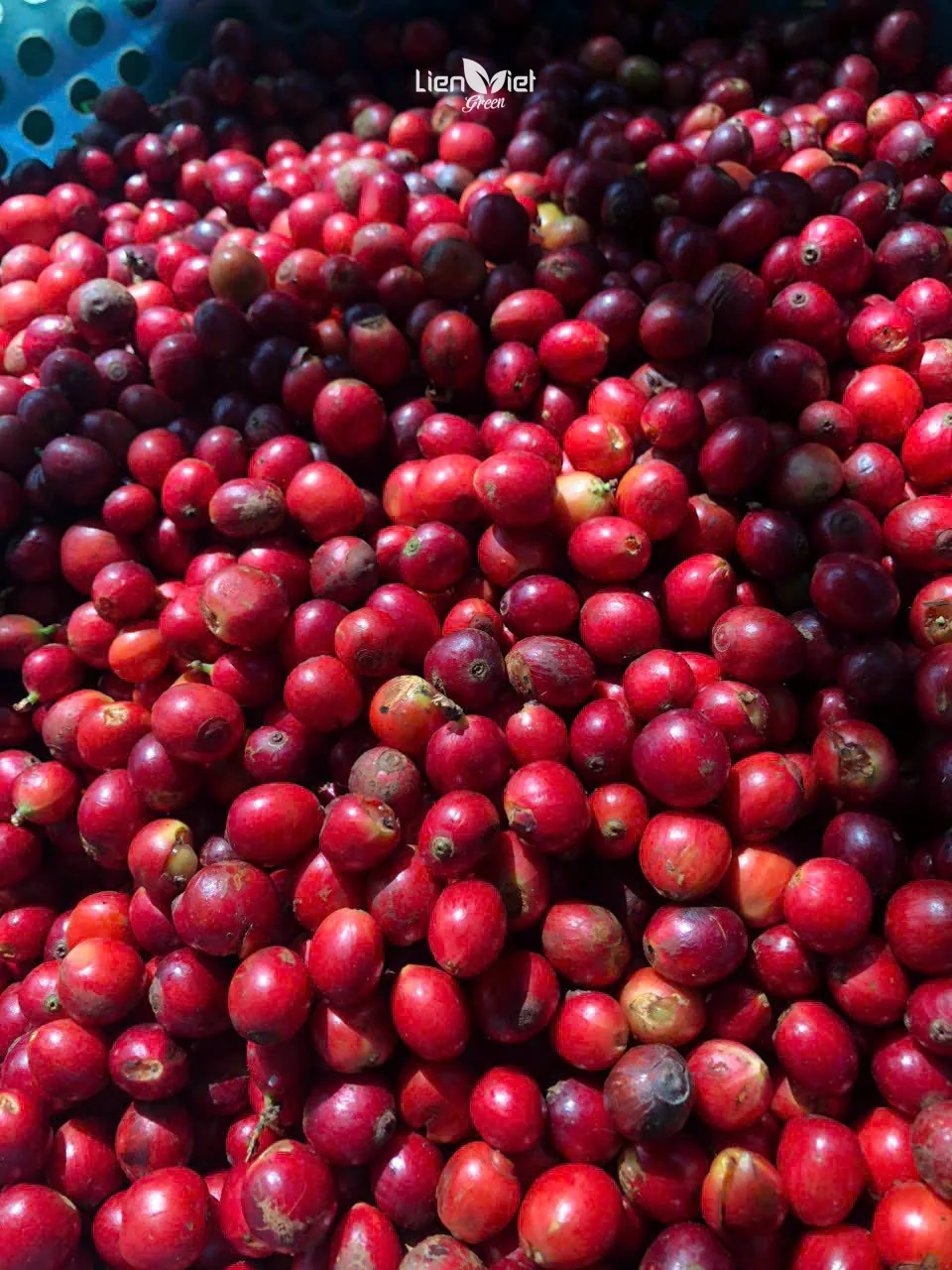
Upon harvesting, ripe coffee cherries contain abundant natural sugars – primarily glucose, fructose, and sucrose – within their moist mucilage layer. This nutrient-dense matrix provides an ideal substrate for microbial activity.
As microorganisms metabolize these simple carbohydrates and proteins, they produce organic acids and metabolic byproducts that lower the pH of the fermentation mass. This progressive acidification alters the cellular structure of the mucilage, facilitating its breakdown while allowing volatile aromatic precursors to diffuse into the cellular matrix of the seed.
Variables affecting fermentationA slight shift in any of these parameters substantially alters the resulting sensory profile of the lot.
Why Fermentation Produces Distinct and Complex Flavor Profiles
The sensory distinction of fermented specialty coffee lies in its elevated concentration of volatile aromatic compounds compared to standard industrial processing. During controlled fermentation, continuous biochemical reactions generate distinct functional groups of flavor precursors.
Esters and Organic Acids
Esters are responsible for pronounced tropical fruit, stone fruit, and delicate floral aromas. Organic acids (lactic, malic, citric) elevate brightness and dynamic cup acidity.
Alcohols and Aldehydes
Alcohols contribute depth, tactile viscosity, and winelike complexity. Aldehydes and Ketones produce sweet, buttery, and caramelized aromatic notes post-roasting.
When the coffee is subjected to thermal roasting, these precursor molecules undergo Maillard reactions, Strecker degradation, and sugar caramelization, generating a layered sensory spectrum that cannot be duplicated through low-intervention commercial processing.
Common Coffee Fermentation Processing Methods
Each fermentation method produces a distinct flavor profile suited to specific product goals and production conditions.
Comparing 5 fermentation methods| Criteria | Natural | Washed | Honey | Anaerobic | Carbonic Mac. |
|---|---|---|---|---|---|
| Sweetness | ★★★★★ | ★★★☆☆ | ★★★★☆ | ★★★★☆ | ★★★★☆ |
| Acidity | ★★☆☆☆ | ★★★★★ | ★★★☆☆ | ★★★★☆ | ★★★★★ |
| Body | ★★★★★ | ★★★☆☆ | ★★★★☆ | ★★★★☆ | ★★★☆☆ |
| Complexity | ★★★☆☆ | ★★★☆☆ | ★★★☆☆ | ★★★★★ | ★★★★★ |
| Control | ★★☆☆☆ | ★★★★☆ | ★★★☆☆ | ★★★★★ | ★★★★★ |
Natural (Dry) Fermentation
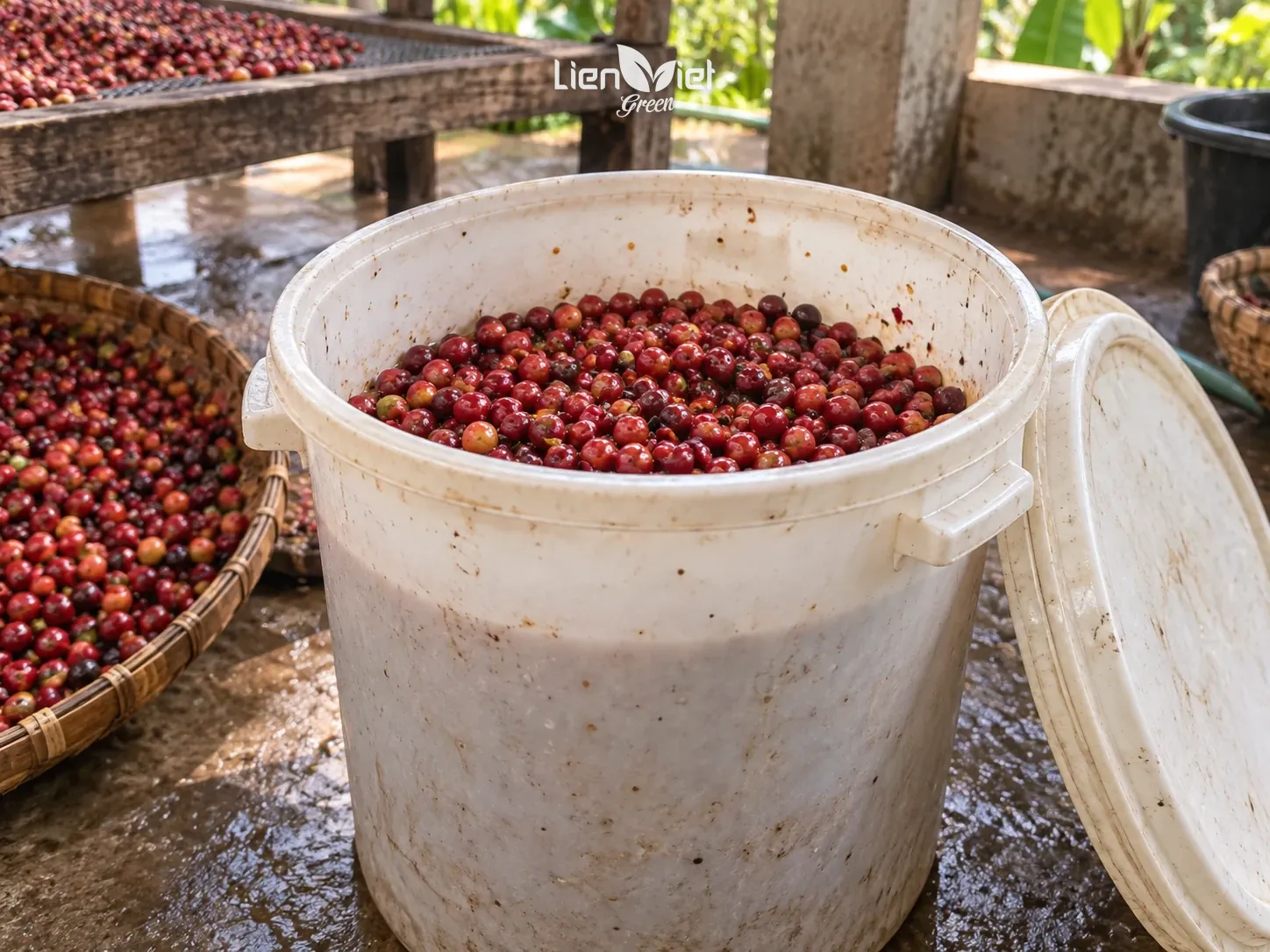
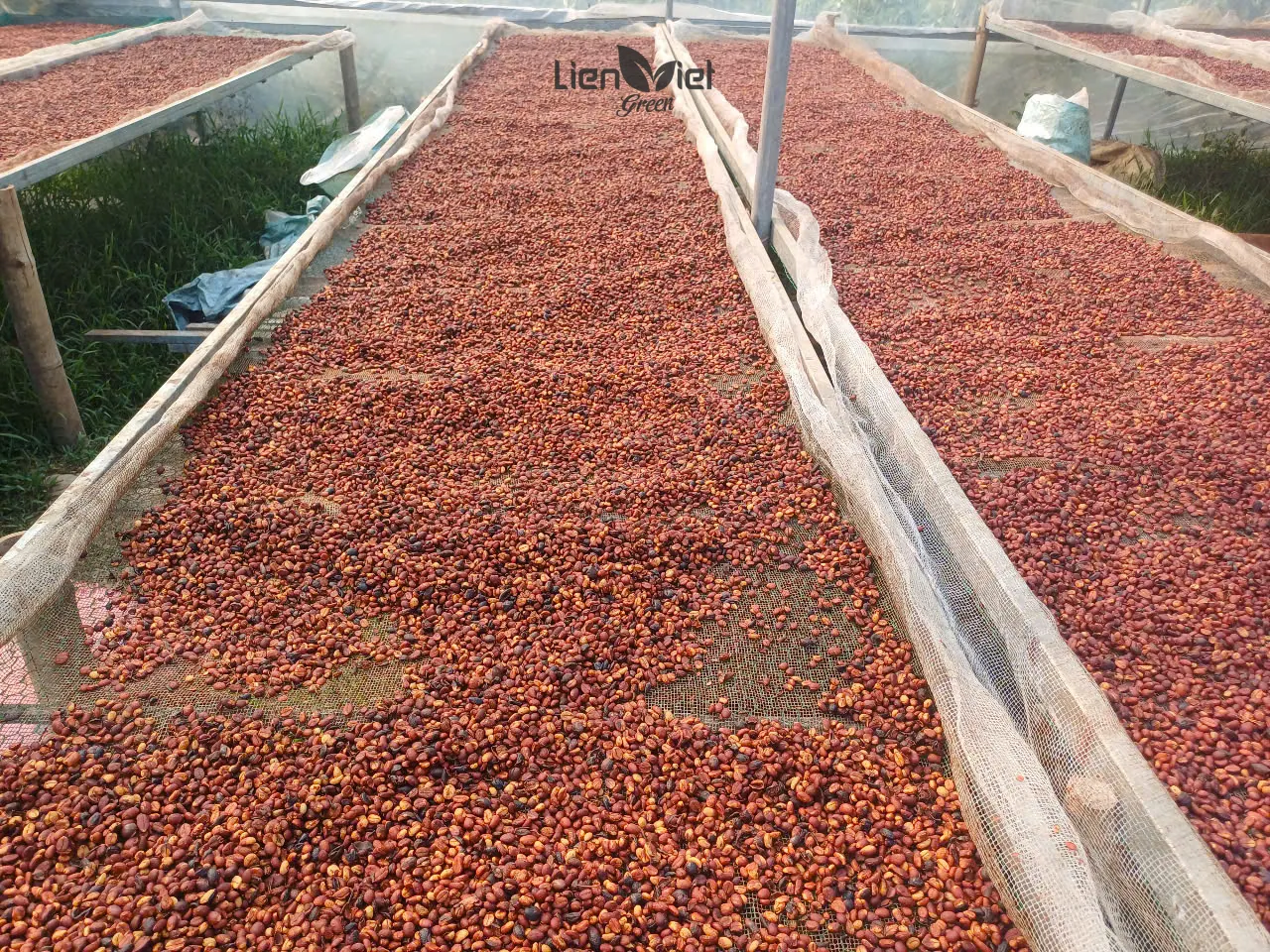
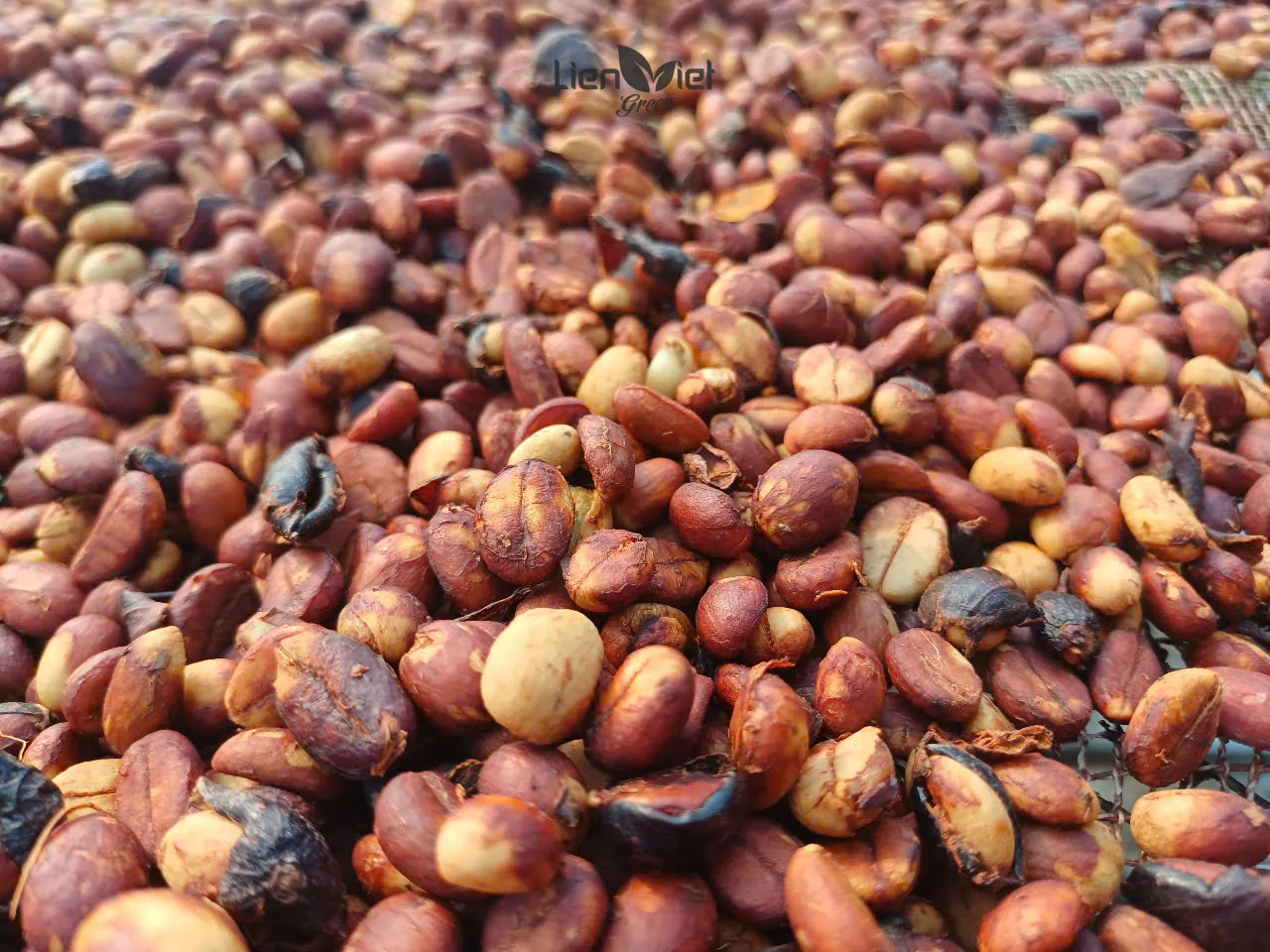
In the traditional Natural process, coffee cherries remain intact with skin and pulp throughout fermentation and drying. Microorganisms metabolize sugars directly on the drying beds under aerobic conditions. This process produces high perceived sweetness, heavy tactile body, and pronounced ripe fruit characteristics. However, it requires rigorous raking and drying management to prevent uncontrolled spoilage.
Washed (Wet) Fermentation
In Washed processing, mechanical pulpers remove the cherry skin, leaving mucilage-coated parchment submerged or held in fermentation tanks for 12 to 48 hours to degrade the mucilage. Once demucilation is complete, the beans are washed thoroughly with clean water. Washed fermentation yields a pristine, clean cup with crisp, bright acidity and clear expression of cultivar and terroir.
Honey Process
Originating in Central America, the Honey method removes the outer skin while retaining designated percentages of mucilage during drying. The remaining mucilage undergoes gradual fermentation on raised beds, delivering a harmonious balance between the sweetness and body of a Natural and the clarity of a Washed coffee.
Anaerobic Fermentation
Anaerobic processing involves sealing whole cherries or pulped parchment into airtight, food-grade tanks fitted with one-way release valves to purge atmospheric oxygen. The absence of oxygen suppresses oxidative spoilage organisms while allowing specialized anaerobic yeasts and lactic acid bacteria to thrive. Anaerobic fermentation produces high flavor intensity, complex acidity, and exceptional batch repeatability.
Carbonic Maceration
Adapted from winemaking, Carbonic Maceration involves loading whole, intact ripe cherries into sealed tanks and flushing the chamber with carbon dioxide (CO₂) under pressure. This forces anaerobic intracellular fermentation within individual cherries before the skin breaks down. Carbonic maceration yields refined, winey, and exotic floral cups with remarkable flavor clarity.
Is Extended Fermentation Always Better?
A common misconception in the specialty coffee sector is that longer fermentation durations automatically yield greater cup complexity. In practice, uncontrolled or excessively prolonged fermentation leads to catastrophic defect formation.
The optimal window is determined by variety, input conditions, and target flavor profile – not by arbitrary timers.
Fermentation efficiency relies on terminating the process at the exact apex of beneficial metabolite accumulation. If fermentation is halted prematurely, biochemical reactions remain incomplete, resulting in flat, astringent, or underdeveloped flavor profiles.
Conversely, when fermentation extends past the optimal threshold, beneficial yeasts expire, and aggressive acetic acid bacteria or putrefactive microorganisms dominate. This leads to over-fermentation defects: pungent acetic acid, butyric acid, ethyl acetate, or muddy phenolic taints that ruin clean cup scores.
Critical Parameters Dictating Fermentation Quality
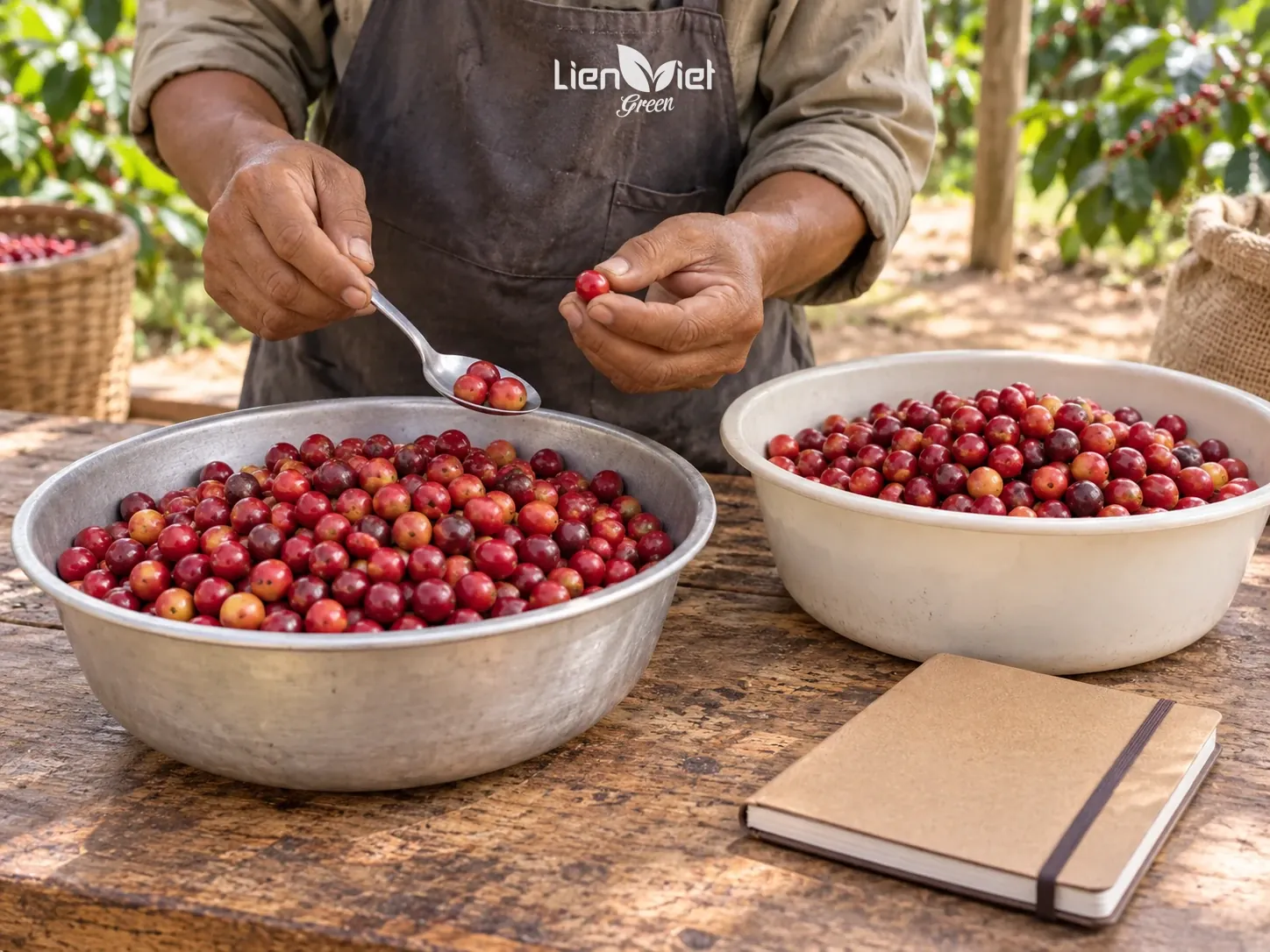
Producing defect-free fermented coffee at commercial scale requires systematic monitoring across multiple control points.
Key control factors- Input quality and ripenessSelecting 100% ripe cherries with uniform Brix readings for sustained fermentation.
- Microbial population controlManaging indigenous wild yeasts or utilizing selected commercial yeast inoculants.
- Facility sanitationThorough cleaning of tanks, valves, and raised beds to prevent cross-contamination.
- Thermal and atmospheric controlRegulating ambient temperature and oxygen displacement in sealed fermentation tanks.
- Systematic parameter trackingRecording hourly pH, temperature, and Brix metrics to identify the optimal termination point.
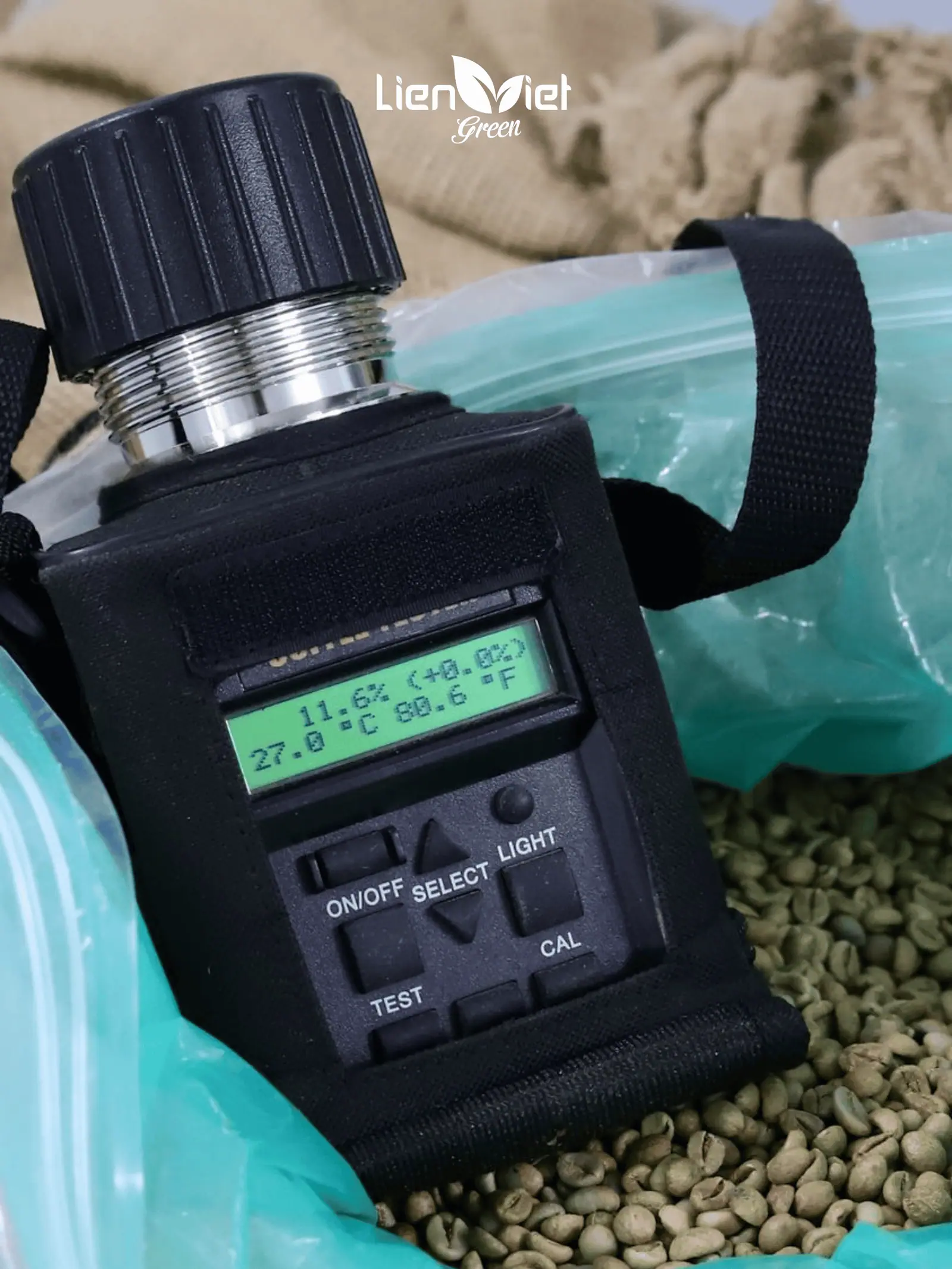
- Rapid post-fermentation dryingMoving beans onto raised beds immediately to lock in target moisture of 10%–12%.
The Strategic Role of Fermentation in the Modern Coffee Supply Chain
For the specialty coffee industry, controlled fermentation is no longer an artisanal curiosity; it is a vital commercial strategy to add value, command higher prices, and satisfy sophisticated consumer demands.
By applying controlled fermentation techniques, producers can elevate standard regional lots into distinctive microlots that score 85+ on the SCA scale. For commercial roasters, boutique chains, and green coffee importers, purchasing precisely fermented lots provides signature product differentiation, reliable seasonal menu profiles, and measurable competitive advantages.
“Fermentation is not just a processing step; it is the key to unlocking flavor dimensions that traditional methods cannot achieve.”Lien Viet Green
Lien Viet Green – Developing High-Grade Fermented Coffee for B2B Partners
Recognizing the transformative role of fermentation in specialty coffee, Lien Viet Green works closely with farming partners in Vietnam’s top producing regions – including Son La, Quang Tri, Lam Dong, and the Central Highlands – to develop rigorous post-harvest processing protocols.
Each commercial lot is processed under strict quality controls to satisfy the precise profile requirements of roasters, café chains, and international exporters.
Beyond supplying specialty green beans, roasted coffee, and turnkey OEM/ODM services, Lien Viet Green prioritizes complete data transparency, digital lot documentation, and inter-harvest stability.
As global demand for distinctive specialty coffee continues to accelerate, partnering with a supplier that combines agronomic sourcing depth with technical processing control is essential. With deep B2B supply experience and a commitment to elevating Vietnamese coffee origin value, Lien Viet Green delivers stable quality, scientific processing, and professional services to partners worldwide.
Request samples and sourcing consultation for fermented coffee
Contact us to discuss high-quality coffee sourcing, processing methods, and receive complimentary samples.
One of the most tightly controlled fermentation styles is explained in what natural anaerobic processing is.
For fermentation applied to a single Vietnamese origin, read our notes on fermenting and roasting Quang Tri Liberica.
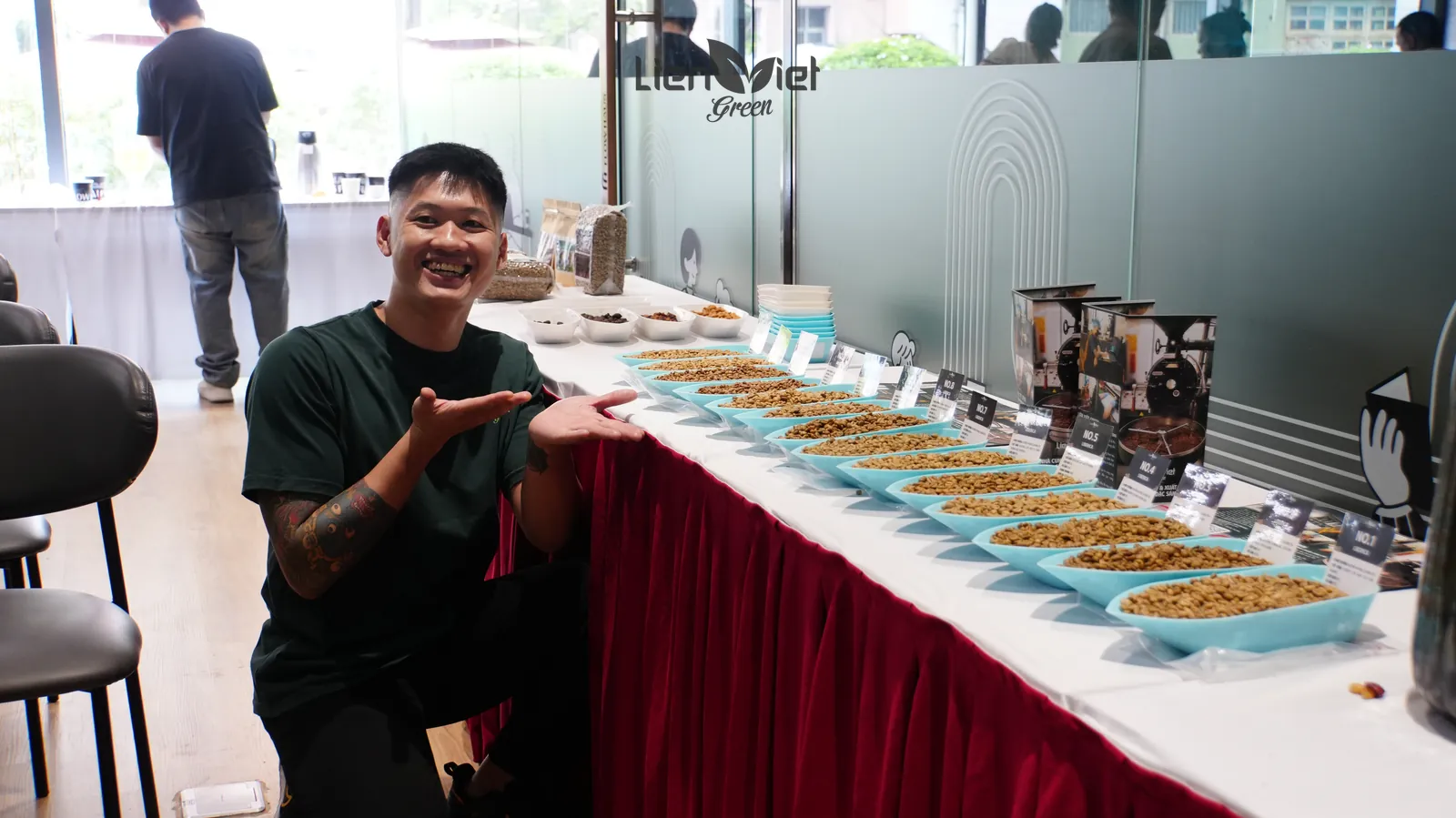
Cafés and chains that want to taste fermented lots can see our roasting service for cafés and chains, or book a cupping at our Long Bien roastery.
Sources: Specialty Coffee Association (SCA) coffee standards.
Frequently asked questions
What is fermentation in coffee processing?
It is the process in which microorganisms break down sugars and organic compounds in the mucilage around the bean after harvest. Yeasts, lactic acid bacteria and acetic acid bacteria produce organic acids, esters, alcohols and aldehydes, which act as flavor precursors that react further during roasting.
Does fermentation add flavor to the bean from outside?
No. Fermentation does not introduce new flavors from outside. It transforms and develops compounds already present in the coffee cherry, and during roasting these precursors react further to create complex aromas.
Does longer fermentation make better coffee?
Not necessarily. Too short a fermentation leaves flavor undeveloped and flat, while going past the optimal point can create unwanted compounds that damage the cup. The right duration depends on the variety, the raw material and the target flavor profile.
How do natural, washed and honey processing differ?
Natural keeps the whole cherry intact while it dries, giving high sweetness and a heavy body. Washed removes the mucilage and rinses the beans, giving a clean cup with clear acidity. Honey keeps part of the mucilage, adding sweetness and a longer finish than washed coffee.
Which factors most affect the result of fermentation?
The main factors are cherry ripeness, the microbial strains involved, sanitation, temperature, humidity, oxygen level and fermentation time. A change in just one of them can noticeably change how the lot tastes.