Custom Blends: The Blueprint for Signature Coffee Profiles
Explore the strategic role of custom blending and proprietary recipe formulation in helping cafes and F&B brands create signature sensory profiles that strengthen brand equity and drive customer retention.
A custom blend is two or more coffee lots mixed in set proportions and roasted to a flavor target designed for one brand. It gives a café or F&B chain a signature taste that customers cannot find anywhere else, which is what brings them back.
📌 Technical Key Highlights
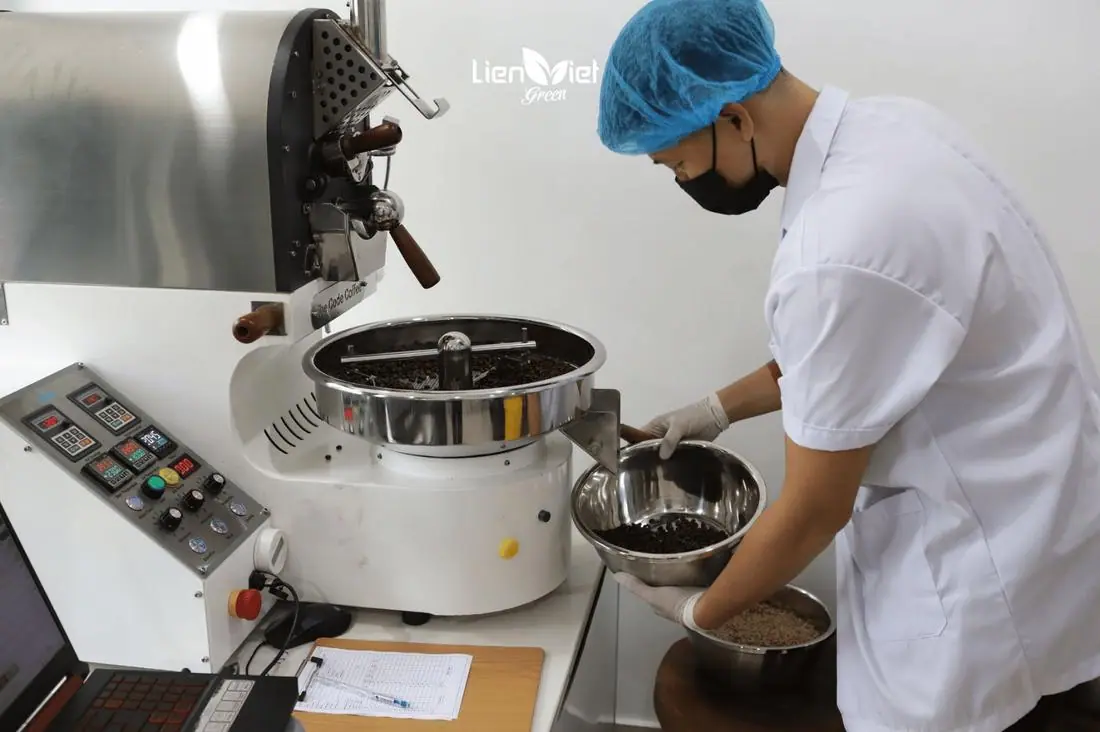
- Roastery Standard: Certified ISO 22000, evaluated by Q Grader panel.
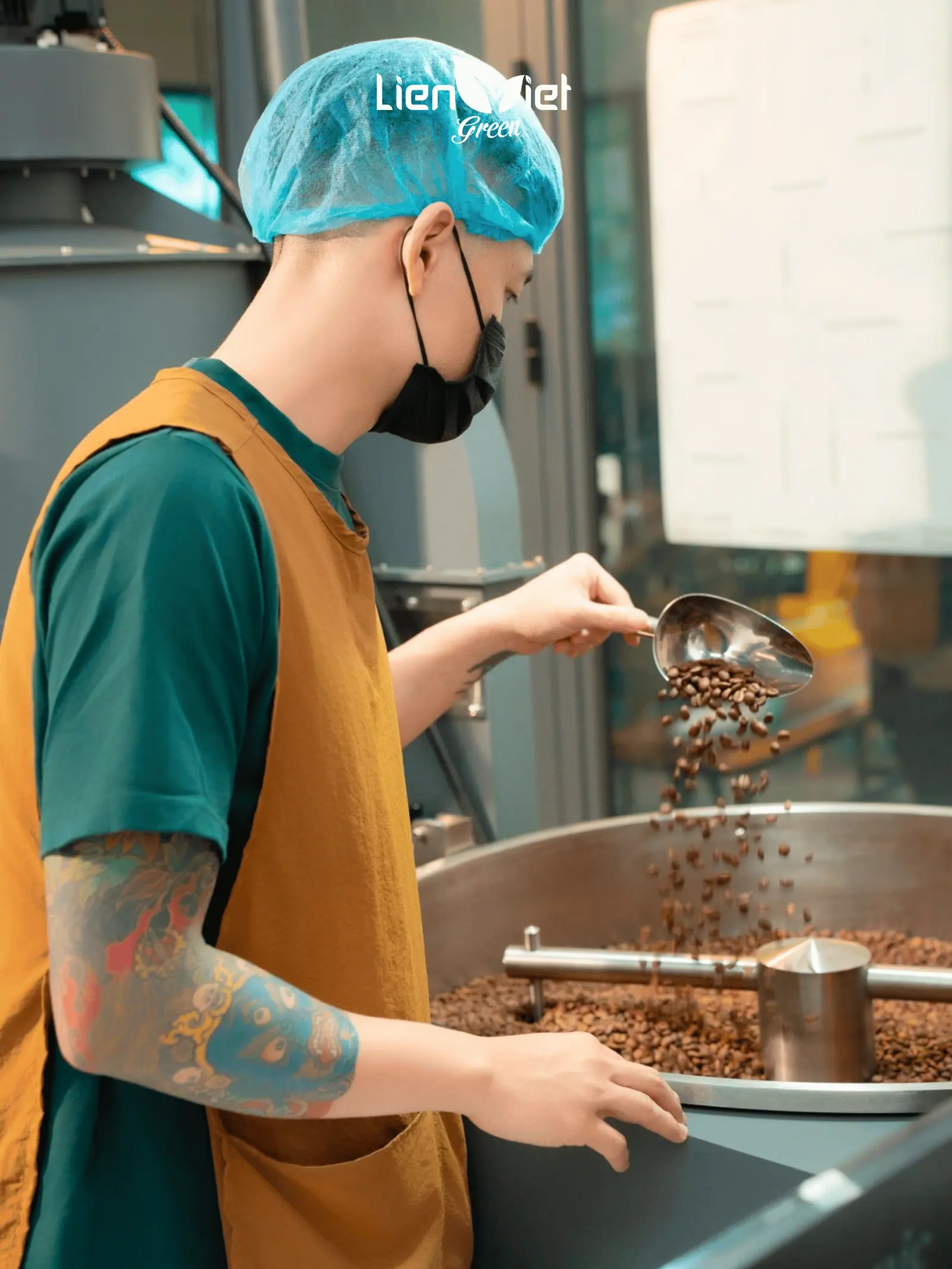
- Roasting Tech: 100% Hot Air fluid bed convection, precise thermal curve tracking.
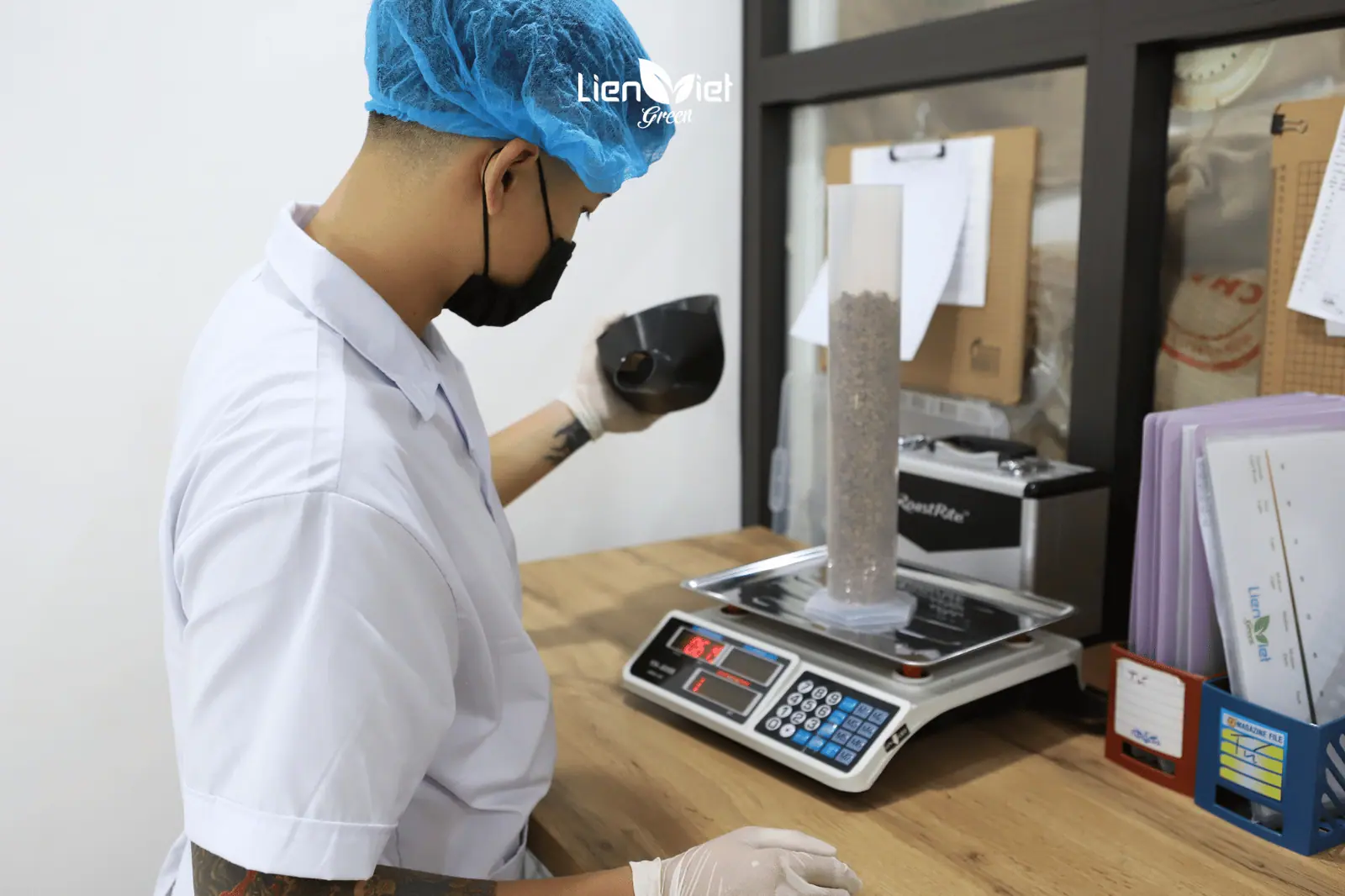
- Batch Consistency: Strict Agtron spectrophotometer roast color and moisture control.
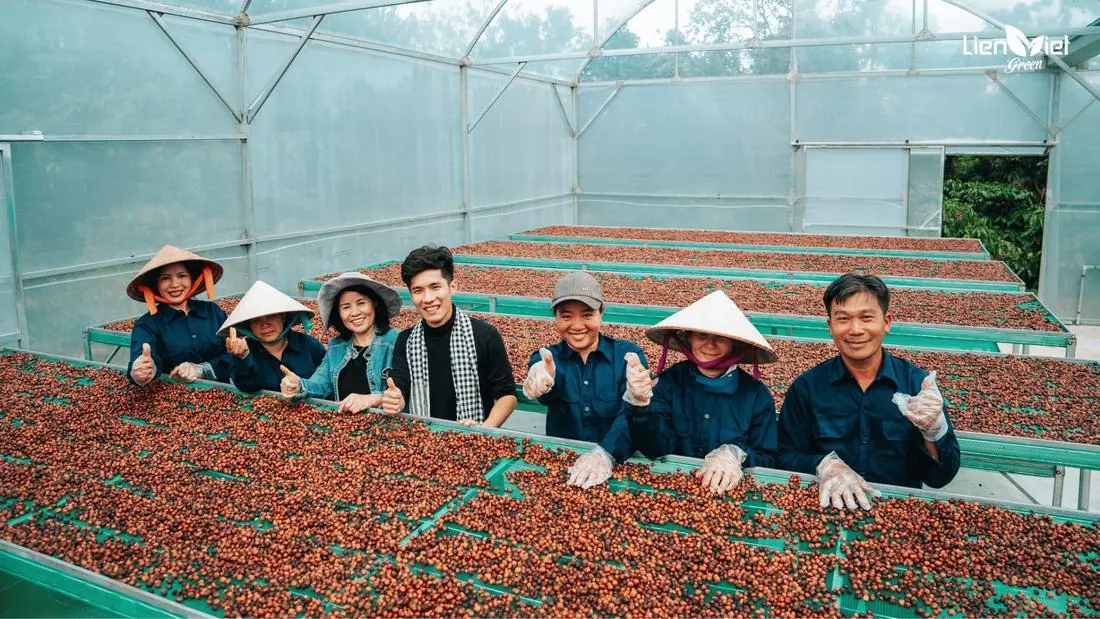
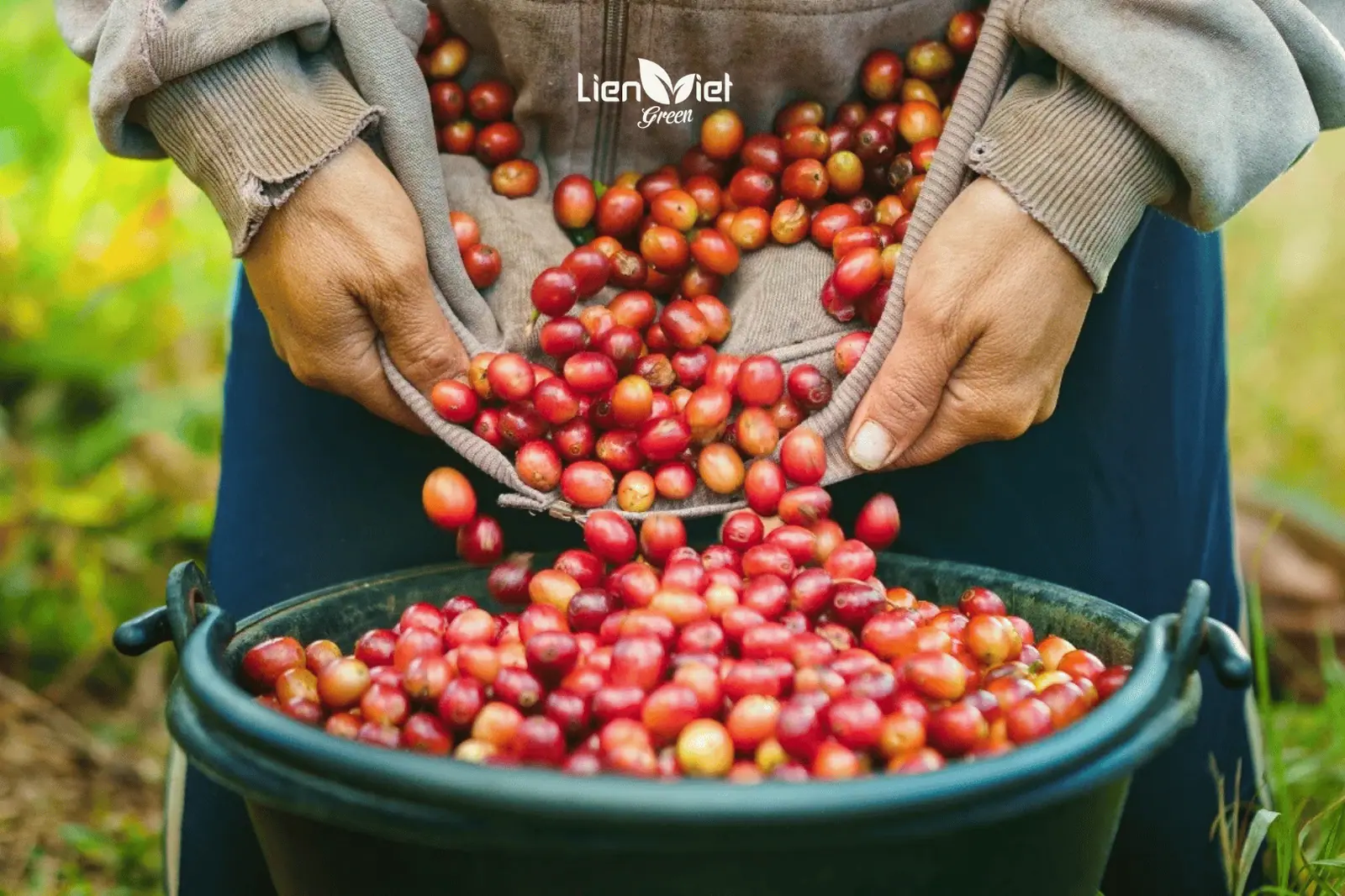
- Traceability: 100% transparent sourcing from Vietnamese coffee origins.
The Strategic Rise of Custom Coffee Blends
In today’s highly competitive coffee industry, baseline product quality is no longer enough to secure a lasting competitive advantage. Consumers have abundant choices ranging from neighborhood specialty cafes to international franchise chains. What consistently drives customer loyalty is not merely interior design or service speed, but a far more fundamental factor: sensory distinction.
A proprietary coffee blend with an unmistakable flavor profile—one that cannot be replicated elsewhere—serves as an indelible sensory signature for your brand. This imperative explains why custom blends and tailored recipe formulations have become central to the growth strategies of successful coffee shops, roasteries, and F&B enterprises.
What defines a custom blend, and how can an enterprise formulate a proprietary coffee recipe that retains customers while protecting brand equity?
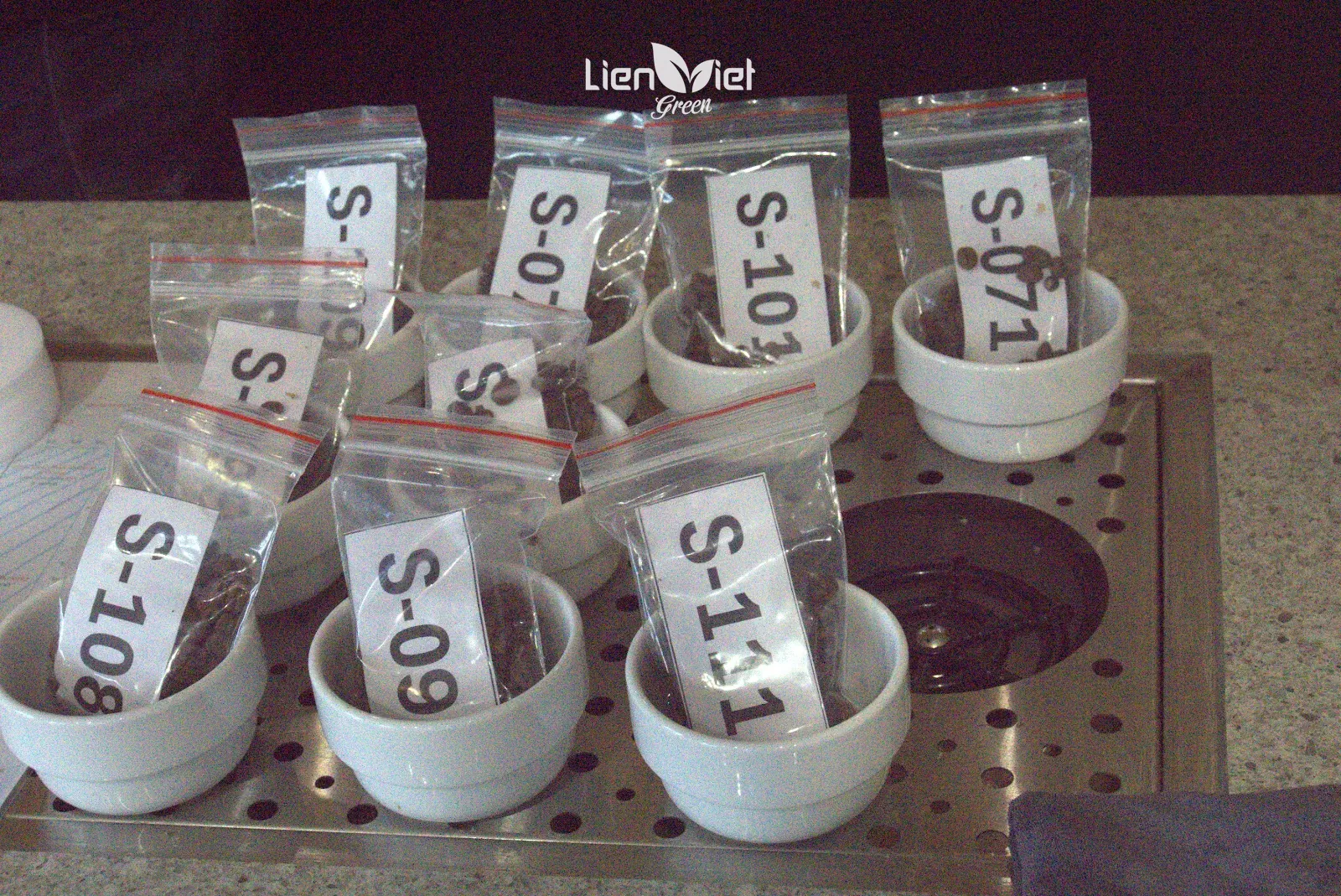
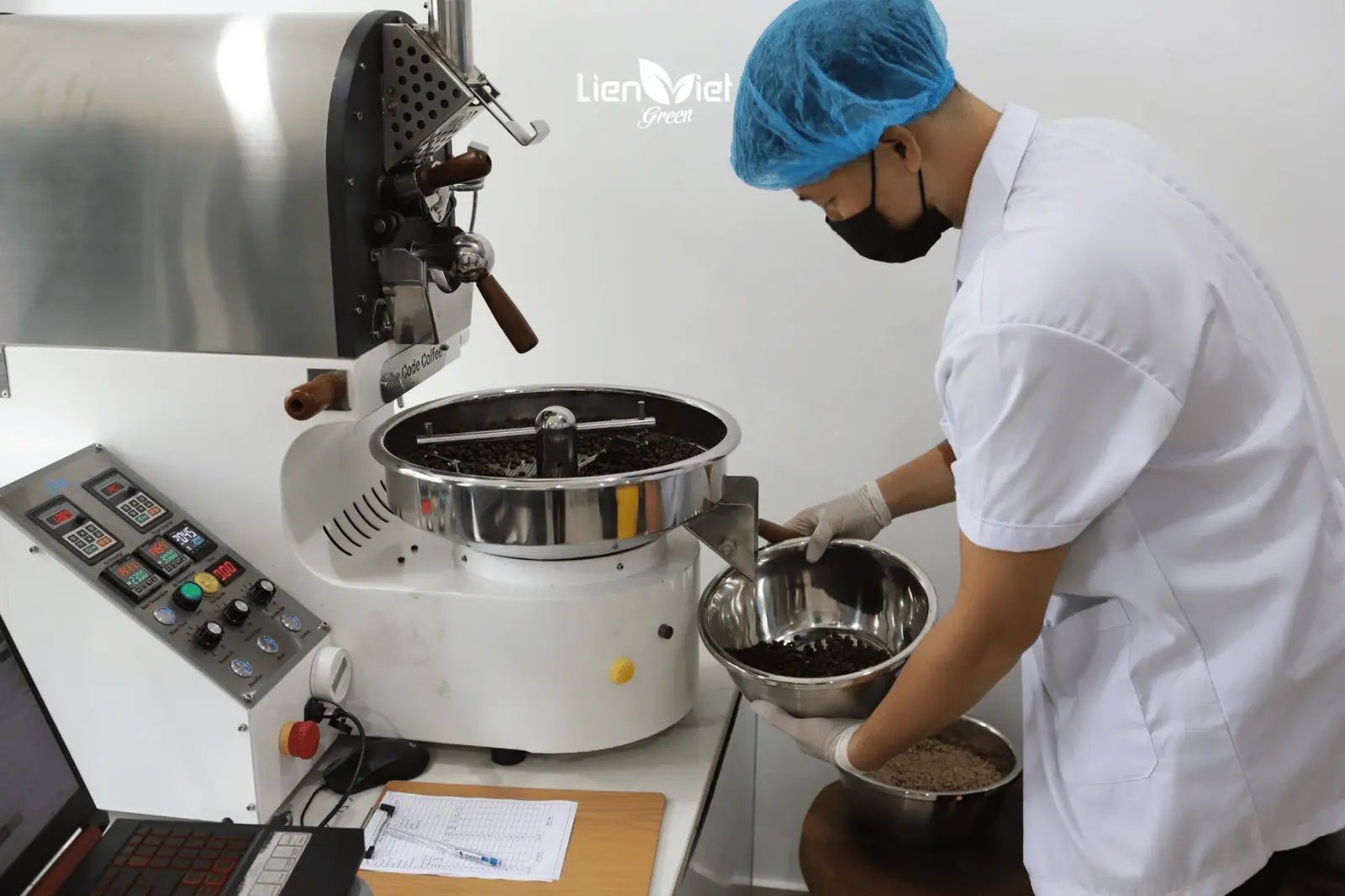
A custom blend is the deliberate combination of two or more distinct coffee lots—varying by species, variety, processing method, or roast profile—mixed in specific proportions to achieve a target sensory balance designed specifically for a brand.
Unlike off-the-shelf commercial blends mass-produced for broad distribution, a custom blend is engineered around specific business criteria:
The result is an exclusive coffee formulation that functions as the brand’s proprietary flavor trademark.
Sensory research in the hospitality and F&B sectors demonstrates that taste and olfaction create some of the strongest psychological triggers for memory retention. A cup with a lingering cocoa finish, balanced natural sweetness, or delicate floral clarity creates a lasting impression far more durable than temporary marketing campaigns.
When a cafe serves standard commodity coffee available from dozens of nearby competitors, customer choice is dictated primarily by convenience and price discounts. In contrast, possessing a proprietary blend establishes unique product value, insulating the enterprise from destructive price competition.
What Is a Custom Blend?
Customers may visit a venue initially out of curiosity or convenience, but repeat visits are driven by loyalty to a specific flavor profile. A well-engineered custom blend builds consumer habituation and boosts customer lifetime value.
Each coffee species and varietal contributes distinct chemical and sensory attributes. High-grown Arabica provides floral aromatics, refined fruit acids, and delicate sweetness. Fine Robusta contributes structural body, crema persistence, dark cocoa notes, and extended aftertaste. Combining the appropriate varieties provides the sensory foundation for the blend.
Espresso blends designed for Americanos and flat whites often utilize an Arabica-dominant ratio (e.g., 70/30 or 80/20) to maintain aromatic complexity. Conversely, blends designed for traditional Vietnamese condensed milk coffee (Cà phê sữa đá) typically require a higher proportion of Fine Robusta (e.g., 60/40 or 70/30 Robusta) to cut through dairy sweetness without losing coffee character. There is no universal formula; blending ratios must be calibrated to specific menu applications.
Even within the same species, origin matters immensely. Arabica sourced from Son La delivers crisp malic acidity and stone fruit notes, while Arabica from Cau Dat (Da Lat) offers floral jasmine notes and bright citrus. Similarly, Fine Robusta from Dak Lak offers deep cocoa notes, whereas Khe Sanh Robusta presents clean herbal and nutty undertones. Altitude, microclimate, and soil composition directly shape the raw blend components.
Applying different roast profiles to identical blend components will dramatically alter the sensory output:
The dominant profile in the Vietnamese domestic market, characterized by:
Engineered for contemporary commercial espresso machines, targeting optimal equilibrium between:
Favored by specialty cafes and progressive third-wave roasters, highlighting:
Why a Signature Flavor Profile Creates a Sustainable Competitive Advantage
The fastest-growing segment among hospitality groups and F&B chains. The objective is not to replicate generic market trends, but to engineer a proprietary flavor profile that embodies the brand’s unique commercial identity.
Deploying a proprietary recipe yields strategic operational benefits beyond simple differentiation:
When customers associate an irreplaceable taste experience with your business rather than just a physical address, the enterprise secures an enduring market advantage.
Many businesses struggle with proprietary blend development due to critical operational oversights:
A successful custom blend requires an intentional balance of sensory excellence, raw material availability, and stringent batch consistency.
At Lien Viet Green, we believe every coffee brand deserves a distinctive, defensible sensory identity.
Leveraging direct access to Vietnamese growing origins, certified Q Grader sensory expertise, and computerized hot-air roasting technology, Lien Viet Green collaborates closely with enterprise partners to engineer, refine, and produce custom blends aligned with their target market and financial models.
In an increasingly crowded marketplace, a proprietary coffee blend is more than an inventory item—it is an enduring brand asset that drives customer loyalty, protects margins, and secures long-term business growth.
Technical Quality Standards Comparison Matrix
| Quality Metric | Conventional Standard | Lien Viet Green OEM Standard |
|---|---|---|
| Roasting Tech | Direct flame drum, minor smoke trace | 100% Hot Air fluid bed convection, uniform roast |
| Batch QC Control | Subjective visual checking | Agtron color meter + ISO moisture + ARTISAN logs |
| Packaging Format | Standard poly or paper bag | 4-layer foil laminate with 1-way degassing valve |
The same blend can taste very different depending on how it is roasted, as our guide to coffee roast levels and modern flavor profiles shows.
If your menu serves both espresso and phin, read how to choose beans and roast profiles for espresso and phin before you set the blend ratio.
Learn how we develop house blends for multi-outlet brands on our coffee for cafés and chains page, or book a cupping at our Long Bien roastery to taste candidate recipes side by side.
Sources: Coffee Quality Institute (CQI) Q Grader certification; ISO 22000:2018 on the ISO website and Lien Viet Green roastery ISO 22000:2018 certificate.
Frequently asked questions
How is a custom blend different from a commercial blend?
A commercial blend is sold widely, so many cafés end up serving the same coffee. A custom blend is mixed in its own proportions around the flavor goals of one brand, giving you a flavor signature that only your café has.
Why does a signature flavor help a café keep customers?
People may try a new café out of curiosity, but they return because they like the taste. A recipe of your own makes customers remember your café, and it means you do not have to compete on price alone.
How should Arabica and Fine Robusta be combined?
It depends on the flavor you want. Arabica usually brings floral and fruit aromas with a bright acidity, while Fine Robusta adds heavy body, chocolate notes and a long finish. Espresso recipes often lean on Arabica for aroma, while phin coffee usually uses more Fine Robusta for strength.
Why can the same blend recipe taste different?
Because the roast profile changes the experience. A light roast brings out floral and fruit notes, a medium roast adds caramel and brown sugar, and a dark roast makes chocolate and cocoa more pronounced. Growing regions such as Son La, Cau Dat or Khe Sanh also make a difference.
How does Lien Viet Green help build a custom blend?
Lien Viet Green works with you from the growing region through roasting to product development. Our CQI Q Graders cup samples with you to choose a recipe that fits your brand positioning, and you can book a cupping at our roastery in Long Bien, Hanoi.
Partner with ISO 22000 Certified OEM Coffee Roaster
Lien Viet Green supports hotel chains, F&B franchises, and commercial brands with custom roast profiles and supply reliability.