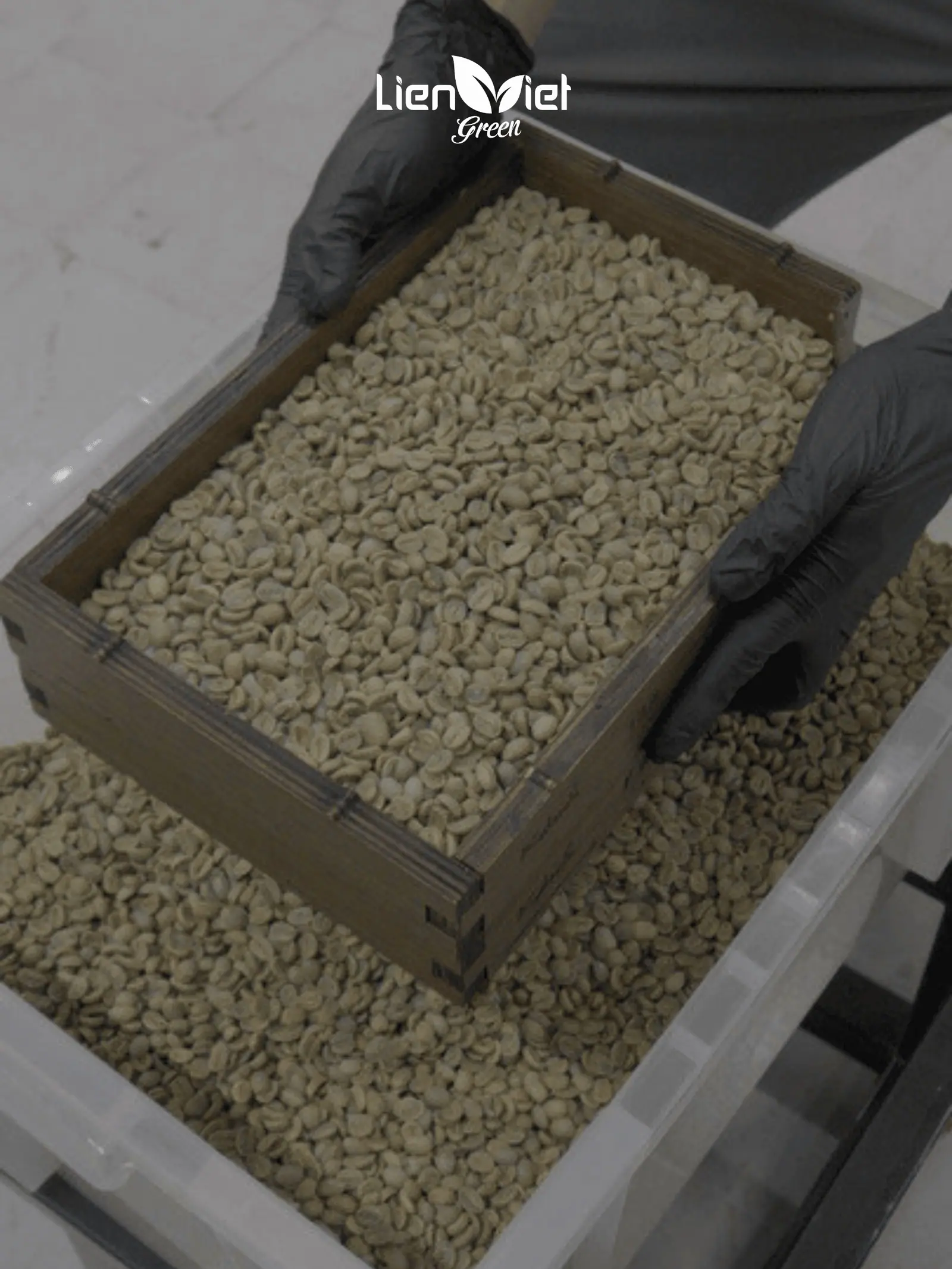
Coffee screen size is the diameter grade of green coffee beans, measured on sieves in steps of 1/64 inch: Screen 16 is about 6.35 mm and Screen 18 about 7.14 mm.
Screen size is one of the first physical parameters roasters evaluate, but bean size reflects physical sorting, not sensory cup quality.
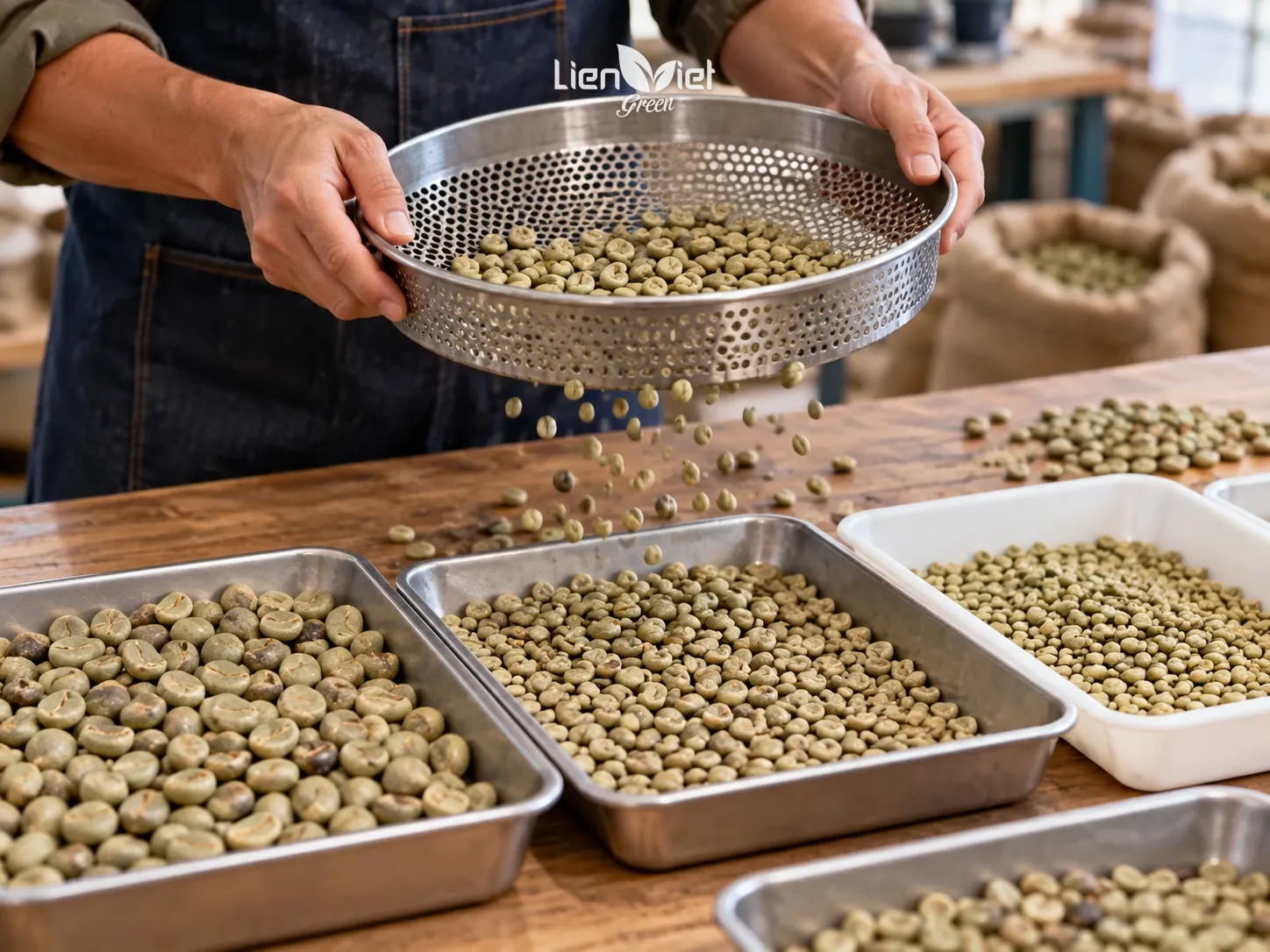
In coffee trading, specifications like Screen 16, Screen 18, Sàng 16, Sàng 18 appear on virtually every green coffee spec sheet. For roasters, importers, and cafe owners, screen size is one of the first physical parameters evaluated. However, there is a widespread misconception that larger beans automatically mean better-tasting coffee. In reality, bean size reflects physical sorting, not sensory cup quality.
What Is Coffee Screen Size?
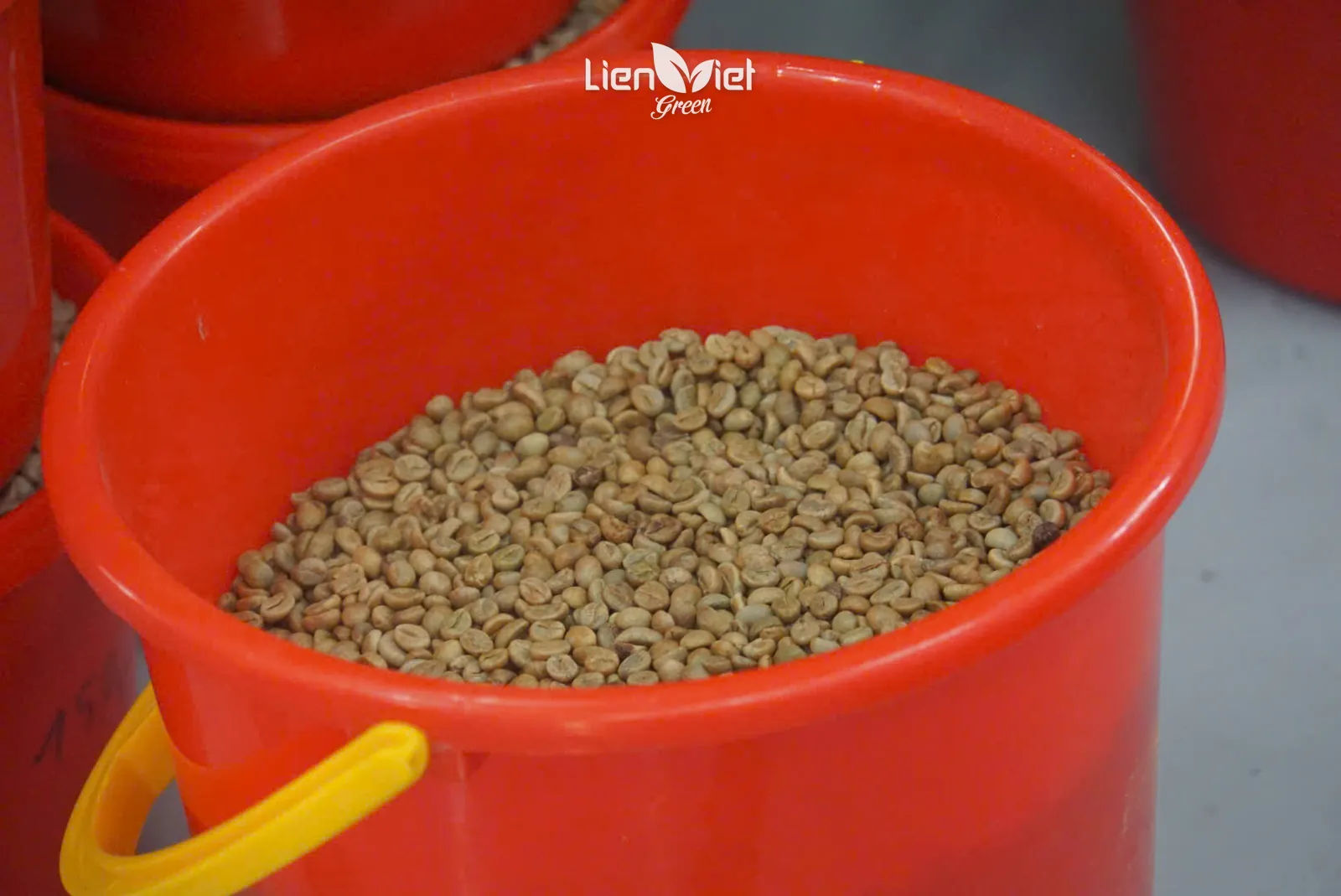
Screen size grading is a mechanical sorting process that separates green coffee beans according to diameter. In international trade, screen sizes are measured in increments of 1/64 of an inch:
| Screen | Mesh | Diameter | Grade |
|---|---|---|---|
| Screen 14 | 14/64 inch | ≈ 5.55 mm | Small |
| Screen 16 | 16/64 inch | ≈ 6.35 mm | Commercial |
| Screen 18 | 18/64 inch | ≈ 7.14 mm | Large |
| Screen 20 | 20/64 inch | ≈ 7.94 mm | Elephant |
Screen 16 is the standard commercial export grade for Arabica and Robusta; Screen 18 is the large-screen grade; Screen 20 covers very large beans such as Elephant beans or Maragogipe. In standard export contracts (e.g., Vietnam Robusta Grade 1 Screen 18), specifications typically require at least 90% or 95% of beans to remain above the designated screen mesh.
A complete green coffee spec sheet never stops at the screen number. Read it together with moisture, density, defect count and the cupping score to understand what the lot can actually deliver.
Why Is Screen Size Sorting Important?
If size does not equal taste, why do roasters pay close attention to screen grading? The answer lies in roasting thermodynamics and extraction uniformity.
- Small beans reach First Crack earlier
- Large beans lag behind
1. Uniform Heat Transfer During Roasting
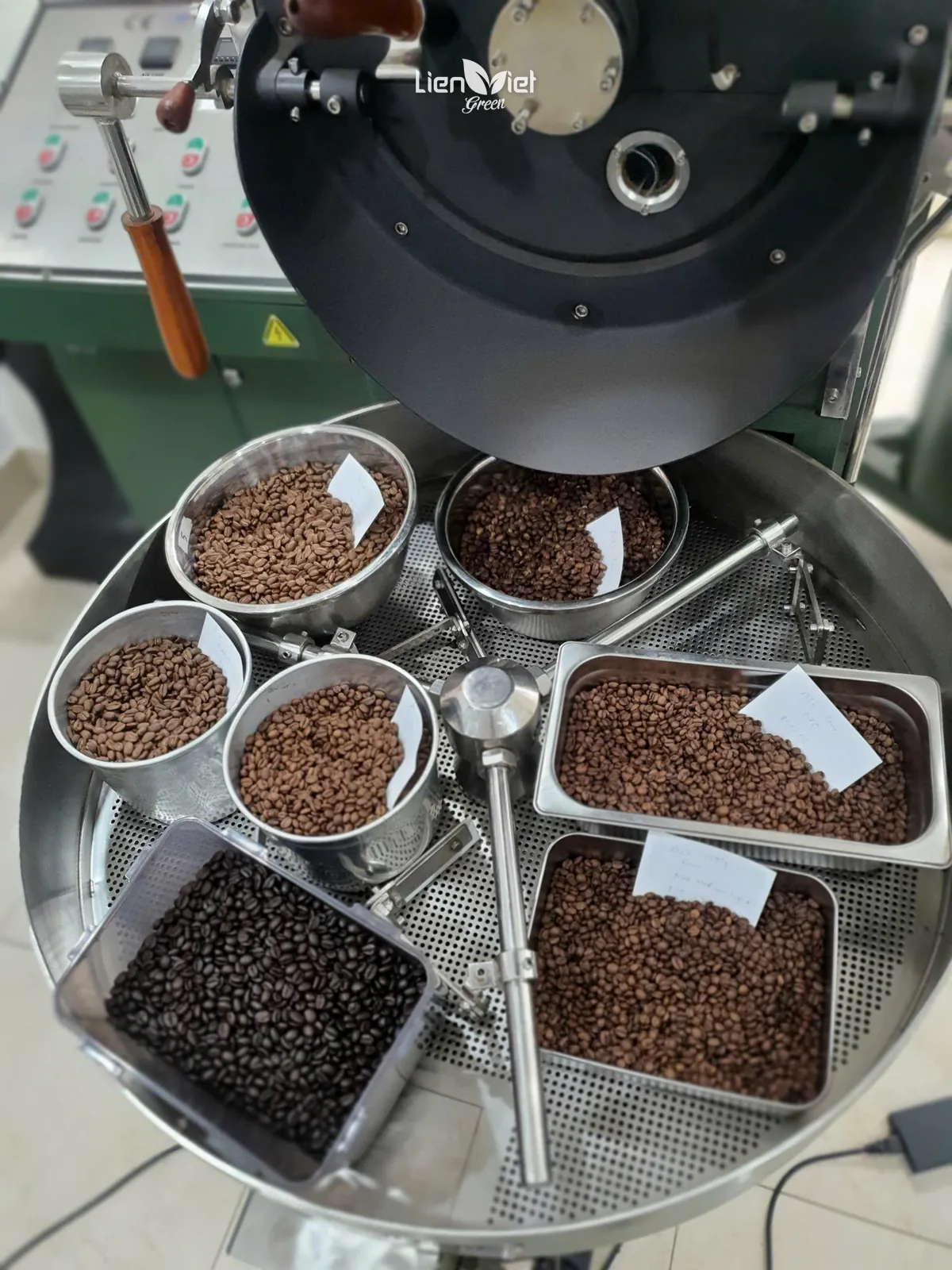
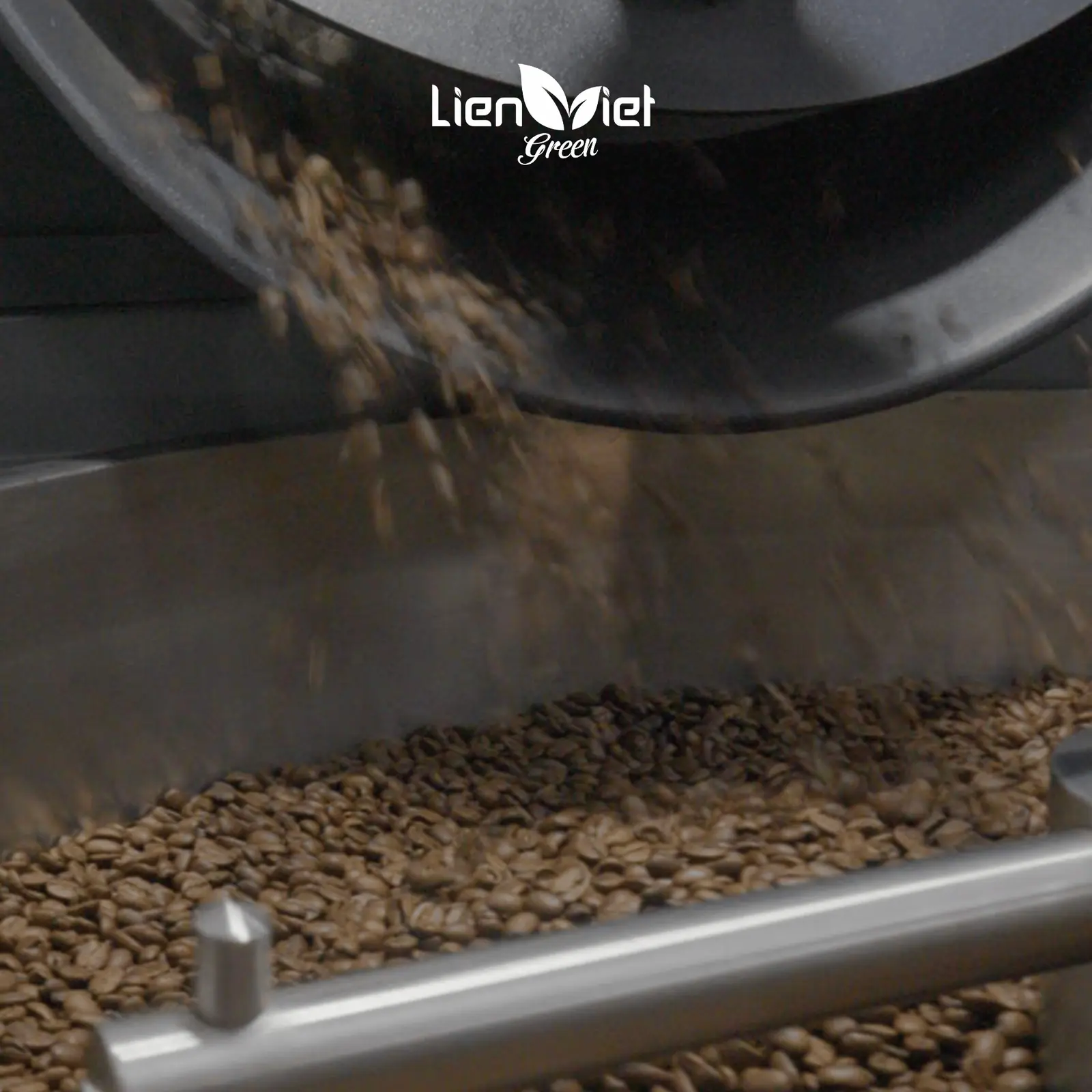
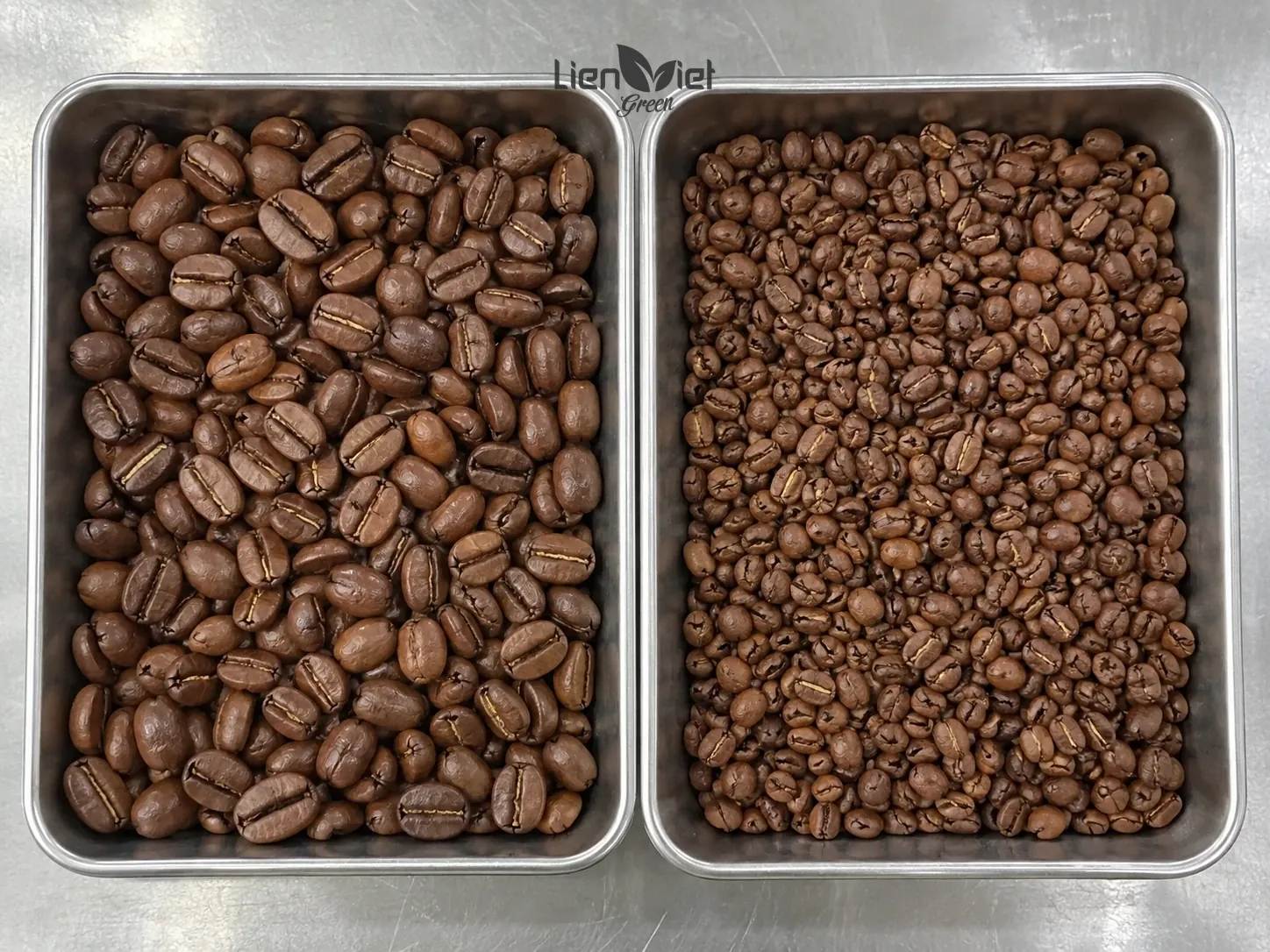
When green beans inside a roaster drum are mixed in size, small beans absorb heat faster and reach First Crack earlier, while large beans lag behind. If a batch contains a chaotic mix of Screen 14 and Screen 18 beans, the small beans may end up dark and scorched while the large beans remain underdeveloped in the center. Sorting beans to a uniform screen size ensures that heat transfers evenly throughout the entire batch.
2. Consistent Grind Distribution and Extraction
Uniformly roasted beans grind more consistently, producing a tighter particle size distribution. This minimizes fines and boulders, preventing channeling and harsh astringency during espresso or filter brewing.
Does Larger Screen Size Mean Better Flavor?
Not necessarily. While large screen sizes often correlate with well-nourished cherries from healthy coffee trees, bean size alone does not determine cup quality. A Screen 18 bean can still produce a flat or defective cup if it suffers from:
- Low densitySoft, low-density beans grown at low altitudes lack the complex sugars and organic acids found in dense highland coffees.
- DefectsBlack beans, sour beans, mold, or insect damage ruin flavor regardless of bean diameter.
- Poor post-harvest processingOver-fermentation or uneven drying damages cup clarity and sweetness.
- Improper roastingEven the largest bean will taste bitter and astringent if roasted with an unbalanced profile.
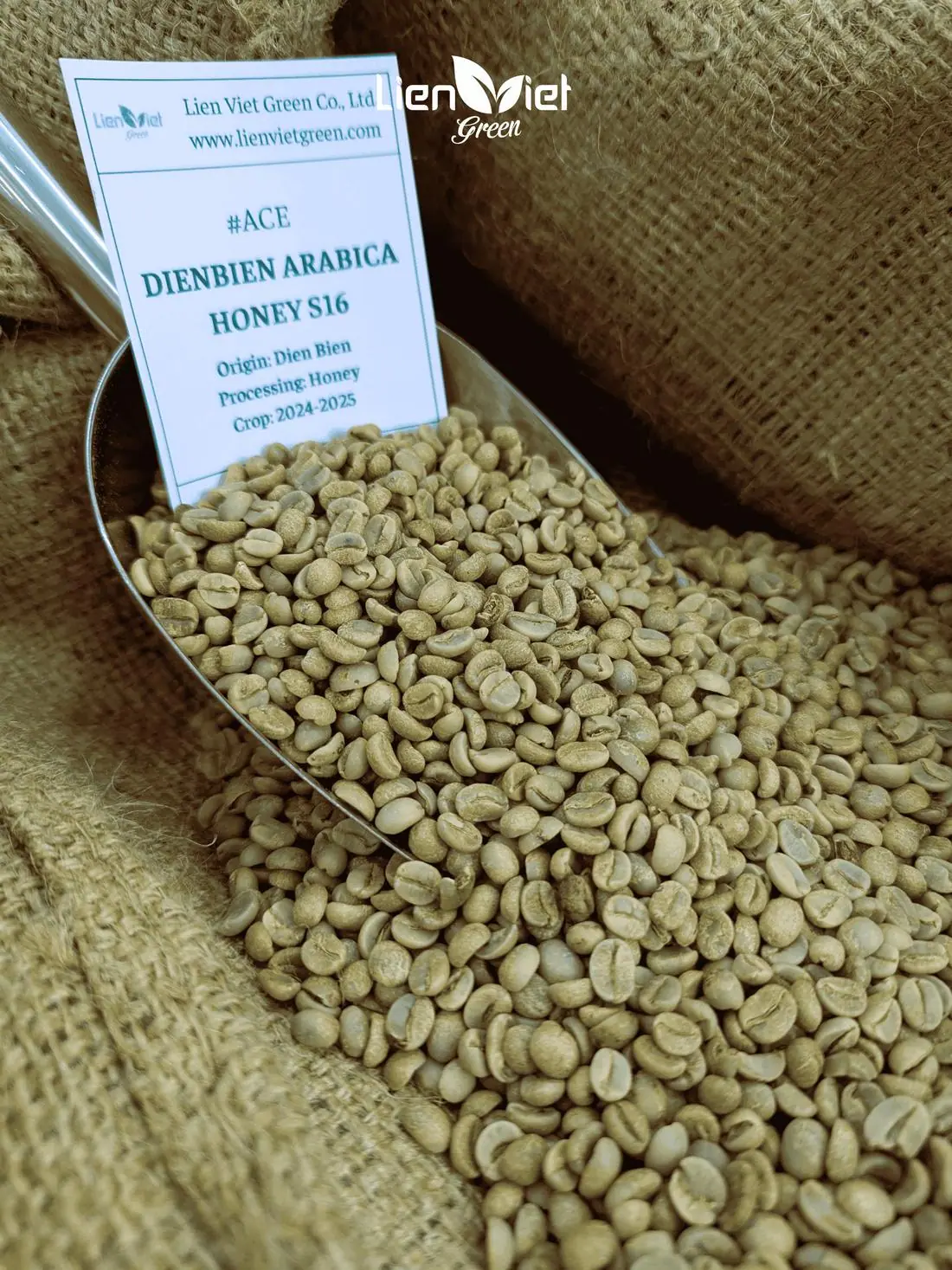
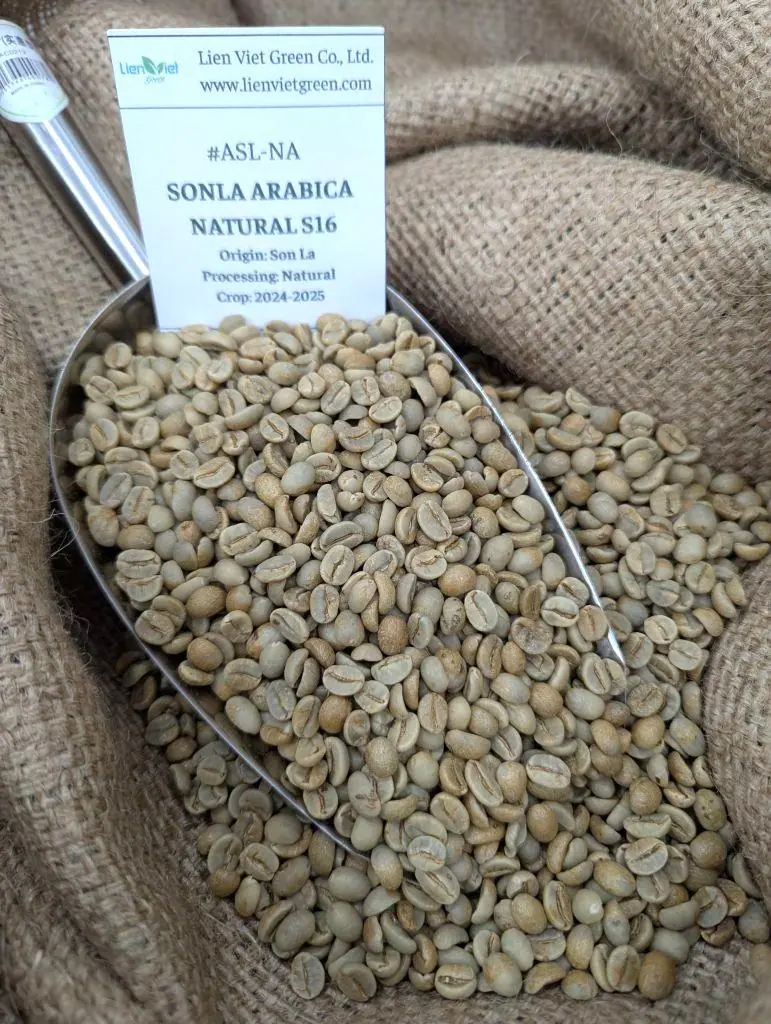
“In specialty coffee, some of the world’s most prized varieties, such as Ethiopian heirlooms or Peaberries, are naturally small (Screen 13–15), yet they deliver extraordinary cup complexity, vibrant acidity, and floral notes.”Lien Viet Green
Summary: How Roasters and Buyers Should Evaluate Beans
Screen size is an essential physical metric for ensuring roast consistency, but it should always be evaluated alongside:
| Metric | Reference range or standard |
|---|---|
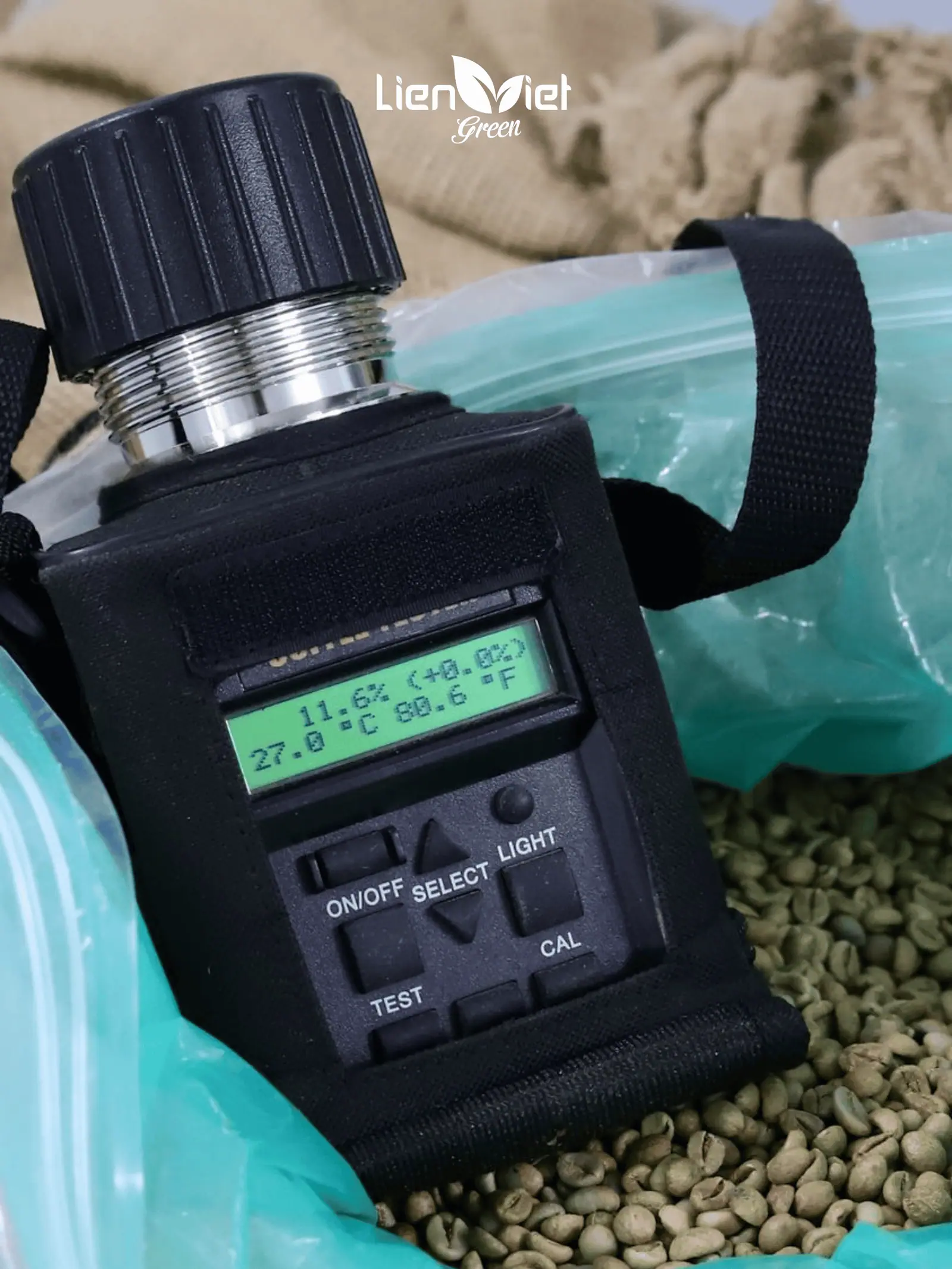
| Moisture content | 10.0% – 12.0% |
| Water activity | Below 0.65 aw |
| Physical defect count | SCA grading standards |
| Bean density | Grams per liter |
| Sensory cupping score | CQI / SCA 100-point scale |
At Lien Viet Green, our green coffee lots, including Highland Arabica and Fine Robusta, are thoroughly graded by screen size, density, and moisture, accompanied by detailed cupping profiles to guarantee both operational consistency and cup excellence for roasting partners.
Need green coffee graded to your exact specification?
Send us your target screen, origin and cup profile. We will propose matching lots with moisture, density, defect count and a cupping report, plus samples.
Defects matter more to the cup than size, as we explain in green coffee defects and why strict QC shapes roasting quality.
Moisture is the next line on any spec sheet; see how green coffee moisture content affects roasting.
See how we match graded lots to café menus on our coffee for cafés and chains page, or book a cupping at our Long Bien roastery to compare lots of different screen sizes.
Sources: Coffee Quality Institute (CQI) Q Grader certification; Specialty Coffee Association (SCA) coffee standards.
Frequently asked questions
What do Screen 16 and Screen 18 mean?
They are sieve sizes that measure green coffee beans in units of 1/64 inch. Screen 16 is a 16/64-inch hole, about 6.35 mm, and Screen 18 is 18/64 inch, about 7.14 mm. The higher the number, the larger the bean.
Do larger coffee beans taste better than small ones?
Not necessarily. Size is only a physical trait. Flavor also depends on variety, growing region, ripeness, density, moisture, processing, defect count and roasting, so a well-grown Screen 16 bean can taste better than a larger one.
Why do roasters want beans of uniform size?
Small beans absorb heat quickly while large beans need more time. If sizes are mixed in one batch, one group can overdevelop while the other stays underdeveloped. Uniform beans make the roast profile much easier to control.
Besides screen size, what should I check when buying green coffee?
Read screen size together with moisture, density, defect count and cupping score. It also helps to ask about cherry ripeness at harvest and the processing method to understand what the lot can really deliver.
What is peaberry coffee?
A peaberry is a round bean that forms when a cherry holds one seed instead of the usual two flat-sided seeds. It occurs in both Robusta and Arabica, makes up a small share of the crop and is separated during screen sorting. Its round shape rolls evenly in the roaster, and the taste is often slightly bolder, but peaberry is not automatically better.