Specialty Coffee Begins with Quality Raw Materials
Specialty coffee is not created in the roasting drum or at the barista station; it originates at the farm through well-suited cultivars, optimal growing conditions, and meticulous agricultural management.
📌 Technical Key Highlights
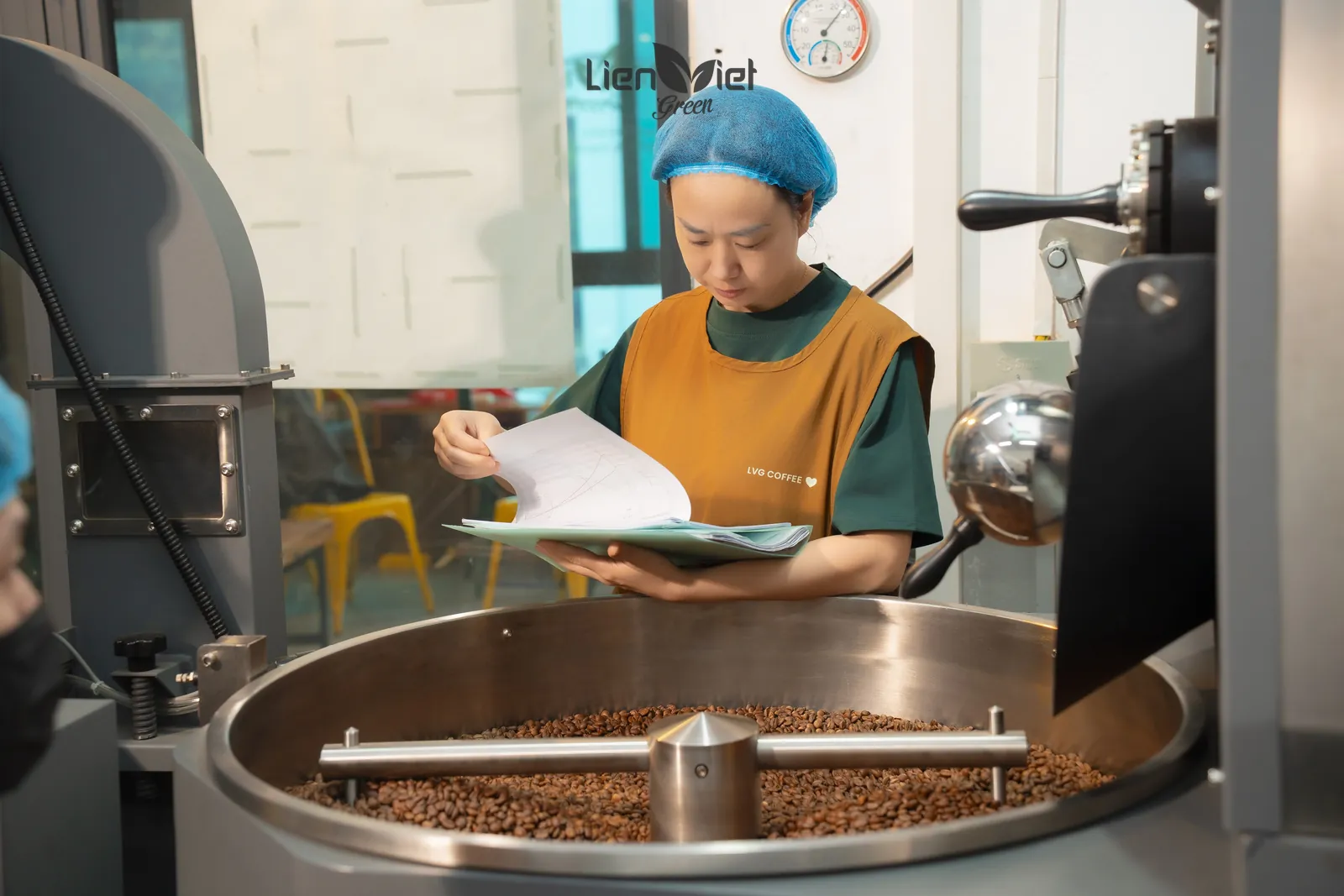
- Roastery Standard: Certified ISO 22000, evaluated by Q Grader panel.
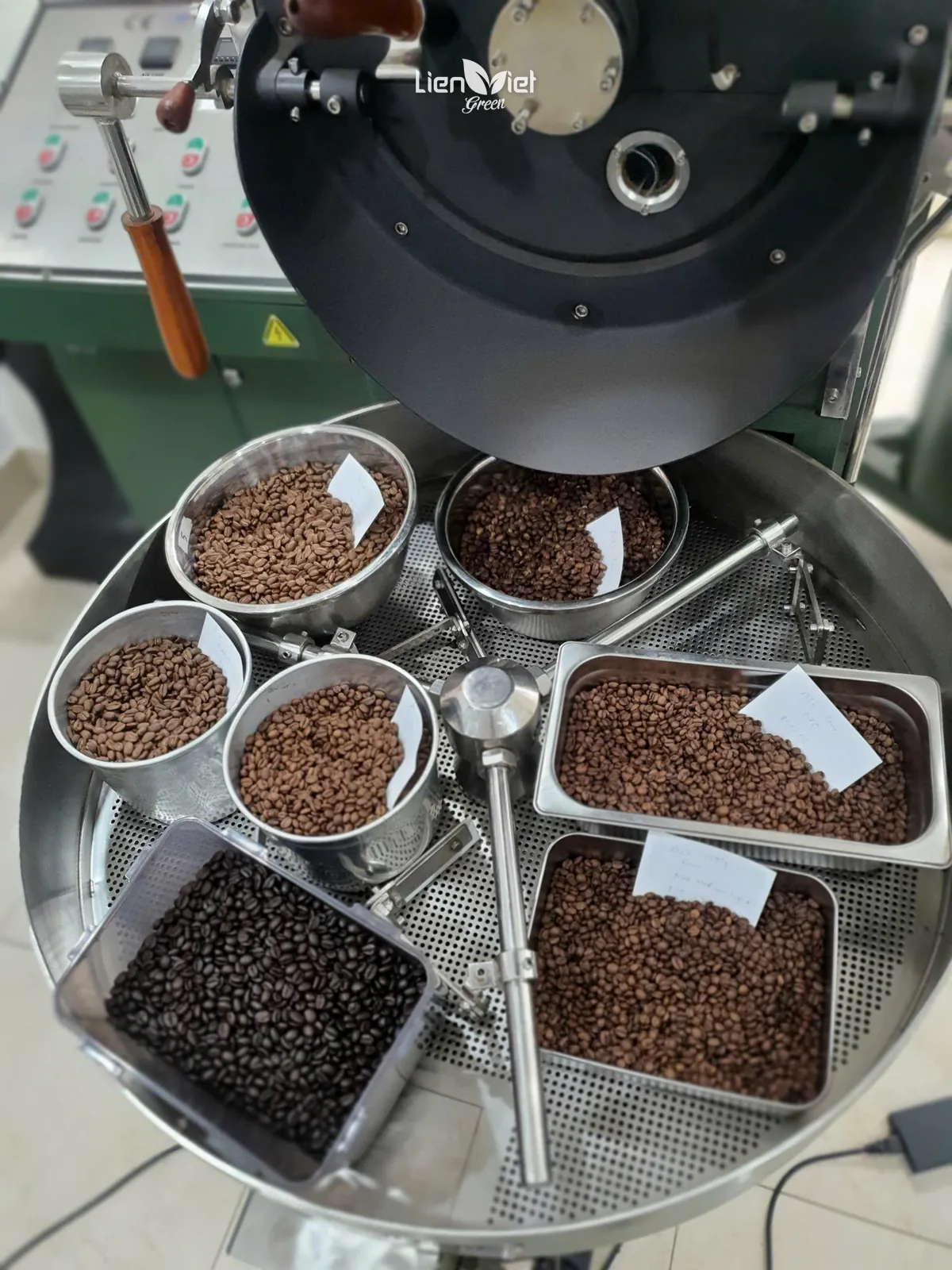
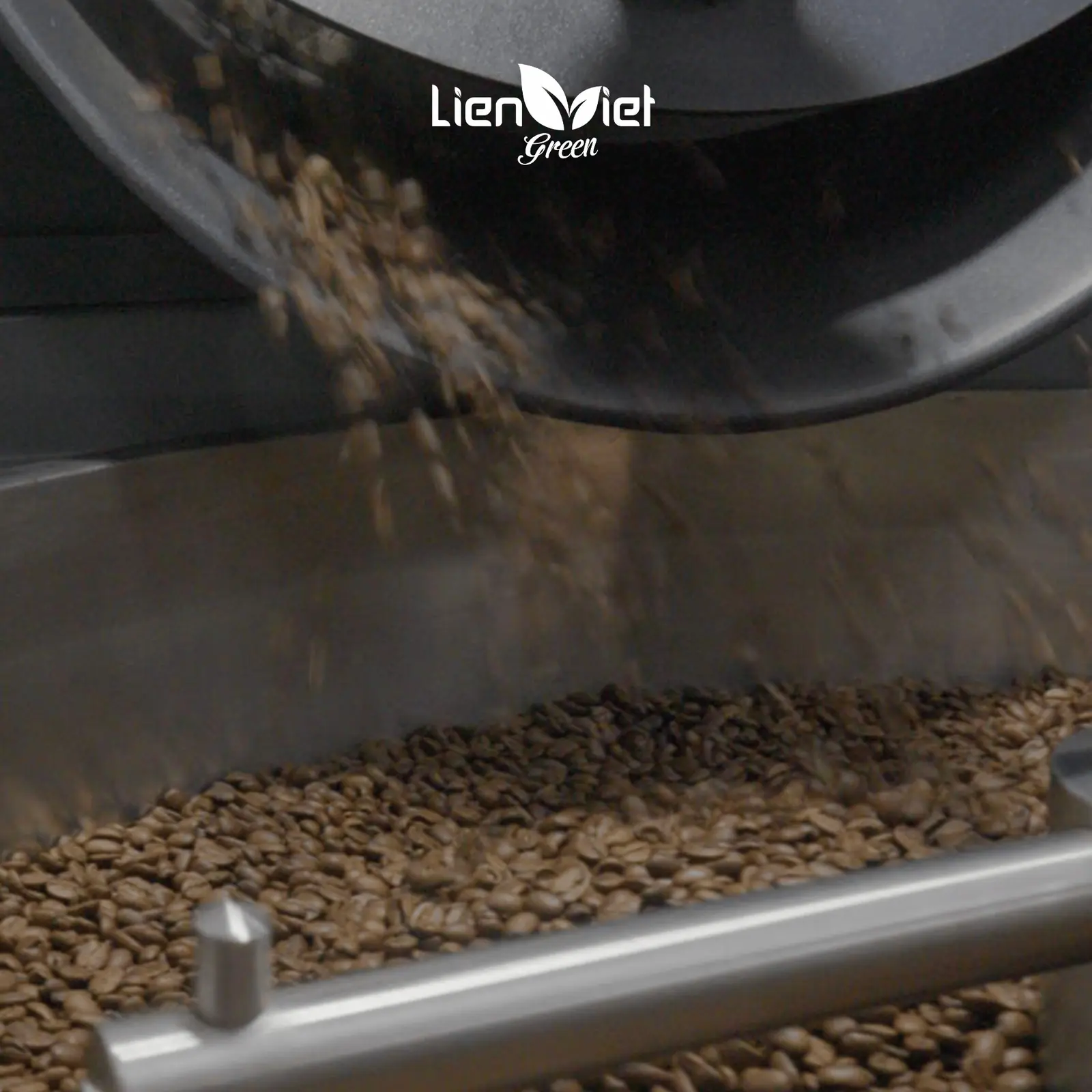
- Roasting Tech: 100% Hot Air fluid bed convection, precise thermal curve tracking.
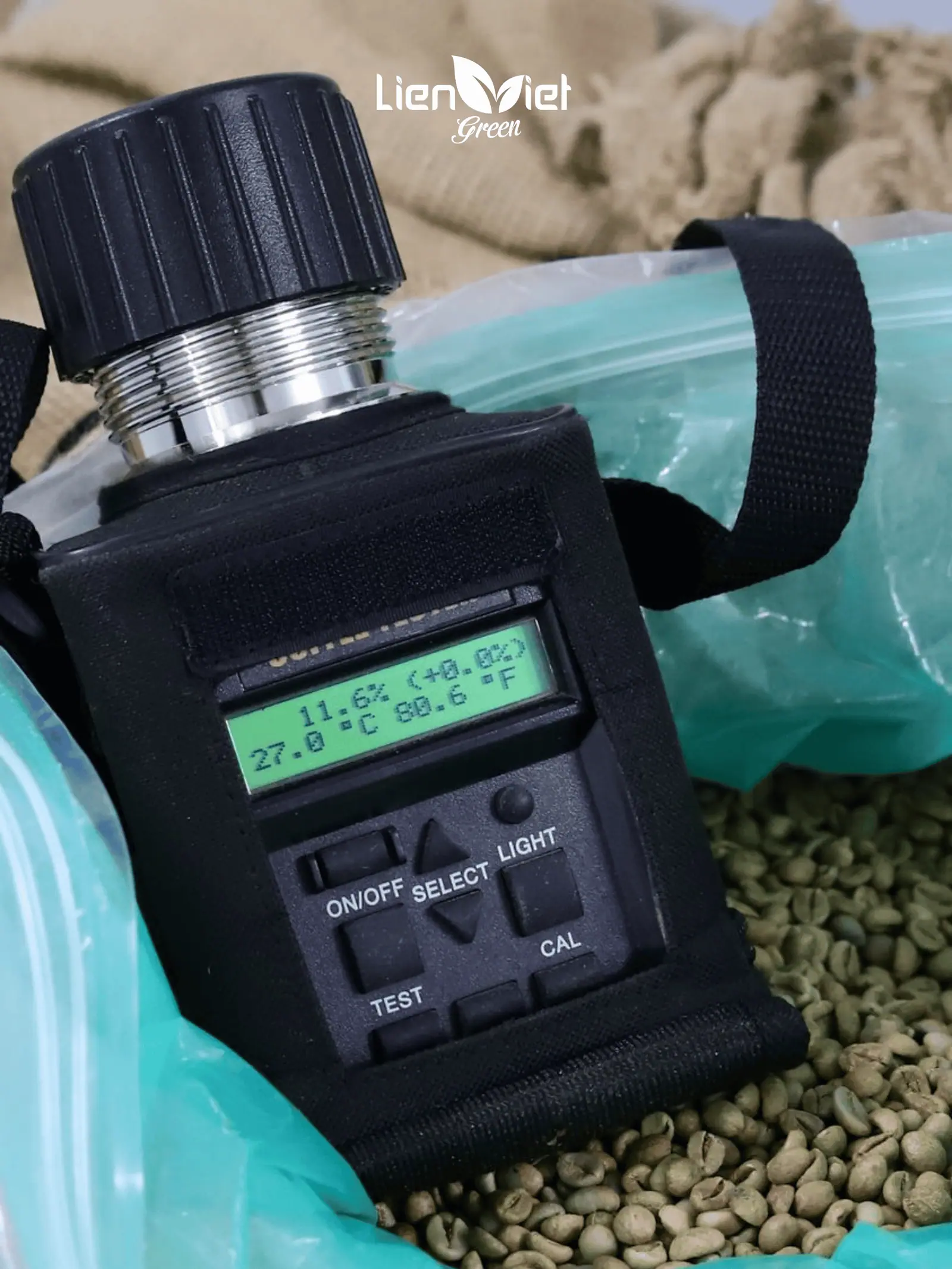
- Batch Consistency: Strict Agtron spectrophotometer roast color and moisture control.
- Traceability: 100% transparent sourcing from Vietnamese coffee origins.
Specialty Coffee Begins at the Source
When discussing specialty coffee, industry conversations often focus on advanced roasting machinery, meticulous barista techniques, or complex sensory flavor wheels. However, those downstream steps represent merely the final stages of a multi-year agricultural journey.
In reality, exceptional coffee is not manufactured in the roastery or at the cafe bar. It begins at the farm—within the soil where the coffee trees thrive and through the daily dedication of farmers who tend each harvest cycle.
Simply put: to produce genuine specialty coffee, one must first possess specialty-grade raw materials.
A fundamental axiom recognized throughout the coffee industry states: “A roaster can only unlock the potential that is already present within the green bean; roasting cannot create quality that does not exist.”
A substandard coffee lot, regardless of whether it is roasted on high-end computerized machinery or extracted with precision brewing gear, cannot become specialty coffee. Conversely, exceptional raw materials provide the essential foundation that allows every subsequent link in the value chain to perform at its peak.
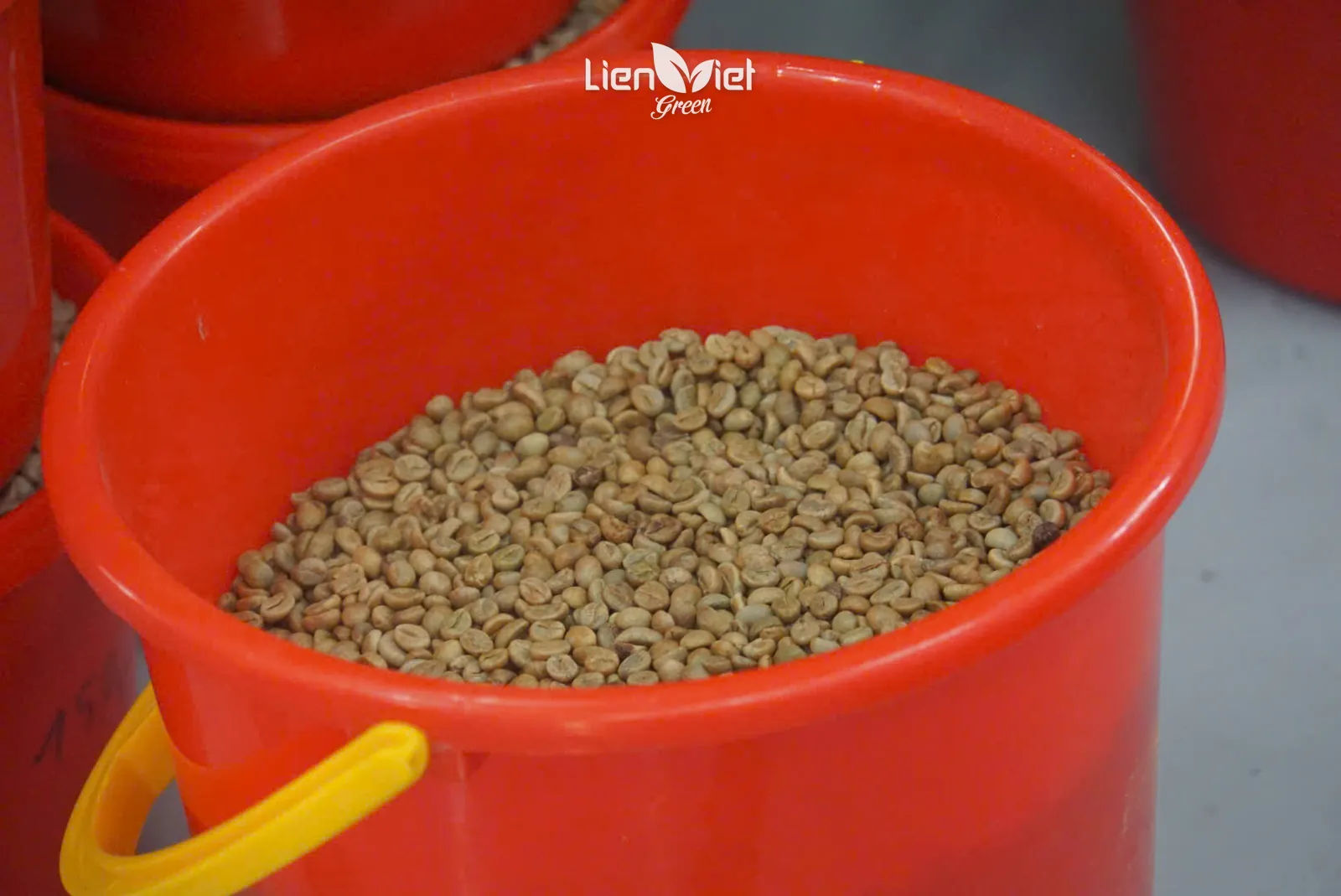
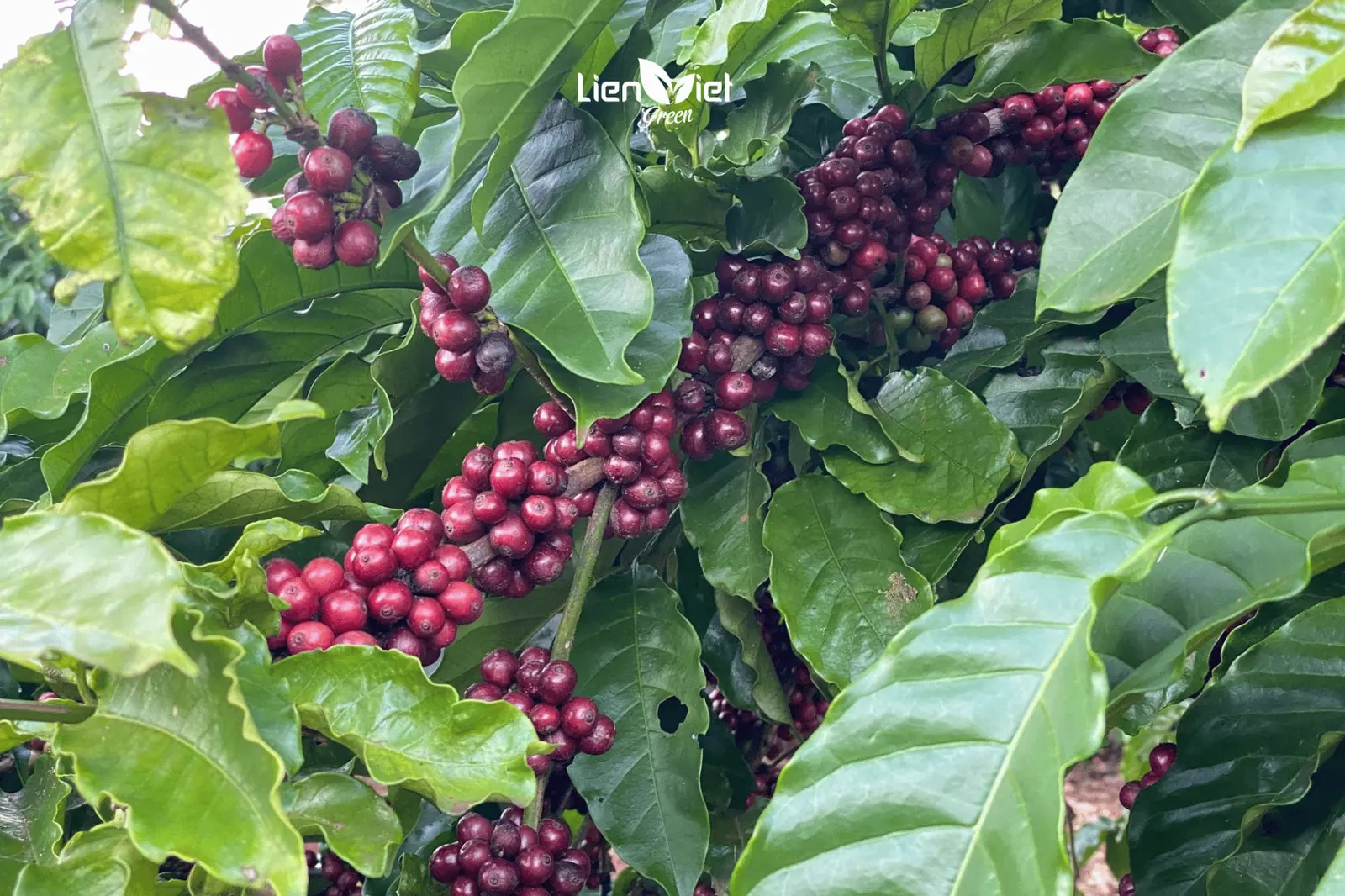
Raw green beans contain the core chemical precursors that dictate the final sensory profile. Varietal genetics, soil mineral composition, elevation, climatic conditions, agricultural care, and harvesting timing directly determine bean density, cellular structure, and sugar content.
The vibrant notes of jasmine, stone fruit, honey, dark chocolate, and toasted caramel experienced by coffee professionals are not artificially introduced during roasting; they are synthesized naturally inside the living cherry during cultivation.
This is why renowned coffee-growing regions globally command prestige and value: their terroir and farming practices produce consistently high-quality raw materials.
Botanical genetics represent the primary foundation of coffee quality.
Each cultivar carries distinct sensory and chemical potential. Certain Arabica varieties (such as Typica, Bourbon, Geisha, and Catimor) excel in floral aromatics, organic acids, and fruit notes, while Fine Robusta varieties offer heavy body, creamy tactile texture, and lingering dark chocolate notes.
Selecting cultivars specifically adapted to the natural microclimate and elevation of each farm ensures vigorous plant health and strong cup potential.
Why Raw Materials Dictate Specialty Coffee Quality
The identical coffee cultivar grown in differing regions will express markedly different cup profiles.
Higher elevation provides cooler temperatures, slowing cherry maturation and allowing coffee cherries to accumulate higher concentrations of complex organic acids and sugars, resulting in denser beans and greater sensory complexity.
Rich volcanic soil, adequate seasonal rainfall, and balanced ecosystems provide the necessary macronutrients and micronutrients that enable coffee trees to reach their full genetic potential.
These collective regional factors constitute “terroir”—the unique sensory identity inherent to a geographic origin.
Harvest maturity is one of the most critical variables in specialty green bean production.
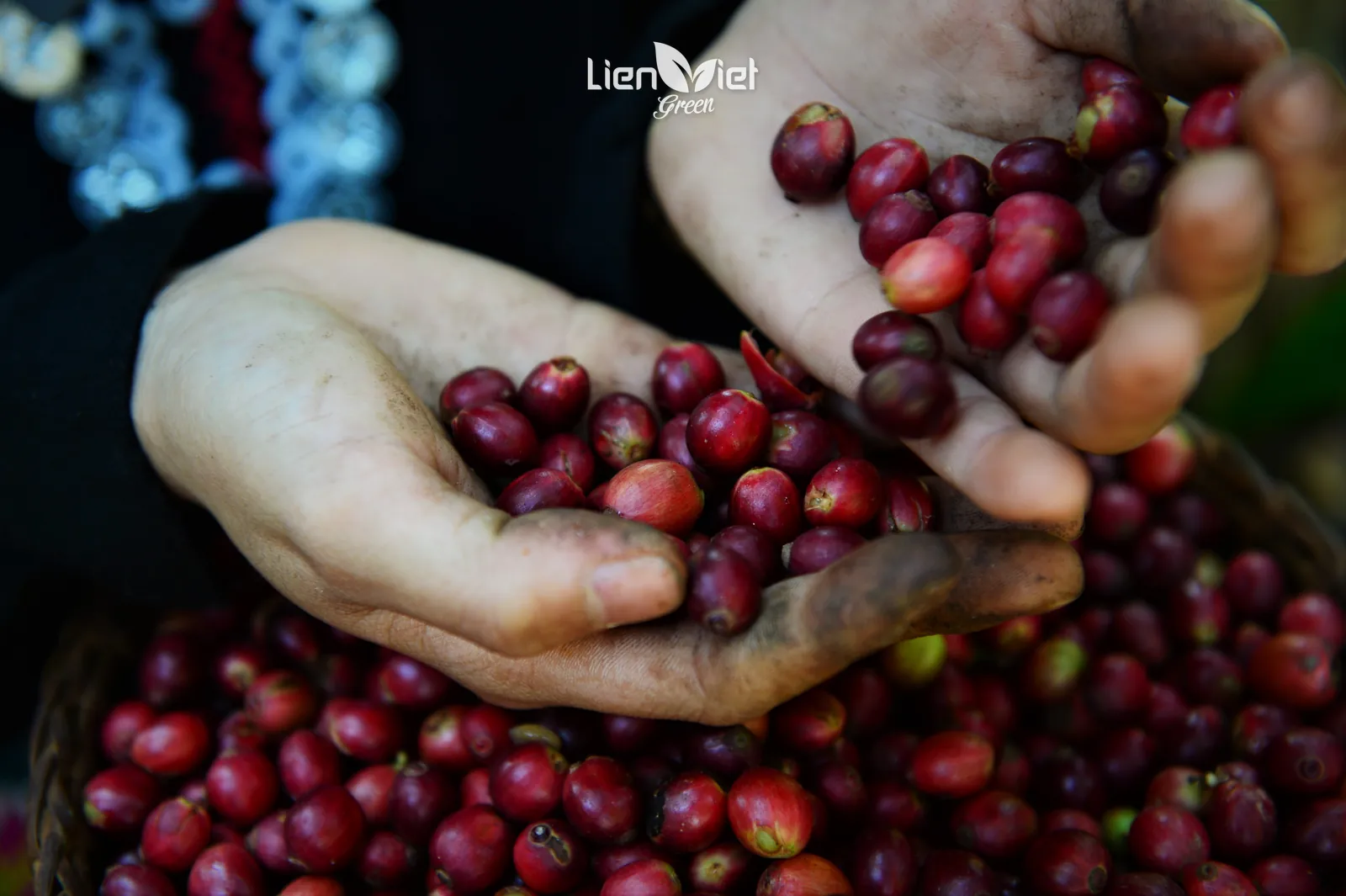
Coffee cherries harvested at peak ripeness contain maximum sugar and soluble solid concentrations, translating directly into natural cup sweetness, balance, and clean acidity in the final beverage.
In contrast, strip-harvesting that mixes unripe (green) or overripe (fermented) cherries introduces astringency, vegetative defects, and chemical bitterness that degrade the entire lot.
For this reason, specialty coffee producers mandate selective hand-picking, ensuring only optimally ripe cherries enter the processing stream.
Today’s coffee industry utilizes various processing methodologies, including Fully Washed, Natural (Dry), Honey (Pulped Natural), and controlled anaerobic fermentations.
However, it is crucial to recognize that post-harvest processing cannot transform defective raw cherries into specialty-grade coffee.
The processing method merely serves to reveal, preserve, and enhance the inherent biochemical qualities embedded in the cherry during growth.
No Quality Raw Material, No Specialty Coffee
High-grade raw cherries allow processors to safely experiment with controlled fermentation times to create distinct sensory profiles. Conversely, when the incoming raw material is flawed, intensive fermentation often leads to defects (such as mold or vinegar notes) rather than true specialty character.
This reality is why established specialty farms invest the vast majority of their resources into agricultural soil care and harvesting discipline before investing in complex fermentation infrastructure.
At Lien Viet Green, we believe genuine quality is not fabricated in a factory—it is cultivated at the farm level.
Guided by this philosophy, Lien Viet Green builds long-term strategic relationships with farming cooperatives and smallholder producers across Vietnam’s key coffee regions, including Son La, Khe Sanh, and the Central Highlands.
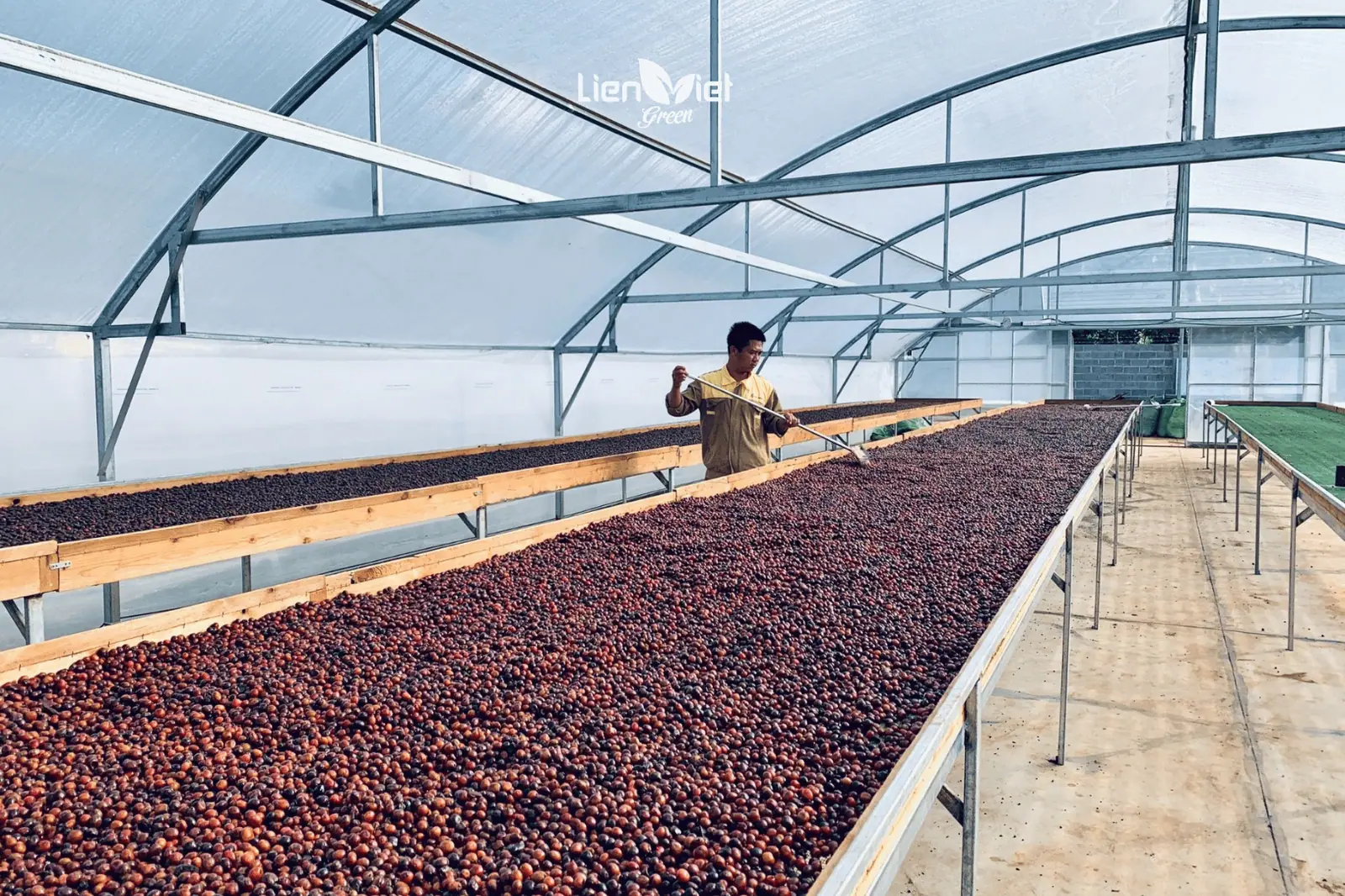
By implementing strict quality control protocols at the point of origin—including selective harvesting guidelines, clean water washing, and raised-bed drying—we ensure farmers receive higher compensation for higher-grade lots while providing roasters and corporate clients with exceptional, consistent green beans.
For Lien Viet Green, specialty coffee is not merely a marketing label; it is a long-term investment in regional terroirs, farming communities, and sustainable supply chains.
A memorable cup of specialty coffee reflects an extensive chain of specialized craftsmanship, but every step relies entirely on the raw green bean.
Quality raw materials provide flavor potential. Disciplined agricultural practices ensure lot stability. And dedicated investment in origin infrastructure enables the specialty coffee industry to thrive sustainably.
Before evaluating roasting profiles or extraction recipes, look to the source: the coffee-growing farms that define the true value of Vietnamese coffee.
For Lien Viet Green, the farm is where quality, distinction, and the future of Vietnamese specialty coffee truly begin.
Technical Quality Standards Comparison Matrix
| Quality Metric | Conventional Standard | Lien Viet Green OEM Standard |
|---|---|---|
| Roasting Tech | Direct flame drum, minor smoke trace | 100% Hot Air fluid bed convection, uniform roast |
| Batch QC Control | Subjective visual checking | Agtron color meter + ISO moisture + ARTISAN logs |
| Packaging Format | Standard poly or paper bag | 4-layer foil laminate with 1-way degassing valve |
For the full list of factors buyers check, read what determines green coffee bean quality.
Ripeness at harvest matters so much that we cover it separately in how cherry ripeness shapes roasting quality.
See how we turn carefully sourced green coffee into roasted coffee for cafés on our coffee for cafés and chains page, or book a cupping at our Long Bien roastery to taste lots from different origins.
Sources: Coffee Quality Institute (CQI) Q Grader certification; ISO 22000:2018 on the ISO website and Lien Viet Green roastery ISO 22000:2018 certificate.
Frequently asked questions
Where does specialty coffee begin?
Specialty coffee begins at the farm, not in the roaster or at the bar. Cultivar, soil, climate, farm care and harvest timing determine most of the flavor in the bean.
Can good roasting save low-quality coffee beans?
No. Roasting and brewing can only bring out what is already in the bean. However carefully it is roasted, a low-quality bean cannot become specialty coffee.
Why does coffee cherry ripeness matter?
Fully ripe cherries usually carry more sugar, which gives a sweeter, more balanced cup. Too many unripe or overripe cherries can drag down the quality of the whole lot, which is why many farmers pick selectively by hand.
Can processing turn poor beans into good ones?
No. Washed, Natural, Honey or fermentation methods only reveal what is already in the bean. With poor raw material, processing can improve things only a little and cannot create true specialty coffee.
Where does Lien Viet Green source its green coffee?
Lien Viet Green works with growing regions and farmers in Lam Dong, Quang Tri, Dak Lak and Son La. Quality is controlled at the source so that lots are more consistent for our customers.
Partner with ISO 22000 Certified OEM Coffee Roaster
Lien Viet Green supports hotel chains, F&B franchises, and commercial brands with custom roast profiles and supply reliability.