What Is Organic Coffee? Organic Standards from Farm to Cup
Explore the definition of organic coffee, stringent ecological cultivation standards, and the farm-to-cup quality control processes implemented at Lien Viet Green.
Organic coffee is coffee grown and processed under certified organic methods, without synthetic chemicals, artificial fertilizers or genetically modified inputs. Organic standards cover soil nourishment, biological pest control, biodiversity and water protection, and strict separation from non-organic lots after harvest.
📌 Technical Key Highlights
- Roastery Standard: Certified ISO 22000, evaluated by Q Grader panel.
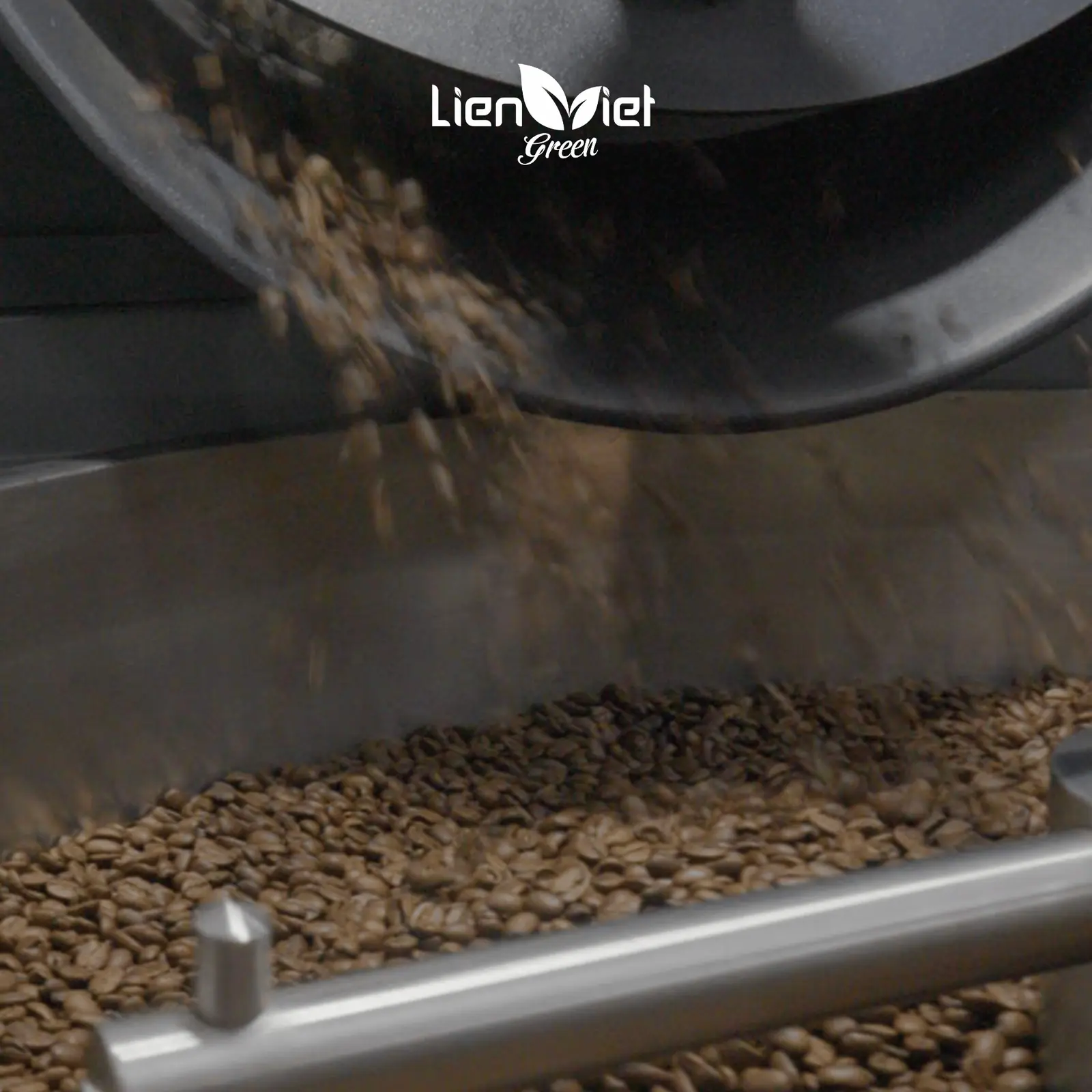
- Roasting Tech: 100% Hot Air fluid bed convection, precise thermal curve tracking.
- Batch Consistency: Strict Agtron spectrophotometer roast color and moisture control.
- Traceability: 100% transparent sourcing from Vietnamese coffee origins.
What Is Organic Coffee? Rigorous Standards from Farm to Cup
In recent years, the global shift toward sustainable and eco-conscious consumption has accelerated significantly. Discerning consumers and enterprise buyers no longer evaluate coffee solely on taste; they scrutinize agricultural origin, cultivation ethics, environmental footprint, and human health safety. Consequently, certified organic coffee has evolved from a niche specialty into an essential category in international distribution.
What defines organic coffee, and what distinguishes it from conventional agricultural methods? Below is a comprehensive overview of the rigorous standards required to produce high-grade organic coffee, from farm management to the final cup.
Organic coffee refers to coffee cultivated and processed under certified organic agricultural methodologies, strictly eliminating synthetic chemicals, artificial fertilizers, and genetically modified inputs throughout the entire production lifecycle.
The foundational principles of organic coffee farming include:
The overarching objective of organic coffee farming extends beyond producing clean, residue-free beans; it actively protects regional ecosystems, enhances natural soil microbiome health, and establishes long-term agricultural sustainability.
To achieve and maintain organic certification, coffee farms must comply with rigorous operational protocols across the entire supply chain.
Organic coffee trees are nourished exclusively through natural inputs such as composted coffee pulp, animal manure aged to regulatory pathogen thresholds, bio-fertilizers, and green manures grown directly on-site.
This practice sustains a rich microbial soil ecosystem, improves moisture retention capacity, and delivers balanced, slow-release nutrients without causing soil acidification or chemical leaching.
Instead of deploying chemical sprays to eradicate pests and weeds, organic coffee estates implement integrated agroecological management practices, such as:
These methods safeguard local water tables, protect farm workers from chemical exposure, and eliminate the risk of chemical residues on harvested coffee cherries.
Defining Organic Coffee
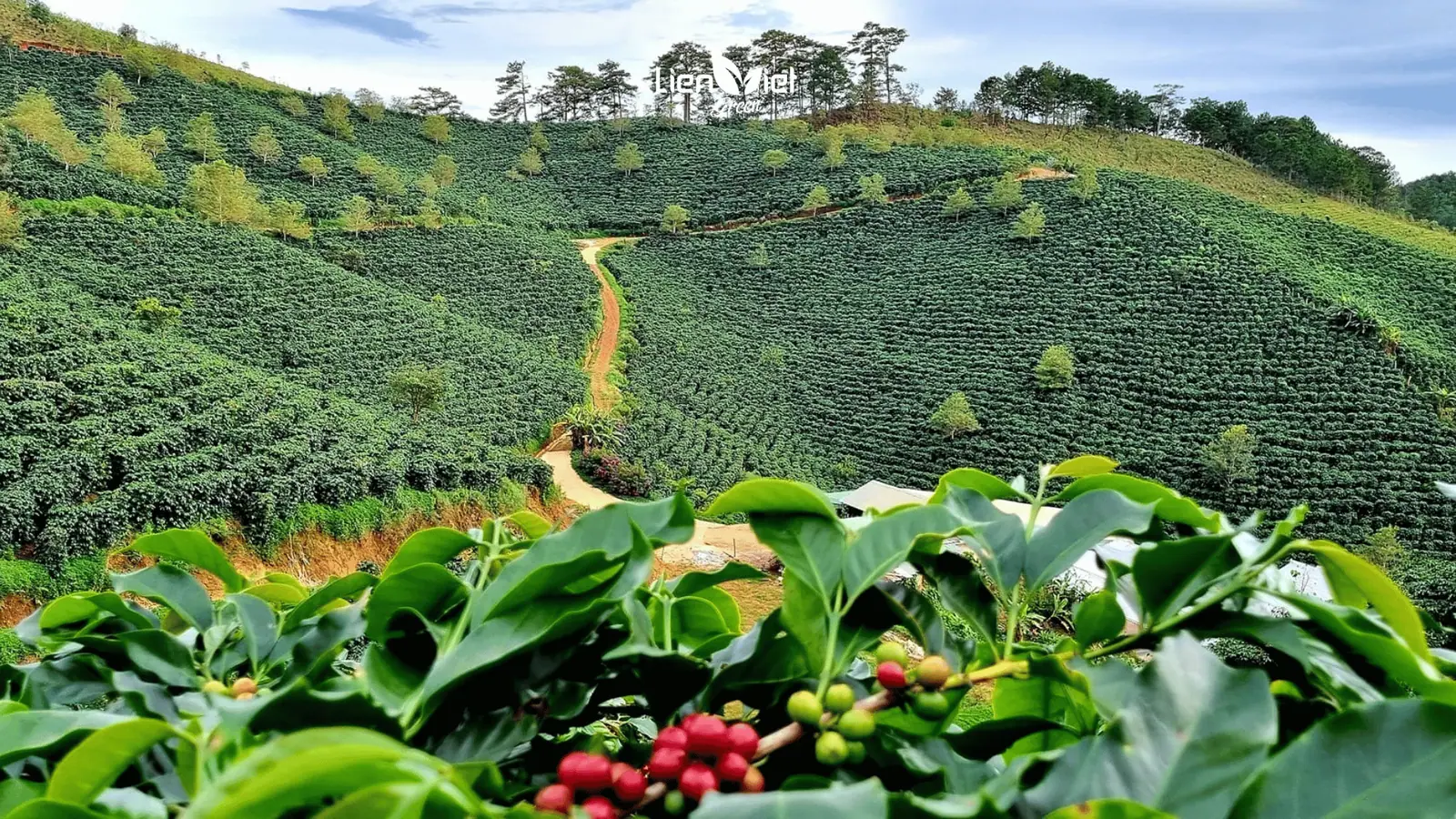
Organic coffee cultivation avoids monoculture practices. Organic farms integrate diverse agroforestry canopy trees, which prevent topsoil erosion on steep slopes, regulate ambient microclimates, conserve groundwater, and provide natural wildlife habitats.
Organic coffee delivers measurable benefits extending far beyond conventional beverage commodities.
For consumers and corporate enterprise buyers, chemical-free certification guarantees uncompromised product safety, food safety compliance, and peace of mind.
For the environment, organic farming systems deliver direct ecological dividends:
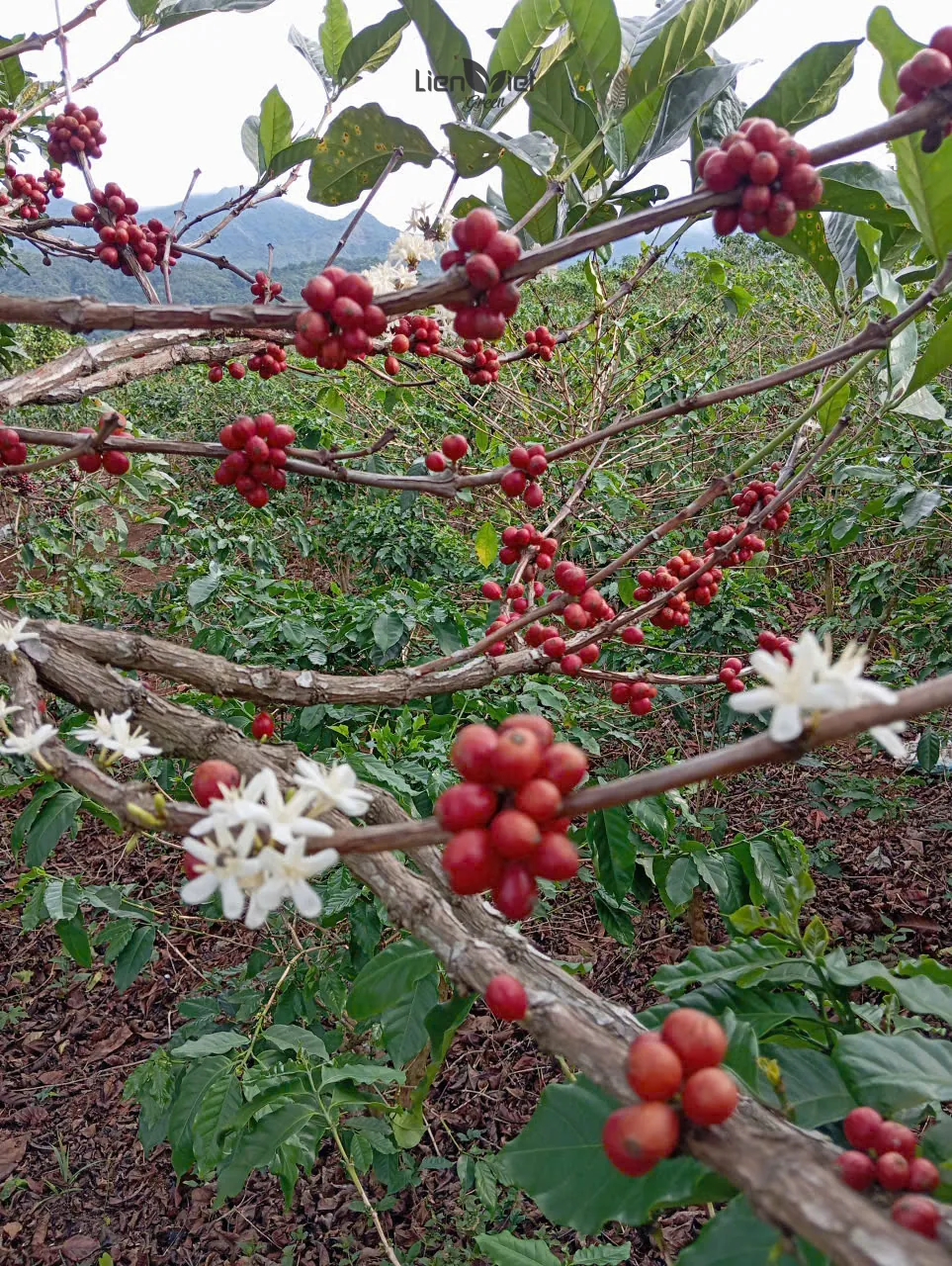
Furthermore, coffee cherries nurtured in living, nutrient-dense organic soils under shade canopies ripen more slowly, allowing sugars to develop fully and expressing the authentic terroir characteristics of the growing region.
At Lien Viet Green, sustainable agricultural origin development is central to producing clean, high-grade coffee that aligns with international environmental standards.
Our partner farming origins are selected based on optimal microclimates, pristine soil profiles, and isolated natural water sources that support organic farming. Lien Viet Green prioritizes developing cooperative farming zones that phase out synthetic chemicals and embrace organic agriculture principles.
With advantages in altitude, cool mountain climates, and rich biodiversity across regions like Son La and the Central Highlands, Lien Viet Green’s farming zones provide optimal conditions for robust tree health, stable crop yields, and distinct sensory profiles.
Living soil is the cornerstone of organic agriculture. In Lien Viet Green’s cultivation zones, soil health is actively managed through continuous organic matter incorporation, prioritizing long-term regenerative fertility over short-term yield extraction.
Using composted agricultural byproducts delivers proven agronomic benefits:
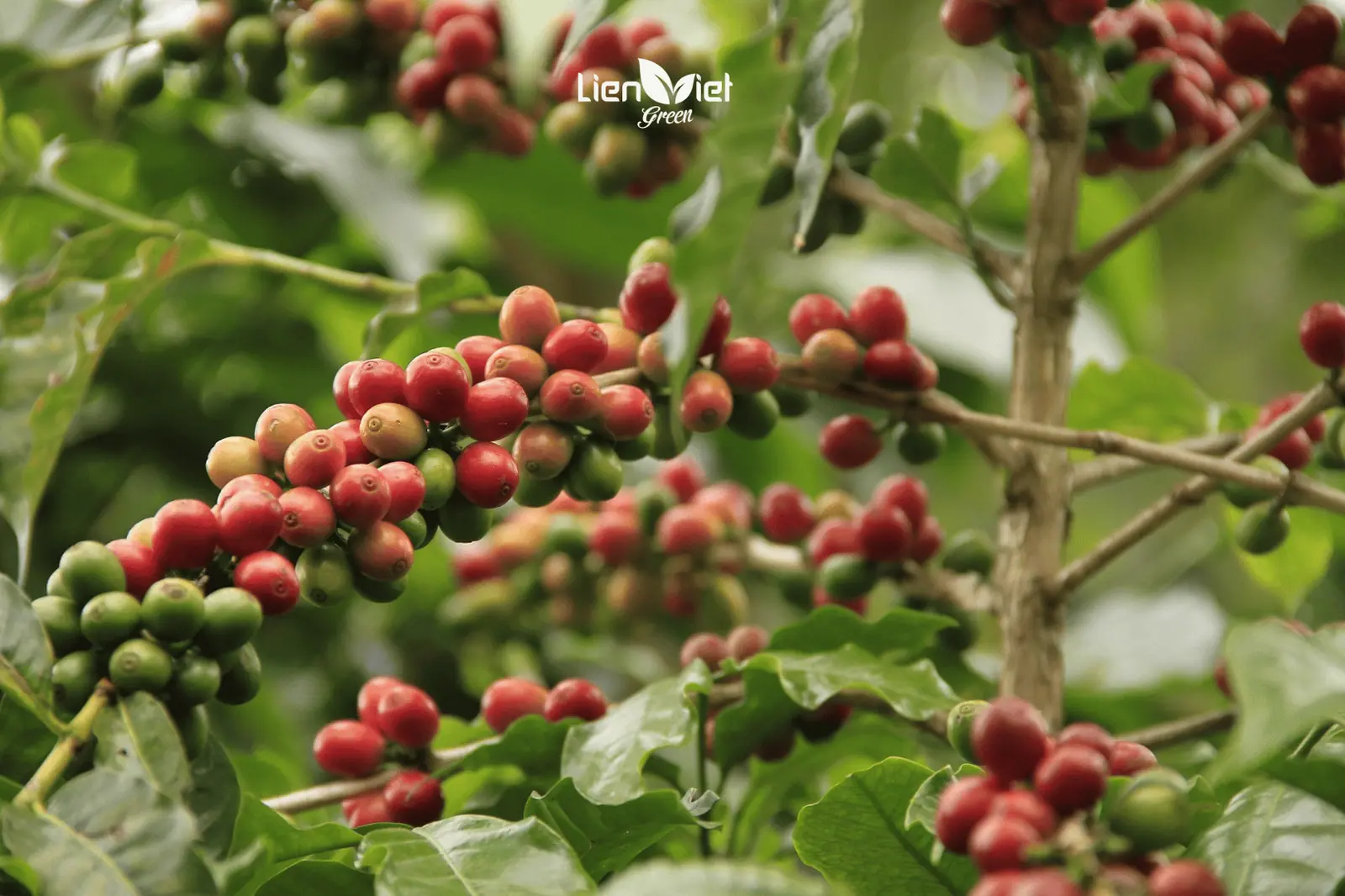
Stringent Technical Standards in Organic Coffee Farming
Uncontaminated water is essential for high-quality coffee production. Lien Viet Green enforces strict watershed stewardship across its cultivation areas, preventing agricultural runoff and chemical contamination.
Maintaining natural vegetative ground cover and forest buffers acts as a natural filtration barrier, protecting groundwater aquifers and preserving surrounding aquatic ecosystems.
Producing exceptional organic coffee requires rigorous post-harvest control to maintain organic integrity and prevent cross-contamination.
Harvesting is executed via selective hand-picking, ensuring only uniformly ripe cherries with optimal Brix (sugar) levels are collected for processing.
Post-harvest wet and dry milling follow strict protocols to prevent contamination from non-organic lots. Clean, controlled drying beds and segregated storage environments safeguard natural cup clarity.
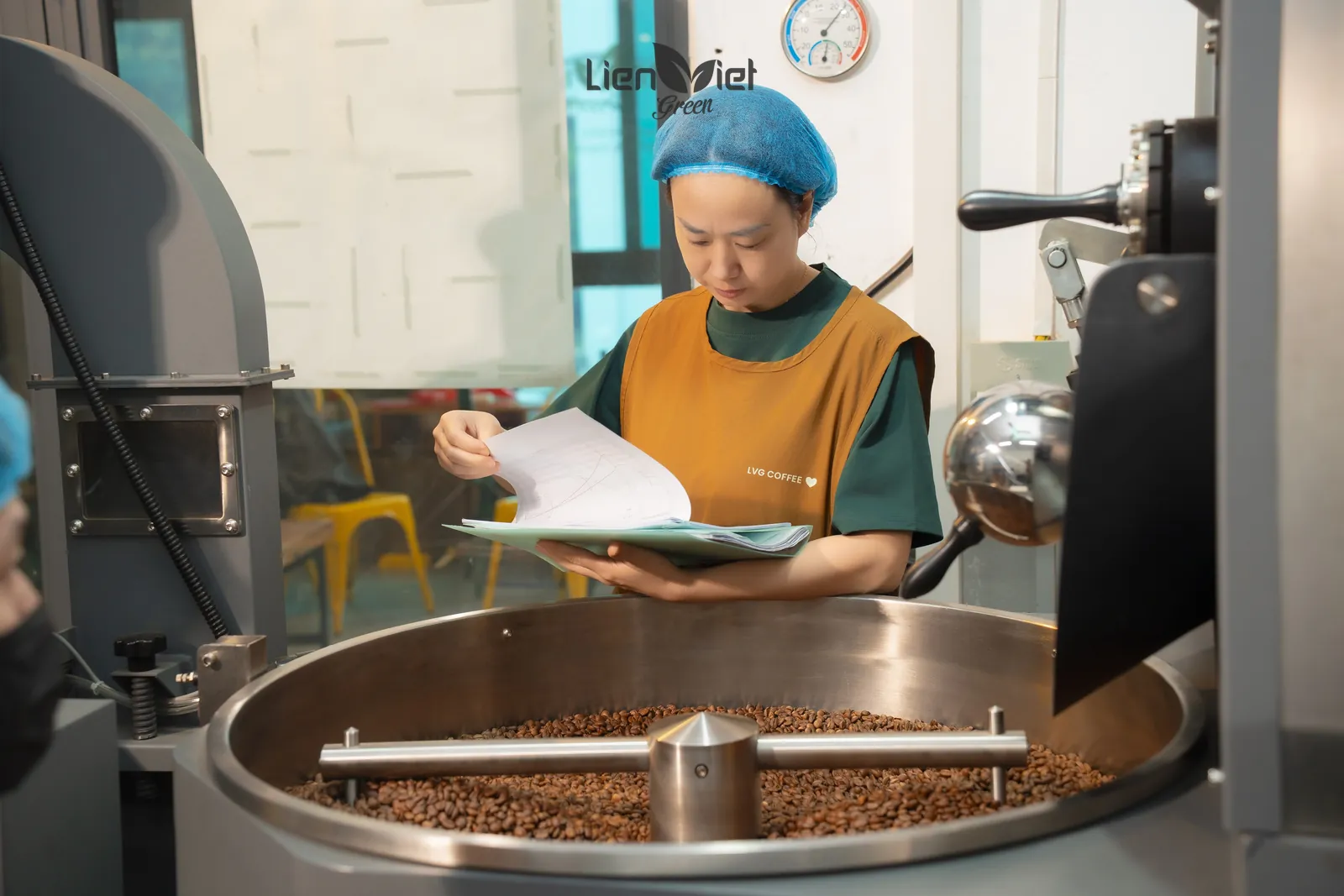
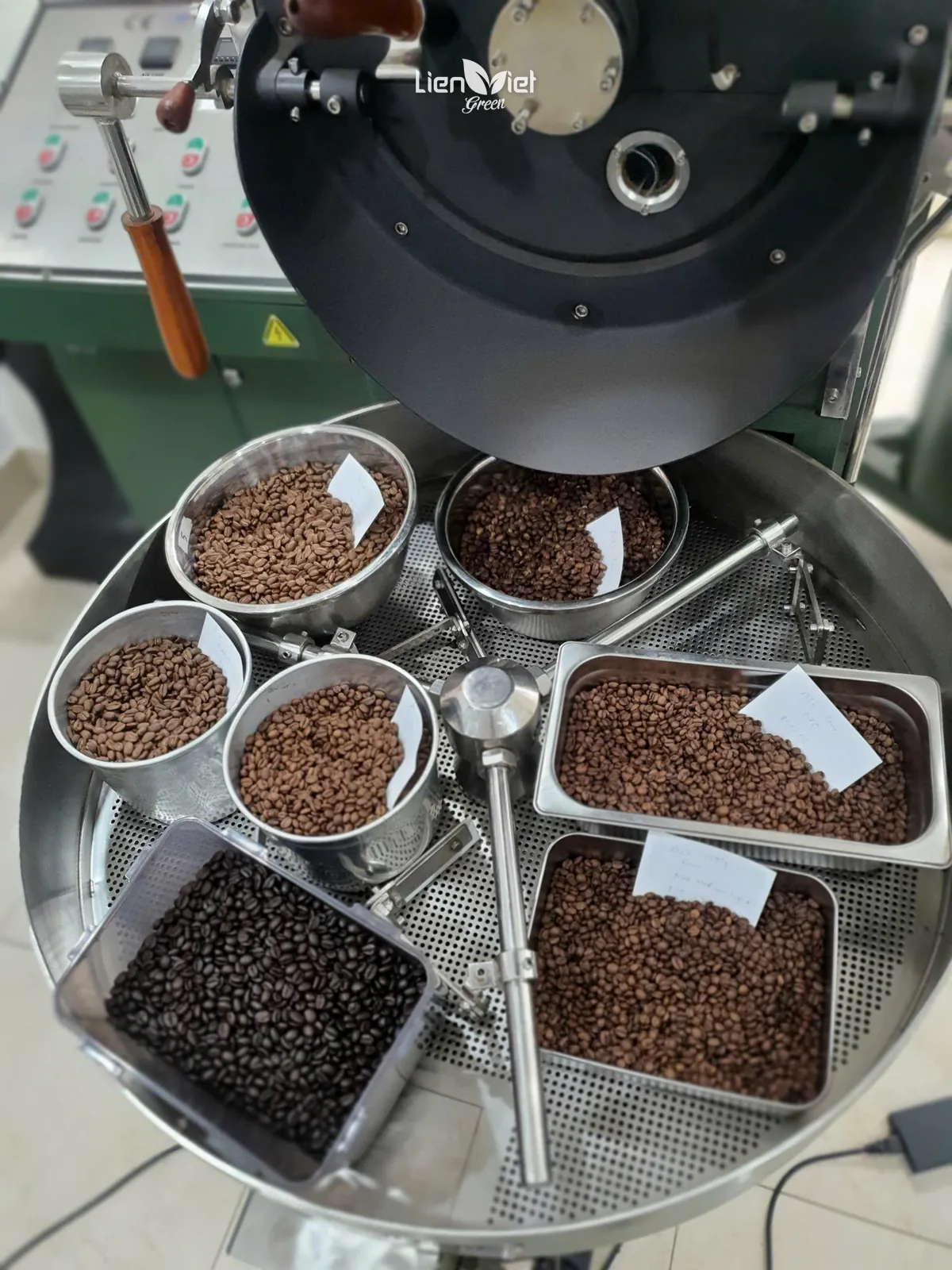
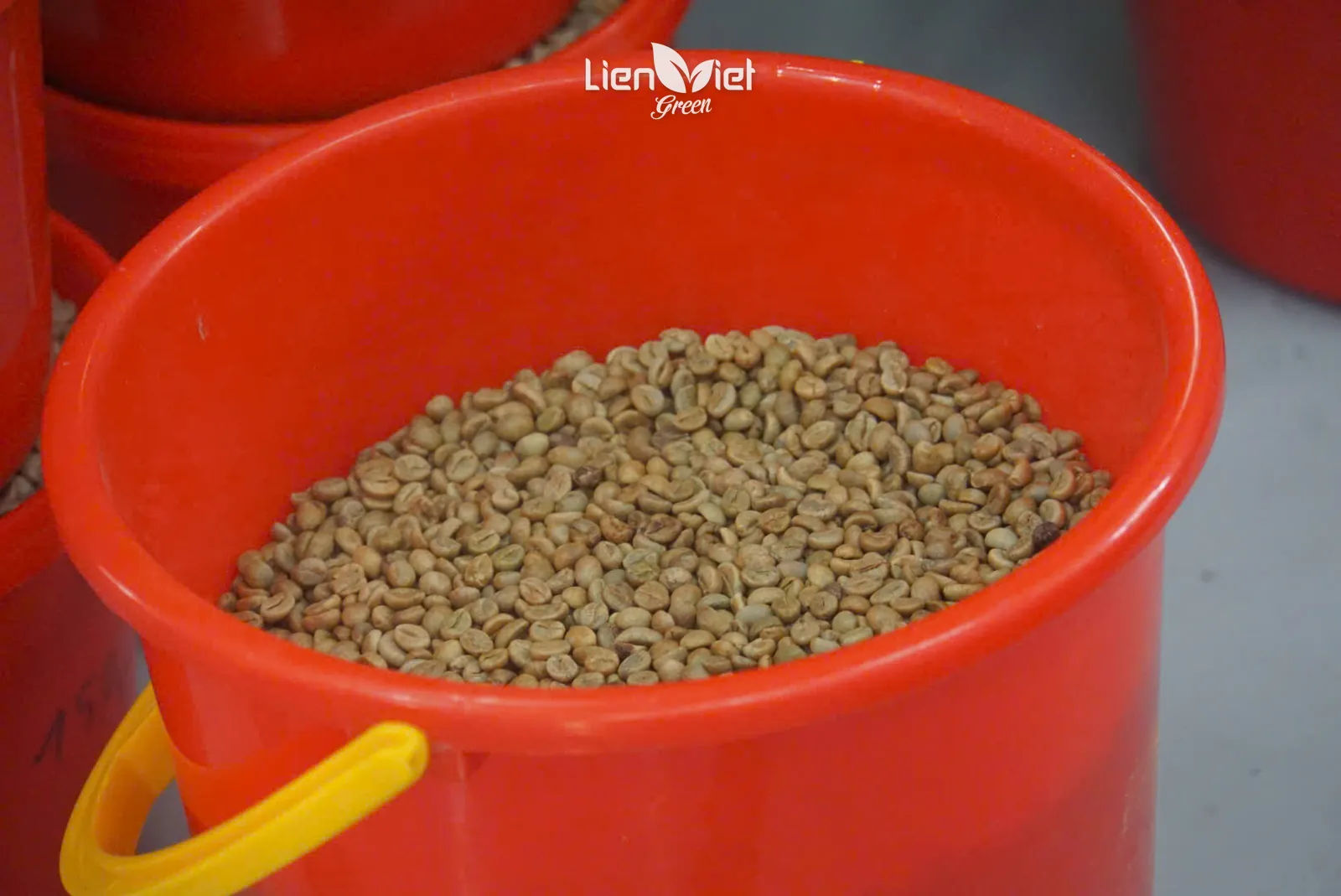
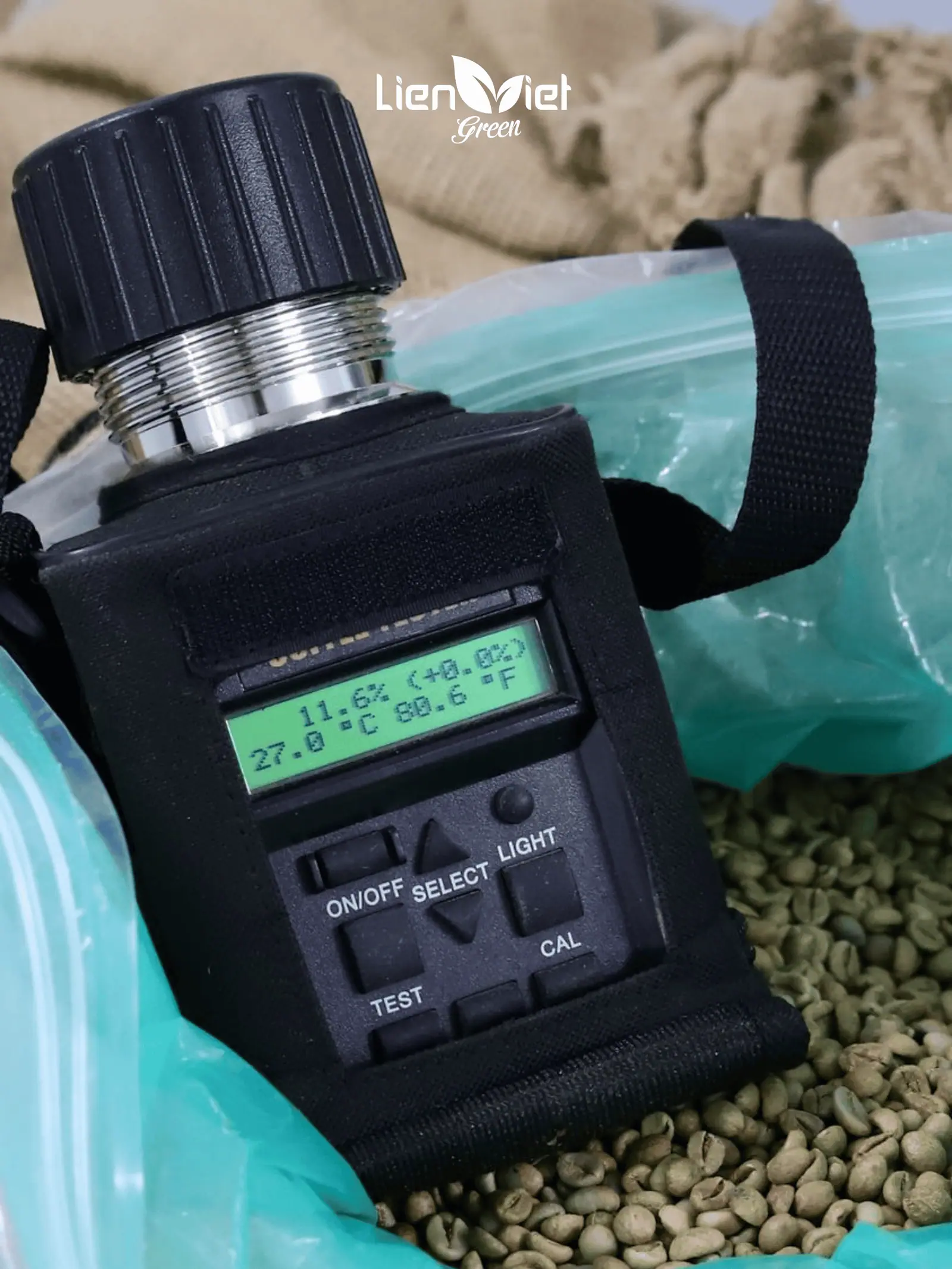
From raw green bean reception to finished roasted products, Lien Viet Green conducts systematic physical assessments, moisture analysis, and certified cupping evaluations to guarantee product safety and batch consistency.
Modern consumers and multinational corporate clients are placing increasing emphasis on environmental ESG criteria, health traceability, and sustainable supply chains. Organic coffee is no longer a temporary fad; it is an established commercial requirement across global markets.
Beyond health guarantees, organic coffee represents transparent, socially responsible production that respects the land and agricultural farming communities.
Lien Viet Green’s continuous investment in organic cultivation reflects our long-term commitment to supplying pure, high-grade Vietnamese coffee that creates lasting economic and ecological value.
Certified organic coffee is the outcome of a rigorous agricultural journey—beginning with restorative soil care, watershed preservation, and biodiversity maintenance, and concluding with strict post-harvest segregation and precision roasting. These exacting protocols produce coffee beans of exceptional purity, sensory depth, and sustainability.
Zero Synthetic Fertilizers
Through sustained investment in organic cultivation standards and farm-to-cup traceability, Lien Viet Green supplies sustainable coffee products that meet the stringent demands of enterprise buyers domestically and worldwide.
Technical Quality Standards Comparison Matrix
| Quality Metric | Conventional Standard | Lien Viet Green OEM Standard |
|---|---|---|
| Roasting Tech | Direct flame drum, minor smoke trace | 100% Hot Air fluid bed convection, uniform roast |
| Batch QC Control | Subjective visual checking | Agtron color meter + ISO moisture + ARTISAN logs |
| Packaging Format | Standard poly or paper bag | 4-layer foil laminate with 1-way degassing valve |
Organic farming links closely to how coffee is processed; read about sustainable coffee and processing methods.
Buyers who ask about organic origin usually want to trace it too, covered in why coffee traceability is becoming a supply chain standard.
If your café or chain wants clean, traceable coffee on the menu, see our coffee service for cafés and chains, or book a cupping at our Long Bien roastery.
Sources: Coffee Quality Institute (CQI) Q Grader certification; ISO 22000:2018 on the ISO website and Lien Viet Green roastery ISO 22000:2018 certificate.
Frequently asked questions
How is organic coffee different from conventional coffee?
Organic coffee is grown under organic farming methods. Trees are fed with composted organic matter and bio-fertilizers, and pests are managed with biological methods instead of synthetic chemicals. Synthetic fertilizers and genetically modified inputs are not allowed.
What standards must organic coffee farming meet?
Farms must nourish the soil with natural inputs, control pests biologically and keep the ecosystem in balance. Organic growing areas usually keep ground cover and shade trees to limit erosion and protect water sources.
How is organic coffee handled after harvest?
Only properly ripe cherries are hand-picked. Processing preserves the beans' natural character and keeps organic lots separate from non-organic ones to prevent contamination. At Lien Viet Green, quality checks run from raw material intake to the finished product.
Why do F&B businesses care about organic coffee?
Consumers pay growing attention to origin, environmental impact and sustainability, and organic coffee is tied to responsible production. Beans grown in natural conditions also tend to express their regional flavor clearly.
Partner with ISO 22000 Certified OEM Coffee Roaster
Lien Viet Green supports hotel chains, F&B franchises, and commercial brands with custom roast profiles and supply reliability.