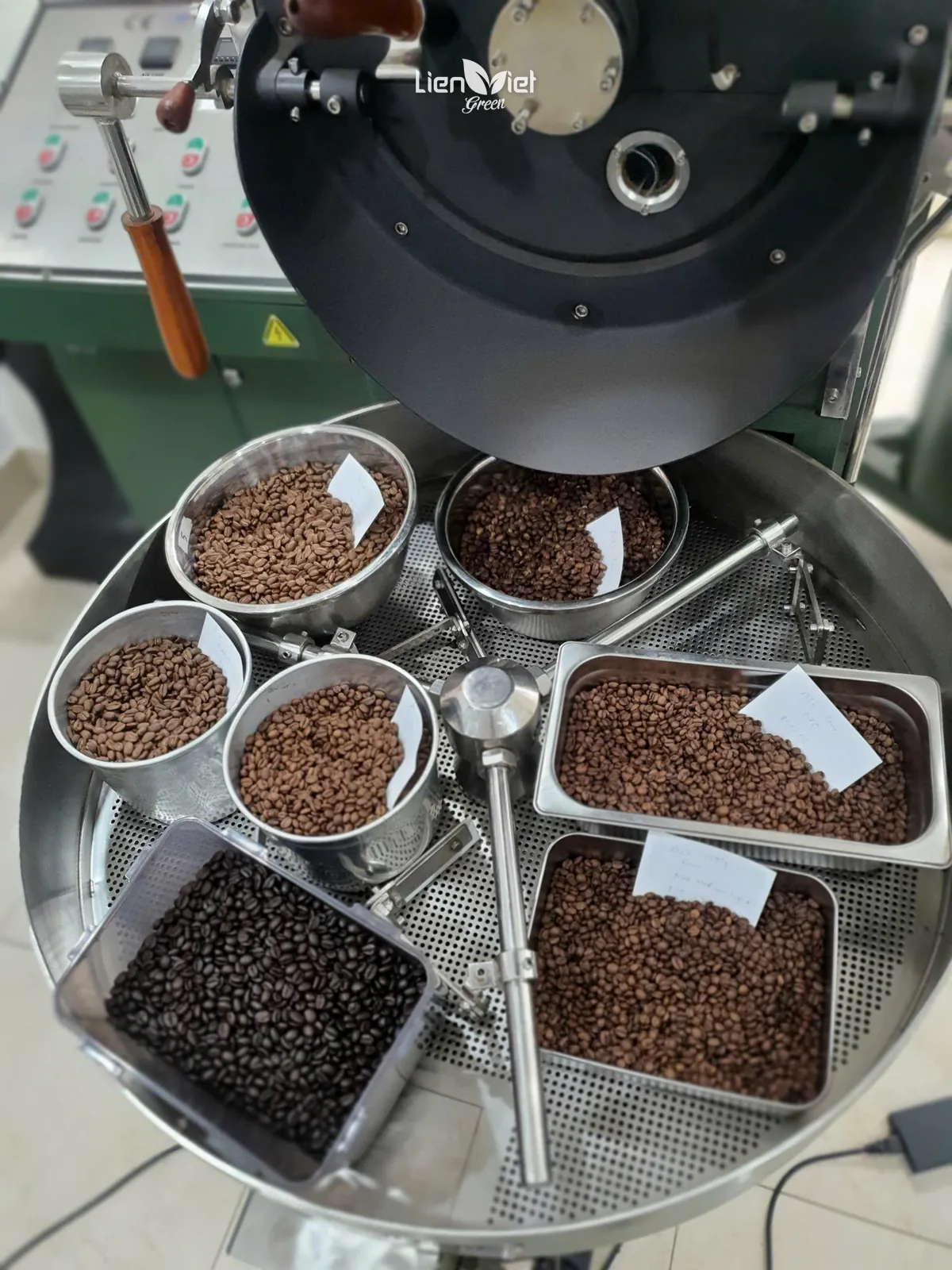
The Maillard Reaction in Coffee Roasting: Chemistry, Color Formation, and Flavor Development
Explore the biochemical fundamentals of the Maillard reaction during coffee bean roasting—how reducing sugars and amino acids interact to form hundreds of complex aromatic compounds for F&B chains.
The Maillard reaction is the browning reaction in which reducing sugars and amino acids in green coffee react during roasting, starting at roughly 140–165°C. It forms the melanoidins that give roasted coffee its brown color and body, along with pyrazines, furans and aldehydes behind nutty, toasted and chocolate notes.
📌 Technical Summary for Roasters & F&B Buyers
- Reaction Temperature Range: Initiates between 140°C and 165°C during the browning phase.
- Key Reactants: Carbonyl groups of reducing sugars (glucose, fructose) and amino groups of proteins/amino acids in green beans.
- Resulting Compounds: Melanoidins (brown pigment macromoles) along with pyrazines, furans, and aldehydes imparting nutty, chocolaty, and toasted notes.
- Impact on Body & Mouthfeel: High molecular weight Melanoidins directly dictate the perceived body, viscosity, and lingering finish in brewed coffee.
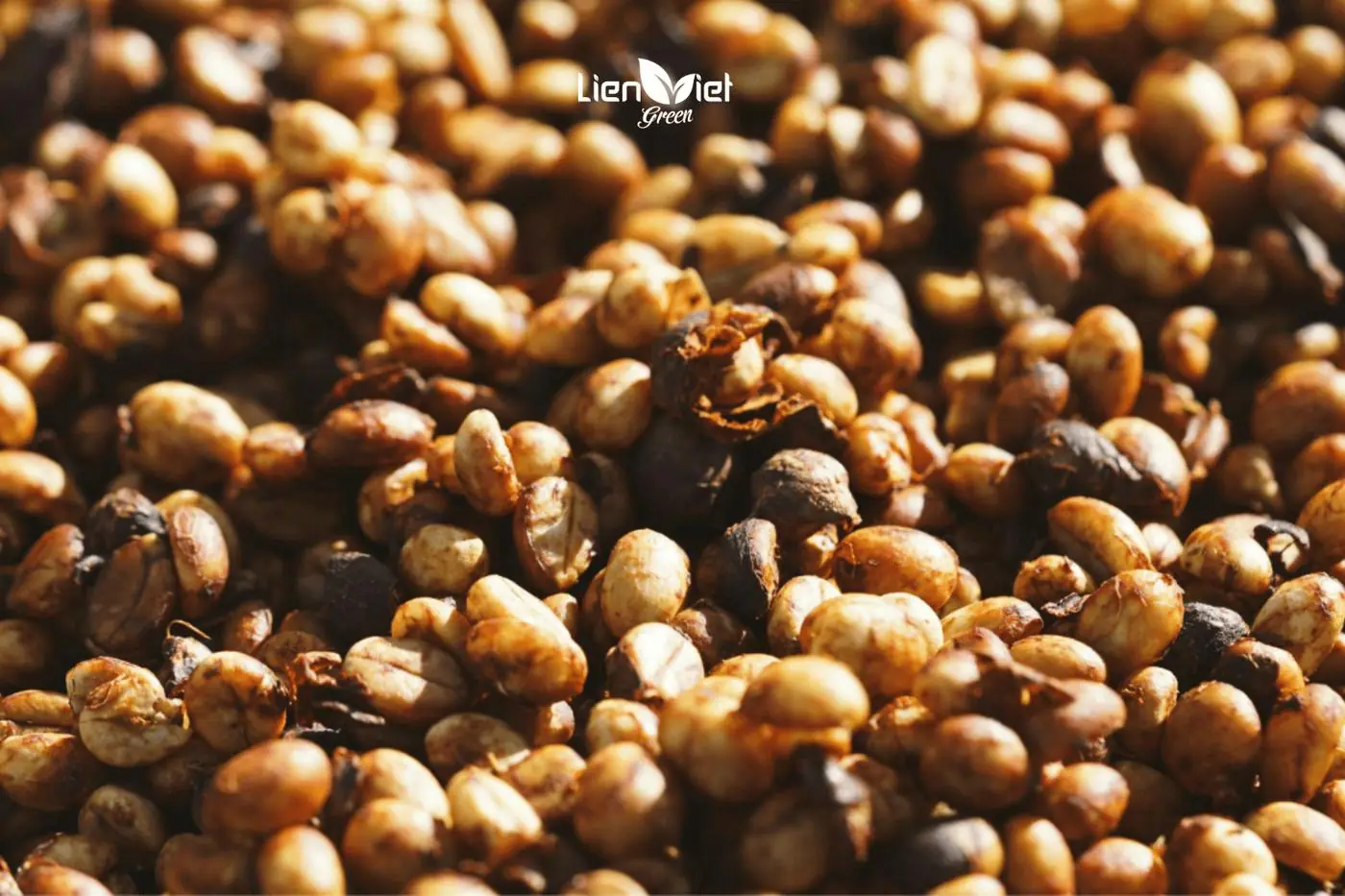
1. Chemical Mechanics of the Maillard Reaction in Coffee
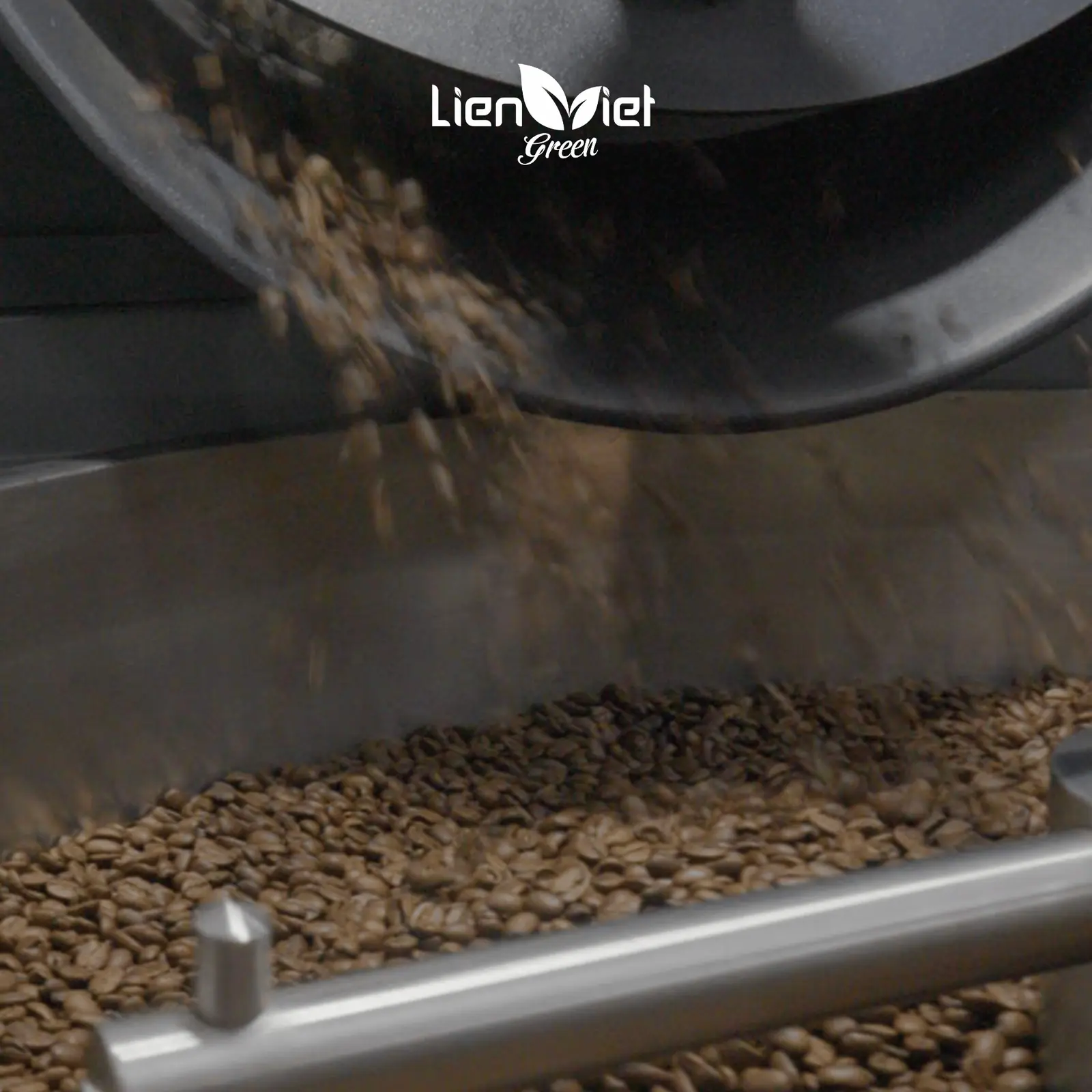
The Maillard reaction (non-enzymatic browning) represents the thermal nerve center of coffee roasting. As internal moisture evaporates above 140°C, reactive sugars combine with free amino acids to yield Amadori and Heyns rearrangement intermediates.
These reactive precursors undergo condensation, dehydration, and polymerization to form Melanoidin polymers, conferring the rich mahogany hue and velvety tactile feel cherished in commercial and specialty roasts alike.
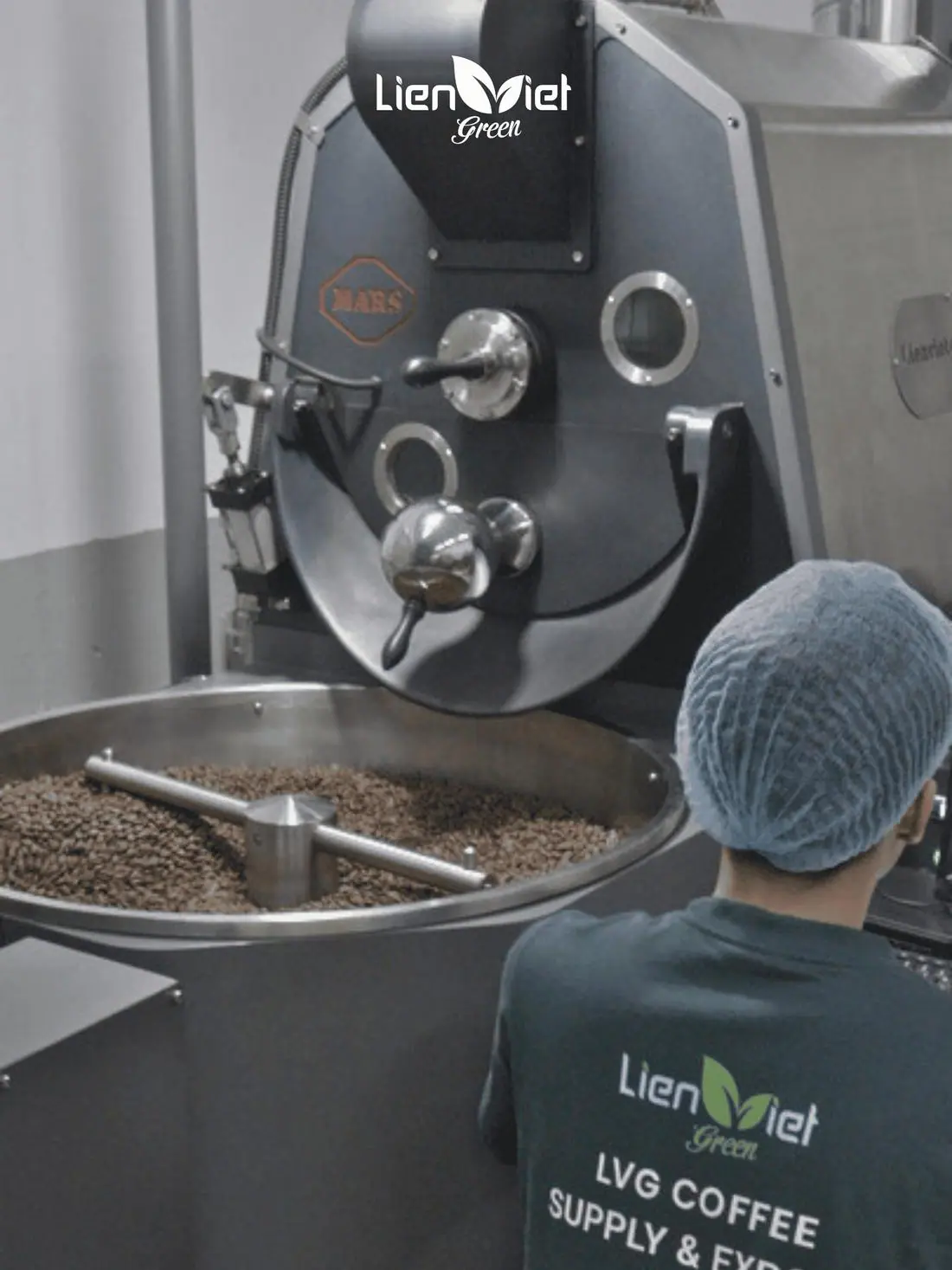
2. Controlling Flavor Architecture via Maillard Phase Duration
Beyond color development, the Maillard phase acts as the primary flavor engine. By calibrating the time spent within this phase, roast master technicians modulate acidity, sweetness, and mouthfeel:
| Roast Profile / Strategy | Maillard Phase Ratio | Dominant Flavor Notes | Body & Tactile Finish |
|---|---|---|---|
| Fast Maillard Phase | 15% – 18% of total roast time | Bright, vibrant, elevated fruity & floral acidity | Light body, clean and crisp finish |
| Balanced Maillard Phase | 20% – 25% of total roast time | Harmonious balance, toasted nut, caramel, dark chocolate | Medium-full body, rounded mouthfeel |
| Extended Maillard Phase | > 28% of total roast time | Deep, cocoa, smoky oak, bittersweet caramel | Heavy viscosity, long-lasting coating finish |
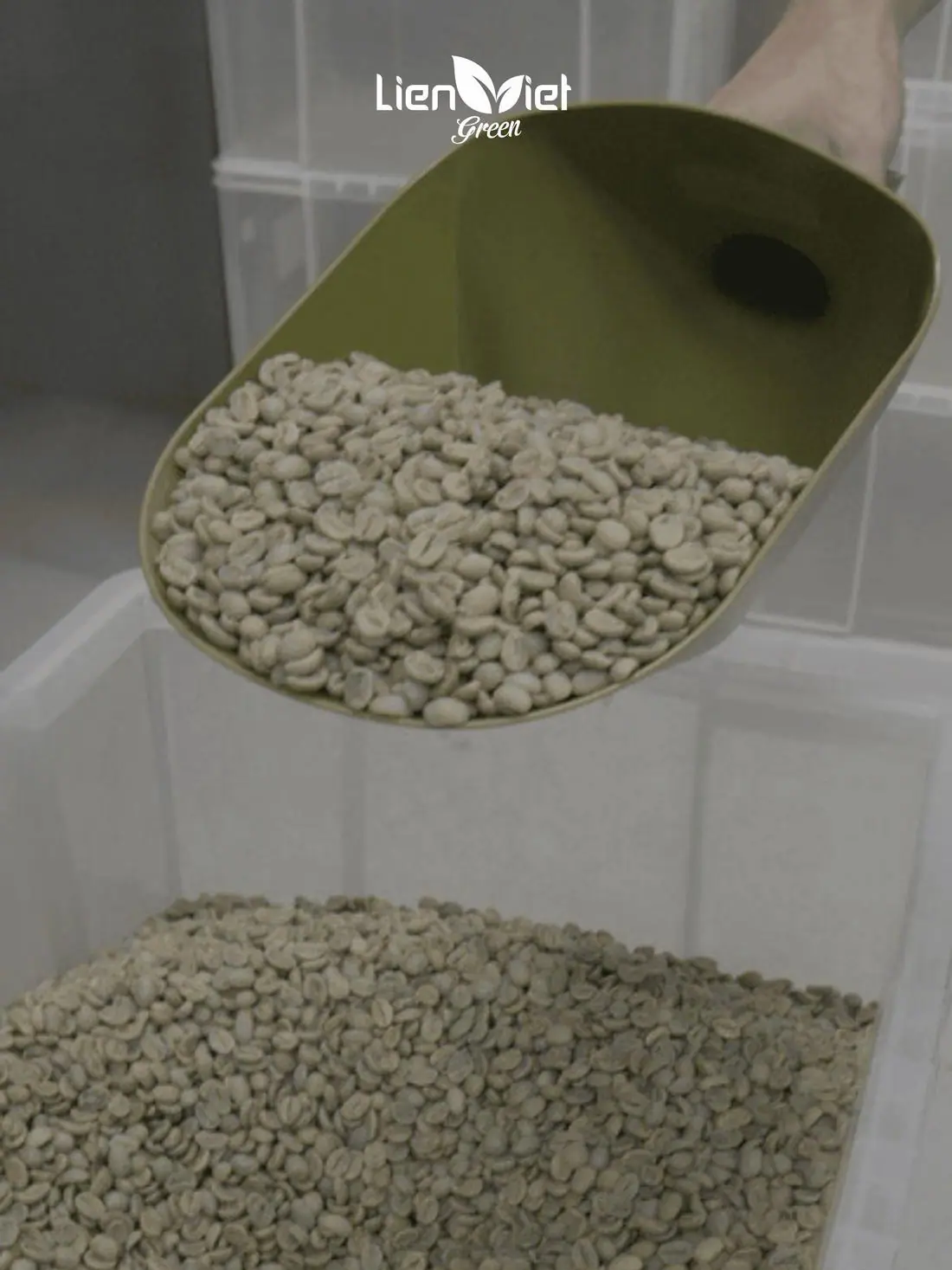
3. Industrial Consistency for OEM Partners & Franchise Chains
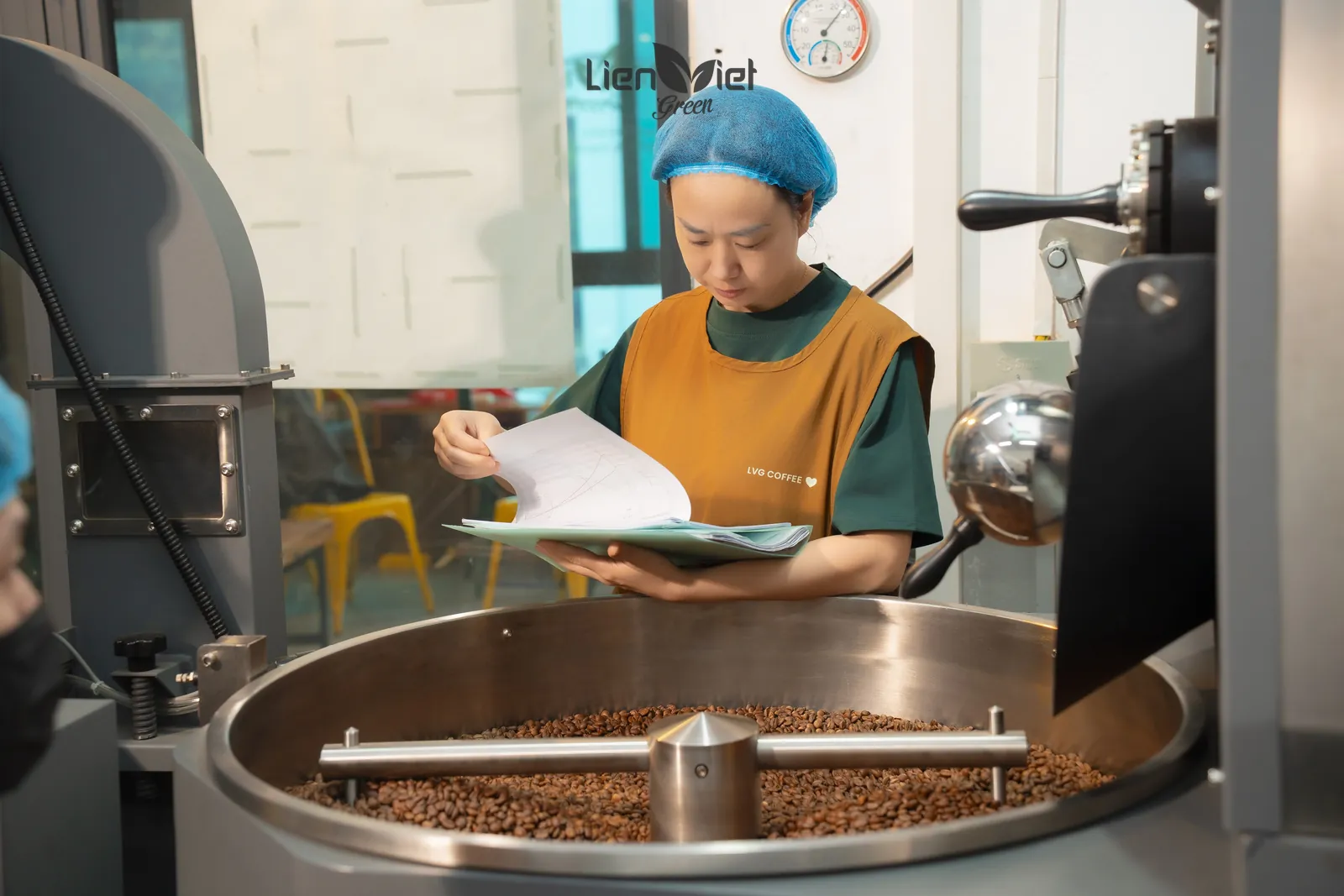
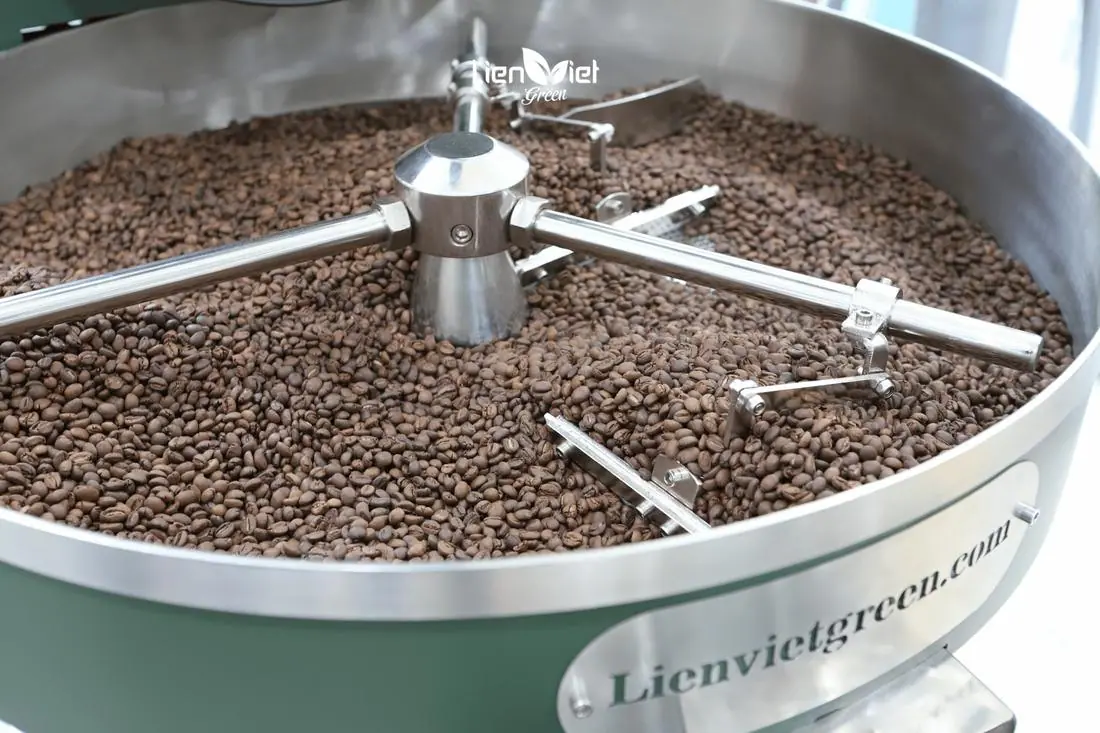
For high-volume F&B operators, precise Maillard management on Hot Air fluid bed roasters guarantees batch-to-batch consistency. Real-time RoR (Rate of Rise) tracking eliminates thermal stalling (under-development) or scorching (baked defect).
The Maillard phase leads into the audible milestones described in first crack and second crack in coffee roasting.
To see how development time ends up as a light, medium or dark result, read about coffee roast levels and flavor profiles.
Find out how we control roast profiles for cafés and coffee chains, or book a cupping at our Long Bien roastery.
Sources: Coffee Quality Institute (CQI) Q Grader certification; ISO 22000:2018 on the ISO website and Lien Viet Green roastery ISO 22000:2018 certificate.
Frequently asked questions
At what temperature does the Maillard reaction start in coffee roasting?
It starts at roughly 140°C to 165°C, as the beans turn from yellow to brown. By then much of the free moisture has evaporated, and the reducing sugars and amino acids in the green coffee begin to react.
What flavors does the Maillard reaction create?
It forms melanoidins, which give coffee its brown color and body. It also produces aldehydes, pyrazines and furans, responsible for nutty, toasted and chocolate aromas. The length of the Maillard phase makes the coffee brighter or richer.
How does a shorter or longer Maillard phase change the taste?
A short Maillard phase gives bright, fruity acidity and a light body. A balanced phase gives smooth coffee with nutty, caramel and chocolate notes. A long phase gives intense coffee with woody, lightly smoky notes, a very heavy body and a deep finish.
How do coffee chains keep flavor consistent between roast batches?
By controlling the Maillard phase. At Lien Viet Green, Hot Air roasters work with ARTISAN software to track rate of rise, so batches are neither overheated, which causes burnt bitterness, nor underheated, which leaves a raw, grassy taste.
Customize Your Signature Roast Profile with OEM Experts
Lien Viet Green delivers certified OEM roasting services (CQI & ISO 22000 compliant), mastering chemical kinetics for Arabica and Fine Robusta blends.