5 Essential Criteria for Choosing Coffee Suppliers for F&B Chains
A five-point framework that helps purchasing managers and F&B (food and beverage) chain owners assess OEM roasted-coffee suppliers (contract roasters that make coffee under your own brand): from technical capability and batch consistency to certification.
To choose a coffee supplier for an F&B chain, check five criteria: batch-to-batch roast consistency, roasting technology and scale, food safety certification such as ISO 22000, origin traceability, and OEM terms that protect your recipe. Together they keep the cup tasting the same in every branch.
📌 5 Key Criteria for Evaluating a Coffee Supplier for Beverage Chains
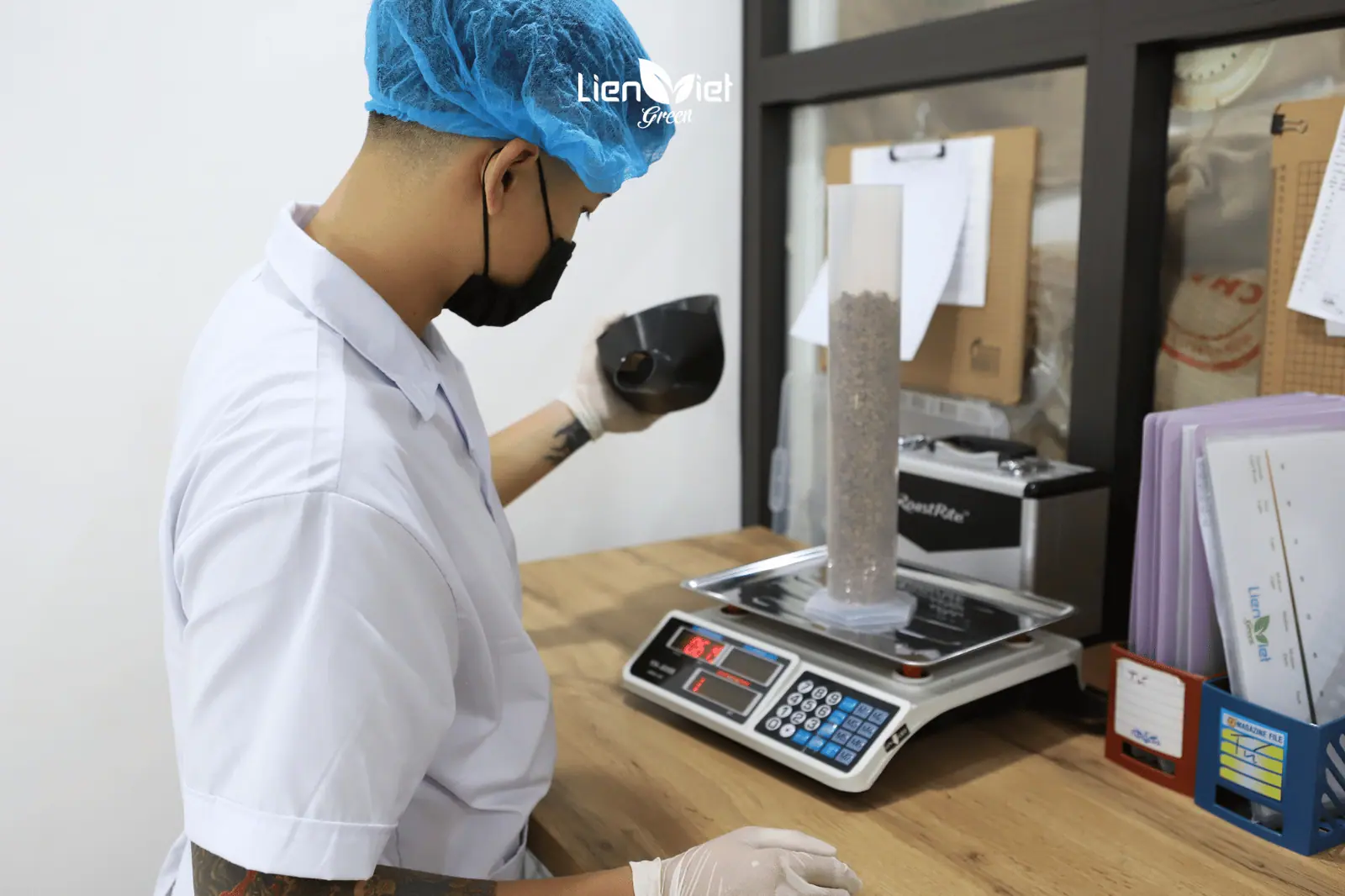
- Batch Quality Control (Batch Consistency): The roast color of each batch is measured on the Agtron scale (a roast-color scale) and logged for comparison, with bean moisture below 5%.
- Production Capacity & Roastery Scale: Real capacity covers your chain's monthly volume with room to spare for peak season (ask for the capacity and the volume the roastery already runs), and Hot Air roasting technology gives control over the roast profile.
- Certification & Food Safety: Holds ISO 22000 certification and has a tasting team with CQI Q-Grader credentials (tasting experts certified by the CQI).
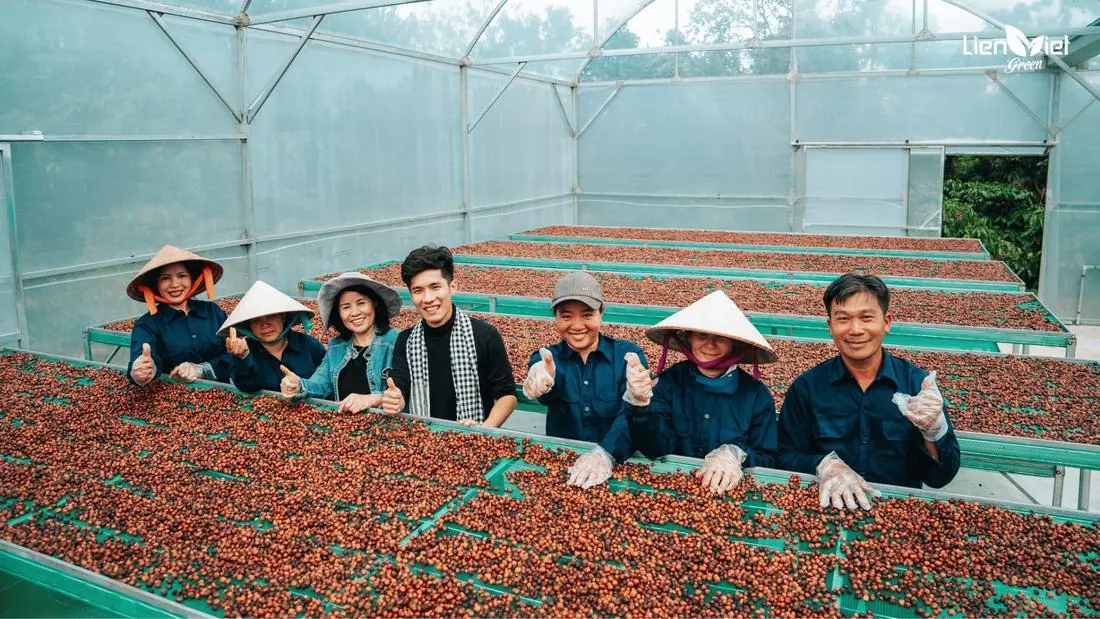
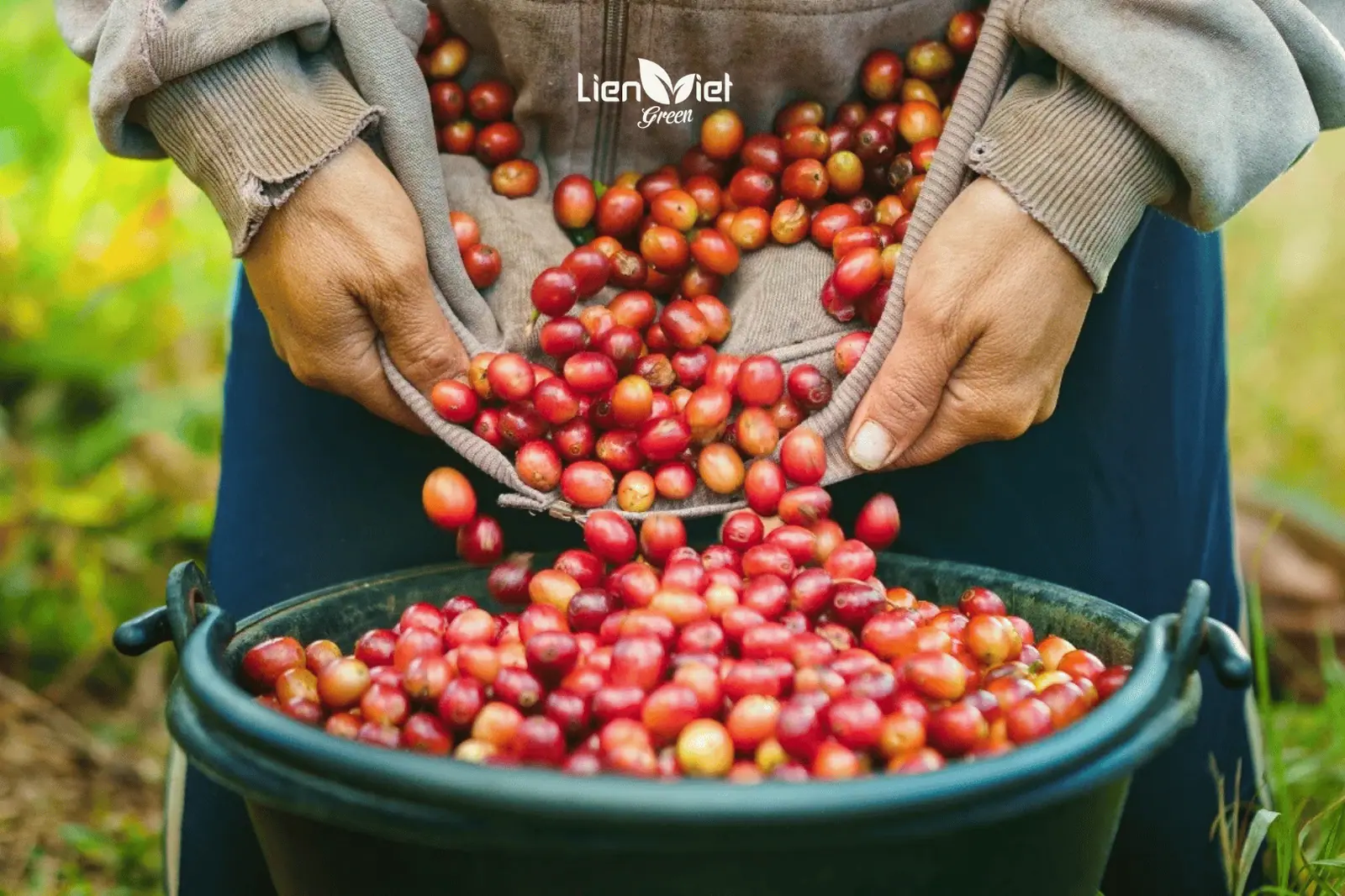
- Origin Traceability: Clearly named growing regions: Lam Dong, Dak Lak, Quang Tri and Son La.
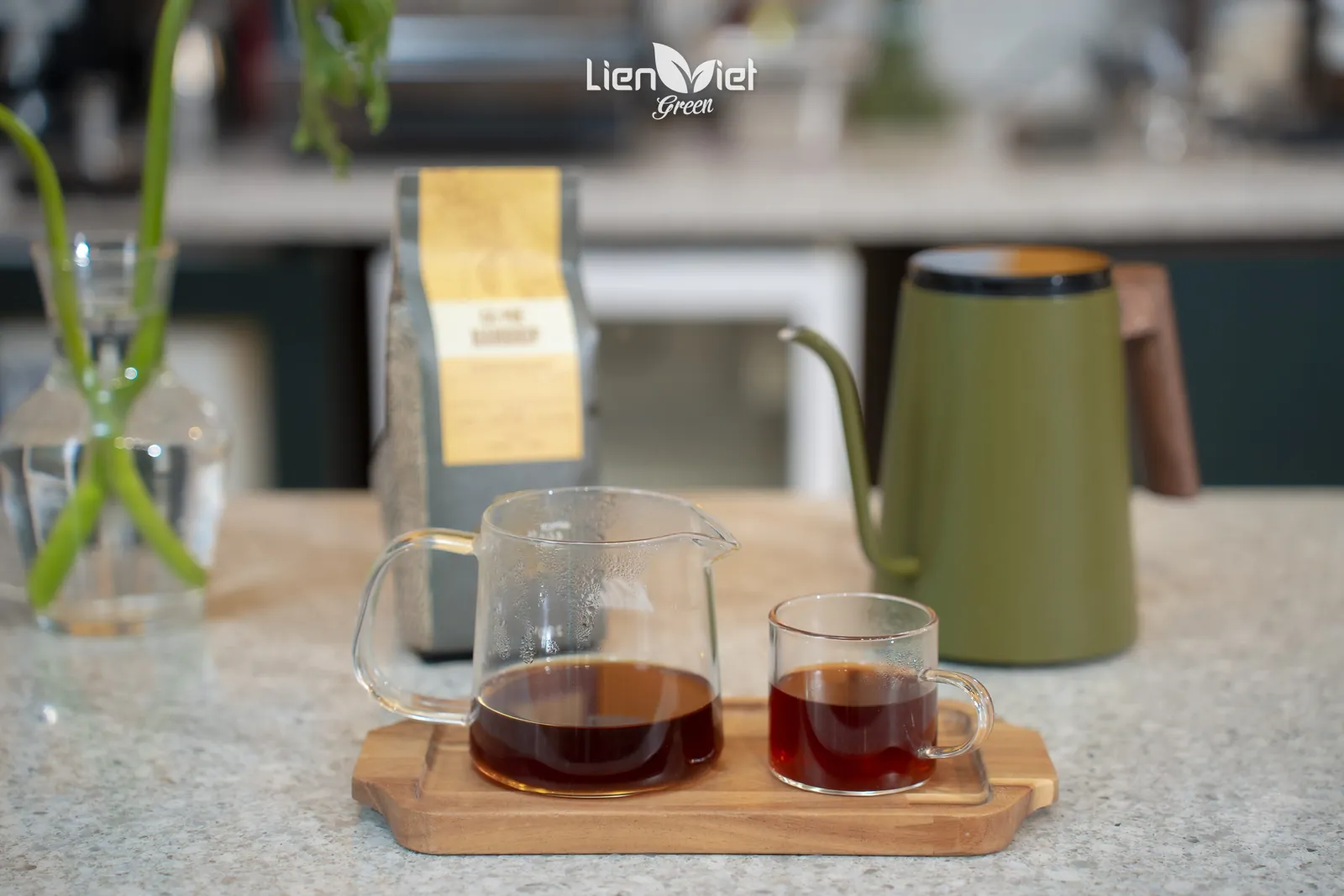
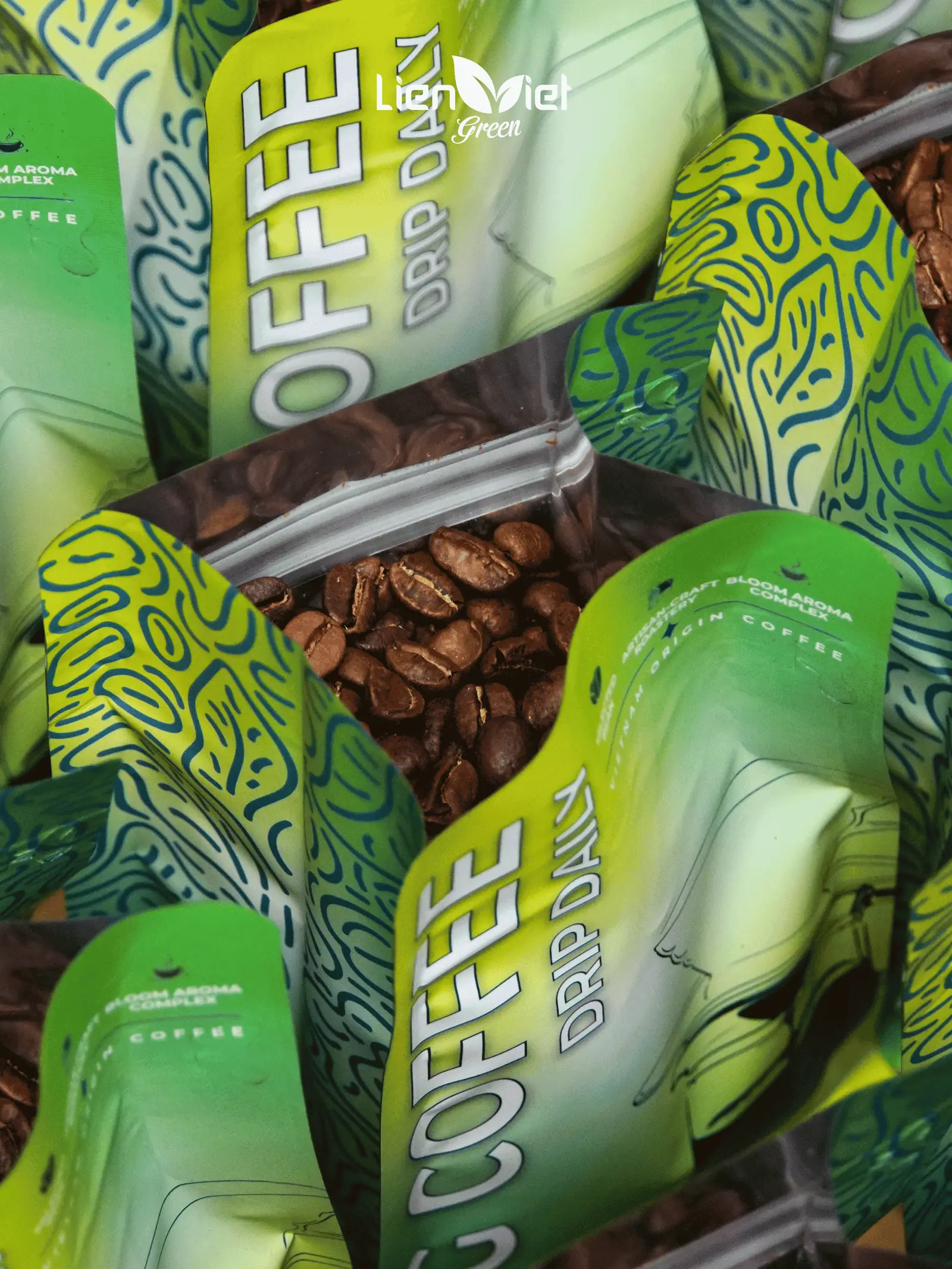
- OEM Service & Recipe Confidentiality (NDA): Sample trials, one-way valve packaging, and a commitment to keep your flavor profile exclusive to you.
1. Criterion 1: Quality Control & Batch Consistency
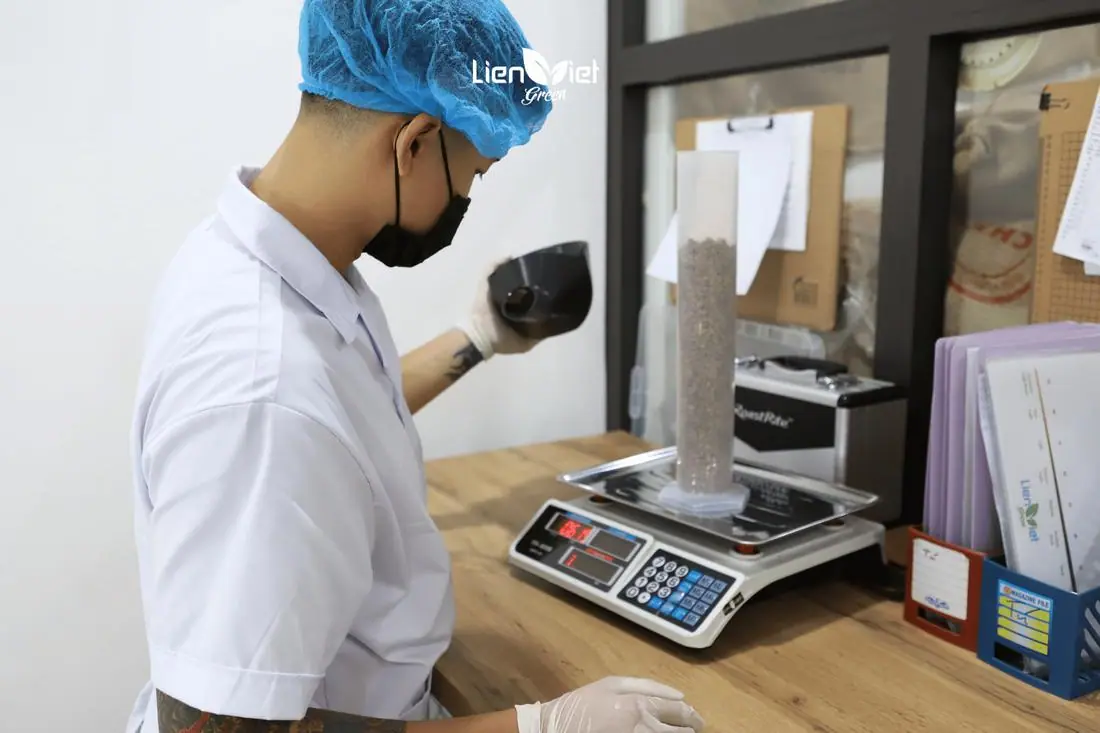
For an F&B chain, the biggest risk is a cup that tastes different from one branch to the next. A professional supplier should prove a strict QC process with an Agtron color spectrophotometer and a moisture meter.
2. Criterion 2: Hot Air Roasting Technology & Roastery Scale
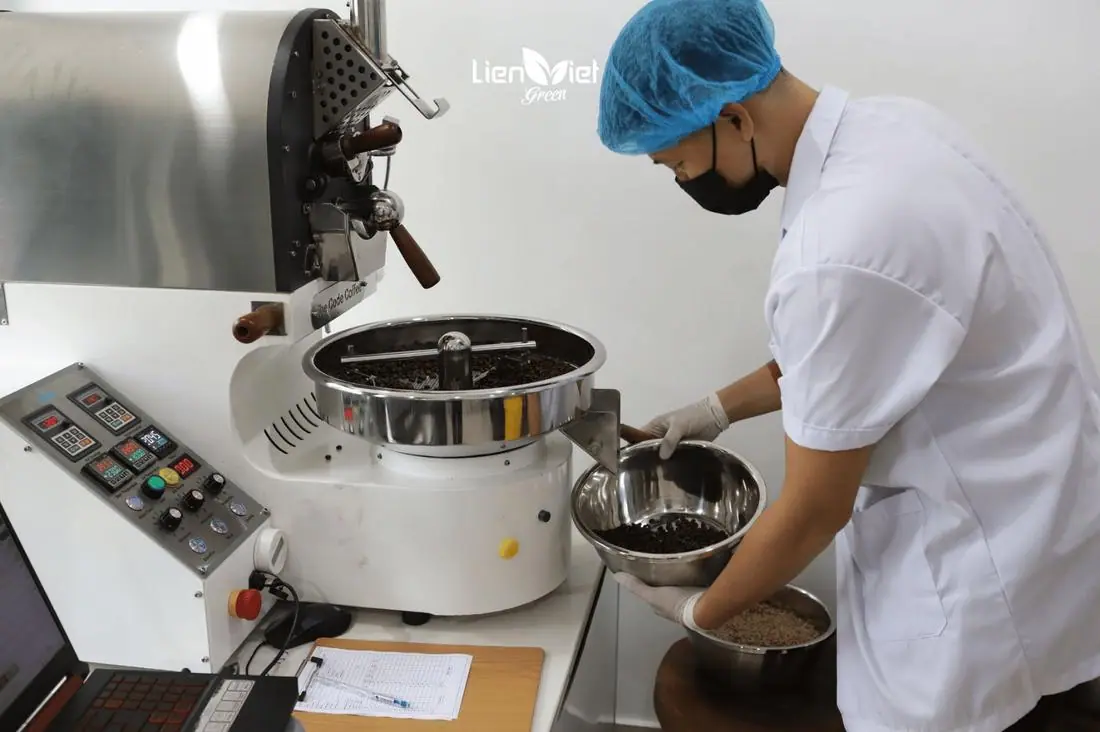
Traditional roasters fired directly by wood or gas can easily scorch the beans and leave a smoky coating. A supplier built for F&B should invest in Hot Air roasting, which transfers heat through circulating hot air so beans roast evenly from the inside out and pick up less smoke.
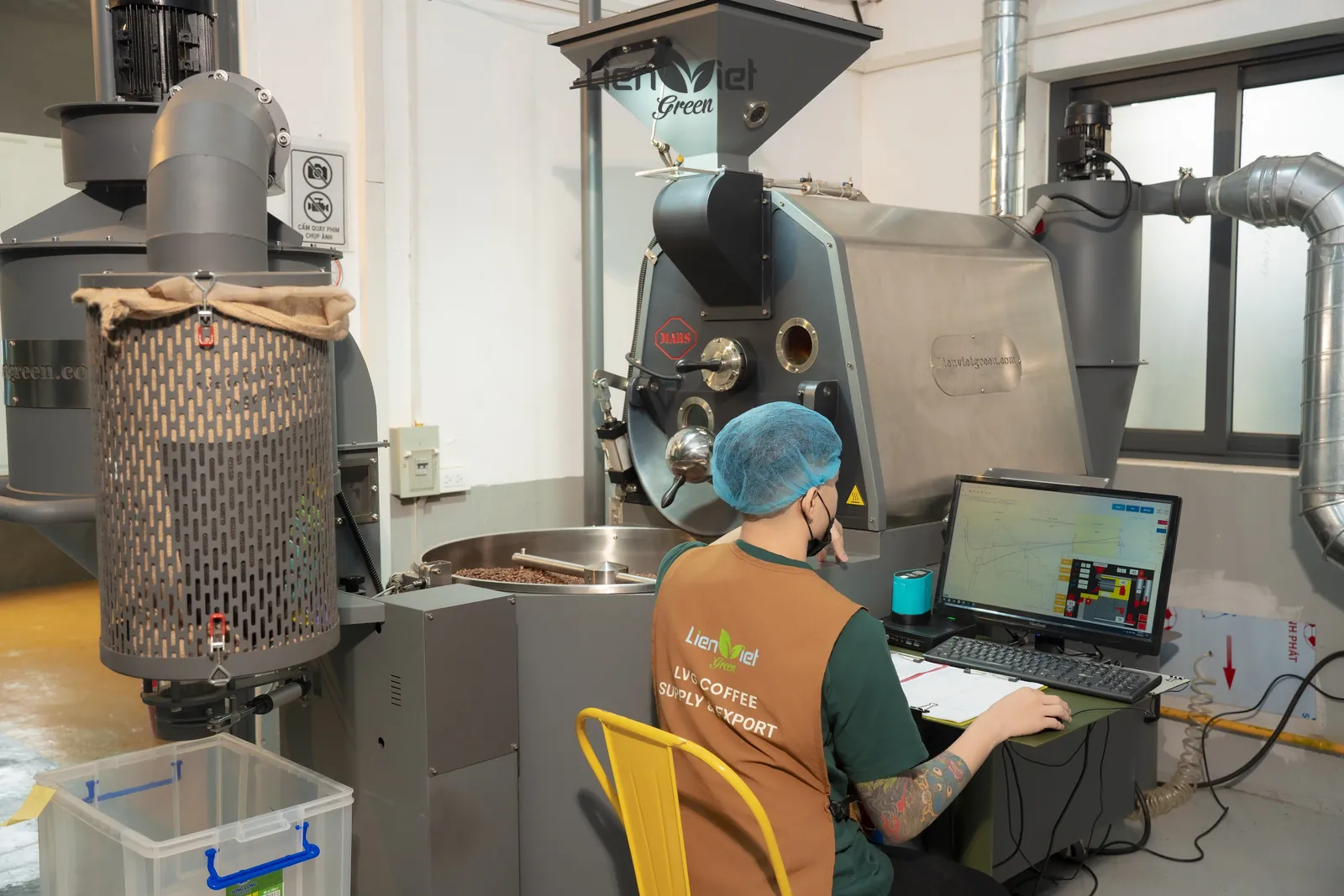
3. Comparison Table: Coffee Supplier Standards for Beverage Chains
| Evaluation Criterion | Small / Traditional Roastery | Standard OEM Supplier (Lien Viet Green) |
|---|---|---|
| Roasting Technology | Direct-fire gas or wood drum, edges scorch easily | Hot Air convection, beans roast more evenly in color |
| Batch Control | Judged by eye, manual sensory impression | Agtron spectrophotometer + moisture measurement + ARTISAN software |
| Quality Certification | No international ISO 22000 certificate | ISO 22000 certified, Q-Grader certified |
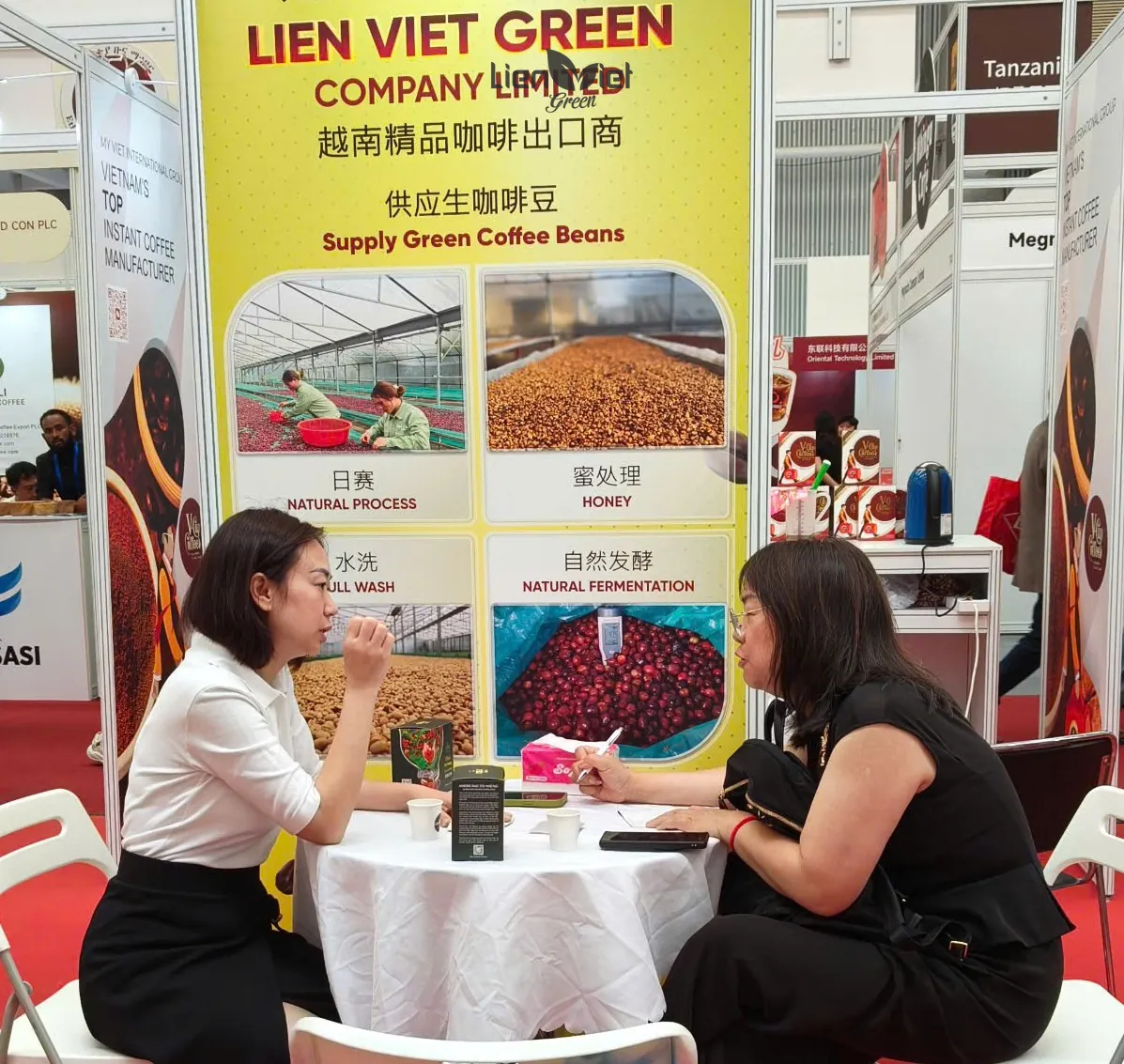
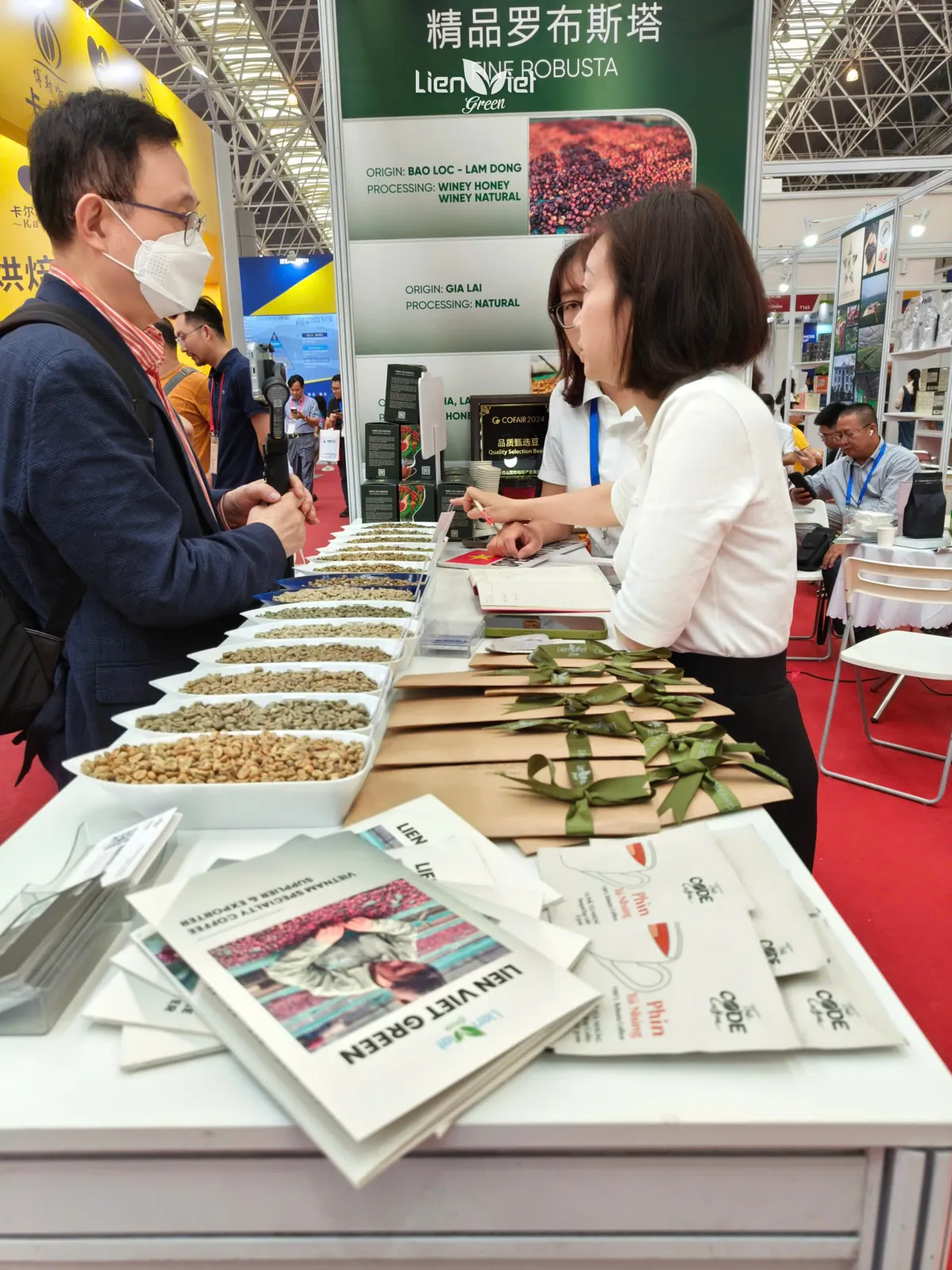
| Traceability | Open-market buying, growing region unclear | Growing regions stated: Lam Dong, Quang Tri, Gia Lai |
If your chain is weighing organic coffee, see organic roasted coffee: 3 things to check before you buy.
If your branches often taste different from each other, read why inconsistent coffee quality harms F&B chains.
To see why a stable supply starts at the farm, read about a closed-loop coffee supply chain.
If your chain runs on a franchise model, see 100% pure coffee for franchise F&B chains.
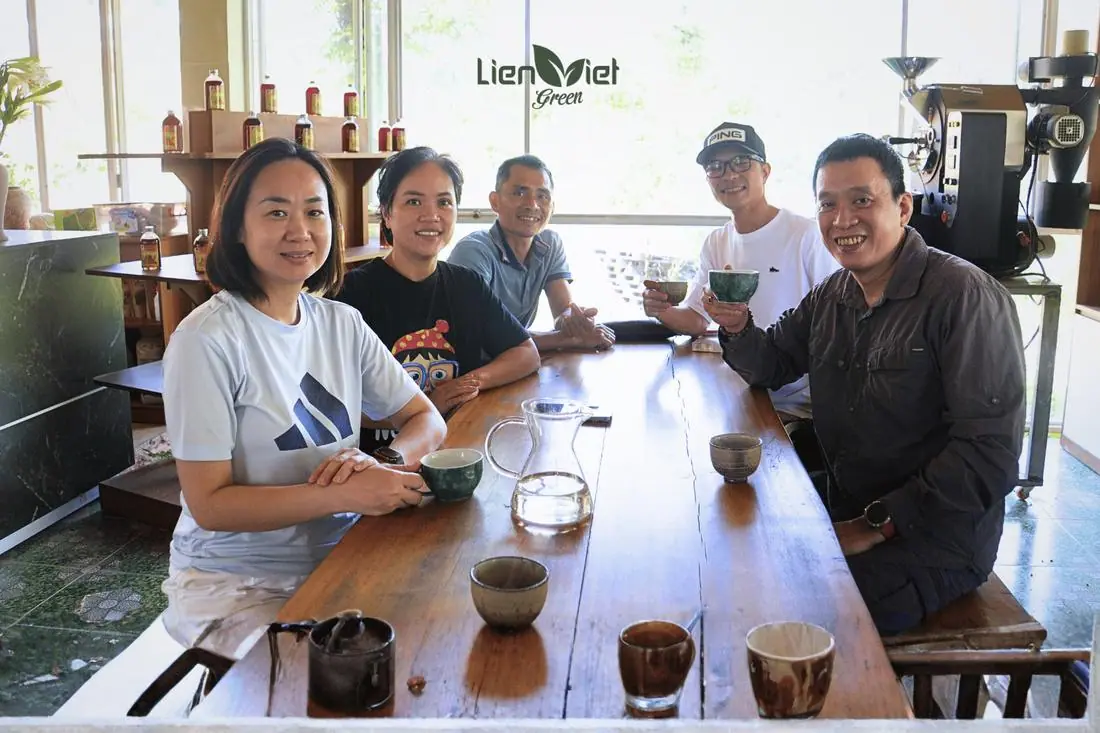
If you are looking for a stable coffee source for your cafés, see our roasted coffee service for cafés and chains or book a cupping at the roastery to taste before you choose your beans.
Sources: Coffee Quality Institute (CQI) Q Grader certification; Specialty Coffee Association (SCA) coffee standards; ISO 22000:2018 on the ISO website and Lien Viet Green roastery ISO 22000:2018 certificate.
Frequently asked questions
What criteria should an F&B chain use to choose a coffee supplier?
Look at five criteria: batch quality control, roasting technology and roastery scale, food safety certification, growing-region traceability, and an OEM policy that comes with recipe confidentiality. Together they help every branch serve a cup that tastes the same.
Why does batch-to-batch consistency matter so much for chains?
Because the biggest risk for a chain is coffee that tastes different from one branch to the next. A professional supplier should prove its quality control with an Agtron color meter and a moisture analyzer, not by eye alone.
How is Hot Air roasting different from direct-fire drum roasting?
Hot Air roasting transfers heat through circulating hot air, so beans roast evenly from the inside out and pick up less smoke. Roasters fired directly by wood or gas can easily scorch the bean edges and leave a smoky coating.
What certifications should a coffee supplier for chains hold?
Prioritize a roastery certified to ISO 22000, together with a tasting team that holds CQI Q Grader credentials (tasting experts certified by the CQI). Lien Viet Green's roastery is certified to ISO 22000:2018 and its team includes CQI Q Graders.
How can I check a coffee supplier before signing?
The quickest way is to visit the roastery, see the process and taste real samples. You can book a cupping (a structured coffee tasting) at Lien Viet Green's roastery in Long Bien, Hanoi.
Looking for an ISO 22000 certified private-label coffee roasting partner for your beverage chain?
Lien Viet Green works alongside café chains, hotels and F&B brands to supply a stable stream of roasted beans, with your recipe kept exclusive to you.