Vietnam Specialty Coffee: Market Opportunities and Global Trends
Vietnam’s specialty coffee sector is gaining significant momentum on the global stage. Discover the emerging market opportunities, consumer trends, and strategic initiatives elevating Vietnamese coffee origins.
Vietnam's specialty coffee opportunity lies in moving from bulk commercial Robusta to traceable Fine Robusta and highland Arabica sold on cup quality. Rising demand for farm-to-cup sourcing and new processing methods is opening doors for Vietnamese origins, while farm practices and quality certification remain the main hurdles.
📌 Technical Key Highlights
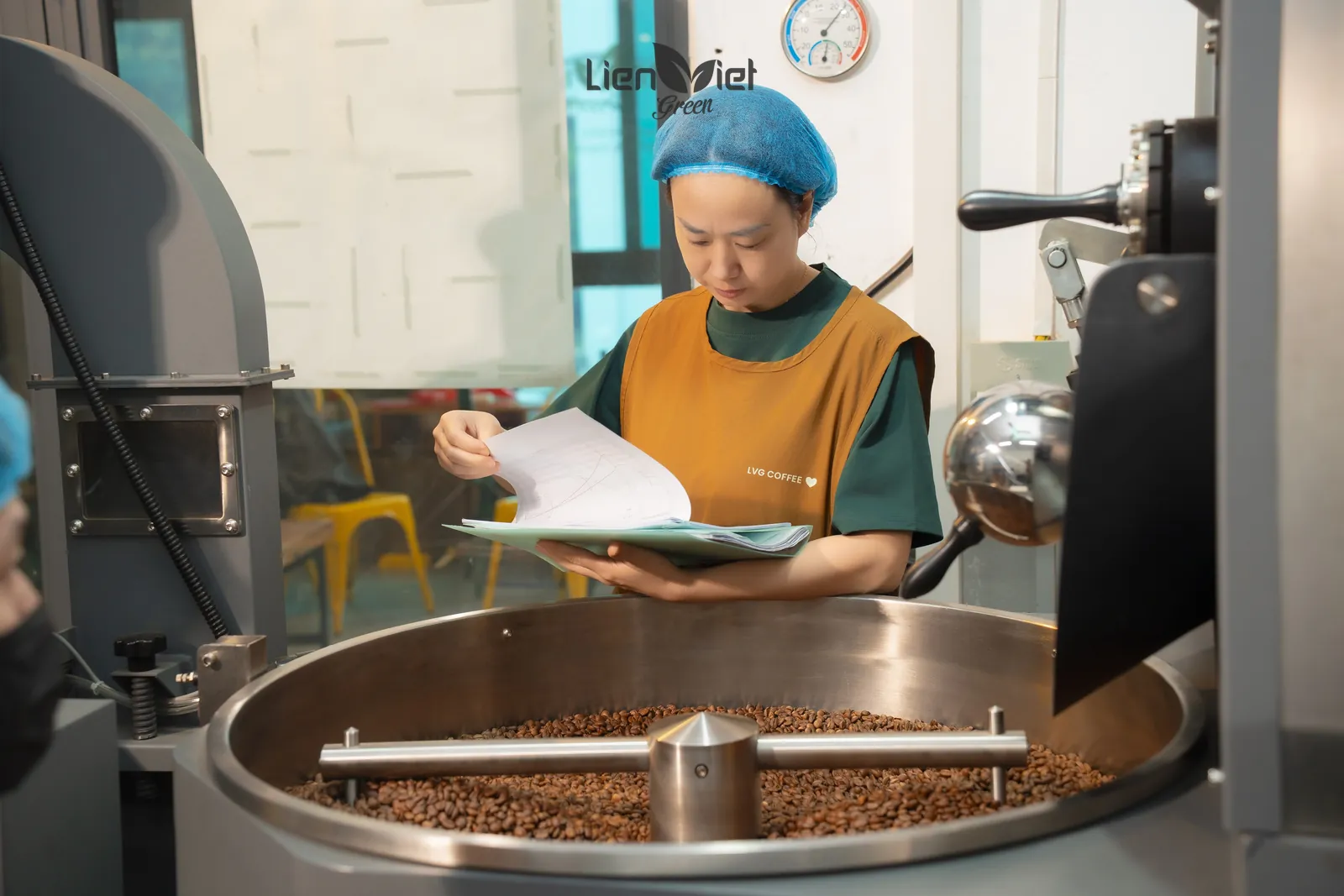
- Roastery Standard: Certified ISO 22000, evaluated by Q Grader panel.
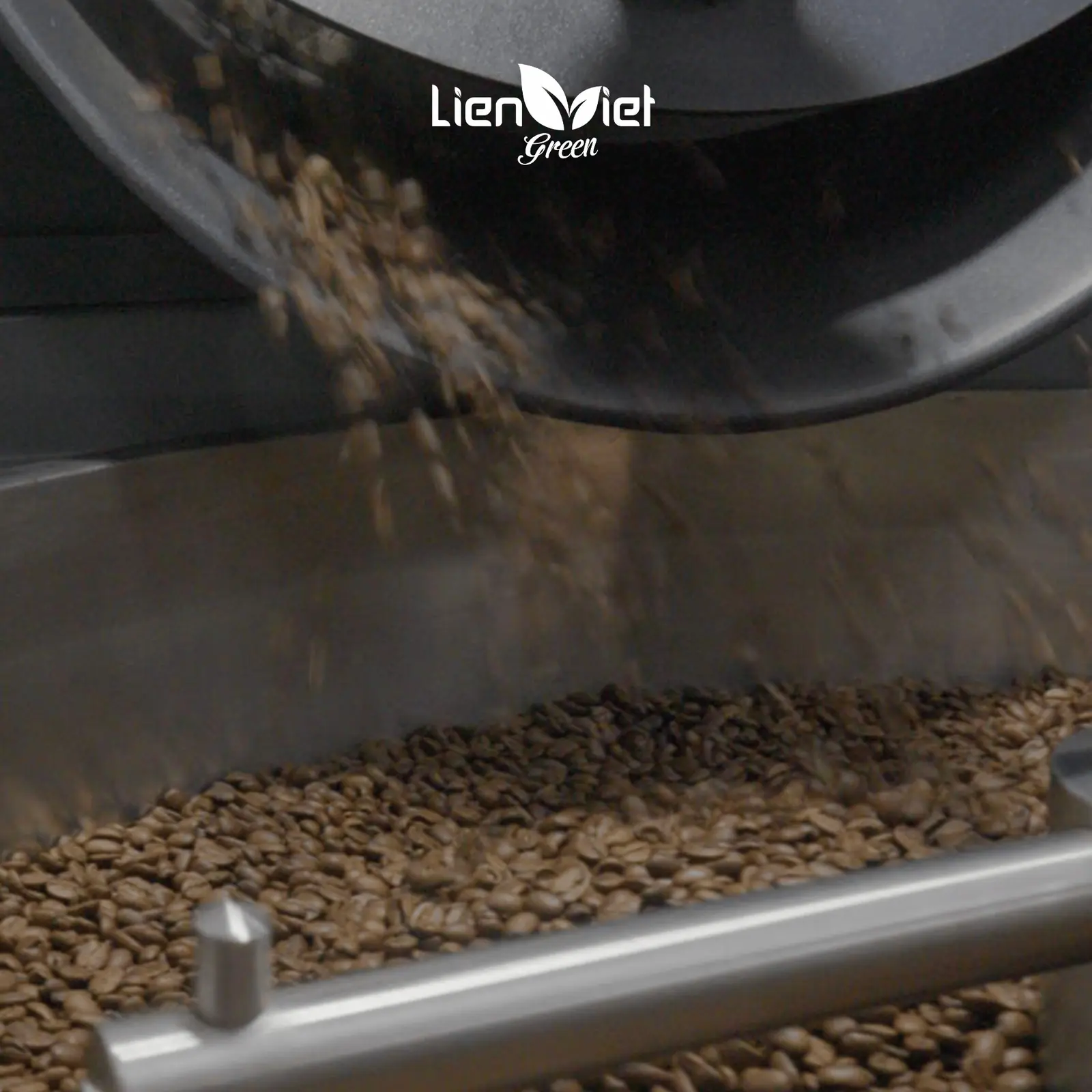
- Roasting Tech: 100% Hot Air fluid bed convection, precise thermal curve tracking.
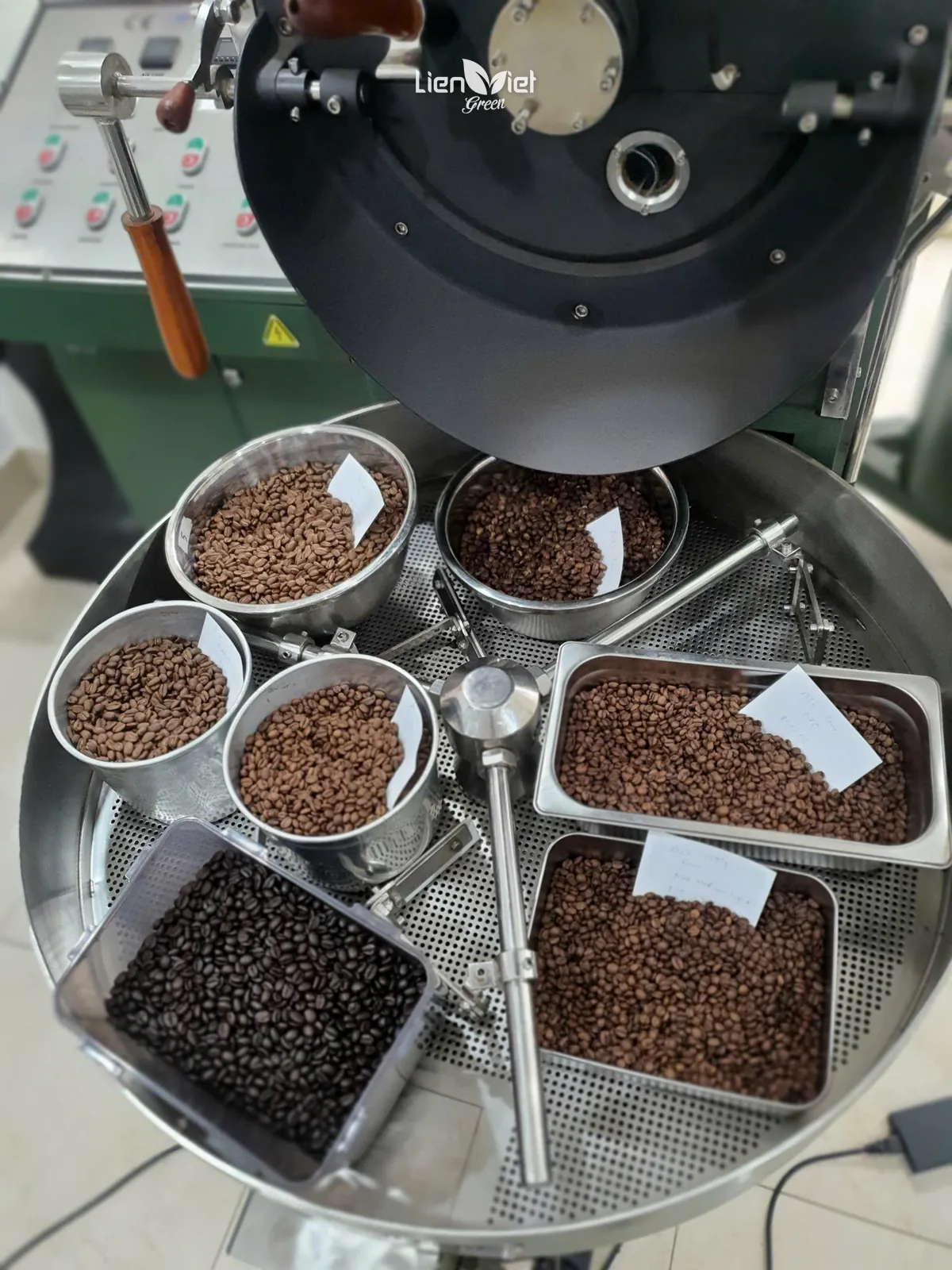
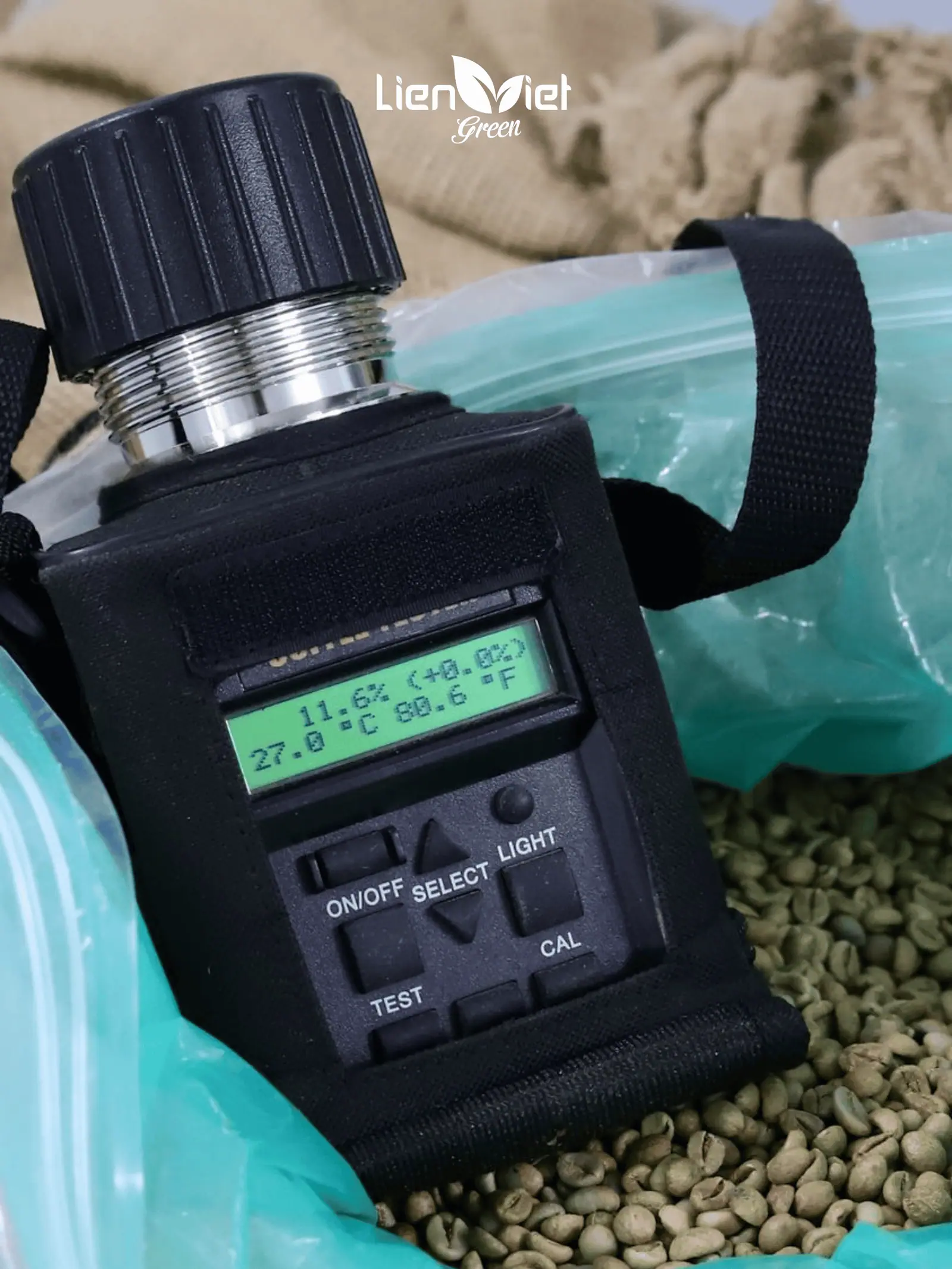
- Batch Consistency: Strict Agtron spectrophotometer roast color and moisture control.
- Traceability: 100% transparent sourcing from Vietnamese coffee origins.
Vietnam Specialty Coffee: A Transformative Shift in the Global Value Chain
Vietnam Specialty Coffee: Opportunities and Global Trends
For decades, Vietnam has been recognized primarily as the world’s largest exporter of commercial Robusta, valued for high volume and competitive pricing. In recent years, however, the Vietnamese coffee industry has initiated a structural shift: transitioning from an exporter of bulk commodity raw materials into a producer of high-grade specialty coffee. Rather than competing solely on volume, Vietnamese producers are engaging global markets through cup quality, traceability, and sustainability.
The global expansion of the specialty coffee segment has opened notable opportunities for Vietnamese origins. Growing regions such as Da Lat, Son La, Khe Sanh, and Gia Lai are gaining international recognition for unique terroir profiles, selective harvesting practices, and advanced post-harvest processing.
International specialty roasters are increasingly sourcing Vietnamese Fine Robusta as an innovative component for modern espresso blends, marking a significant milestone for Vietnamese coffee on the world specialty map.
Historically, global buyers viewed Vietnamese coffee predominantly as an ingredient for soluble coffee or commercial blending. Today, that perception is changing due to the rise of certified lots scoring 80+ points on the standard Specialty Coffee Association (SCA) and Coffee Quality Institute (CQI) cupping scale. Vietnam is steadily establishing itself as a viable origin for single-origin specialty offerings.
Recent harvest cycles have highlighted the rise of Fine Robusta. When cultivated at high elevation, harvested at peak ripeness, and processed using controlled fermentation, Robusta demonstrates distinct cup quality. Featuring complex notes of tropical fruit fermentation, dark chocolate, and roasted caramel, Vietnamese Fine Robusta has become a sought-after base for modern espresso programs.
A strategic shift is taking place as Vietnam moves from a volume-first mindset toward quality differentiation. Major growing regions across the Central Highlands (Dak Lak, Lam Dong, Gia Lai) and the Northwest (Son La, Dien Bien) are adopting specialty practices, supported by favorable soil composition, microclimates, and elevations up to 1,500 meters.
This structural change increases commercial value while establishing a distinct market identity for Vietnamese coffee, catering to consumers who prioritize transparent sourcing and unique sensory attributes.
The global specialty coffee market continues to expand steadily, driven by knowledgeable consumers willing to pay a premium for verified quality and origin transparency.
Vietnam’s Emerging Position in the Global Specialty Coffee Arena
The farm-to-cup movement is widely adopted across key consumer markets, including North America, Europe, Japan, South Korea, and Australia. Buyers increasingly seek full operational visibility: identifying specific farm cooperatives, harvest standards, and processing methods. Traceability has become a core competitive requirement.
This creates a distinct advantage for Vietnamese suppliers capable of providing complete lot documentation from farm level to export shipping, moving beyond anonymous bulk commodity trade.
The specialty coffee segment in Europe and North America continues to demonstrate resilience. Independent boutique roasteries and specialty e-commerce channels provide direct distribution pathways for Vietnamese producers to reach quality-conscious commercial buyers.
International buyers show strong interest in advanced processing techniques, including Natural, Honey, Anaerobic Fermentation, and controlled yeast inoculations. These methods develop complex, fruit-forward cup profiles that differentiate lots from conventional washed coffees, providing Vietnamese producers with tangible opportunities for value addition.
Vietnam possesses favorable agricultural conditions for high-grade coffee production. The Central Highlands feature mineral-rich volcanic basalt soils and elevations between 500 and 1,500 meters. Concurrently, Northwest provinces like Son La and Dien Bien offer cool mountain microclimates with wide diurnal temperature swings, supporting high natural sugar accumulation in specialty Arabica.
With international regulations and consumers emphasizing environmental sustainability, fair trade practices, and farmer livelihoods, global roasters actively seek certified, traceable supply partners. Vietnamese producers have an opportunity to differentiate their offerings through verifiable compliance and sustainable farm management.
Vietnamese specialty coffees are increasingly featured at prominent international forums, including the World Coffee Championships, Cafe Show Seoul, and the Specialty Coffee Expo. These events serve as vital platforms for building commercial partnerships and demonstrating origin capability.
Despite substantial potential, expanding Vietnam’s specialty coffee footprint involves specific structural hurdles that require sustained investment.
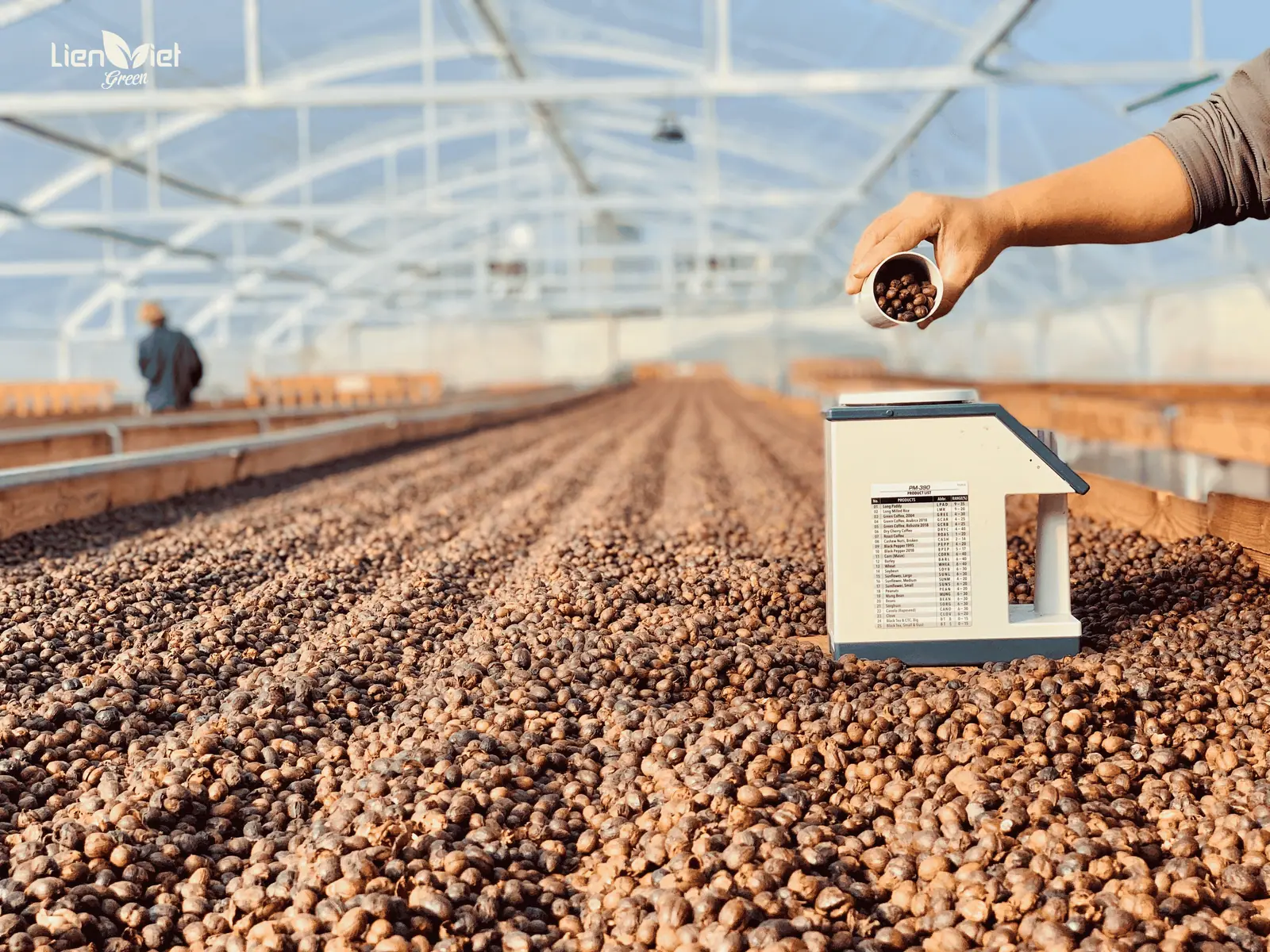
A significant portion of smallholder farming still relies on traditional strip-picking. Transitioning farms to selective picking of 100% ripe red cherries with high Brix readings, alongside controlled drying protocols, requires ongoing agronomic training and financial incentive programs.
Breaking Free from the “Commodity Coffee” Stereotype
Meeting the import standards of demanding markets requires formal quality certifications, such as CQI Q-Grading, Rainforest Alliance, and USDA/EU Organic standards. Developing the infrastructure, technical expertise, and documentation for these standards requires systematic, long-term capital commitment.
Within this developing landscape, Lien Viet Green operates as a dedicated supply partner committed to bringing Vietnamese specialty coffee to international markets through integrated, end-to-end supply chain management.
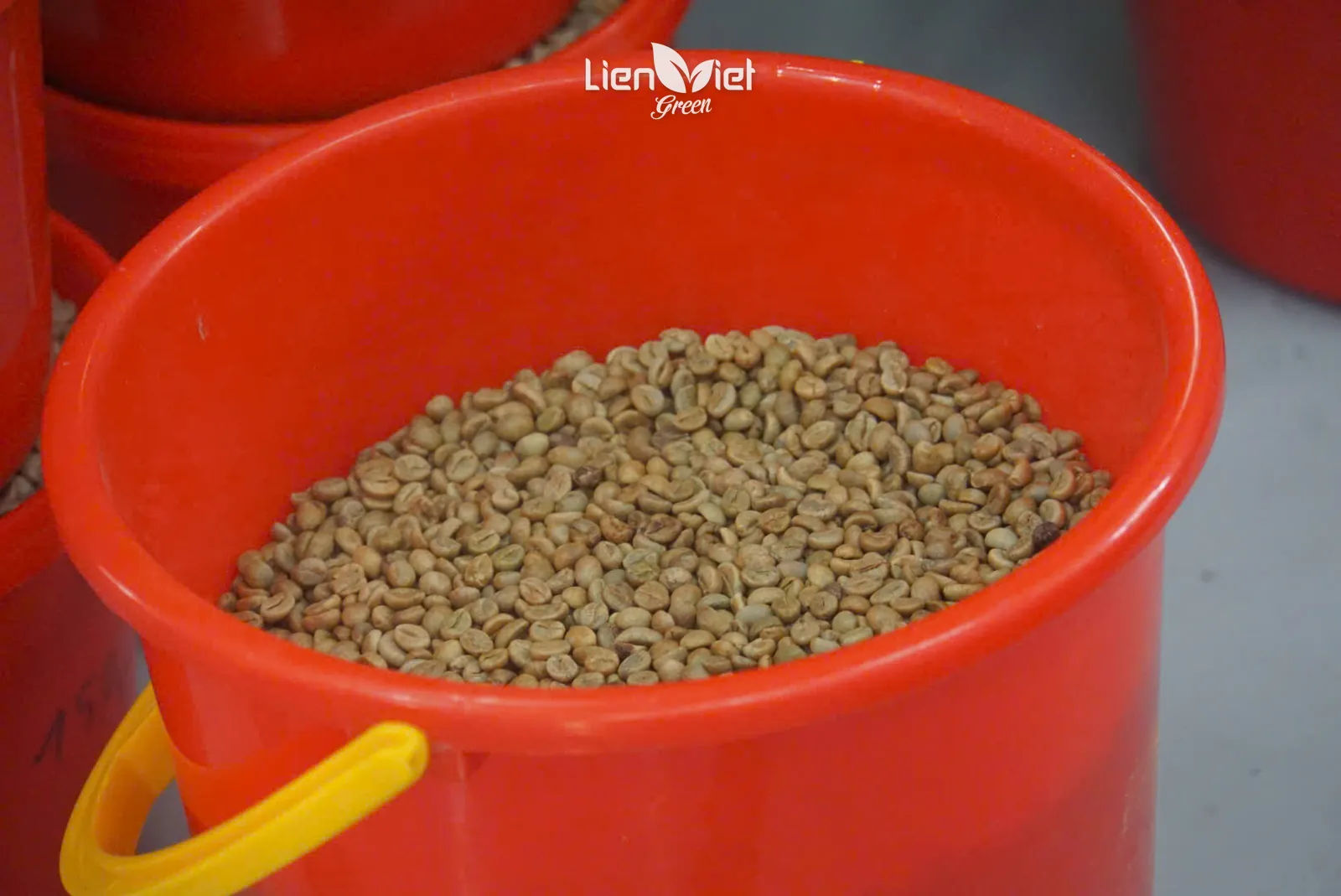
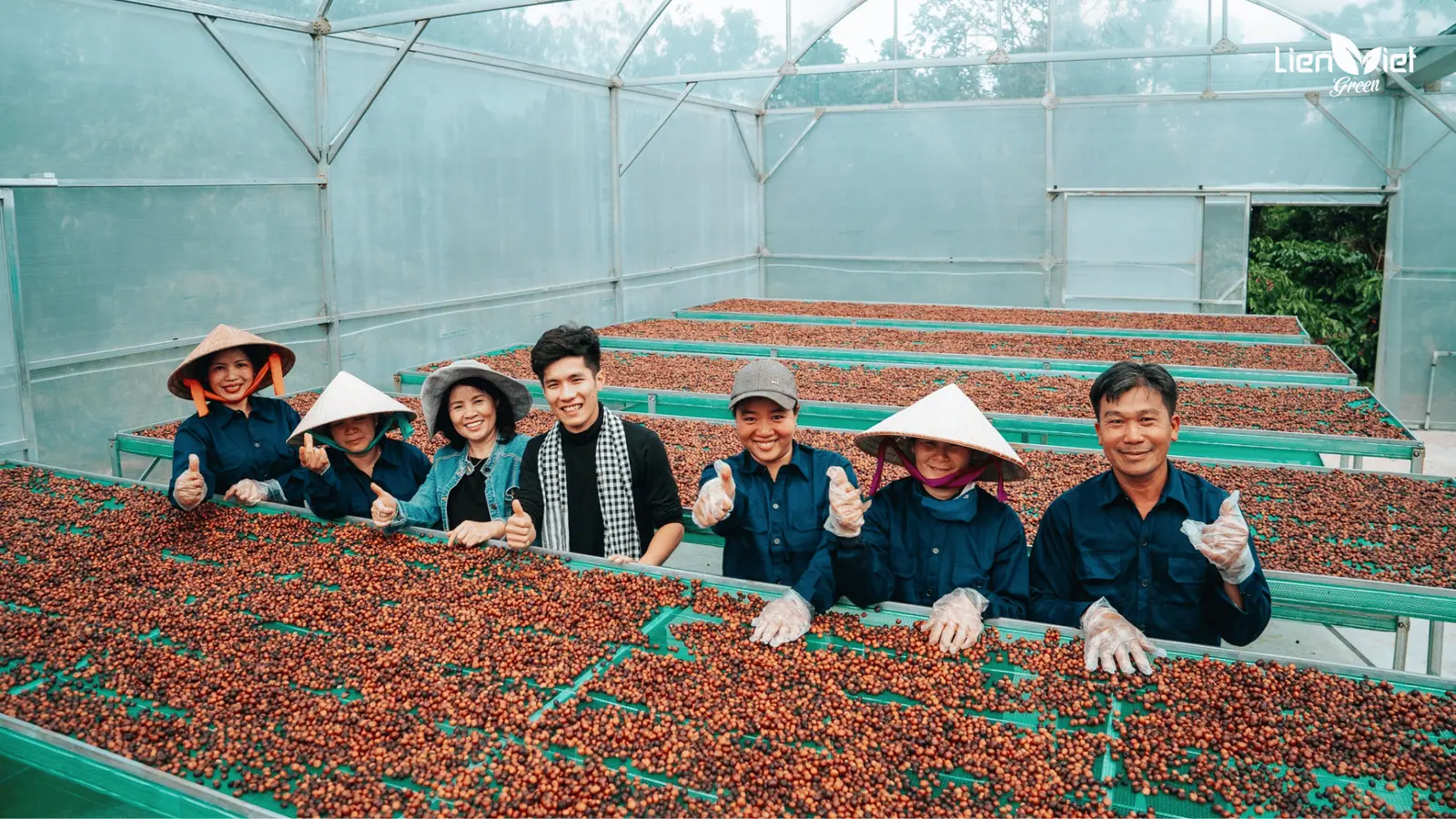
Lien Viet Green establishes direct partnerships with farming cooperatives across key producing regions in the Central Highlands and Northwest Vietnam. This direct relationship enables strict quality oversight at origin, ensuring 100% ripe cherry harvesting with verified Brix levels and complete farm-level traceability.
By adhering to CQI quality standards, Lien Viet Green supplies stable, high-grade green coffee to international roasters and commercial buyers.
In addition to green bean exports, Lien Viet Green has expanded into value-added processed products, including precision-roasted whole beans, single-serve Steeped Bags (coffee dip bags), and corporate gift collections. Our OEM manufacturing services enable international and domestic brands to develop private-label products built on Vietnamese specialty coffee.
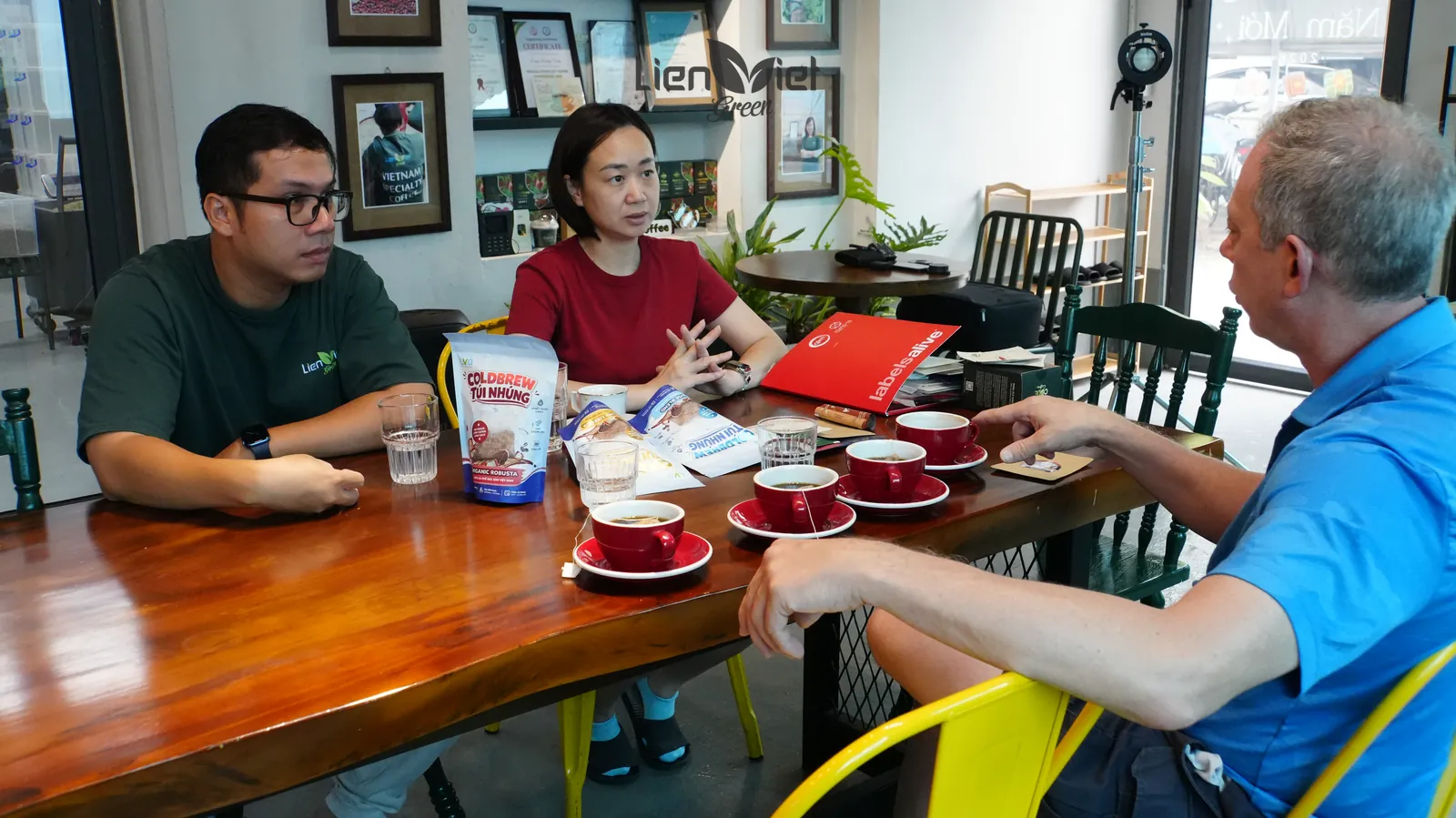
Lien Viet Green regularly participates in major trade exhibitions, including Cafe Show, to highlight Vietnamese specialty origins and build direct trade relationships with commercial roasters, distributors, and green coffee buyers globally.
Vietnam’s specialty coffee sector stands at a significant juncture, supported by evolving global market demand, favorable agricultural conditions, and an increasing focus on post-harvest processing. The transition from bulk commodity supplier to recognized specialty origin is achievable through continued commitment to quality standards, transparent sourcing, and technical innovation.
With companies like Lien Viet Green investing across the value chain, the outlook for Vietnamese specialty coffee in the global marketplace remains positive.
Technical Quality Standards Comparison Matrix
| Quality Metric | Conventional Standard | Lien Viet Green OEM Standard |
|---|---|---|
| Roasting Tech | Direct flame drum, minor smoke trace | 100% Hot Air fluid bed convection, uniform roast |
| Batch QC Control | Subjective visual checking | Agtron color meter + ISO moisture + ARTISAN logs |
| Packaging Format | Standard poly or paper bag | 4-layer foil laminate with 1-way degassing valve |
Fine Robusta is at the center of this shift; our explainer on what Fine Robusta is and why it is rising covers the details.
To understand what qualifies a coffee as specialty, read what specialty coffee is and why Vietnam is a specialty terroir.
See how we roast Vietnamese specialty origins for cafés on our coffee for cafés and chains page, or book a cupping at our Long Bien roastery to taste Fine Robusta and highland Arabica.
Sources: Coffee Quality Institute (CQI) Q Grader certification; Specialty Coffee Association (SCA) coffee standards; ISO 22000:2018 on the ISO website and Lien Viet Green roastery ISO 22000:2018 certificate.
Frequently asked questions
What opportunities does Vietnamese specialty coffee have in international markets?
The opportunity comes from the growth of specialty coffee and farm-to-cup sourcing. International roasters are looking for Vietnamese Fine Robusta and highland Arabica lots, and buyers increasingly value clear origin and the story behind the product.
What is Fine Robusta and why is it getting attention?
Fine Robusta is Robusta that is grown and processed to proper standards. Vietnamese Fine Robusta can show fermented fruit, chocolate and caramel notes, which suit modern espresso programs.
Which regions of Vietnam grow specialty coffee?
The regions most often mentioned are the Central Highlands (Dak Lak, Lam Dong, Gia Lai) and the Northwest (Son La, Dien Bien). Da Lat and Khe Sanh are also drawing attention from the coffee community.
What challenges does Vietnamese coffee face in the specialty segment?
Many smallholders still farm the traditional way. Picking ripe cherries, controlling fermentation and drying correctly take long-term training, and coffee for demanding markets must also meet international quality standards.
Where are Cau Dat Arabica and Son La Arabica grown?
Cau Dat Arabica is grown around Cau Dat, near Da Lat in Lam Dong province, at about 1,500 m. Son La Arabica is grown mainly in Mai Son and Thuan Chau districts, and Lien Viet Green's Son La Arabica lots come from Chieng Chung in Mai Son.
Partner with ISO 22000 Certified OEM Coffee Roaster
Lien Viet Green supports hotel chains, F&B franchises, and commercial brands with custom roast profiles and supply reliability.