Steeped Bag vs. Drip Bag vs. Phin vs. Pour Over: Selecting the Optimal Brewing Solution for F&B Chains
In today’s highly competitive food and beverage (F&B) market, selecting a coffee extraction method is not merely a question of taste. For café operators and multi-unit chain managers, every brewing method represents a tangible operational equation: from initial equipment capital expenditure and service speed during peak hours, to staff training requirements and system-wide cup consistency across all locations.
Each method trades off differently: steeped bags and drip bags give fast, consistent single-serve cups with little reliance on barista skill, the phin keeps a Vietnamese identity with a slow brew, and pour over delivers craft flavor but needs skilled staff and time. The right choice depends on your service speed, staff and target customers.
📌 Technical Key Highlights
- Roastery Standard: Certified ISO 22000, evaluated by Q Grader panel.
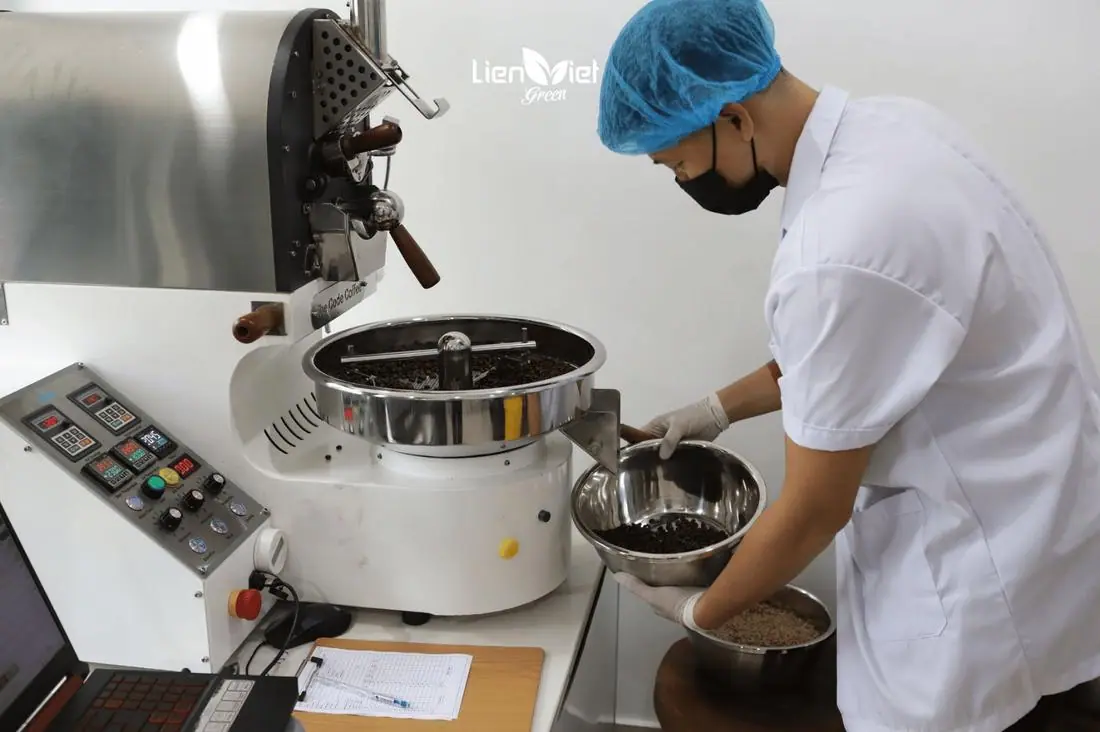
- Roasting Tech: 100% Hot Air fluid bed convection, precise thermal curve tracking.
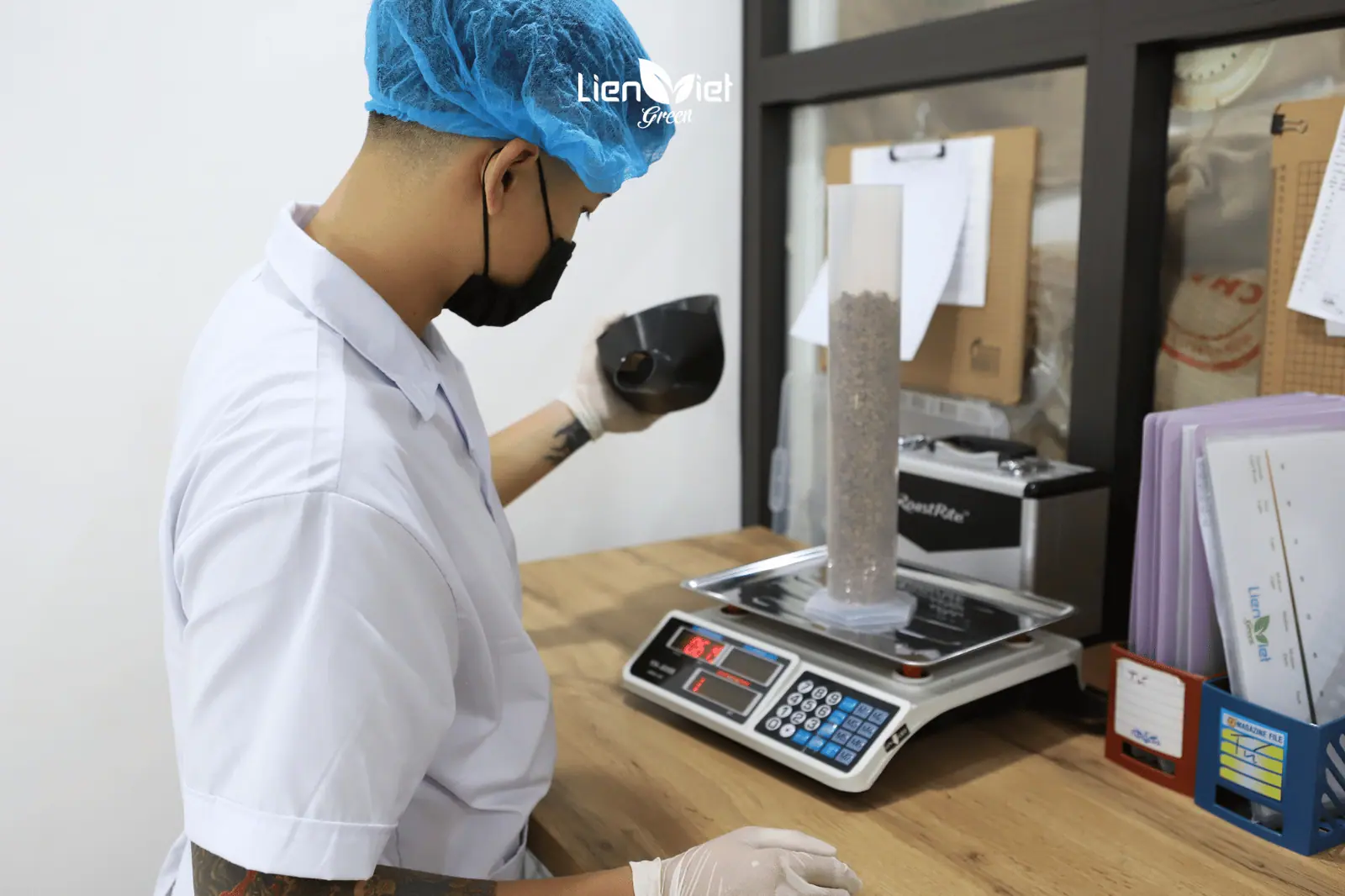
- Batch Consistency: Strict Agtron spectrophotometer roast color and moisture control.
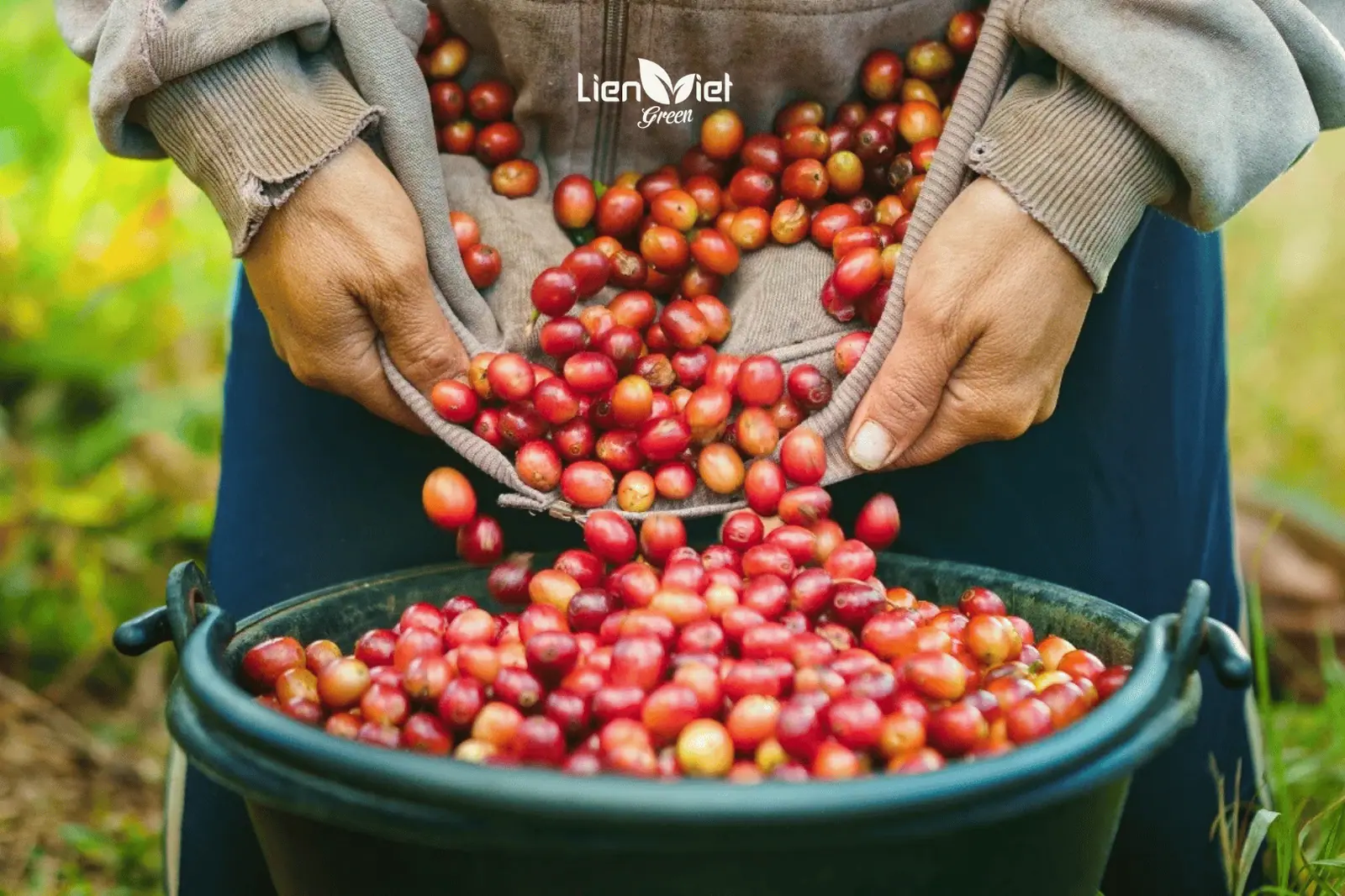
- Traceability: 100% transparent sourcing from Vietnamese coffee origins.
1. Steeped Bag: Breakthrough in Convenience and Service Speed
To help F&B enterprises identify the most efficient solution for their business model, Lien Viet Green provides a comparative analysis of the four most common brewing methods in the industry today: Steeped Bag (coffee dip bag), Drip Bag (hanging-ear paper filter), Traditional Phin, and Pour Over (manual drip).
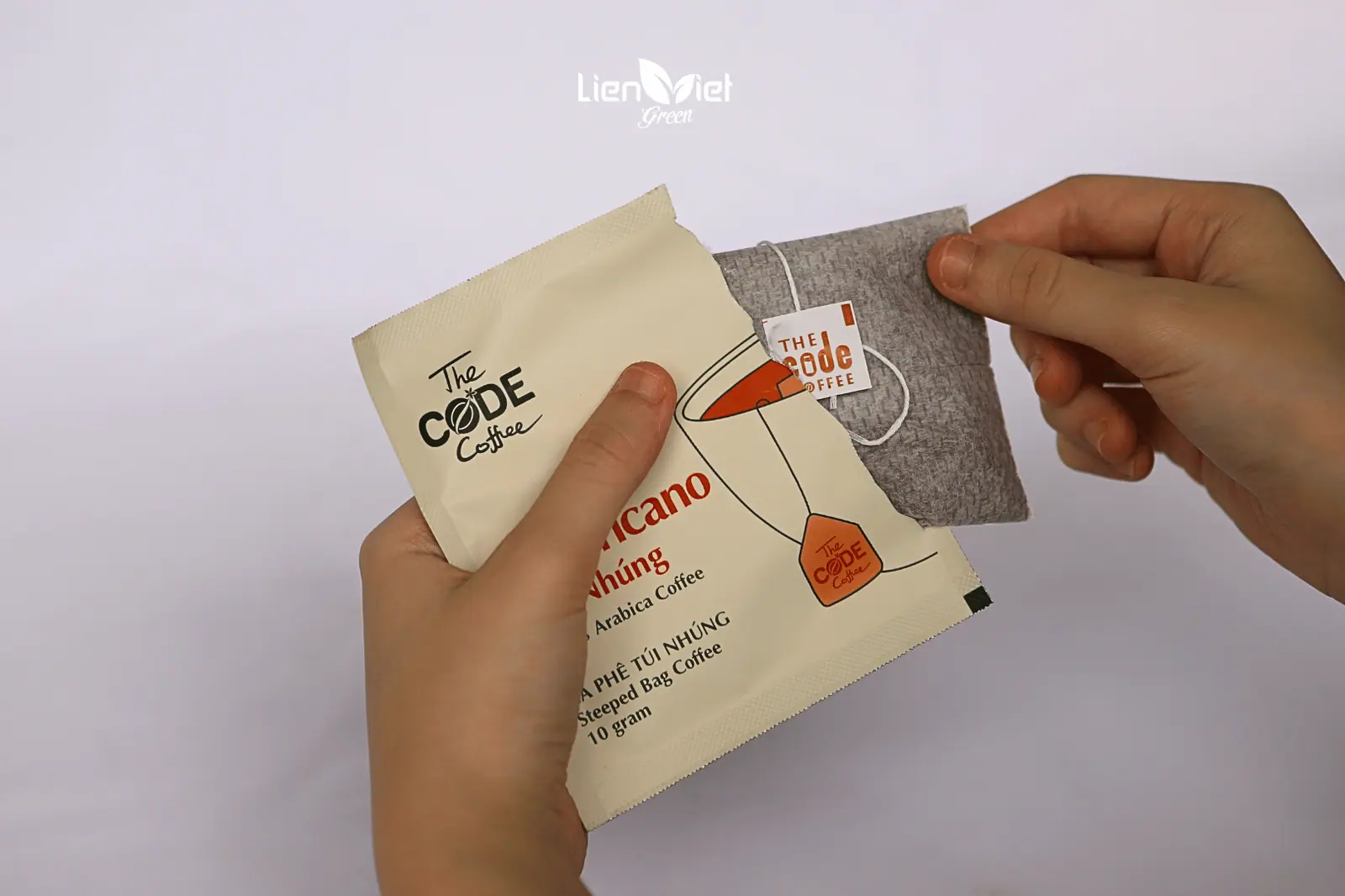
The Steeped Bag (coffee dip bag) represents a major advancement in modern coffee consumption. Operating on an immersion brewing principle similar to tea sachets, freshly roasted and precisely ground specialty coffee is hermetically sealed within a biodegradable, ultra-fine fiber filter pouch.
Steeped Bag (Coffee Dip Bag) – Breakthrough in Convenience and Service Speed
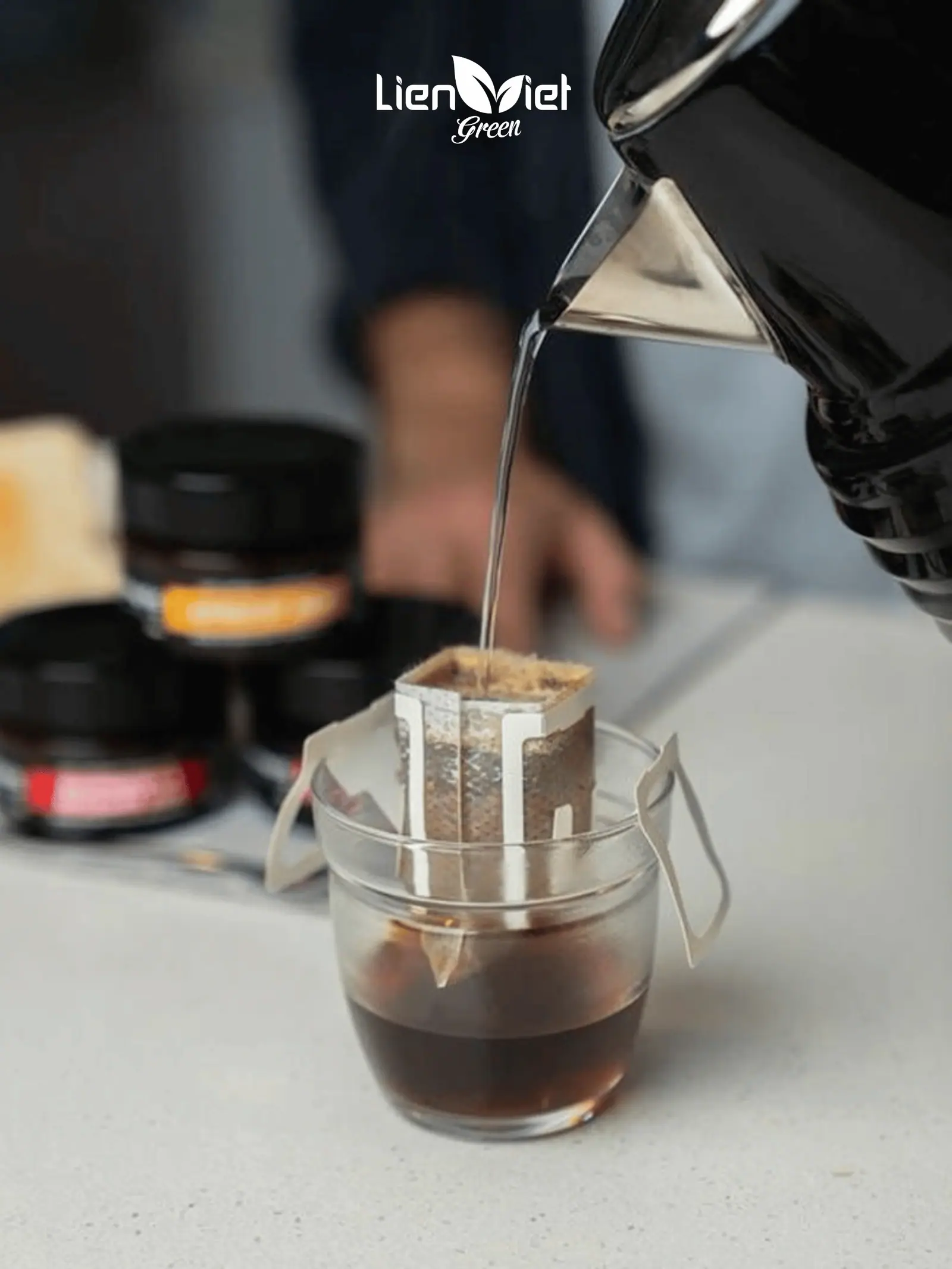
The Drip Bag replicates manual pour-over brewing in a compact, single-serve format using food-grade filter paper engineered with two cardboard hanging ears that secure firmly over the rim of a cup.
2. Drip Bag (Hanging-Ear Paper Filter): A Compact Pour Over Experience
Drip Bag (Hanging-Ear Filter Bag) – A Compact Pour Over Experience
The classic metal gravity-press Phin is an iconic symbol of Vietnamese coffee culture, utilizing a hybrid extraction that combines an initial blooming immersion with slow gravity percolation.
Traditional Vietnamese Phin – Timeless Cultural Identity
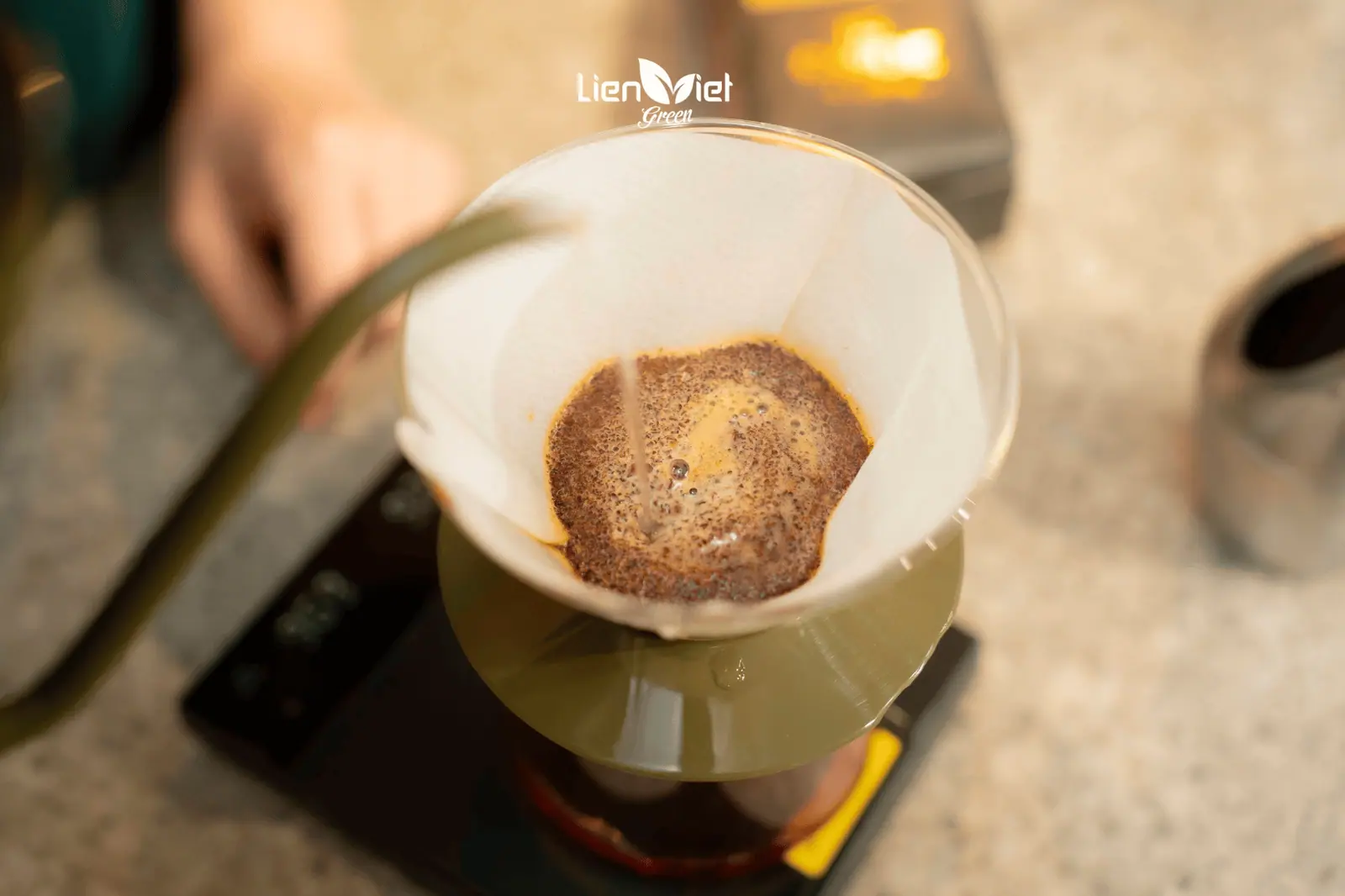
Conical paper filter brewing, such as the V60 or Chemex, serves as the centerpiece of Third Wave specialty coffee bars worldwide.
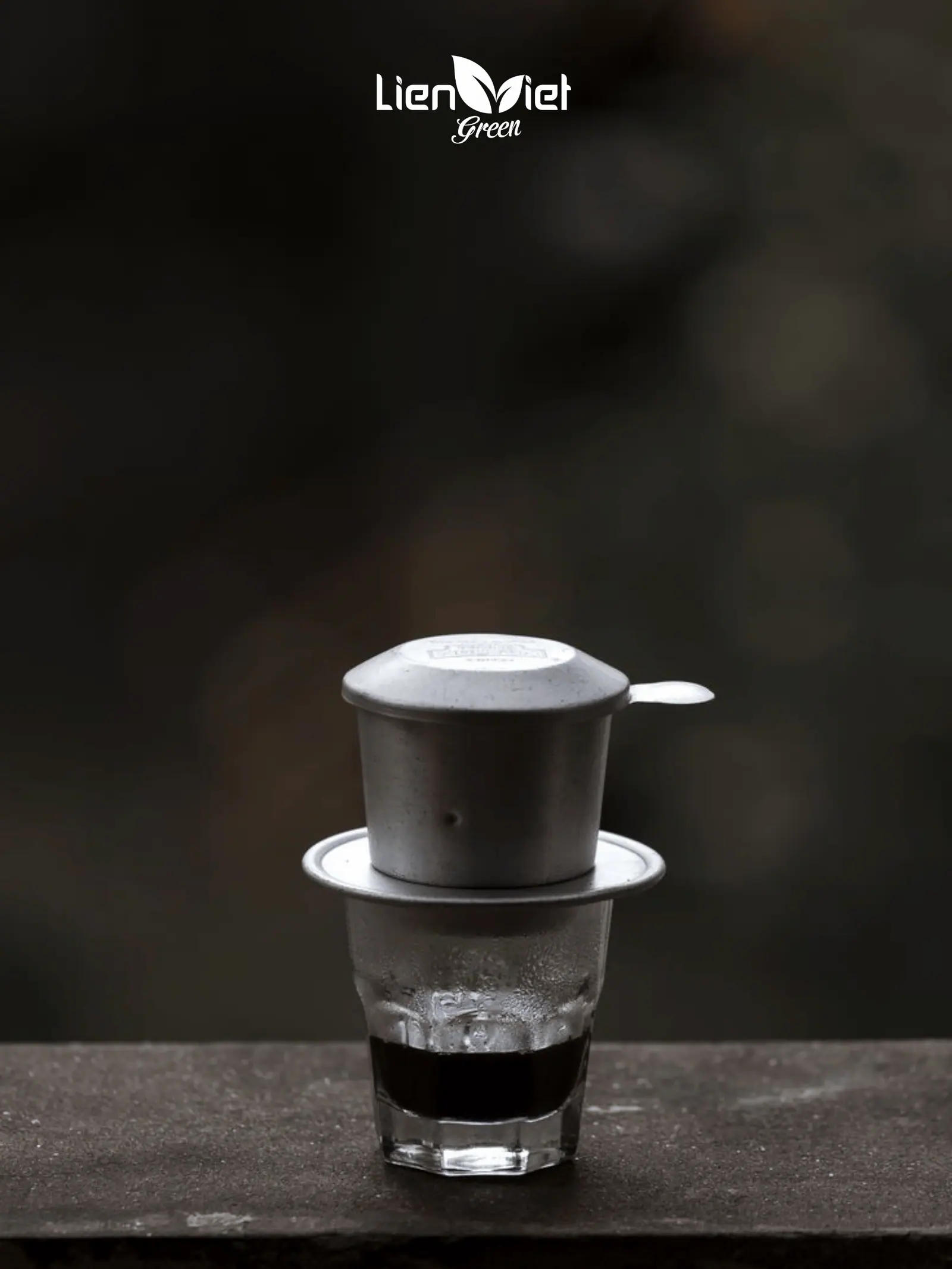
3. Traditional Vietnamese Phin: Timeless Cultural Identity
Pour Over – The Pinnacle of Artisanal Craftsmanship
To provide business owners and chain operators with actionable clarity when engineering beverage menus and expansion strategies, the specialty coffee technical team at Lien Viet Green has compiled the following quantitative evaluation matrix:
No single extraction method is universally superior; the optimal choice depends strictly on your operational model and target customer segment:
As an experienced supplier and exporter of Vietnamese specialty coffee, Lien Viet Green does not merely sell coffee—we build comprehensive operational solutions for your beverage supply chain:
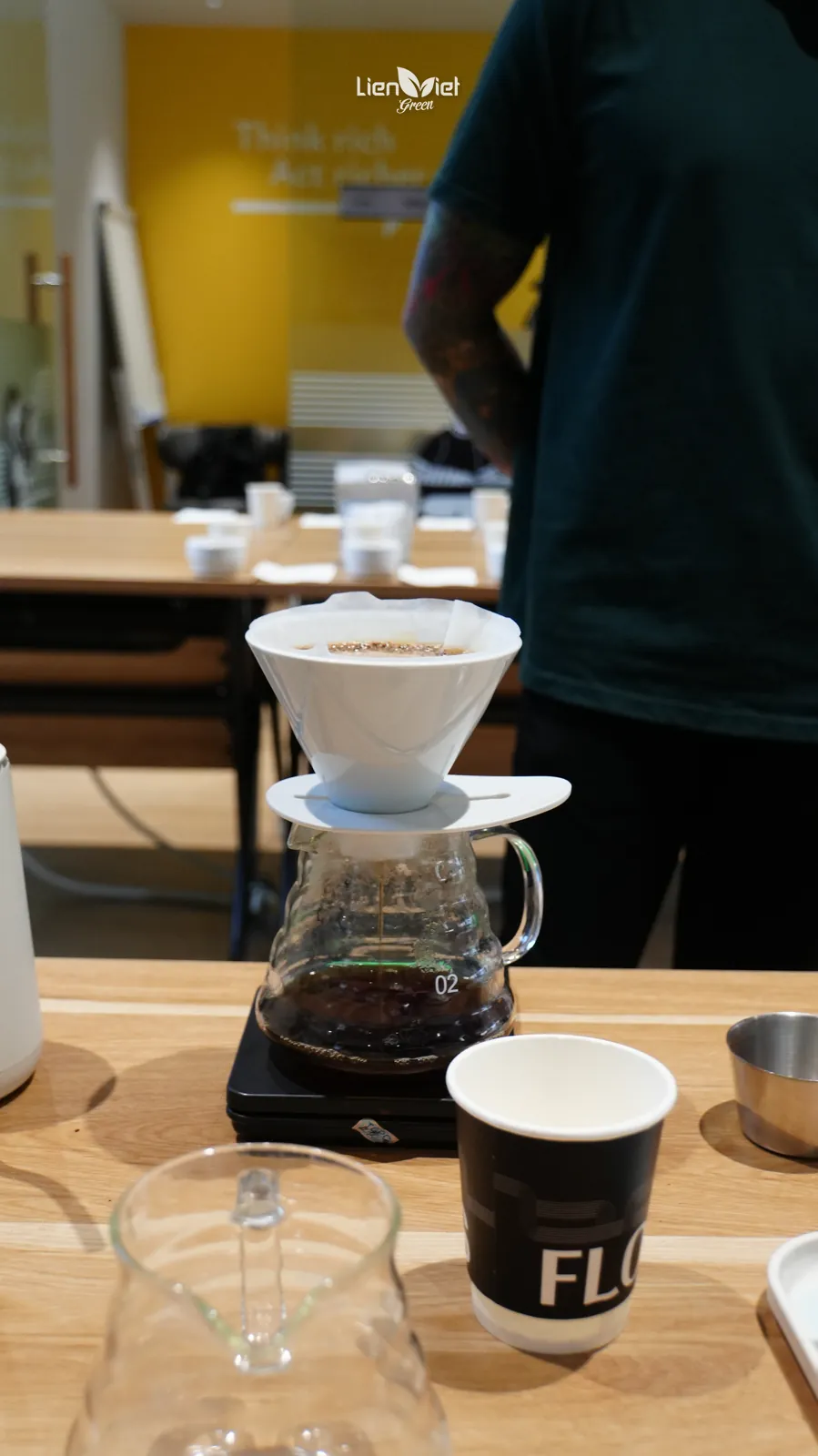
4. Pour Over (V60): The Pinnacle of Artisanal Craftsmanship
Deciding on an extraction method directly shapes your operating cost structure and gross profit margins. Embracing modern packaging and extraction technologies frees your business from staffing constraints and operational variance while preserving uncompromising cup quality.
Technical Quality Standards Comparison Matrix
| Quality Metric | Conventional Standard | Lien Viet Green OEM Standard |
|---|---|---|
| Roasting Tech | Direct flame drum, minor smoke trace | 100% Hot Air fluid bed convection, uniform roast |
| Batch QC Control | Subjective visual checking | Agtron color meter + ISO moisture + ARTISAN logs |
| Packaging Format | Standard poly or paper bag | 4-layer foil laminate with 1-way degassing valve |
For a closer comparison of the two bag formats, read steeped bag vs drip bag: extraction and OEM options.
If your menu also runs on espresso machines, see espresso vs phin: choosing coffee beans and roast profiles.
To roll out steeped bags or phin coffee across your locations, see our coffee service for cafés, bakeries and chains, and book a cupping at our Long Bien roastery to taste before you decide.
Sources: Coffee Quality Institute (CQI) Q Grader certification; ISO 22000:2018 on the ISO website and Lien Viet Green roastery ISO 22000:2018 certificate.
Frequently asked questions
What is a steeped coffee bag?
A steeped bag is ground roasted coffee sealed in a filter pouch and brewed by immersion, like a tea bag. It puts convenience and service speed first.
How is a drip bag different from pour over?
A drip bag recreates pour-over brewing in a compact single-serve format: a paper filter with two cardboard ears that hang over the rim of the cup. Pour over uses a cone such as a V60 with paper filters and is usually the centerpiece of specialty coffee bars.
Which brewing method should an F&B chain choose?
No single method suits every chain. Weigh equipment cost, service speed, staff skill and the ability to keep cup quality consistent across all locations, then choose based on your target customers.
Does the traditional phin still suit modern cafés?
Yes. The metal phin is a symbol of Vietnamese coffee culture, combining an initial bloom with a slow gravity drip. It remains a way to keep a distinct Vietnamese identity on your menu.
How does Lien Viet Green support cafés that want steeped bags?
Lien Viet Green makes steeped bags for cafés and bakeries and offers OEM private-label production. The roastery is certified to ISO 22000:2018 and has CQI Q Graders on its team. You can book a cupping at the roastery to try them.
Partner with ISO 22000 Certified OEM Coffee Roaster
Lien Viet Green supports hotel chains, F&B franchises, and commercial brands with custom roast profiles and supply reliability.