Multigenerational Coffee Farming Heritage: Sustaining Vietnam’s Agricultural Future
Examining the role of multigenerational coffee farming heritage in Vietnam—how familial farming traditions, combined with modern agronomic training, are transforming sustainable coffee production and securing long-term supply stability.
Multigenerational coffee farming heritage in Vietnam means farming knowledge passed from parents to children, now increasingly combined with formal training in agronomy and processing. For buyers, these families provide the continuity behind a stable, traceable coffee supply.
📌 Technical Key Highlights
- Roastery Standard: Certified ISO 22000, evaluated by Q Grader panel.
- Roasting Tech: 100% Hot Air fluid bed convection, precise thermal curve tracking.
- Batch Consistency: Strict Agtron spectrophotometer roast color and moisture control.
- Traceability: 100% transparent sourcing from Vietnamese coffee origins.
Multigenerational Coffee Farming Heritage: Sustaining Vietnam’s Agricultural Future
In Vietnam’s key coffee-growing provinces, coffee cultivation is rarely a short-term commercial venture. It is a long-term familial endeavor preserved and refined across successive generations. Children born into coffee-farming families develop an innate understanding of agricultural cycles, seasonal rhythms, and plant care from early childhood.
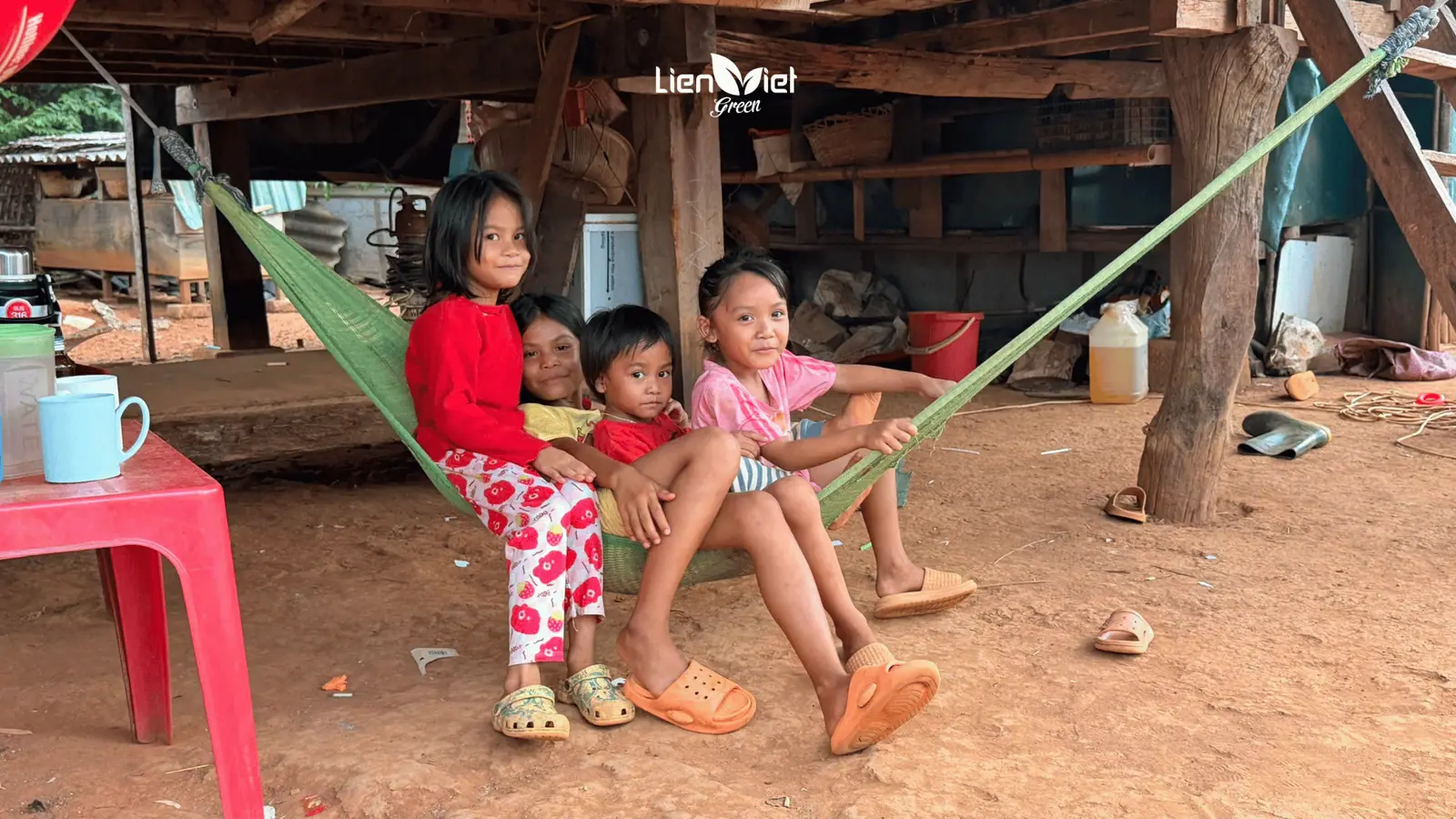
Farming families in Vietnam carry forward a deep heritage of coffee cultivation across successive generations.
This multigenerational coffee farming heritage provides the foundational stability of Vietnam’s coffee supply chain. Understanding this social and agricultural fabric is crucial for commercial buyers seeking reliable, ethically sourced green coffee with high traceability.
Growing up in coffee communities provides practical knowledge that classroom settings cannot replicate. Children accompany parents through orchard rows, observing seasonal pruning, moisture management, flowering periods, and harvest operations.
This direct immersion instills an intuitive grasp of plant health, weather shifts, and soil quality. For smallholder farming households, coffee cultivation forms the core of daily livelihood, passing down respect for agricultural stewardship naturally from generation to generation.
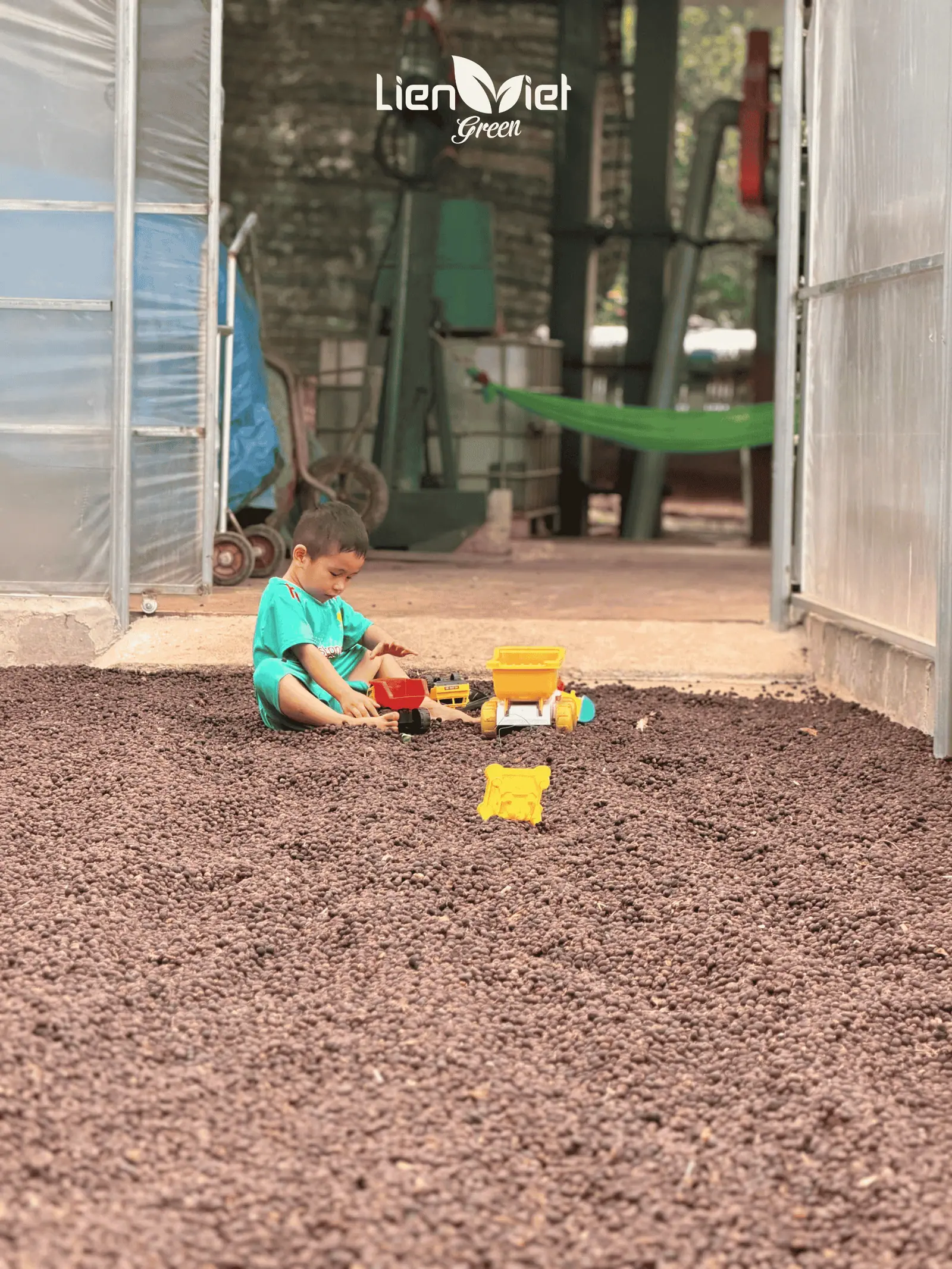
The drying patio serves as the operational heart of traditional post-harvest processing. During peak harvest seasons, family members collaborate closely across operations.
Early Exposure to Agronomic Realities
Traditional farming knowledge passed from parents to youth on harvest drying patios.
Observing cherry raking, moisture loss, and sorting protocols provides the younger generation with firsthand comprehension of quality control. These experiences build an early appreciation for discipline, meticulous attention to detail, and the direct correlation between labor standards and finished lot quality.
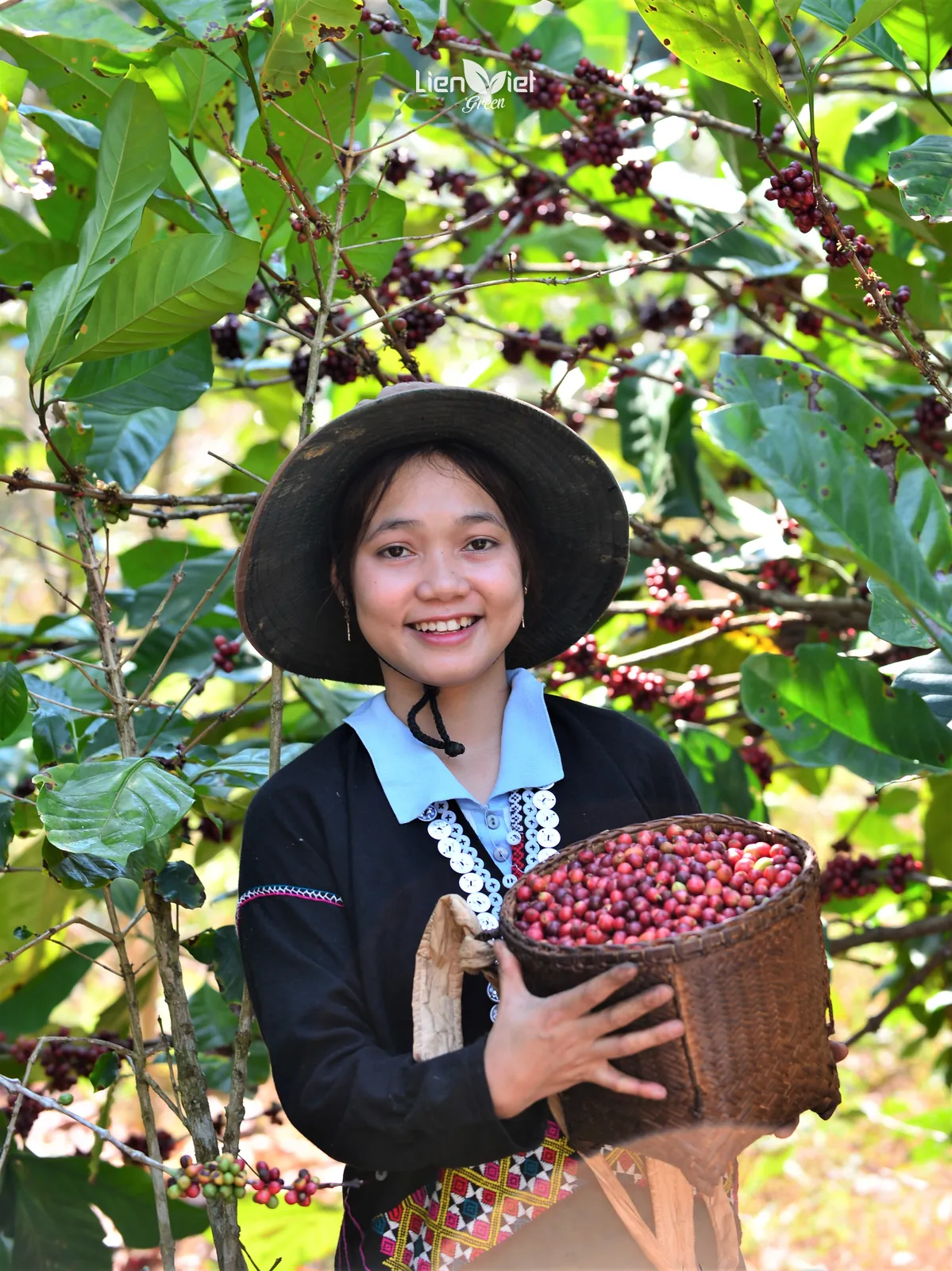
As these youths mature, many choose to formalize their agricultural background into professional careers within the coffee industry.
Rather than abandoning rural estates, a growing number of next-generation farmers pursue formal education in agronomy, food science, bio-technology, and business management. Returning to their native farming communities, they apply modern research to family operations:
This synthesis of inherited intuition and scientific discipline drives meaningful improvements in bean density, cup uniformity, and farm productivity.
Earlier generations focused primarily on yield volume and bulk commodity trading. Today’s younger agricultural leaders are actively repositioning their family farms toward value-added specialty production.
Practical Grounding on the Harvest Patios
By investing in micro-mills, raised African drying beds, and hermetic storage solutions, farming families now process specialty-grade Arabica, Fine Robusta, and rare Liberica lots directly at origin. This transition enables direct partnerships with commercial roasters and international importers, capturing higher margins and reinvesting capital into farm infrastructure.
A single coffee tree can remain productive for decades, but the endurance of a coffee origin depends on human succession. Multigenerational continuity guarantees that agricultural know-how is preserved, refined, and deployed sustainably.
For B2B procurement professionals, partnering with multigenerational farming communities mitigates key supply chain risks: reducing land abandonment, securing consistent crop management, and ensuring long-term contractual compliance.
At Lien Viet Green, our sourcing model is anchored in long-term relationships with multigenerational farming families across Vietnam. We recognize that cup quality originates with the dedicated farmers who manage the trees year-round.
Our collaborative programs support generational succession through actionable initiatives:
By supporting multigenerational coffee farming heritage, Lien Viet Green helps ensure that Vietnam’s coffee sector continues to evolve from a high-volume commodity exporter into a recognized global origin for high-value, sustainable specialty coffee.
Technical Quality Standards Comparison Matrix
| Quality Metric | Conventional Standard | Lien Viet Green OEM Standard |
|---|---|---|
| Roasting Tech | Direct flame drum, minor smoke trace | 100% Hot Air fluid bed convection, uniform roast |
| Batch QC Control | Subjective visual checking | Agtron color meter + ISO moisture + ARTISAN logs |
| Packaging Format | Standard poly or paper bag | 4-layer foil laminate with 1-way degassing valve |
To see how these relationships work in practice, read about Lien Viet Green’s sourcing journeys with its farm partners.
Buyers who want to meet farming families in person can join a B2B coffee farm tour in Vietnam.
Cafés and chains can taste coffee from these origins through our roasting service for cafés and chains, or book a cupping at our Long Bien roastery.
Sources: Coffee Quality Institute (CQI) Q Grader certification; ISO 22000:2018 on the ISO website and Lien Viet Green roastery ISO 22000:2018 certificate.
Frequently asked questions
What does the coffee tree mean to farming families?
For many families, coffee is more than a source of income. It is part of daily life, childhood memory and a heritage passed down through generations, with care for the trees handed naturally from parents to children.
What is the younger generation doing for coffee in their home regions?
Many young people study agronomy, food technology or business management and then return home. They apply science and technology, improve raw material quality, develop sustainable farming and build brands for local products.
Why are many farming households no longer selling only raw coffee?
Taking part in processing and roasting helps their coffee reach more markets. As a result, farmers capture more of the value created by their own land.
How does Lien Viet Green work with farming households?
Lien Viet Green works directly with many families who have grown coffee for generations. It supports them in improving cultivation quality and developing sustainable production models, and helps make it viable for young people to stay in the trade.
Partner with ISO 22000 Certified OEM Coffee Roaster
Lien Viet Green supports hotel chains, F&B franchises, and commercial brands with custom roast profiles and supply reliability.