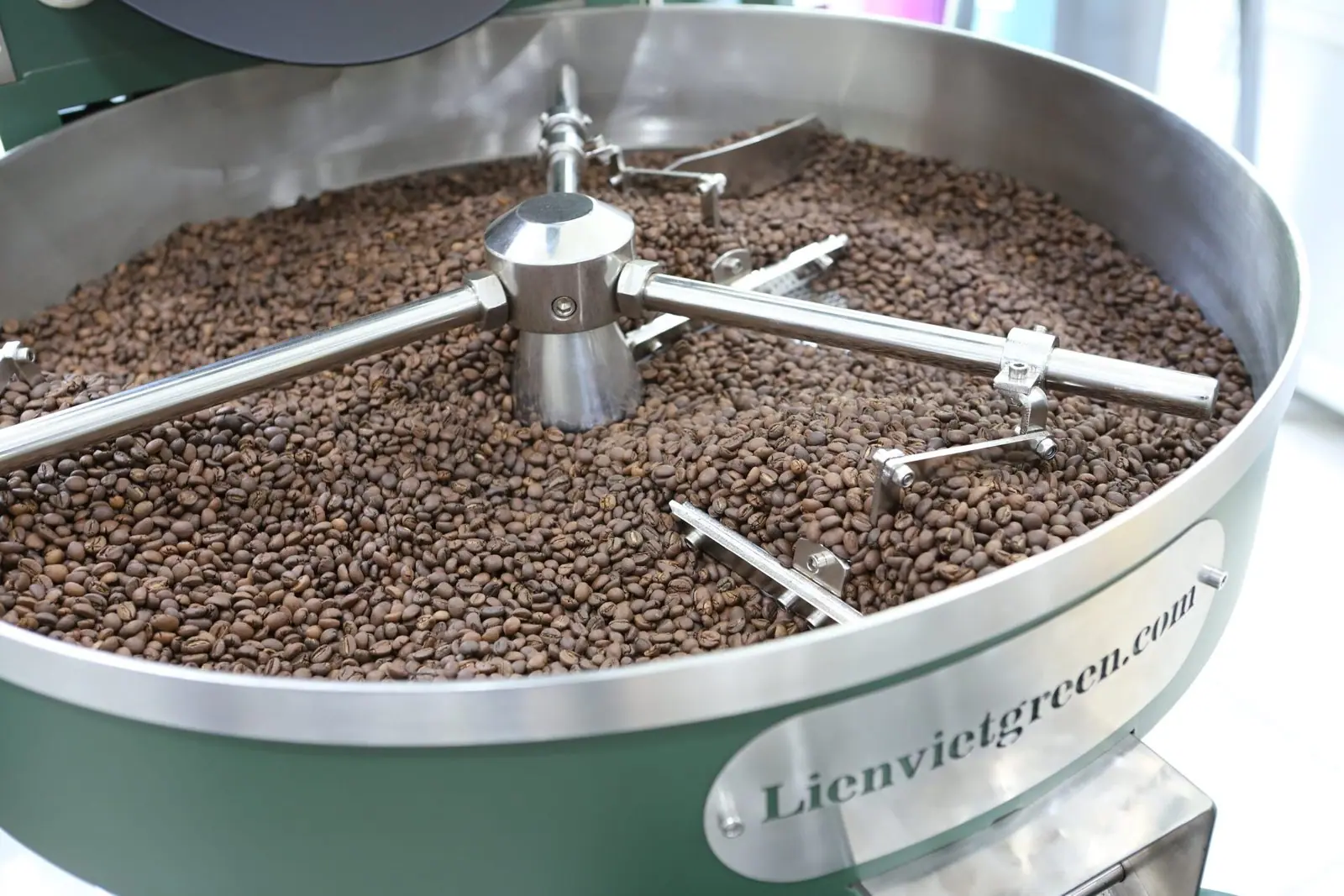
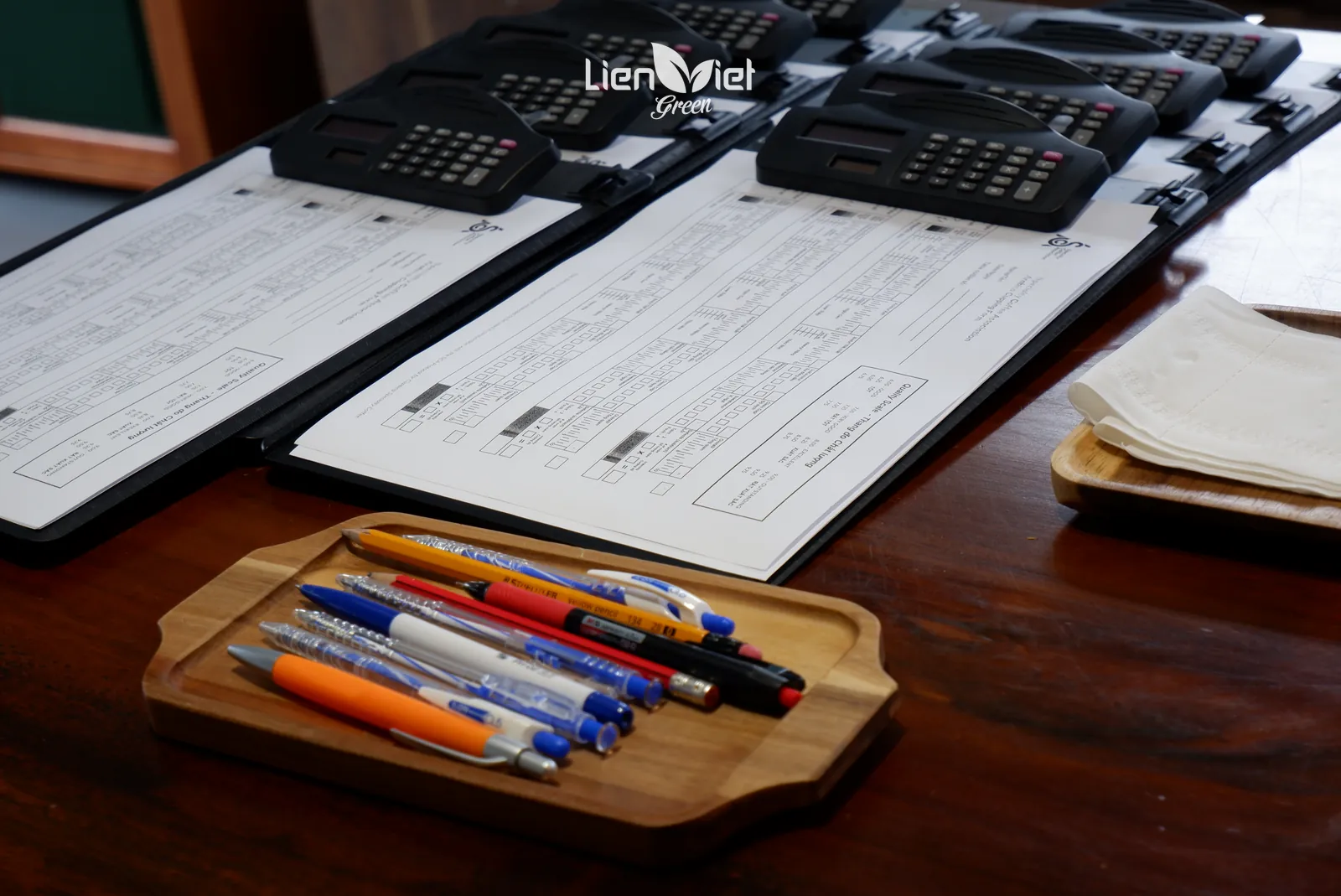
SCA, CQI, and Q-Grader form three complementary pillars of specialty coffee: SCA sets the standards, CQI operates the grading system, and Q-Graders are the certified evaluators. Understand their roles, relationships, and practical significance for F&B businesses.
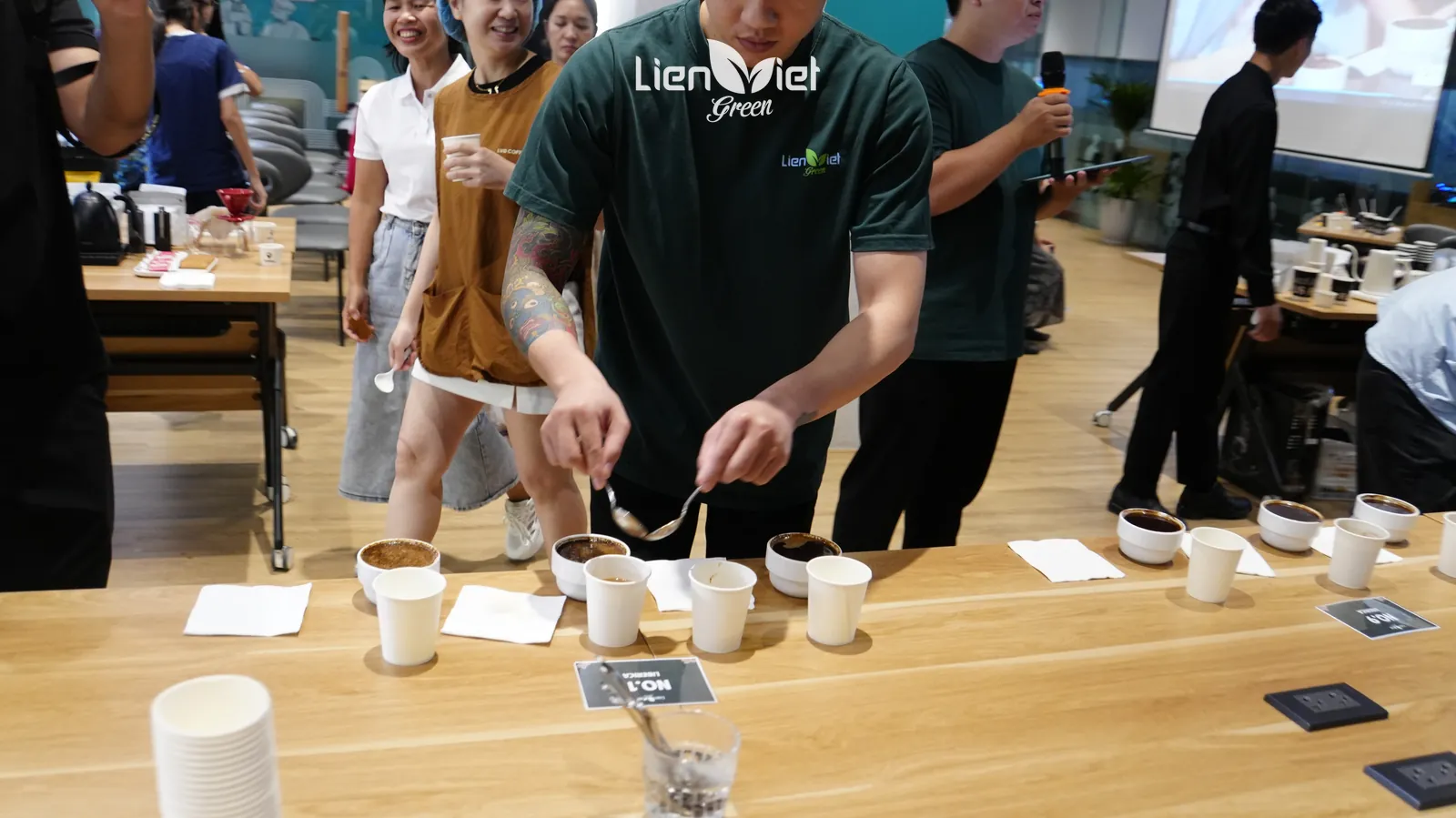
In the specialty coffee sector, three names — SCA, CQI, and Q-Grader — appear in nearly every discussion about quality. Yet widespread misconceptions persist: some assume the SCA directly certifies coffee bags; others believe Q-Grader certification is issued by the SCA; and many operators think any lot scoring over 80 points guarantees a similar flavor profile.
What is the Specialty Coffee Association (SCA)?
The SCA is the world’s largest non-profit trade organization for specialty coffee, formed in 2017 through the merger of SCAA (USA) and SCAE (Europe). It establishes technical standards across the entire coffee value chain: water quality, cupping protocols, scoring scales, and professional training certifications.
Crucially, the SCA does not directly certify coffee lots or issue Q-Grader credentials. Its role is to build the standards framework that other organizations — such as CQI — operationalize.
What is the Coffee Quality Institute (CQI)?
CQI is a non-profit organization dedicated to coffee quality. It operates the Q Coffee System, trains and certifies Q-Graders (for Arabica) and R-Graders (for Robusta), and issues Q Certificates to coffee lots scoring 80 points or above.
CQI also developed the Fine Robusta evaluation framework, recognizing high-quality Robusta lots that meet specialty-grade benchmarks — an initiative particularly significant for Vietnamese coffee.
What is a Q-Grader?
A Q-Grader is a certified sensory professional who has passed a rigorous multi-day examination covering flavor identification, acid recognition, defect grading, and cupping under CQI protocols.
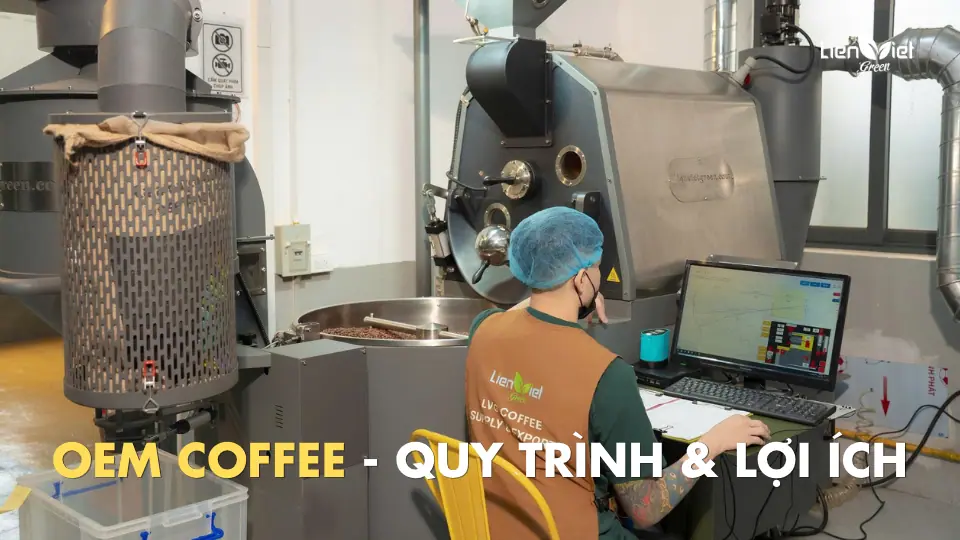
This is not a permanent title — Q-Graders must recalibrate every three years to maintain certification. At Lien Viet Green, certified Q-Graders participate at every stage: raw material selection, cupping, blend development, roast profiling, and finished-product evaluation.
How SCA, CQI, and Q-Graders relate
- 1Sets standards
- 2Delivers education
- 3Operates Q System
- 4Trains & certifies
- 5Evaluates samples
- 6Scores coffee lots
How specialty coffee is graded
Under SCA/CQI cupping protocols, each coffee lot is evaluated across multiple sensory attributes on a 100-point scale. Lots scoring 80 points or above are classified as Specialty Grade.
SCA Scoring Scale| Classification | Cupping score | Characteristics |
|---|---|---|
| Specialty | 80–100 | No cup defects, distinct flavor profile |
| Premium | 75–79 | Good quality, minor flaws allowed |
| Commercial | Below 75 | Blends, instant, price-competitive |
From Q Grading to Coffee Value Assessment (CVA)
The SCA recently introduced the Coffee Value Assessment — a multi-dimensional framework that complements traditional Q Grading. CVA evaluates coffee through four lenses: Affective (hedonic), Descriptive (flavor characterization), Physical (green bean metrics), and Extrinsic (origin, certifications, sustainability).
This evolution reflects a maturing industry: quality is no longer a single score but also a measure of fitness for specific applications — espresso blend, cold brew, single origin.
Why F&B operators should care about SCA, CQI, and Q-Graders
- Objective raw material selectionCupping scores and Q Certificates provide measurable benchmarks for comparing lots — beyond names or prices alone.
- Consistent flavor deliveryQ-Graders evaluate incoming materials and finished products, reducing lot-to-lot flavor drift across production batches.
- Optimized procurement costsUnderstanding quality tiers helps select materials that match the business model — avoiding overspending on prestige or undershooting on quality.
- Brand credibilityPartnering with a supplier whose team includes certified Q-Graders demonstrates a verifiable commitment to quality.
Common misconceptions
“A high SCA score means it tastes good”
Cupping scores measure objective sensory quality, but “good” depends on brew method, taste preference, and application. An 85-point lot may not outperform an 82-point lot in a specific espresso blend.
“Q-Grader is a standalone profession”
Q-Grader is a competency certification, not a job title. Many Q-Graders work as roasters, green buyers, QC managers, R&D specialists, or production leads.
Lien Viet Green – Elevating quality through certified standards
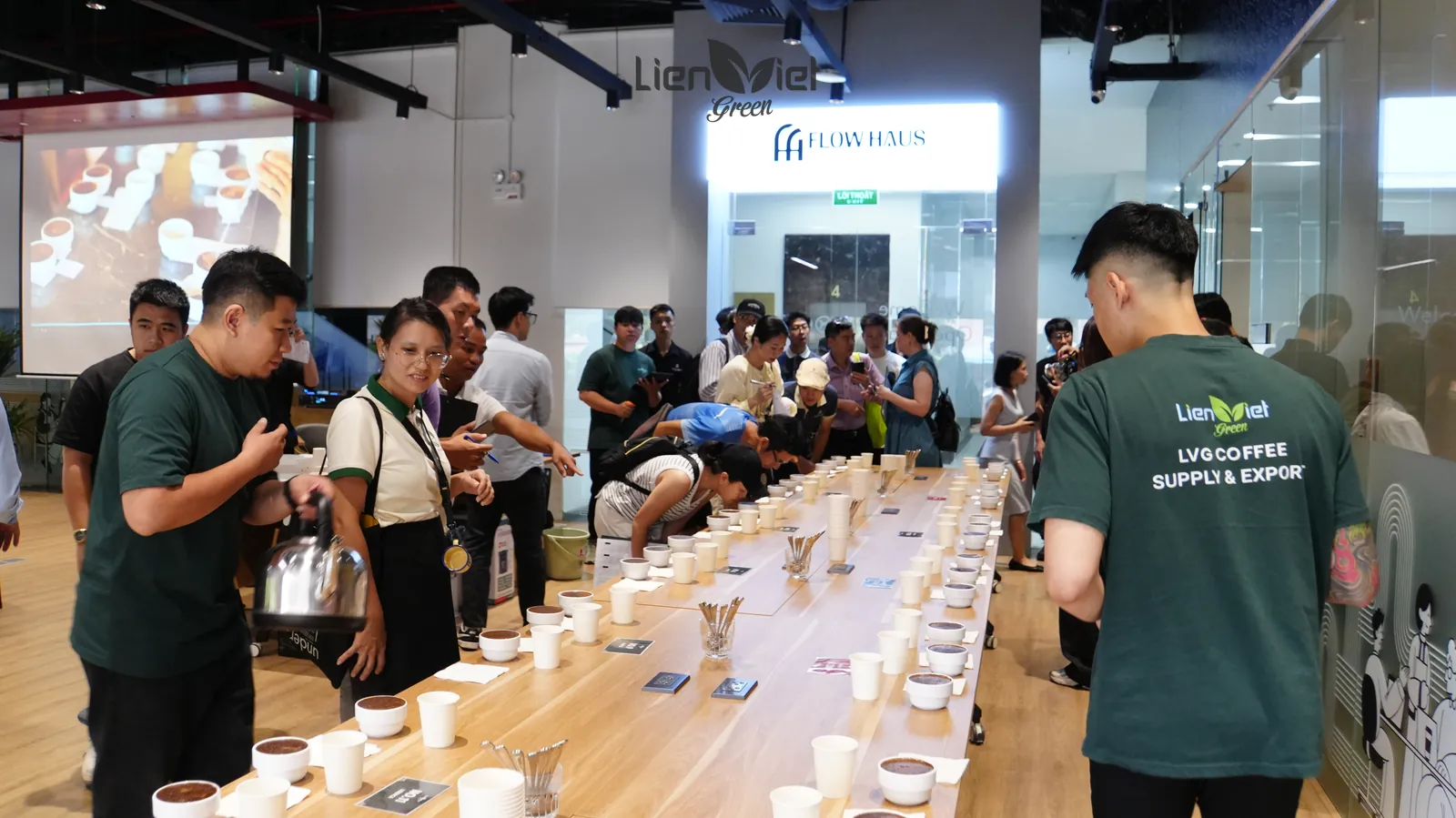
At Lien Viet Green, CQI-certified Q-Graders participate at every stage: raw material selection, cupping, blend development, roast control, and finished-product evaluation. Combined with an ISO 22000:2018 facility and data-monitored Hot Air roasting technology, every production batch is backed by documented quality evidence.
Lien Viet Green partners with businesses to develop coffee products with transparent quality records — from green bean to finished goods.
“Standards exist not for packaging labels — but to ensure every cup served to customers meets the quality promise.”Lien Viet Green
Discuss raw materials and blends with our Q-Grader team
Share your brew method and product positioning — our team will recommend materials with matching cupping profiles.
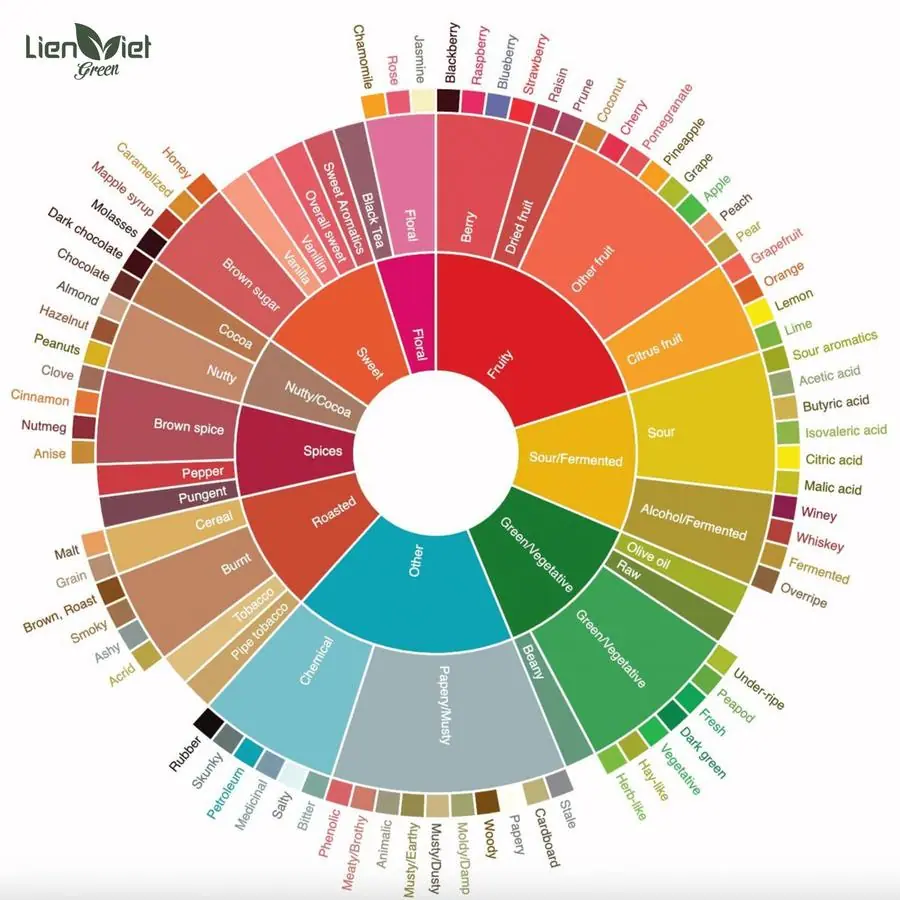
Q Graders describe what they taste in a shared vocabulary; see our guide to the Coffee Taster’s Flavor Wheel.
CQI’s work on Robusta grading matters for Vietnam, as explained in what Fine Robusta is and why it is on the rise.
Cafés and chains can work with our Q Grader team through our roasting service for cafés and chains, or book a cupping at our Long Bien roastery.
Sources: Coffee Quality Institute (CQI) Q Grader certification; Specialty Coffee Association (SCA) coffee standards; ISO 22000:2018 on the ISO website and Lien Viet Green roastery ISO 22000:2018 certificate.
Frequently asked questions
How do the SCA, CQI and Q Graders differ?
The SCA is the association that sets standards and spreads specialty coffee knowledge. CQI runs the Q Coffee System and trains and certifies Q Graders. A Q Grader is a CQI-certified professional who evaluates and scores coffee lots.
What score makes a coffee specialty grade?
On the SCA/CQI cupping scale, a lot scoring 80 points or more out of 100 is classed as Specialty. Lots scoring 75 to 79 fall into the Premium grade, and those below 75 are Commercial.
Is Q Grader certification valid for life?
No. Q Graders must recalibrate periodically, typically every three years, to keep their status. It is a competency certification rather than a job title, and many Q Graders work as roasters, green buyers, QC staff, R&D specialists or production managers.
Does a higher cupping score mean better-tasting coffee?
Not necessarily. A cupping score measures objective sensory quality, but whether a coffee tastes good depends on brew method, preference and application. An 85-point lot does not always suit an espresso blend better than an 82-point lot.
What does a café gain when its supplier has Q Graders?
An objective basis for choosing raw material instead of relying on names or price alone. Q Graders evaluate both incoming beans and finished products, which reduces variation between lots. At Lien Viet Green, CQI Q Graders take part from raw material selection to finished-product checks.